
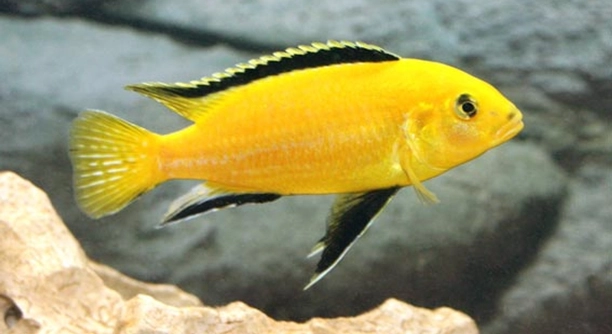
Have you ever noticed your cichlids acting uneasy even when everything in the tank seems normal? Their behavior can shift quickly when water quality declines, creating subtle signs that many fish keepers overlook at times.
Poor water chemistry triggers rapid stress responses in cichlids as shifts in pH, ammonia, nitrite, nitrate and mineral levels disrupt their physiological balance. These chemical imbalances reduce immunity, alter metabolism and provoke noticeable behavioral changes that reflect declining environmental stability.
As you explore further, you will see how chemical changes influence cichlid behavior and help you spot problems early onward.
Ammonia Spikes and Their Impact
Ammonia builds up quickly in tanks that are not maintained well, and cichlids react to it faster than many expect. When levels rise, their gills struggle to process the toxins, and breathing becomes harder for them. You may notice them moving toward the surface more often or resting in unusual spots because the water feels heavy and irritating. Their colors can fade a little during this time, and their movements may look slower than usual. Over time, elevated ammonia places a heavy load on their bodies, making them more sensitive to stress from even small changes in the tank. Regular water changes, light feeding habits, and filter upkeep help reduce these spikes. Testing the water a few times each week keeps you aware of any shifts before they become serious. By acting early, you protect their comfort and give them a cleaner space to swim, interact, and display natural behavior.
High ammonia leaves cichlids vulnerable, and their reactions signal trouble building in the tank. Watching their posture, color, and breathing helps you respond quickly. When you pair close observation with consistent maintenance, you create a safer setting that reduces stress and keeps their behavior steady even through minor environmental changes.
Lowering ammonia starts with simple habits that fit easily into your routine. Removing leftover food prevents quick spikes, and gentle vacuuming picks up hidden waste that settles under decorations. A healthy filter is key because it supports the bacteria that convert ammonia into safer forms. Avoid sudden changes, since cichlids feel stressed when the tank shifts too fast. Use a reliable test kit to stay aware of levels, especially after feedings or cleaning. When you address ammonia early, your fish stay brighter, active, and calmer. These small steps support their long term health without adding work to the schedule safely.
pH Swings and Stress Responses
Shifts in pH unsettle cichlids quickly, and even slight movement outside their comfort range affects breathing, digestion, and color. Stable pH supports steady behavior and healthier routines. Testing regularly and avoiding sudden adjustments helps you maintain an environment that keeps them comfortable and reduces unnecessary stress inside the tank daily.
Maintaining a stable pH is one of the most important parts of keeping cichlids healthy, since large shifts place immediate pressure on their bodies. When pH drops too low, their gills work harder, and oxygen uptake becomes less efficient. High pH can irritate their skin and heighten the impact of other chemical changes. These swings also influence how toxins behave in the water, turning mild issues into bigger problems if the tank is already strained. Consistent testing keeps you aware of small shifts that may develop as you feed, clean, or add new decorations. Using buffers can help, but gentle adjustments are always best, since rapid corrections overwhelm sensitive fish. Choosing substrates and rocks that naturally support the preferred range makes stability much easier to maintain. Keep in mind that tap water varies by location, so measuring it before water changes prevents accidental shifts. When you keep pH within a suitable range, your cichlids move with more confidence and display their colors more fully. Their appetite stays steady, and their interactions remain calm. Over time, this stability supports stronger immune function and a more predictable rhythm in the tank that makes care simpler and far less stressful for both you.
Nitrite Buildup and Behavioral Shifts
Nitrite rises quickly in tanks with weak biological filtration, and cichlids show signs through sluggish movement, pale gills, and quiet behavior. These early reactions help you catch problems before they worsen and keep the environment from pressuring them more than necessary.
When nitrite reaches unsafe levels, it interferes with how blood carries oxygen, leaving cichlids tired and less responsive. Their gills may look slightly brownish, and they often stay near calmer spots in the tank. Reducing feeding, checking filter flow, and increasing water changes help lower nitrite smoothly. Strong beneficial bacteria support this balance, so keeping the filter clean but not overwashed is important. Testing a few times a week offers a clear view of how fast levels shift and lets you correct issues before they affect your fish more deeply.
Keeping nitrite under control protects your cichlids from long periods of discomfort. A stable tank encourages natural activity, brighter colors, and calmer interactions. Regular care, gentle cleaning, and slow adjustments give the biological filter room to work efficiently. When you respond early, your fish stay healthier and more resilient, even during small changes that happen naturally in any established aquarium.
High Nitrate Levels and Long Term Effects
Nitrate rises over time in most tanks, and cichlids react by becoming less active, eating less, or showing muted colors when the levels stay high for too long. Steady nitrate control supports a calmer environment and reduces stress that builds slowly inside their system.
Nitrate accumulates from leftover food, fish waste, and natural breakdown inside the tank. While it is less harsh than ammonia or nitrite, it still affects your cichlids when it climbs too high. Larger water changes, light feeding habits, and vacuuming debris help keep it manageable. Live plants can also absorb some nitrate, giving the aquarium a small boost in stability. Test kits show how quickly nitrate climbs in your setup, which helps you set a cleaning rhythm that fits your schedule. By keeping levels within a safe range, your cichlids stay more energetic, maintain steady color, and handle new additions or minor disturbances with less tension.
Chlorine and Chloramine Irritation
Chlorine and chloramine enter tanks through untreated tap water, and cichlids react fast with rapid gill movement and jittery swimming. These chemicals irritate their skin and gills, creating discomfort that builds quickly if the water is not treated before each change.
Using a good water conditioner protects your cichlids by neutralizing chlorine and chloramine before they reach the tank. Untreated water can cause redness around the gills and make your fish hide more often. Consistent treatment keeps their environment stable and prevents unnecessary stress from routine maintenance.
Mineral Hardness Imbalance
Mineral hardness affects how cichlids regulate their internal balance, and sudden changes make them restless or less active. When hardness swings too far, it influences pH stability, which can lead to long periods of discomfort if not corrected carefully. Testing regularly and adjusting with mineral supplements or proper substrate helps maintain smoother, more predictable conditions. Many cichlids, especially African species, prefer higher hardness, so keeping levels within their preferred range supports stronger color, steadier behavior, and healthier long term growth.
Heavy Metal Exposure
Heavy metals from pipes or contaminated water disturb your cichlids by irritating their gills and slowing their movement. Using conditioners that bind metals and checking your water source helps prevent these reactions and keeps the tank safer for sensitive species.
FAQ
How can I tell if my cichlids are stressed from poor water quality?
Cichlids often show stress through changes in behavior and appearance. They may hide more, swim erratically, or lose color. Rapid gill movement, clamped fins, or loss of appetite are common signs. Watching daily routines helps you notice even subtle differences early, allowing for quicker intervention.
What is the safest way to test water chemicals?
Using reliable liquid test kits or strips is the most effective way. Test for ammonia, nitrite, nitrate, pH, and hardness regularly. Record results to track trends over time. Testing before and after water changes or feeding sessions gives you a clearer picture of how the tank environment is changing.
How often should I change the water to reduce chemical problems?
Partial water changes of 20-30% weekly are generally recommended. Large, sudden changes can stress cichlids, so smaller, consistent adjustments work better. Water changes reduce ammonia, nitrite, and nitrate while replenishing trace minerals, keeping chemical levels more balanced and the fish healthier overall.
Can plants help improve water quality for cichlids?
Yes, live plants absorb some nitrates and provide oxygen. Fast-growing species like hornwort or water sprite are particularly effective. Plants also give fish hiding spots, reducing stress. While they don’t replace proper maintenance, they act as a natural buffer, complementing regular water changes and filtration.
Is it okay to use tap water directly for cichlids?
Tap water often contains chlorine, chloramine, or heavy metals, which irritate fish. Always treat it with a water conditioner before adding it to the tank. Letting treated water sit briefly helps stabilize temperature and allows chemicals to neutralize fully, creating a safer environment for sensitive cichlids.
What role does filtration play in chemical stability?
Filters support beneficial bacteria that convert toxic ammonia and nitrite into less harmful nitrate. Regular cleaning maintains efficiency, but avoid over-washing media to preserve bacteria. Proper flow ensures oxygenation and consistent circulation, keeping chemical levels more even and preventing localized spikes that stress fish.
Can diet affect how cichlids react to poor water?
Yes, overfeeding increases waste, which raises ammonia and nitrate levels. Feeding smaller portions more frequently reduces sudden spikes in toxins. High-quality foods that are easily digestible also help minimize waste buildup and support the fish’s ability to cope with minor chemical shifts.
How do I fix sudden pH swings in the tank?
Gradual adjustments are key. Use buffers or add small amounts of crushed coral or baking soda to stabilize pH. Avoid abrupt changes, since cichlids are sensitive and can become stressed quickly. Testing frequently during adjustment ensures the water reaches the desired range without harming your fish.
Are certain cichlids more sensitive to chemical changes than others?
Yes, African cichlids generally tolerate higher hardness and stable pH, while South American species prefer softer, slightly acidic water. Knowing your species’ preferred ranges helps prevent stress. Observing behavior after small water changes or adding decorations can reveal sensitivity levels early.
What should I do if my cichlids show signs of chemical stress?
Act quickly by testing water and performing a partial change if levels are off. Check filters and clean gently, adjust feeding, and treat water for chlorine or heavy metals if needed. Observing recovery over the next few days lets you confirm whether the environment is stabilizing and if further action is necessary.
How can I prevent long-term chemical problems?
Consistent maintenance is crucial. Test water regularly, keep filters healthy, perform scheduled partial water changes, and monitor feeding. Avoid overcrowding and introduce plants or substrates that support natural chemical balance. Preventive care keeps cichlids active, healthy, and less prone to stress-related illnesses.
Do decorations or substrate affect water chemistry?
Yes, certain rocks or substrates can raise hardness or pH, while driftwood may lower it slightly. Choosing materials compatible with your cichlids’ natural preferences helps maintain stable conditions. Cleaning decorations regularly prevents waste buildup, which can otherwise contribute to chemical imbalances in the tank.
How quickly do cichlids react to chemical imbalances?
Reactions can occur within hours for severe changes, like ammonia spikes, or take days for slower issues, like nitrate buildup. Observing color, movement, and feeding patterns daily gives the earliest warning signs, allowing you to intervene before the imbalance becomes serious.
Can medication help if water quality is poor?
Medication may relieve some symptoms but does not fix the underlying problem. Treating chemical stress requires improving water conditions, not just masking effects. Using drugs without correcting water chemistry often leads to repeated illness and further stress on your cichlids.
What is the easiest way to track water quality over time?
Keeping a simple log with dates, test results, and notes about fish behavior works well. This allows you to see trends and catch problems early. Even small changes in water parameters can be noticed when tracked consistently, reducing the risk of serious chemical stress.
Maintaining good water quality is the most important part of keeping cichlids healthy and happy. Even small chemical imbalances can stress them, affect their color, and slow their activity. Ammonia, nitrite, and nitrate levels, as well as pH and hardness, all influence their daily behavior. Watching how your cichlids move, eat, and interact can give you early warnings about water problems. Some signs are subtle, like slight color fading or less curiosity, while others are more obvious, such as rapid gill movement or hiding. Paying attention to these details helps you respond quickly, preventing more serious health issues before they take hold. Keeping the tank clean, testing water regularly, and performing consistent partial water changes are simple habits that create a safer, more stable environment. Over time, these efforts make it easier to notice changes and maintain chemical balance without extra stress.
Using proper filtration and treating tap water are essential steps in managing chemicals. Filters help beneficial bacteria process ammonia and nitrite, while water conditioners remove chlorine, chloramine, and heavy metals. Neglecting these steps can lead to rapid deterioration of water quality and cause your fish unnecessary stress. Minerals in the water also play a key role, as cichlids depend on consistent hardness for physiological stability. Sudden shifts in hardness or pH can disrupt their internal balance and trigger behavioral changes. Keeping test kits on hand and measuring water before and after changes allows you to make adjustments safely and avoid shocks to the system. Plants and natural substrates can assist in stabilizing some chemical levels, but they are a support, not a replacement, for regular care. Paying attention to these details ensures your cichlids stay active, maintain color, and display normal behavior consistently.
Long-term care is about creating routines that your cichlids can rely on. Feeding the right amounts, observing behavior, and maintaining a balanced tank environment all work together to reduce stress and chemical issues. Overfeeding produces excess waste, which raises ammonia and nitrate, so sticking to small, frequent meals is safer. Consistency in cleaning and monitoring water keeps problems from developing slowly and becoming more difficult to correct. While water changes, filter maintenance, and chemical testing may feel repetitive, they provide stability that your cichlids respond to immediately. When these practices are followed, your tank becomes a steady environment where fish thrive, interact normally, and grow stronger over time. Building these habits early makes long-term maintenance easier and ensures your cichlids enjoy a comfortable, healthy space where chemical problems are less likely to disrupt their wellbeing.

Hello,
If you enjoy the content that we create, please consider saying a "Thank You!" by leaving a tip.
Every little bit helps us continue crafting quality advice that supports the health, happiness, and well-being of pets around the world, for pets of all shapes, sizes, and species.
We really appreciate the kindness and support that you show us!