
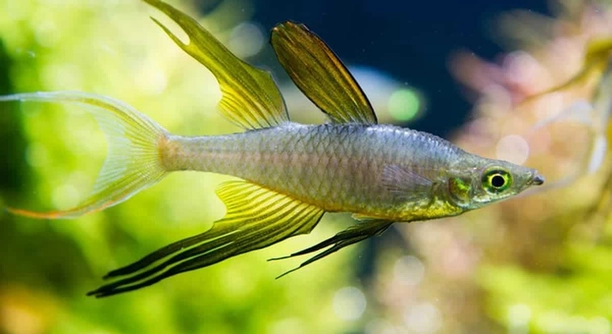
Are your threadfin rainbowfish easily startled by their own reflections in the tank? Many fish owners notice sudden darting or hiding behavior, which can be stressful for both the fish and the caretaker. Managing reflections is essential.
Reducing reflections that spook threadfin rainbowfish can be achieved through careful tank placement, minimizing external light sources, and using backgrounds or anti-reflective coatings. These measures help create a calmer environment and prevent sudden stress reactions.
Understanding the role of reflections in fish behavior can improve the overall well-being of your aquarium. Small adjustments often lead to noticeable changes in your fish’s comfort and activity.
Identifying Reflection Sources in Your Tank
Reflections in a tank can come from multiple sources, including bright room lighting, sunlight through windows, or glossy surfaces inside the aquarium. Even the position of your aquarium near reflective walls or mirrors can trigger frequent spooking. Observing your fish throughout the day helps pinpoint when and where these reactions occur. Threadfin rainbowfish are particularly sensitive to sudden visual changes, and repeated stress can affect their appetite, color, and overall health. Monitoring behavior patterns allows you to determine if reflections are the cause of frequent hiding, erratic swimming, or sudden bursts of speed. Small adjustments to lighting or background placement can have an immediate calming effect. Consistent observation over several days will reveal whether changes are working, helping you maintain a peaceful tank environment.
Not all reflections are obvious, and some may only appear at certain angles or times of day. Careful observation is key.
Once you identify reflection sources, simple fixes like moving the tank away from direct sunlight or using a non-reflective background can make a big difference. You might notice certain decorations or ornaments create unexpected shiny spots. Covering the tank with a tinted lid or repositioning lights reduces glare and softens contrast. Black or dark-colored backgrounds are particularly effective, preventing mirrored surfaces inside the aquarium from creating startling images. Adjusting the room’s lighting schedule to avoid strong sunlight at peak hours can further reduce reflections. Some owners use semi-opaque film on windows or reposition furniture to limit indirect light bouncing into the tank. Even small tweaks, like angling the tank slightly, can prevent direct reflections of room activity. Combined, these strategies create a calmer environment for threadfin rainbowfish and allow them to swim confidently without frequent spooks.
Using Physical Barriers to Calm Fish
Physical barriers like plants or background sheets can help reduce visible reflections. They break up mirrored surfaces and give fish safe spaces.
Adding live or artificial plants provides hiding spots and disrupts clear surfaces where reflections appear. Tall plants along the back and sides of the tank create a visual buffer, limiting the angles where fish see themselves. Background sheets or opaque panels behind the aquarium reduce light bouncing off walls or other reflective surfaces. Layering decorations like rocks or driftwood adds depth, making reflections less noticeable. By arranging barriers thoughtfully, threadfin rainbowfish gain secure zones, reducing stress and encouraging natural swimming patterns. Over time, the fish become less reactive to occasional reflections, as these measures give them a sense of control in their environment. Consistently using these barriers alongside lighting adjustments ensures long-term comfort.
Combining barriers with careful lighting and strategic tank placement is essential for reducing spooking. Observing fish responses and adjusting placement ensures effectiveness and maintains a healthy, calm aquarium environment.
Adjusting Lighting to Reduce Reflections
Using dimmer or indirect lighting reduces glare and sudden reflections. Avoid placing tanks in direct sunlight, and consider using adjustable LED lights to control intensity throughout the day. Consistent, soft lighting helps threadfin rainbowfish feel secure and minimizes stress from mirrored surfaces.
Gradually reducing light intensity during peak daylight hours can prevent startling flashes on the tank walls. Positioning lamps at an angle or using diffusers softens shadows and prevents harsh reflections. If possible, use timers to create a predictable light cycle, which helps fish adjust to changes without panic. Reflections from bright bulbs often trigger erratic swimming, so reducing intensity is key. Combining this with a dark background ensures fewer mirrored surfaces, keeping your fish calmer and more active. Careful observation helps you notice which lighting setup works best for your tank.
In addition to adjusting intensity, consider the color temperature of your lights. Cooler, bluish light may highlight shiny surfaces more than warmer tones. Experimenting with light placement and angles minimizes reflection hotspots. Using floating plants or decorations near the water surface can further diffuse light, preventing sudden reflections from catching your fish off guard. Over time, your threadfin rainbowfish will adapt to a stable, well-lit environment with fewer surprises, creating a more natural and comfortable habitat.
Strategic Tank Placement
Positioning your aquarium away from windows and reflective walls minimizes sudden reflections. Avoid high-traffic areas where movement can startle fish. Proper placement creates a stable environment.
Choose a location with minimal exposure to sunlight and artificial reflections. Even indirect light bouncing off walls or furniture can cause sudden flashes. Keeping the tank in a quieter area reduces stress from human activity and prevents repeated spooking. Elevating the tank slightly or angling it away from reflective surfaces further reduces mirrored distractions. Threadfin rainbowfish respond better in stable, low-glare environments, making tank placement a critical factor in maintaining calm behavior.
Consider the surroundings carefully, including adjacent furniture and wall colors. Lighter walls can reflect light into the tank, while darker surfaces absorb it, reducing glare. Moving the aquarium slightly away from high-traffic zones decreases the frequency of sudden shadows or reflections caused by people walking by. Ensuring the tank is not directly opposite a window with shifting sunlight patterns also helps maintain stability. Thoughtful placement, combined with lighting adjustments and barriers inside the tank, significantly reduces stress, allowing your threadfin rainbowfish to swim naturally and interact comfortably with their environment. Consistency in placement over time ensures that fish remain confident and less reactive to visual disturbances.
Minimizing Glass Reflections
Applying a matte or frosted film to tank glass reduces reflective surfaces. This simple modification helps threadfin rainbowfish feel less exposed, lowering stress levels and minimizing sudden spooking incidents.
Even wiping the glass regularly to remove smudges and water spots can reduce glare. Cleaner surfaces prevent unexpected flashes that may startle fish.
Using Tank Backgrounds Effectively
Solid-colored or patterned backgrounds help break up reflections and create visual stability for your fish. Darker tones, such as black or deep blue, are particularly effective at absorbing light, preventing mirrored surfaces from causing sudden reactions. Backgrounds also provide a sense of depth, which encourages calmer, more natural swimming behaviors. Placing the background on three sides of the tank can shield fish from room activity while reducing reflections from lights or windows. Both printed and plain backgrounds work well, but it is important to ensure they are securely attached to avoid floating or peeling. Combined with other adjustments like plants and lighting, proper backgrounds create a more peaceful environment for threadfin rainbowfish.
Observing Fish Behavior
Regularly monitoring how your fish respond to reflections helps determine which strategies work best. Observations allow timely adjustments and ensure their comfort.
FAQ
How can I tell if reflections are stressing my threadfin rainbowfish?
Signs include sudden darting, frequent hiding, or unusual erratic swimming. Your fish may avoid certain areas of the tank where reflections are most visible. Reduced appetite and color fading can also indicate stress from mirrored surfaces or bright lights. Observing patterns over time helps confirm if reflections are the issue.
What types of backgrounds work best for reducing reflections?
Solid-colored backgrounds in dark shades, such as black or deep blue, are most effective. Patterned backgrounds can also help by breaking up mirrored surfaces. Using backgrounds on three sides of the tank provides visual stability and shields fish from room activity, reducing stress and spooking.
Are plants effective in reducing reflections?
Yes. Both live and artificial plants can break up reflective surfaces inside the tank. Tall plants along the back and sides give fish hiding spots and diffuse light. This creates a calmer environment where threadfin rainbowfish feel secure while swimming naturally.
Should I adjust my tank lighting to prevent reflections?
Adjusting lighting is crucial. Use dimmer or indirect lights, avoid direct sunlight, and consider LED lights with adjustable intensity. Diffusing light and positioning lamps at angles prevents harsh reflections. Consistent, soft lighting reduces stress and makes fish less reactive to sudden visual changes.
Can physical barriers help reduce spooking?
Physical barriers such as rocks, driftwood, and decorations create zones where reflections are minimized. They provide a sense of security and break up mirrored surfaces, allowing threadfin rainbowfish to explore confidently. Combining barriers with plants and backgrounds maximizes comfort in the tank.
How important is tank placement in preventing reflections?
Tank placement is very important. Avoid windows, reflective walls, and high-traffic areas where movement can cause sudden flashes. Positioning the tank away from light sources and human activity creates a stable environment, allowing fish to remain calm and confident.
Do reflections affect fish long-term?
Yes. Constant exposure to sudden reflections can lead to chronic stress, affecting appetite, color, and behavior. Reducing reflections through lighting, backgrounds, barriers, and proper tank placement helps maintain long-term health and well-being.
Can I use any type of glass film to reduce reflections?
Matte or frosted films work best. They minimize glare without obstructing visibility too much. Regular cleaning of the glass also prevents smudges that can create sudden reflective flashes, further reducing stress for your fish.
Will threadfin rainbowfish adapt over time if reflections remain?
They may adapt partially, but repeated stress can still affect their behavior. It is better to minimize reflections proactively rather than relying on fish to adjust, ensuring consistent comfort and normal activity.
How do I know which strategy is working best?
Careful observation is key. Track changes in behavior after adjusting lighting, adding plants, or applying backgrounds. Consistent monitoring lets you identify which combination of methods most effectively reduces spooking, ensuring a calmer tank environment.
Are there any quick fixes for sudden reflections?
Temporary fixes include moving the tank slightly, covering reflective surfaces, or angling lights differently. While not permanent solutions, these steps can immediately reduce startling flashes and give your fish some relief while you implement longer-term strategies.
Do reflections impact all fish the same way?
No. Threadfin rainbowfish are particularly sensitive to reflections. Other species may be less reactive, but it is still beneficial to minimize glare and mirrored surfaces to support a peaceful aquarium for all inhabitants.
Can reflections affect breeding behavior?
Yes. Stress from frequent spooking can interfere with mating displays and egg-laying. Creating a calm, low-glare environment encourages natural behaviors and supports successful breeding for threadfin rainbowfish.
Is it necessary to combine multiple strategies?
Combining lighting adjustments, physical barriers, backgrounds, and careful placement is usually the most effective approach. Using only one method may reduce reflections slightly, but a combined strategy ensures a consistently calm environment for your fish.
How often should I review my tank setup for reflections?
Periodic checks are important, especially after moving the tank, changing lighting, or adding decorations. Regular observation helps maintain a stable environment and prevents sudden stress from newly introduced reflective surfaces.
Can reflections trigger aggression among fish?
Yes. Fish may perceive their own reflection as a rival, leading to unnecessary chasing or aggressive behavior. Reducing reflections helps maintain harmony and prevents stress-related conflicts among tank mates.
Do reflections affect juvenile fish differently than adults?
Juveniles are often more sensitive and easily startled. Minimizing reflections early in their development supports confidence and healthy growth, preventing long-term stress patterns. Adults may tolerate minor reflections better but still benefit from a calm environment.
What is the simplest change to reduce reflections immediately?
Applying a dark background and adjusting light angles provides immediate reduction. Combined with careful placement and a few plants, these adjustments quickly reduce spooking without major changes to the tank setup.
How can I maintain reflection control long-term?
Consistent maintenance, including cleaning glass, checking background integrity, monitoring lighting, and observing behavior, ensures reflections remain minimized. Adapting strategies as the tank evolves keeps threadfin rainbowfish comfortable and stress-free over time.
Are there any products designed specifically to reduce aquarium reflections?
Yes, there are matte films, anti-glare coatings, and specialized backgrounds designed for aquariums. Choosing high-quality products ensures effectiveness without impacting visibility or aesthetics in your tank.
Will these strategies work for other sensitive fish?
Many strategies, such as background placement, lighting adjustment, and physical barriers, benefit other sensitive species. Tailoring approaches to specific fish behaviors ensures a calm, low-stress environment for diverse aquariums.
How quickly should I expect improvements in fish behavior?
Improvements can be seen within days of implementing changes. Fish may explore more confidently, reduce hiding, and display calmer swimming patterns, indicating reduced stress and greater comfort in the tank.
Can I prevent reflections completely?
Complete prevention may be difficult, but minimizing reflections significantly reduces stress. Combining multiple strategies ensures the tank is as calm as possible, allowing threadfin rainbowfish to thrive in a stable environment.
What is the role of human activity in reflections?
Movement near the tank can create mirrored flashes that startle fish. Limiting high-traffic activity around the aquarium or positioning it away from frequent movement reduces sudden reflections and helps maintain calm behavior.
How do reflections affect feeding behavior?
Fish may hide or dart when spooked, missing feeding times. Reducing reflections ensures more predictable feeding behavior, encouraging consistent nutrition and supporting overall health.
Are reflective decorations safe for threadfin rainbowfish?
Highly reflective decorations can cause stress and sudden spooking. Opt for matte or natural-looking items that blend with the environment, reducing mirrored surfaces and creating secure spaces for swimming.
Is it worth consulting a professional for severe spooking issues?
If reflections persist despite adjustments, consulting an aquarium specialist can help identify overlooked sources and suggest tailored solutions, ensuring long-term comfort for your threadfin rainbowfish.
How does water clarity affect reflections?
Clear water can enhance reflections, making mirrored surfaces more noticeable. Maintaining optimal water quality helps reduce glare and supports a stress-free environment, complementing other reflection-minimizing strategies.
Can reflections impact social behavior?
Yes. Spooked fish may become reclusive or avoid interaction with tank mates. Minimizing reflections encourages normal schooling, social behaviors, and healthier interactions in the aquarium.
Do seasonal changes affect reflections?
Sunlight angle and intensity can change with seasons, altering reflection patterns. Adjusting lighting and tank placement seasonally ensures consistent conditions and minimizes stress caused by sudden visual changes.
Are there signs that reflections are fully under control?
Fish swim confidently, explore the tank freely, and show normal feeding and coloration. Reduced hiding, calmer movements, and less startle response indicate that reflections are successfully minimized.
What is the best combination of strategies for long-term results?
Using solid backgrounds, carefully placed plants, dimmed or angled lighting, proper tank placement, and physical barriers together provides the most effective long-term reduction of reflections, ensuring threadfin rainbowfish remain stress-free and comfortable in their environment.
Final Thoughts
Managing reflections in a threadfin rainbowfish tank is essential for maintaining a calm and healthy environment. These fish are easily startled by sudden mirrored surfaces, bright lights, or movement outside the tank, which can lead to stress and changes in behavior. Stress affects appetite, color, and overall activity, and long-term exposure can compromise their health. Taking time to identify the main sources of reflections, such as room lighting, direct sunlight, or glossy decorations, is the first step toward creating a more stable habitat. Observing how your fish react at different times of day helps determine which areas of the tank or which light sources are most disruptive. Once you recognize these sources, it becomes much easier to implement changes that improve their comfort.
Simple adjustments often have the most noticeable effects. Using solid-colored backgrounds, adding live or artificial plants, and strategically placing decorations can break up reflective surfaces and provide secure zones where fish feel safe. Dimmed or indirect lighting, along with angled or diffused bulbs, reduces glare and sudden flashes that can trigger spooking. Proper tank placement is also critical; avoiding windows, mirrors, or high-traffic areas minimizes unexpected reflections and sudden visual changes. Combining these strategies allows threadfin rainbowfish to swim naturally, feed consistently, and display their normal behaviors without fear. It is important to approach these adjustments gradually, observing how your fish respond to each change, rather than implementing everything at once. Small, consistent improvements create a long-term calm environment that supports both the physical and mental well-being of your fish.
Maintaining this calm environment is an ongoing process. Regular observation, cleaning the tank glass, checking for new reflective surfaces, and monitoring lighting conditions help prevent stress from returning. Seasonal changes in sunlight or room activity may require minor adjustments to lighting or tank positioning to maintain consistency. By carefully combining backgrounds, plants, decorations, and proper lighting, you can create a habitat that reduces spooking and supports healthy social behavior, natural swimming patterns, and overall well-being. Prioritizing these changes benefits both the fish and the caretaker, making the aquarium experience more enjoyable and stress-free. Over time, threadfin rainbowfish will thrive in a calmer environment, showing more confidence, natural activity, and vibrant coloration, demonstrating that even small efforts can lead to a significant improvement in their quality of life.

Hello,
If you enjoy the content that we create, please consider saying a "Thank You!" by leaving a tip.
Every little bit helps us continue crafting quality advice that supports the health, happiness, and well-being of pets around the world, for pets of all shapes, sizes, and species.
We really appreciate the kindness and support that you show us!