
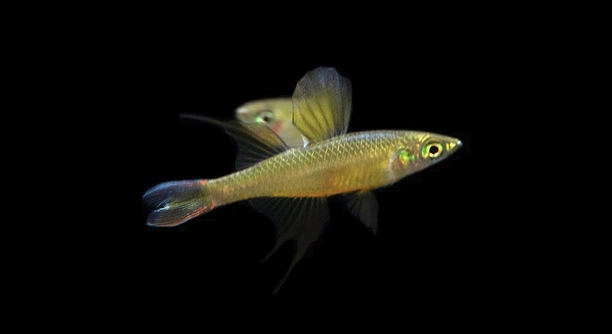
Keeping threadfins calm during tank cleaning can feel challenging, especially when these delicate fish react quickly to movement. Understanding their behavior and creating a gentle routine can make the process smoother and less stressful for them.
To maintain calm threadfins, it is essential to prepare the tank environment and handle fish with minimal disturbance. Gradual water changes, soft lighting, slow movements, and temporary hiding spots help reduce stress responses, ensuring the fish remain healthy and comfortable throughout cleaning.
Following these methods will help create a calmer atmosphere, allowing your threadfins to stay relaxed and safe during each maintenance session.
Prepare the Tank Before Cleaning
Before beginning, I make sure the tank is set up to minimize stress for the threadfins. I remove decorations that could get in the way and set aside a temporary container for the fish if needed. Soft lighting helps prevent sudden movements from startling them. Slowly removing water in small amounts rather than a full drain keeps the environment stable. I also check the water temperature and quality to ensure no sudden changes occur. Having all cleaning tools ready reduces the time spent near the tank, which keeps the fish calmer. I avoid tapping on the glass or making loud noises. This preparation makes the cleaning process smoother and safer. By reducing environmental changes, threadfins feel secure, and I can maintain the tank efficiently without causing unnecessary stress to them.
Small adjustments in preparation can have a big effect on keeping the fish relaxed.
Consistently preparing the tank in advance ensures the fish remain comfortable. Over time, they become familiar with the routine, which lowers stress levels. I noticed that threadfins swim calmly around me when water changes happen gradually, and they use hiding spots when feeling uneasy. This makes cleaning less chaotic and more controlled.
Use Gentle Movements During Cleaning
I keep my hands slow and deliberate to avoid sudden motions that could alarm threadfins.
Making movements slow and predictable helps fish understand no immediate threat is present.
During cleaning, I move tools and containers gradually. Rushing can trigger darting or hiding behavior. I also avoid reaching into the tank abruptly. Using long-handled equipment allows me to maintain a distance while performing tasks. When handling decorations or plants, I lift them slowly and place them carefully. Small splashes are minimized to prevent startling the fish. I notice that threadfins respond positively to a calm presence, swimming normally rather than scattering. If a fish seems tense, I pause and let it settle before continuing. By treating every action as intentional and gentle, I can maintain the tank without causing unnecessary stress or injury. Maintaining this calm approach creates a safer and more predictable environment for the threadfins, which improves their overall comfort during routine care.
Provide Hiding Spots
Threadfins feel safer when they have places to hide during cleaning.
I place small plants and decorations strategically so fish can retreat when stressed. Even simple PVC pipes or ornaments give them a sense of security. When water is moved or tools enter the tank, they can use these spots to stay calm. Temporary shelters near the edges of the tank work best, as threadfins prefer low-traffic areas. Over time, I noticed they rely on these hiding spots naturally whenever the tank is disturbed.
Hiding spots reduce visible stress behaviors like rapid swimming or darting. I often arrange dense foliage near corners and behind decorations. This allows threadfins to maintain comfort without constant interference. Some artificial plants are easy to clean separately, so I don’t have to disturb the fish while removing debris. The combination of permanent and temporary shelters ensures threadfins feel protected, even during more intensive cleaning sessions. It’s a small adjustment that significantly improves their overall well-being.
Temporary shelters also help during water changes. If I notice a threadfin seems nervous, I gently guide it toward a covered area. I avoid forcing it, letting the fish choose. They naturally use these spots to rest until movement slows. Over time, they learn which areas are safest. Observing their behavior, I adjust hiding spots for better coverage. Dense plants or ornaments near the substrate are particularly effective. Even small caves or decorative tubes give enough security. Consistently offering these safe areas reduces panic responses and makes cleaning a calmer process for both the fish and me.
Maintain Consistent Water Parameters
Sudden changes in temperature or chemistry can stress threadfins, so I monitor water closely.
I regularly check temperature, pH, and ammonia levels before and after cleaning. Using a thermometer and test kits helps me detect fluctuations early. Gradual water changes prevent abrupt shifts that could alarm the fish. I also match new water to existing conditions as closely as possible. Consistency in filtration and aeration ensures oxygen levels remain stable.
Keeping water parameters stable is crucial for minimizing stress during cleaning. I avoid replacing too much water at once and always prepare conditioned water in advance. Small, frequent changes prevent large swings in pH or temperature. Threadfins are sensitive, and even minor differences can trigger erratic behavior. By monitoring salinity and hardness, I maintain optimal conditions. I also rinse equipment with tank water instead of tap water to prevent introducing chemicals. The more consistent the environment, the calmer the fish remain. Observing their reactions helps me fine-tune cleaning habits. Stable water conditions provide a secure atmosphere, allowing threadfins to remain relaxed and healthy throughout each maintenance session.
Limit Direct Handling
I avoid touching threadfins unless absolutely necessary.
Minimizing contact prevents stress and potential injury. Tools like nets or containers help move fish safely if needed, but I try to let them remain in the water during cleaning as much as possible.
Clean in Small Sections
Cleaning the tank in smaller sections reduces disruption for threadfins. I remove debris gradually, focusing on one area at a time. This prevents sudden changes in water clarity and keeps the fish from becoming startled. Small, controlled movements maintain a calmer environment and allow me to monitor their reactions closely.
Reduce Noise
I keep ambient noise low during cleaning. Threadfins respond to vibrations and loud sounds, which can cause panic.
Use Soft Lighting
Soft lighting helps threadfins remain relaxed. Bright or sudden lights can trigger darting behavior, so I rely on dim or filtered lighting during maintenance. This makes the cleaning process less stressful and keeps the fish calm.
FAQ
How often should I clean my threadfin tank?
I clean my tank in small, regular intervals rather than doing large, infrequent cleanings. Partial water changes weekly help maintain stable water conditions and remove debris without causing stress. Over time, threadfins adjust to this routine, staying calmer during maintenance.
Can I move threadfins to a separate container during cleaning?
Yes, but only if necessary. I use a container filled with tank water to minimize stress. Moving fish unnecessarily can cause panic, so I try to clean around them when possible. Gentle handling and matching water parameters are essential if relocation is needed.
What type of hiding spots work best?
Dense plants, PVC tubes, and small ornaments are ideal. I place them near tank edges and corners where threadfins feel safest. Temporary shelters work well during water changes, and permanent decorations provide ongoing security. Observing fish behavior helps me adjust placement over time.
How can I reduce stress during water changes?
I always match the new water’s temperature, pH, and hardness to the tank. Gradual water changes, typically 10–20% at a time, prevent sudden shifts. Using a siphon slowly and avoiding splashing keeps threadfins calm, while consistent filtration maintains oxygen levels.
Is lighting important during cleaning?
Yes, I dim the lights or use soft, indirect lighting. Bright or flickering lights can startle threadfins, causing erratic swimming. Keeping lighting gentle helps them feel secure and reduces the risk of injury during maintenance.
What cleaning tools are safest for threadfins?
Soft brushes, siphons, and nets designed for delicate fish are best. I avoid harsh scrubbing or metal tools inside the tank. Smooth movements with these tools prevent accidental harm and reduce stress responses from sudden disturbances.
Should I handle decorations and plants separately?
Yes, I remove decorations and plants carefully to clean them outside the tank. Rinsing them in tank water rather than tap water prevents chemical exposure. Handling items slowly ensures threadfins remain undisturbed during cleaning.
How do I know if my threadfins are stressed?
Rapid swimming, hiding constantly, or staying at the bottom of the tank are signs. I pause cleaning when I see these behaviors and give fish time to settle. Stress can also be subtle, so regular observation is important to catch issues early.
Can I train threadfins to tolerate cleaning?
Over time, yes. Consistent routines, gentle movements, and predictable handling make threadfins more comfortable. I’ve noticed they swim calmly during partial water changes when these methods are applied regularly. Patience and observation are key.
What’s the best approach for partial vs. full water changes?
Partial water changes are preferable for stress reduction. I typically change 10–20% weekly rather than doing a full tank drain. This maintains water parameters and prevents sudden disturbances, keeping threadfins relaxed and the tank ecosystem balanced.
How do I clean without disturbing substrate too much?
I use a siphon carefully, removing debris from one small section at a time. Avoiding large movements in the substrate prevents stirring up particles and keeps threadfins calm. Gradual cleaning ensures minimal disruption to their environment and routine.
Are there signs that my threadfins are too stressed to continue cleaning?
Yes. If they dart excessively, stay hidden for long periods, or show erratic swimming, I stop cleaning temporarily. I let them settle before continuing. Recognizing these signs early prevents injury and supports long-term health.
Can I combine multiple cleaning tasks at once?
I try to separate tasks. Doing too many things simultaneously increases stress. Cleaning in stages—substrate, decorations, water changes—keeps movements predictable. Threadfins respond better when tasks are sequential and calm, reducing overall tension in the tank environment.
How do I balance cleanliness and fish comfort?
Maintaining partial water changes, soft lighting, gentle movements, and hiding spots allows me to keep the tank clean without causing excessive stress. Observation and routine adjustments help maintain a balance, ensuring both a healthy environment and calm threadfins.
Final Thoughts
Keeping threadfins calm during tank cleaning requires careful attention and consistent effort. I have found that small adjustments make a significant difference in their behavior. By preparing the tank in advance, providing hiding spots, and maintaining stable water parameters, the fish remain less stressed throughout the process. Simple actions like gentle movements, soft lighting, and minimizing noise contribute to a calmer environment. Threadfins are sensitive, and even minor disturbances can trigger darting or hiding, so creating a predictable routine is key. Over time, these measures not only improve their immediate comfort but also support long-term health.
Observing the fish during cleaning helps me understand their preferences and reactions. I noticed that threadfins respond positively when they have areas to retreat to, such as plants, tubes, or ornaments. Temporary shelters are especially helpful during partial water changes, allowing them to feel secure while I work. Handling tools carefully and avoiding sudden movements reduces panic and keeps water conditions stable. Even small behaviors, like pausing to let a fish settle, have an impact on stress levels. Maintaining consistency in lighting, water quality, and cleaning routines allows threadfins to adapt, making future maintenance smoother and more controlled.
Patience and planning are essential for keeping threadfins calm. Gradual water changes, monitoring temperature and pH, and cleaning in sections prevent sudden disruptions that could alarm the fish. I try to perform all tasks slowly and deliberately, ensuring each action is intentional and gentle. This approach allows threadfins to stay relaxed while the tank remains clean and healthy. Over time, following these practices makes maintenance less stressful for both the fish and me. By respecting their needs and creating a calm environment, I ensure the fish thrive and enjoy a safe, stable habitat during each cleaning session.

Hello,
If you enjoy the content that we create, please consider saying a "Thank You!" by leaving a tip.
Every little bit helps us continue crafting quality advice that supports the health, happiness, and well-being of pets around the world, for pets of all shapes, sizes, and species.
We really appreciate the kindness and support that you show us!