
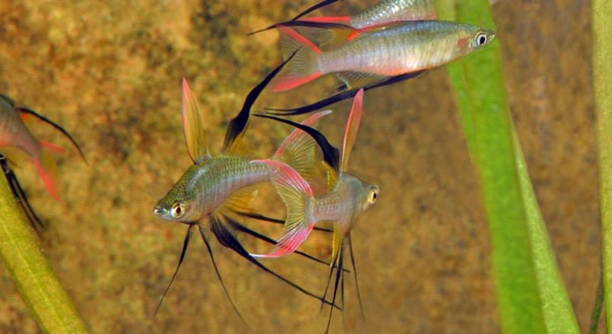
Threadfins are known for their sleek, silvery bodies and distinctive behavior near riverbeds. Observing them flashing their sides against gravel is a common sight for anglers and nature enthusiasts alike. This action often draws attention to their unique habits.
Threadfins may flash their sides near gravel primarily as a territorial or mating signal. This behavior communicates presence to other fish, deters competitors, and may also serve to attract potential mates, indicating health and strength in their natural environment.
Understanding these flashing behaviors provides insight into their ecology and interactions. Observing such patterns can enhance knowledge of threadfin habits and their role in freshwater ecosystems.
Observing Threadfins Near Gravel
Watching threadfins flash their sides near gravel is more common than many realize. These flashes are often subtle but frequent, catching the eye as they skim along riverbeds. I’ve spent hours quietly observing them, noting how the light plays across their silvery bodies when they move. Their flashes are not random; they often coincide with moments of territorial display or feeding activity. When threadfins approach gravel, they seem to position themselves carefully, using the texture and color of the substrate to make their flashes more visible. This can signal dominance to other fish nearby, marking space that they intend to defend. It may also alert others that food or shelter is present in that area. Over time, it becomes clear that these movements are deliberate and patterned, not merely accidental. Recognizing these behaviors adds a subtle layer of understanding to river ecology.
The flashes are brief but consistent. Observing them regularly reveals patterns in behavior and interaction that might otherwise be overlooked.
Regular observation helps track their movements and responses to changes in the environment. Noticing these patterns can improve understanding of their interactions and provide clues to broader aquatic behavior.
Reasons Behind the Side Flashes
Flashing the sides near gravel is primarily a communication tactic. It can indicate territorial claims, readiness to mate, or alertness to nearby threats.
These flashes serve multiple purposes, combining survival and social signaling. Threadfins display their sides to assert presence, ward off intruders, and attract mates. The intensity and frequency of flashes can vary with the individual’s age, health, and environmental conditions. During spawning seasons, flashes are more frequent, suggesting a link to reproductive signaling. Juvenile threadfins may mimic this behavior, learning from older fish how to navigate territory and social dynamics. The surrounding gravel enhances visibility, reflecting light and making the display more noticeable. This behavior also aligns with feeding, as threadfins often forage near gravel for insects and small invertebrates, combining alertness with opportunity. By observing these flashes carefully, one can see how these fish balance communication, survival, and feeding in a single coordinated action, reflecting the subtle complexity of their natural habitat.
Impact of Gravel Texture
The type of gravel can affect how threadfins display their sides. Coarser gravel often produces more noticeable flashes, while finer gravel may blend their movement into the surroundings.
Different gravel textures change how light reflects off the water and fish. Coarse, angular stones create contrasting backgrounds that make the silvery sides of threadfins stand out more clearly. Fish seem to prefer areas where their flashes are most visible, whether to signal dominance or attract mates. Over time, patterns emerge showing that they select specific patches with optimal visibility. Observing these preferences provides insight into their behavioral strategies. Gravel acts as both a stage and a camouflage, balancing exposure and concealment.
Flashing near gravel also relates to feeding efficiency. Threadfins stir the substrate slightly, uncovering small invertebrates while displaying. The combined behavior maximizes their chances of success in both communication and sustenance.
Seasonal Changes in Flashing
Flashing frequency can shift with seasonal changes in water temperature and daylight. Cooler months often reduce activity levels, while warmer periods see more frequent displays.
During breeding seasons, flashes increase, coinciding with the presence of more fish in the area. The length of daylight also influences behavior; longer days provide extended opportunities for signaling. In cooler seasons, threadfins may focus more on feeding than signaling, conserving energy. Seasonal vegetation growth can also alter visibility, changing where fish choose to flash. Tracking these changes reveals a strong link between environmental conditions and communication behavior. Understanding seasonal patterns helps predict when flashes are most likely to occur and the contexts in which they serve social, reproductive, or survival purposes.
Predators and Flashing
Flashing near gravel can make threadfins more visible to predators. They balance signaling with caution to avoid attracting unwanted attention.
Some predators watch for flashes as a hunting cue. Threadfins often limit their movements or choose safer spots to minimize risk while still communicating effectively with other fish.
Social Interaction Patterns
Threadfins use flashes to establish social hierarchies within groups. Dominant fish tend to flash more prominently, while younger or subordinate fish show shorter, less frequent displays. These signals reduce physical conflicts by clearly indicating status, helping maintain balance within schools and minimizing aggressive encounters.
Feeding Behavior
Flashing near gravel often coincides with foraging. The movements stir small insects and invertebrates hiding in the substrate, allowing threadfins to feed efficiently while remaining alert.
FAQ
Why do threadfins flash their sides near gravel?
Threadfins flash their sides near gravel mainly for communication and survival. The flashes can signal dominance, mark territory, or attract mates. Gravel provides a reflective surface that makes these signals more visible. Additionally, the movement can help them stir up small invertebrates for feeding, combining signaling with practical benefits.
Do all threadfins flash equally?
No, the intensity and frequency of flashing vary by age, health, and social status. Dominant and healthy adults tend to flash more often, while younger or weaker fish display less. Environmental conditions such as water clarity, gravel type, and light also influence how visible and frequent their flashes are.
Is flashing dangerous for threadfins?
Flashing carries some risk because it can attract predators. Fish balance visibility with safety by choosing areas where they can signal without fully exposing themselves. Often, they pick gravel patches that provide both contrast for signaling and some cover to hide if a predator approaches.
Does the type of gravel matter?
Yes, gravel texture and color influence visibility. Coarser gravel produces more contrast, enhancing the visibility of flashes. Fine or light-colored gravel may blend with the fish’s silvery sides, reducing the effectiveness of the display. Threadfins appear to prefer spots that maximize both communication and concealment.
How does season affect flashing behavior?
Flashing changes with seasonal patterns. Warmer months see more frequent flashes due to higher activity levels and breeding behaviors. Cooler months reduce overall movement, and flashes are often shorter. Daylight length also matters, with longer days providing extended periods for communication and social interaction.
Do threadfins flash more in groups or alone?
Threadfins often flash more when in groups because social signaling is more relevant. Dominant fish in schools use flashing to assert status, while subordinate fish display shorter, less frequent flashes. Alone, flashes may still occur but are primarily linked to feeding or territorial marking.
Are there signs that indicate a flash is for mating?
Mating flashes tend to be more frequent and pronounced. They often occur during breeding seasons and in areas with higher fish density. Fish may combine flashing with other behaviors, such as circling or vibrating fins, to increase visibility to potential mates.
Can humans influence flashing behavior?
Yes, environmental changes caused by humans can impact flashing. Pollution, water turbidity, and altered gravel or substrate can reduce visibility or disrupt natural patterns. Observing fish in cleaner, undisturbed waters provides a clearer picture of natural flashing behavior.
Is flashing linked to feeding efficiency?
Flashing often coincides with foraging. Movements near gravel stir up small insects and invertebrates, making them easier to capture. This dual purpose allows threadfins to communicate socially while remaining efficient in feeding, demonstrating an adaptive behavior that balances multiple needs simultaneously.
How long do flashes typically last?
Flashes are usually brief, lasting a few seconds. However, patterns repeat over time. Dominant or healthy fish may flash more often and for longer periods, while younger or weaker fish show shorter, intermittent flashes. Observing these patterns provides insight into individual fitness and social status within a group.
Do predators respond to flashes?
Yes, some predators use flashes to locate prey. Threadfins manage this risk by choosing gravel areas that provide contrast for signaling while still offering escape routes. They balance visibility for communication with safety, showing a strategic approach to survival in their habitat.
Can flashing indicate stress or danger?
Occasionally, flashes increase when a threadfin senses nearby threats. Rapid, frequent flashes may signal alarm to other fish or serve as a warning. Stressful conditions like sudden water disturbances can also trigger more pronounced movements.
Are there differences between male and female flashing?
Males generally flash more prominently during breeding seasons to attract mates and assert dominance. Females may flash less or use subtler patterns, focusing more on feeding and protective behaviors. Observing both sexes helps understand the full spectrum of flashing purposes in social and reproductive contexts.
Does water clarity affect visibility?
Absolutely. Clear water enhances the effectiveness of flashes, making them easier for other fish to see. Murky or turbid water reduces visibility, often resulting in shorter or more cautious flashes. Threadfins adjust their behavior according to water conditions to maintain communication and safety.
Can flashing behavior be used to monitor population health?
Yes, observing flashes provides clues about population dynamics. Healthy, active fish will flash regularly, while reduced or erratic flashing may indicate stress, disease, or environmental degradation. Monitoring these behaviors can offer insights into overall ecosystem health.
How do juvenile threadfins learn to flash?
Juveniles observe adults and gradually mimic their flashing patterns. This learning process helps them integrate into social hierarchies and understand territorial or mating signals. Early exposure to proper flashing behaviors increases their chances of survival and reproductive success later.
Do flashes serve multiple purposes simultaneously?
Yes, flashing can signal social status, attract mates, and aid feeding all at once. The dual or even triple purpose of flashing demonstrates an adaptive behavior that maximizes efficiency in survival, communication, and reproduction.
Is flashing behavior consistent across different habitats?
Patterns are broadly consistent but can vary with habitat features. Gravel type, water clarity, and predator presence influence how, when, and how often threadfins flash. Observing them across diverse environments highlights both universal behaviors and habitat-specific adaptations.
Can humans use flashes to locate threadfins?
Yes, careful observation of flashes can help locate fish, especially near gravel patches. Knowing typical patterns and times of day improves chances of spotting them, useful for both research and responsible observation of natural behaviors.
How can observing flashes improve understanding of threadfin ecology?
Studying flashing behavior reveals social structures, feeding strategies, reproductive cycles, and responses to environmental changes. Tracking these patterns over time provides insight into how threadfins interact with each other and their habitat, offering a window into freshwater ecosystem dynamics.
Final Thoughts
Threadfins flashing their sides near gravel is a behavior that combines survival, communication, and efficiency. Observing these flashes reveals how fish use visual signals to interact with their environment. The flashes are not random movements; they serve specific purposes that vary depending on the fish’s age, health, and social status. Dominant adults tend to display longer and more frequent flashes, while juveniles and weaker individuals flash less often. These patterns help maintain social hierarchies within groups, reducing conflict and establishing clear roles. The gravel itself plays an important part, providing a reflective surface that makes the flashes more noticeable to other fish. Coarse gravel tends to enhance visibility, whereas finer gravel can hide movements, affecting how signals are received. Understanding this interaction between behavior and habitat highlights the subtle ways threadfins adapt to their surroundings while balancing communication with safety.
Seasonal changes also influence flashing behavior. During warmer months, when water temperature rises and daylight extends, threadfins are generally more active. Flashes become more frequent, often coinciding with breeding periods when social and reproductive signaling is at its peak. Cooler months bring reduced activity, and flashes are shorter or less frequent as fish conserve energy and focus more on feeding. Environmental factors, such as water clarity, vegetation, and predator presence, also play a role. Clear water allows flashes to be more visible, while murky conditions reduce their effectiveness. Threadfins adjust their behavior depending on these conditions, showing a high degree of adaptability. Observing these seasonal and environmental patterns provides insight into their ecological needs and helps explain why certain patches of gravel or stretches of water are favored. This adaptability illustrates how threadfins integrate multiple aspects of survival and social interaction in a single behavioral pattern.
Flashing near gravel also ties closely to feeding behavior. By moving along the substrate, threadfins stir up small insects and invertebrates hiding among the stones. This dual purpose—feeding while signaling—demonstrates how efficient their behavior can be. Flashes serve as both social communication and a practical tool for locating food. Predators influence this behavior as well, making threadfins balance visibility with caution. They select areas where flashes are noticeable to other fish but not overly risky. Monitoring these patterns over time can reveal much about the fish’s health, stress levels, and overall behavior. By understanding these dynamics, observers can appreciate not just the beauty of the flashes, but the strategic thinking behind them. The behavior of threadfins near gravel is a small but revealing part of their ecology, showing how a simple action can carry multiple purposes and contribute to survival, social interaction, and reproduction.

Hello,
If you enjoy the content that we create, please consider saying a "Thank You!" by leaving a tip.
Every little bit helps us continue crafting quality advice that supports the health, happiness, and well-being of pets around the world, for pets of all shapes, sizes, and species.
We really appreciate the kindness and support that you show us!