
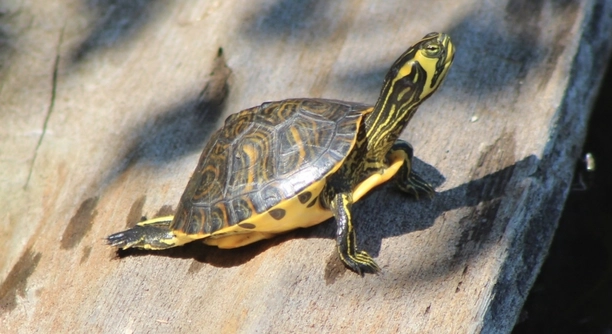
Yellow-bellied sliders are fascinating reptiles known for their distinctive appearance and unique behavior. When it comes to mating, their actions become especially interesting. Recognizing mating behavior in these turtles is important for understanding their natural instincts and needs.
Mating behavior in yellow-bellied sliders can be identified through specific movements and displays. Males often court females by performing a “feathering” gesture, where they rapidly extend their front claws towards the female’s face, trying to get her attention.
Learning more about these behaviors helps to ensure that your turtles are healthy and thriving in their environment.
Understanding the Mating Rituals of Yellow-Bellied Sliders
Yellow-bellied sliders are known for their unique mating behavior, which involves specific actions that both males and females perform. The males tend to display courtship behavior, which starts with them swimming in circles around the female. They use their long claws to gently stroke the female’s face in a motion called “feathering.” This gesture is meant to get the female’s attention and show that the male is ready to mate. During this display, the male may swim in close proximity to the female while repeatedly waving his claws in front of her. The female often responds by swimming away or allowing the male to approach. The entire process can take some time, as the male needs to gain the female’s approval.
Understanding these behaviors is essential for anyone caring for yellow-bellied sliders, as it ensures that they are experiencing their natural mating processes.
Recognizing mating behaviors helps improve the conditions in which these turtles live. Observing their actions closely makes it easier to identify when a mating pair is ready to reproduce and how you can provide a suitable environment for them.
The Role of Temperature in Mating
Temperature plays a significant role in the mating behavior of yellow-bellied sliders. Warmer temperatures are known to trigger the start of mating season. If the water temperature is too low, the turtles may not exhibit these behaviors. Similarly, environmental factors such as light and humidity also affect their reproductive cycles.
For optimal mating, the water temperature should be between 75 and 80 degrees Fahrenheit. At these temperatures, the male will likely be more active, attempting to court the female. Turtles may also become more aggressive as they compete for the female’s attention. These natural processes can be observed with proper care, ensuring that your turtles have the right conditions to mate successfully.
Observing the Male’s Courtship Display
The male yellow-bellied slider’s courtship begins with an attention-grabbing display. He swims around the female, using his front claws in a repetitive, gentle motion towards her face. This gesture, called “feathering,” is designed to get her attention. It’s common for the male to perform this behavior for several minutes or even longer.
During this time, the male will maintain a steady rhythm with his claws, moving closer to the female. His movements are intentional, as he tries to demonstrate his fitness and readiness to mate. This courtship is essential for establishing the male’s dominance and winning the female’s approval. The female may respond by either swimming away or accepting the male’s advances. If she shows no interest, the male will likely continue trying until he succeeds or gives up. Observing these interactions closely can help you understand their mating habits better.
Female’s Response to Mating Advances
The female yellow-bellied slider’s response to mating advances is often subtle but crucial. She may swim away when approached by the male, signaling disinterest. However, if she’s receptive, she may allow the male to come closer. The female’s behavior is a key indicator of her readiness for mating.
Once the female is ready to mate, she may remain still or slowly swim toward the male. If both the male and female are in sync, the mating process can occur quickly. If the female does not show interest, the male will continue his attempts for some time. Recognizing the female’s actions is important for understanding the reproductive process in these turtles. By closely observing the female’s response, you can learn more about her mating behavior and when she’s most likely to accept a mate.
Signs of Successful Mating
Successful mating in yellow-bellied sliders is marked by a few key behaviors. After the male’s courtship display, if the female remains still or moves close to him, they may mate. The process usually occurs underwater, where the male climbs on top of the female.
Once the mating behavior is complete, the female will swim away to rest or search for a suitable location to lay her eggs. It’s important to remember that the female may mate with several males during the breeding season. If successful, she will start preparing to lay eggs soon after.
Egg-Laying Behavior
After mating, female yellow-bellied sliders begin the egg-laying process. They leave the water to find a suitable spot, often choosing a sunny area with loose, well-drained soil. This behavior usually happens within a few weeks after mating.
The female will dig a small hole using her back legs, where she will lay her eggs. After laying, she covers the hole with dirt and returns to the water. The egg-laying process is crucial for the development of healthy hatchlings. Environmental factors, like temperature and humidity, influence the hatching process.
Post-Mating Care for Female Turtles
Once mating is complete, female yellow-bellied sliders need a safe and quiet space for egg-laying. It’s important to monitor their environment and provide a nesting site with soft soil and enough warmth for the eggs to develop. Adequate care ensures that eggs have a better chance of hatching.
FAQ
How can I tell if my yellow-bellied slider is ready to mate?
Males typically begin their courtship behavior when they are around 3 to 4 years old, while females are usually ready at about 5 to 6 years. A male will start showing interest by swimming around the female and performing the “feathering” behavior, extending his claws toward her face. If she shows no interest or swims away, it could mean she’s not ready to mate. You may also notice the male trying to approach more aggressively if he senses she’s ready.
How long does the mating process last in yellow-bellied sliders?
The mating process can vary in duration, but once the male gains the female’s attention, it typically lasts only a few minutes. However, courtship can take longer as the male will often attempt to woo the female over a period of time. If both the male and female are willing, the actual mating can happen quickly.
Do yellow-bellied sliders mate for life?
No, yellow-bellied sliders do not mate for life. They typically engage in seasonal mating behaviors. A female may mate with multiple males during a breeding season. After mating, the female focuses on finding a suitable spot to lay eggs, and the males will move on to other potential mates.
How often do yellow-bellied sliders reproduce?
Yellow-bellied sliders typically breed once a year. The timing of their mating season depends on environmental factors like temperature and light. Once they reach maturity, they will begin to mate annually, usually in the spring or early summer when water temperatures rise. Female sliders may lay multiple clutches of eggs during a breeding season.
How can I create a good environment for my yellow-bellied sliders to mate?
Creating the right environment is essential for successful mating. Ensure the water temperature is between 75-80°F, which encourages activity. Make sure there are enough places for the male to court the female, such as rocks or logs. Provide clean, fresh water and a basking area for them to rest. Adding proper lighting is also important for setting the right mood for breeding.
Do female yellow-bellied sliders always lay eggs after mating?
Yes, females will lay eggs after mating, but it can take some time. It typically occurs within a few weeks to a couple of months after mating. If the female has mated successfully, she will begin to look for a safe place to lay her eggs, usually on land in soft soil. If she does not lay eggs, it may be due to an issue with the environment or health.
Can yellow-bellied sliders mate with other species of turtles?
While yellow-bellied sliders can sometimes mate with other closely related species, it’s not common. If they do, it usually results in infertile eggs or no eggs at all. The offspring, if they do hatch, might also face health issues due to hybridization. It’s generally recommended to house yellow-bellied sliders with others of the same species for successful reproduction.
What should I do if my yellow-bellied sliders aren’t mating?
If your turtles are not mating, check the environmental conditions first. Ensure the water temperature is appropriate and that the turtles have a suitable area for basking. Sometimes, it can take time for them to adjust or become interested in mating. You can try adding extra vegetation or hiding spots, which may create a more comfortable environment for them to interact. If the behavior continues, consider consulting a reptile vet to check for any health issues.
How can I tell if my female yellow-bellied slider is carrying eggs?
A female yellow-bellied slider that is carrying eggs may appear slightly swollen in the abdomen, as the eggs grow inside her. You might notice her becoming more restless or digging in the substrate, even before she starts looking for a nesting site. If you observe these signs, it’s time to provide a safe, quiet spot for her to lay her eggs.
What should I do if my yellow-bellied slider lays eggs in the wrong place?
If your yellow-bellied slider lays eggs in an area that is not suitable, carefully relocate them to a more appropriate nesting spot. Ideally, the area should be warm, dry, and soft, like a shallow sandy or dirt area. Be gentle when handling the eggs, as they are fragile. If you have an incubator, you can use it to regulate the temperature and humidity for the best chance of the eggs hatching.
How long does it take for yellow-bellied slider eggs to hatch?
Yellow-bellied slider eggs typically take 60 to 90 days to hatch, depending on the temperature and humidity levels. Warmer temperatures speed up the hatching process, while cooler ones may slow it down. It’s important to keep the eggs in a stable, warm environment to ensure proper development. If you’re using an incubator, the temperature should be around 80-85°F.
Can yellow-bellied sliders be bred in captivity?
Yes, yellow-bellied sliders can be bred in captivity if the proper conditions are met. You’ll need to provide a suitable environment with enough space, clean water, proper lighting, and temperature control. It’s important to mimic their natural habitat as closely as possible to encourage successful mating and egg-laying.
Final Thoughts
Understanding the mating behavior of yellow-bellied sliders is crucial for anyone looking to care for these turtles. By recognizing the signs of courtship, such as the male’s feathering display and the female’s response, you can help ensure they are in a healthy and appropriate environment for breeding. Monitoring these behaviors also allows you to recognize when they are ready to mate and when they might be in need of assistance in terms of space or resources. Knowing what to expect from your turtles during the mating season will also help you prepare for egg-laying and provide a safe space for the female to nest.
While creating the right conditions for mating and egg-laying is key, it’s important to also monitor the turtles’ overall health. If the conditions are not right, the female might not lay eggs, or the eggs could fail to hatch. Temperature, humidity, and habitat play major roles in their reproductive success. Making sure the water is clean, the temperature is optimal, and the nesting area is secure are steps every turtle owner should take. If you notice any issues with mating or egg-laying, you may want to consult a reptile specialist or vet who can help ensure your turtles stay healthy.
Yellow-bellied sliders are fascinating creatures, and with the right care, they can thrive in captivity. By observing their natural behavior and adjusting their environment accordingly, you can support their mating habits and ensure that their reproductive cycle runs smoothly. While breeding in captivity might require extra attention, it’s a rewarding process that allows you to learn more about these turtles’ behaviors and their unique needs.

Hello,
If you enjoy the content that we create, please consider saying a "Thank You!" by leaving a tip.
Every little bit helps us continue crafting quality advice that supports the health, happiness, and well-being of pets around the world, for pets of all shapes, sizes, and species.
We really appreciate the kindness and support that you show us!