
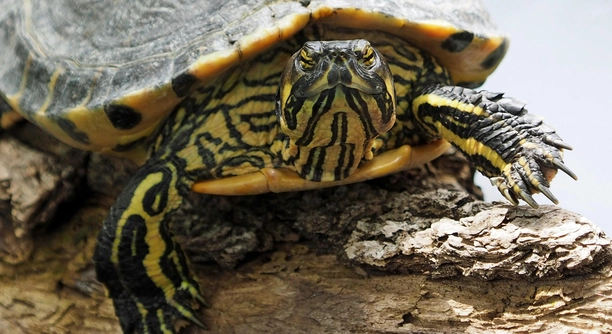
Do you ever find yourself wondering if yellow-bellied sliders can enjoy watermelon as part of their diet? These turtles have unique dietary needs, and it’s important to understand what treats are safe and beneficial for them.
Yellow-bellied sliders can eat watermelon in small amounts as an occasional treat. While watermelon is hydrating and low in calories, its high sugar content makes it unsuitable as a staple food. Ensure a balanced diet of greens and proteins for optimal health.
Understanding the benefits and potential risks of feeding watermelon to your yellow-bellied slider ensures their diet remains both enjoyable and nutritious.
Nutritional Value of Watermelon for Yellow-Bellied Sliders
Watermelon is a hydrating fruit, offering a high water content that can help keep your yellow-bellied slider refreshed. It also contains vitamins A and C, which contribute to overall health. However, watermelon is low in protein and essential nutrients that turtles need for growth and energy. This makes it unsuitable as a primary food source. Instead, think of watermelon as an occasional treat that adds variety to their diet without compromising their nutritional balance. Always serve watermelon in small, seedless portions to prevent choking hazards or digestion issues.
Treats like watermelon should only make up about 10% of your slider’s diet. Their main meals should include leafy greens, aquatic plants, and protein sources like insects or pellets. Providing a diverse diet ensures they receive all the nutrients they need.
Keep watermelon as a special treat to keep their meals exciting and balanced.
Risks of Feeding Too Much Watermelon
Overfeeding watermelon can lead to digestive upset for your turtle.
Excess sugar and lack of necessary nutrients in watermelon can cause health problems like obesity and malnutrition over time. Yellow-bellied sliders thrive on a diet rich in proteins and fibers, making it essential to offer watermelon sparingly. Stick to small portions to avoid these risks.
Turtles naturally rely on a mix of plant and protein sources for optimal health. Too much fruit can disrupt this balance, causing deficiencies in critical nutrients. Always ensure treats like watermelon are complementary to their main diet, rather than replacing essential foods. Observing moderation helps you maintain your yellow-bellied slider’s well-being.
How to Safely Prepare Watermelon for Yellow-Bellied Sliders
Cut the watermelon into small, bite-sized pieces to make it easy for your slider to eat. Remove all seeds and rind, as they can be choking hazards or difficult to digest.
Always wash the watermelon thoroughly to remove pesticides or chemicals that may harm your turtle. Stick to a portion size that matches the size of your slider’s head. Overfeeding can lead to an imbalance in their diet, so limit watermelon to a rare treat. Monitor their reaction after feeding to ensure there are no digestive issues.
Introduce watermelon gradually if it’s their first time trying it. Watch for signs of discomfort or unusual behavior. If they enjoy it without issues, you can occasionally incorporate it into their diet. Proper preparation ensures a safe and enjoyable treat for your turtle.
Alternatives to Watermelon for Turtles
Other fruits like blueberries, strawberries, or papaya can be suitable occasional treats for yellow-bellied sliders.
Vegetables such as dandelion greens, collard greens, and squash provide more nutrients and are safer for regular feeding. Aquatic plants like duckweed and water lettuce also mimic their natural diet, offering essential vitamins and minerals.
Including a variety of greens, proteins, and safe treats keeps your slider’s diet interesting while supporting their overall health. Moderation is key when adding any new food.
Signs Your Turtle Enjoys Watermelon
Watch for excitement when offering watermelon, such as active swimming or approaching the food quickly. These behaviors suggest they find it appealing.
If they consume the pieces eagerly without hesitation and show no signs of discomfort afterward, it’s a good indication they enjoy the treat.
When to Avoid Feeding Watermelon
Avoid offering watermelon if your turtle is experiencing digestive issues or has a history of dietary imbalances. The high sugar content may worsen these conditions and impact their health negatively. Stick to nutrient-rich greens and proteins during recovery to support their well-being.
Maintaining a Balanced Diet for Sliders
A mix of dark leafy greens, aquatic plants, and protein sources should be the foundation of their diet. Occasional fruits like watermelon should only complement this routine.
FAQ
Can yellow-bellied sliders eat watermelon seeds?
No, yellow-bellied sliders should not eat watermelon seeds. The seeds pose a choking hazard and can cause digestive blockages. Always remove all seeds before offering watermelon to your turtle to ensure their safety.
How often can I give watermelon to my slider?
Watermelon should only be given occasionally, such as once every few weeks. It’s high in sugar and lacks essential nutrients needed for their diet. Frequent feeding can disrupt their nutritional balance and lead to health issues over time.
What size portion of watermelon is safe for my turtle?
A piece of watermelon about the size of your turtle’s head is a safe portion. Smaller pieces are easier for them to eat and reduce the risk of choking. Avoid overfeeding to maintain a balanced diet.
Can baby yellow-bellied sliders eat watermelon?
It’s best to avoid feeding watermelon to baby sliders. Their diets require more protein for growth, and watermelon doesn’t provide the necessary nutrients. Stick to protein-rich foods and leafy greens for young turtles.
What are the risks of feeding too much watermelon?
Overfeeding watermelon can lead to obesity, malnutrition, and digestive issues due to its high sugar content. Excess fruit can also replace nutrient-dense foods in their diet, causing deficiencies that impact their overall health.
Can yellow-bellied sliders eat other fruits besides watermelon?
Yes, they can eat other fruits like strawberries, blueberries, and papaya in moderation. These fruits should only be occasional treats, with the primary diet consisting of greens, aquatic plants, and protein sources.
Should I feed my turtle organic watermelon?
Organic watermelon is a better choice if available, as it reduces the risk of exposing your turtle to harmful pesticides. Always wash the fruit thoroughly, whether organic or not, to remove any residue.
How do I know if my turtle is allergic to watermelon?
Signs of an allergic reaction may include lethargy, diarrhea, or refusal to eat. If you notice these symptoms after feeding watermelon, stop immediately and consult a veterinarian for advice.
Can I freeze watermelon for my turtle?
Freezing watermelon is possible, but the texture changes may make it less appealing to your turtle. Thaw the pieces completely before offering them to avoid digestive discomfort caused by cold food.
What should I do if my turtle chokes on watermelon?
If choking occurs, remain calm and carefully observe your turtle. If they continue to struggle, seek immediate assistance from a reptile veterinarian. Prevention is key, so always cut watermelon into small, manageable pieces.
Final Thoughts
Yellow-bellied sliders can enjoy watermelon as an occasional treat, adding variety to their diet while keeping them happy. However, it’s essential to prioritize their nutritional needs by ensuring watermelon is not a significant part of their feeding routine. A balanced diet of leafy greens, aquatic plants, and protein sources remains crucial for their health and development. By treating watermelon as a rare snack, you can offer your slider something special without compromising their overall well-being.
Proper preparation is key to making watermelon a safe treat. Always remove the seeds and rind, cut it into small, manageable pieces, and keep portions appropriate to your turtle’s size. This careful approach minimizes potential risks, like choking or digestive issues. Additionally, observe your slider’s reaction to watermelon and discontinue it if any negative symptoms, like discomfort or diarrhea, appear after feeding. This ensures they enjoy the treat without complications.
Maintaining a healthy balance in your slider’s diet is the best way to support their long-term well-being. Occasional fruits like watermelon can add enjoyment, but the focus should remain on nutrient-rich foods that meet their dietary needs. With careful planning and mindful feeding, you can provide your turtle with a varied and enjoyable diet that promotes a happy and healthy life.

Hello,
If you enjoy the content that we create, please consider saying a "Thank You!" by leaving a tip.
Every little bit helps us continue crafting quality advice that supports the health, happiness, and well-being of pets around the world, for pets of all shapes, sizes, and species.
We really appreciate the kindness and support that you show us!