
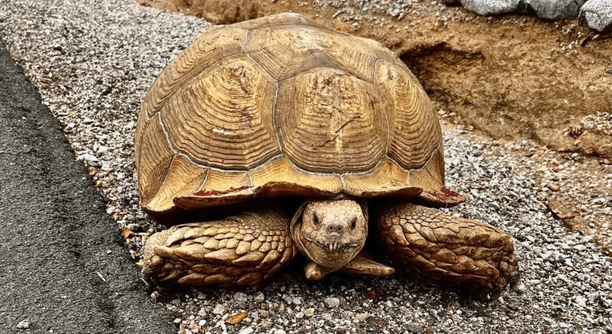
A sulcata tortoise is a large, fascinating reptile that can live indoors, but keeping them happy requires more than just a tank. These tortoises need enrichment to stay healthy and engaged in their environment, especially indoors.
Providing enrichment for a sulcata tortoise indoors involves creating an environment that mimics its natural habitat. This includes offering various substrates, hiding spots, climbing opportunities, and access to UVB light and heat. Regular, interactive activities are essential.
With the right steps, your sulcata tortoise can enjoy a comfortable and stimulating indoor life. The following tips will guide you in setting up the perfect space to keep your tortoise active and happy.
Creating the Right Habitat for Your Sulcata Tortoise
To provide enrichment, start with setting up the right habitat for your sulcata tortoise. A spacious enclosure is a must, as these tortoises can grow quite large. You’ll need to make sure the area is safe and comfortable, with access to proper lighting, warmth, and ventilation. The flooring should consist of a variety of substrates like grass, soil, and sand. This will mimic the tortoise’s natural environment and allow for digging and burrowing.
The enclosure should be large enough to accommodate movement and exploration. Try to add some elements like rocks or logs for climbing, which will stimulate their natural instincts. Regular cleaning is essential to maintain a healthy space for your tortoise, and temperature control should be consistent to meet their needs. Sulcata tortoises thrive in temperatures between 80 to 90°F during the day, with a drop to around 70°F at night.
Make sure to include places for your tortoise to hide. A small hide box or other structures will give them a sense of security. This will help reduce stress and make them feel comfortable while navigating their space.
Providing Mental Stimulation
Adding objects that require problem-solving or curiosity will keep your sulcata tortoise mentally engaged. Items such as food puzzles or even hiding vegetables under rocks can help with this.
You can also use a shallow water dish to encourage foraging behaviors. Changing the placement of objects in the enclosure regularly will keep your tortoise active and engaged in searching for new things. This also helps replicate the variety and challenge they would experience in the wild. For example, scattering food in different corners encourages them to explore and seek out their meals. Offering different textures and surfaces in their space can also provide mental stimulation by encouraging them to climb or dig. This allows them to act on natural behaviors, improving both physical and mental health.
Taking the time to regularly change the setup and introduce new items will enhance their indoor life. These changes should be simple but effective, focusing on creating a more natural, varied environment.
Encouraging Natural Behaviors
Letting your sulcata tortoise dig and forage indoors helps keep them active and engaged. Providing different textures, like loose soil or hay, gives them a chance to dig. Scatter food around the enclosure to encourage natural foraging behaviors and keep them mentally stimulated.
A digging box filled with a safe substrate allows your tortoise to burrow and explore. Placing edible plants or hay inside gives them something to search for while mimicking their natural environment. Avoid smooth surfaces, as they can make movement difficult. Instead, use rougher materials like stones or textured mats to add variety. Changing their setup occasionally prevents boredom.
Food-based enrichment is another great way to keep your tortoise busy. Hiding leafy greens under logs or placing food at different levels encourages them to explore and work for their meals. This keeps them engaged while promoting healthy activity levels indoors.
Interactive Activities
Letting your tortoise explore outside of their enclosure under supervision adds variety to their day. A safe, enclosed area in a room allows them to walk around, investigate new surfaces, and interact with different objects. This helps prevent boredom and supports their overall well-being.
Toys and simple objects can be introduced to encourage movement. Pushing around a ball, climbing over low obstacles, or exploring cardboard tunnels provides extra activity. These small additions can make a big difference in keeping them engaged. Rotating objects regularly prevents them from losing interest. Providing a range of interactive experiences helps support their mental and physical health.
Safe Chewing Options
Sulcata tortoises enjoy chewing, and providing safe options prevents them from biting unsuitable objects. Offer pesticide-free hay, dandelion greens, or fibrous plants to satisfy this instinct. Avoid plastic or chemically treated wood, as these can be harmful if ingested.
Rotating chewable items keeps things interesting. Tough, edible plants like hibiscus leaves or cactus pads provide variety while supporting digestion. Hard vegetables like squash or pumpkin can also be included as occasional treats to encourage natural chewing behaviors.
Importance of UVB Lighting
UVB lighting is essential for a sulcata tortoise’s health. Without it, they cannot properly absorb calcium, leading to shell deformities and weak bones. A high-quality UVB bulb should be placed within their enclosure, covering most of their space. Positioning it correctly ensures they receive enough exposure throughout the day.
Keeping the Environment Engaging
Regularly changing the layout of their space keeps your tortoise interested. Moving logs, hiding food in new places, or introducing fresh textures prevents boredom. Small adjustments can make a big difference in keeping them mentally and physically active.
FAQ
How much space does a sulcata tortoise need indoors?
A sulcata tortoise needs a large indoor space to move freely. Hatchlings can start in a 4×2 foot enclosure, but as they grow, they will require a much bigger area. Adults need at least a 10×10 foot space, but more room is always better. If possible, provide a dedicated tortoise-proofed room.
What are the best substrates for an indoor sulcata tortoise?
A mix of natural substrates helps replicate their outdoor environment. Good options include cypress mulch, soil, hay, and sand mixtures. Avoid overly dry or dusty materials, as they can cause respiratory issues. The substrate should be deep enough for digging, at least a few inches, to allow natural burrowing behaviors.
How can I provide exercise for my sulcata tortoise indoors?
Encourage movement by adding obstacles like logs, small ramps, or different textured surfaces. Allow them to explore outside of their enclosure in a safe, enclosed space. Placing food in different locations also encourages walking and natural foraging behaviors. Regular supervised exploration time outside the enclosure is beneficial.
Can sulcata tortoises recognize their owners?
Sulcata tortoises may not recognize their owners the way a dog or cat would, but they do become familiar with people who care for them. They may approach when they see you, especially if they associate you with food. Over time, they can show signs of trust and comfort around familiar humans.
What are good enrichment toys for a sulcata tortoise?
Simple objects like cardboard boxes, logs, and rocks provide mental and physical stimulation. Pushing around a ball or exploring a small tunnel can also be engaging. Safe chewable plants and food puzzles, like hiding greens under objects, encourage problem-solving and natural foraging behaviors.
How often should I change my tortoise’s enclosure setup?
Changing the setup every few weeks keeps things interesting. Rotating logs, moving hiding spots, or rearranging climbing areas prevents boredom. Small adjustments, like shifting food locations, also help maintain curiosity and encourage exploration. Too many changes at once can cause stress, so introduce adjustments gradually.
What is the best diet for an indoor sulcata tortoise?
A diet high in fiber and low in protein is best. Offer grasses, hay, and leafy greens like dandelion, collard, and mustard greens. Avoid high-sugar fruits and vegetables. Occasional treats like pumpkin or squash can be given, but the majority of their diet should come from fibrous plants.
How do I know if my sulcata tortoise is bored?
Signs of boredom include pacing, excessive digging, or lack of interest in food. A tortoise that repeatedly attempts to escape its enclosure may need more stimulation. Providing a variety of textures, hiding spots, and interactive food activities can help keep them engaged and active.
How long should a sulcata tortoise be exposed to UVB indoors?
Sulcata tortoises need 10-12 hours of UVB exposure per day. Use a high-quality UVB bulb and replace it every six months, as effectiveness decreases over time. Ensure the bulb is placed at the correct distance from the basking area to provide proper UV exposure.
Can I take my sulcata tortoise outside for enrichment?
If the weather is warm and safe, outdoor time is beneficial. A secure, enclosed area with access to natural sunlight allows them to graze and explore. Always supervise them outdoors, as they are strong diggers and may attempt to escape. Avoid areas treated with pesticides or chemicals.
How do I make my indoor space safe for my tortoise?
Remove any small objects they might eat, secure electrical cords, and block off dangerous areas. Ensure the flooring provides good traction, as slippery surfaces can cause injuries. If allowing free roaming, supervise closely and keep them away from furniture they might try to climb.
What temperature should an indoor sulcata tortoise enclosure be?
Daytime temperatures should be between 80-90°F, with a basking spot around 100°F. At night, temperatures can drop to 70°F but should not go lower. A combination of heat lamps and ceramic heat emitters helps maintain the proper temperature range throughout the day and night.
Can sulcata tortoises live with other pets indoors?
It is not recommended to house them with other pets. Dogs and cats may see the tortoise as a toy or threat, leading to injury. Even if other pets are calm, stress can still occur. Keep them in a secure enclosure away from other household animals for safety.
Final Thoughts
Providing enrichment for a sulcata tortoise indoors takes planning, but it is essential for their health and happiness. A well-designed space with natural textures, climbing opportunities, and safe chewing materials helps mimic their natural environment. Mental stimulation is just as important as physical activity. Small changes, like rearranging their enclosure or hiding food, keep them engaged. Offering different surfaces to walk on, such as grass mats or rocks, prevents boredom and encourages movement. Regular interaction, supervised exploration, and safe enrichment activities help your tortoise stay active and healthy indoors.
A proper diet, UVB lighting, and temperature control are also necessary for their well-being. Without these, they can develop health issues such as metabolic bone disease or shell deformities. Ensuring they get enough fiber, calcium, and hydration keeps their digestion working properly. Fresh water should always be available, and their enclosure should be cleaned regularly to prevent bacteria buildup. A varied diet that includes grasses, hay, and leafy greens will support their growth and overall health. Regular vet checkups can also help catch any potential health concerns early, making sure they live a long and happy life.
Every tortoise has its own personality, and observing their behavior helps determine what they enjoy. Some may love climbing, while others prefer digging or pushing objects around. Adjusting their enrichment activities based on their preferences keeps them engaged and active. Consistency is important, but so is variety. Switching up their space and introducing new textures, objects, or foods will help prevent boredom. By providing a stimulating environment and meeting their basic care needs, you can ensure your sulcata tortoise thrives indoors.

Hello,
If you enjoy the content that we create, please consider saying a "Thank You!" by leaving a tip.
Every little bit helps us continue crafting quality advice that supports the health, happiness, and well-being of pets around the world, for pets of all shapes, sizes, and species.
We really appreciate the kindness and support that you show us!