
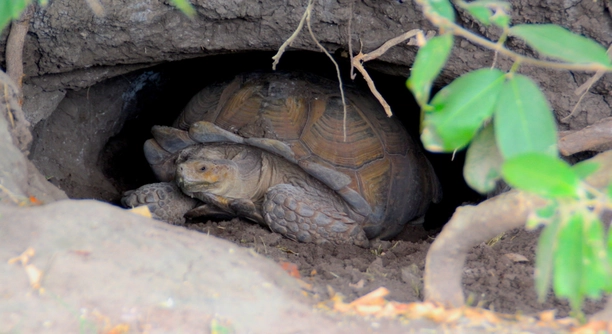
Interacting with your sulcata tortoise can be a fun and rewarding experience. These gentle creatures have unique behaviors, and learning how to bond with them can deepen your connection. Understanding their needs is essential for positive interaction.
Engaging with your sulcata tortoise can include activities like creating a safe outdoor environment, hand-feeding them, and providing enrichment tools. Regular interaction helps stimulate their curiosity and encourages trust, promoting a stronger bond with your tortoise.
These activities can enhance your tortoise’s well-being and bring excitement to both of you. There are plenty of ways to make your time together enjoyable, from exploring their environment to simply spending quality moments.
Creating a Safe and Stimulating Environment
A secure and engaging environment is crucial for your sulcata tortoise. These reptiles enjoy spending time outdoors, but it’s important to make sure their habitat is safe. If you have a yard, consider setting up a secure, fenced area that gives them plenty of space to roam and explore. A large, flat area with patches of grass, dirt, and some rocks or hides will keep them entertained. Sulcatas like to burrow, so providing soil or sand they can dig through helps mimic their natural behavior.
In addition, make sure there are no predators or hazards that could harm them. Protecting your tortoise from extreme weather conditions is essential. Sulcatas do well in warm environments but should have shelter to escape the heat or rain. A simple wooden shelter or a shaded area will keep them comfortable when they need a break from the sun.
Creating this environment not only improves your tortoise’s quality of life but also strengthens the bond between you and your pet.
Hand-Feeding for Bonding
Hand-feeding is a simple yet effective way to create trust with your sulcata tortoise. Offering food from your hand encourages them to come closer and see you as a source of safety and care. Over time, this can make them more comfortable around you.
The types of foods you offer are important. Fresh greens like dandelion leaves, hibiscus flowers, and grasses are great choices. Avoid feeding them high-protein foods, as it’s not suitable for their diet. When hand-feeding, be patient. Your tortoise may take a moment to trust you fully, so don’t rush them.
In addition to building trust, this practice also allows you to monitor their diet and make sure they’re getting the nutrients they need. The bond that forms through feeding can be a special connection that benefits both you and your sulcata tortoise.
Enrichment Tools and Toys
Just like any pet, sulcata tortoises need mental stimulation. Adding enrichment tools to their habitat can keep them busy and happy. Simple objects like rocks, logs, or even cardboard boxes can encourage your tortoise to explore and interact with their surroundings. These items not only provide entertainment but also mimic aspects of their natural environment, encouraging behaviors like climbing or burrowing.
Another fun idea is creating mazes or obstacle courses using safe materials. These can challenge your tortoise and keep them active, preventing boredom. Ensure the course is safe and free of sharp objects, so your tortoise can enjoy it without risk of injury. Enrichment is key to keeping your tortoise mentally sharp and content.
Introducing different textures and items into their space will also help keep things interesting. It’s important to switch things up occasionally to avoid monotony. An engaged tortoise is a happy tortoise, and their happiness reflects in their health and behavior.
Taking Regular Walks
Taking your tortoise for a walk outside can be a great bonding activity. Walking with your sulcata allows them to explore new environments and enjoy natural sunlight. Keep the pace slow and steady, as tortoises are not fast movers. Allow them to take their time, stopping to investigate different areas.
While walking, it’s important to keep them in a secure space, either with a leash or by allowing them to roam in a fenced area. Keep an eye on your tortoise’s behavior during these walks. Make sure they don’t become too stressed or overwhelmed by new surroundings. Regular walks provide physical exercise and are a good way to expose your tortoise to various terrains, which can help them develop important skills.
Just be mindful of the weather. Avoid walks during very hot or rainy days to prevent stress. Keeping them active and engaged with outdoor experiences will benefit their overall health and well-being.
Providing Natural Hiding Spaces
Sulcata tortoises enjoy having places where they can hide and feel secure. Adding natural hides such as logs, plants, or even small caves in their enclosure gives them options to retreat when they need to rest or feel stressed. These spaces provide comfort and mimic their natural habitat.
To create a hiding space, simply use objects that provide a dark, safe environment. You can use cardboard boxes, wooden planks, or even rocks to make a burrow-like area. Make sure the hiding space is easy to access and doesn’t trap your tortoise. They may spend time in these spots when they feel threatened or just need some quiet.
Hiding spots also help reduce anxiety, allowing your tortoise to have a balance between exploration and relaxation. Having this space encourages them to move around more confidently, knowing they have a retreat if needed.
Bathing for Hygiene and Relaxation
Bathing your sulcata tortoise is an important part of maintaining its hygiene and well-being. Regular baths help keep their skin and shell clean while preventing dehydration. Make sure the water is warm, but not hot, to avoid causing stress or discomfort.
Fill a shallow dish with lukewarm water and allow your tortoise to soak for about 15-20 minutes. This also gives them an opportunity to drink water, which helps with hydration. Some tortoises even enjoy the bath as a relaxing activity. Always supervise your tortoise during bath time to ensure they don’t get stuck or try to escape.
Bathing is also an ideal time to check for any skin or shell issues. Inspect their shell for signs of injury, infection, or abnormal growth. Keeping your tortoise clean not only supports their physical health but also enhances your bond with them, as they will come to associate you with their care and comfort.
Offering a Variety of Foods
A well-rounded diet is important for your sulcata tortoise’s health. Offering a variety of fresh greens, vegetables, and flowers will help keep them nourished and satisfied. You can include dandelion leaves, clover, and kale to ensure they get the nutrients they need.
Avoid feeding them fruits or foods high in protein too often. Too much protein can cause health issues. Instead, stick with leafy greens and safe plants, and offer them in moderation. Introducing different food items keeps their diet interesting and ensures they get a wide range of nutrients for a balanced life.
Creating Safe Outdoor Exploration Areas
Taking your sulcata tortoise outside for exploration helps enrich their life. Creating safe outdoor spaces allows them to graze and explore in a natural setting. The more space they have to roam, the happier they’ll be. However, safety should be a priority when outdoors.
Be sure to secure the area with a strong fence or barrier to keep them from wandering off or getting into dangerous areas. Avoid areas with harmful plants or potential predators. Outdoor exploration offers the opportunity for your tortoise to experience natural sunlight, which is essential for their health.
Regular Shell Maintenance
Your sulcata tortoise’s shell needs attention to stay healthy. It’s important to monitor the condition of their shell regularly to catch any signs of damage, fungal infections, or abnormalities. Keeping their environment clean helps prevent shell-related issues from developing.
If you notice any soft spots, discoloration, or unusual growths, take action right away. Consult a vet if necessary, and make sure your tortoise is getting a proper diet to maintain a strong shell. Regular care will ensure your tortoise remains healthy, and a well-maintained shell is an indicator of a happy tortoise.
FAQ
How often should I feed my sulcata tortoise?
Feeding your sulcata tortoise depends on their age. Young tortoises (under 5 years old) typically need to be fed daily, while adults can be fed every other day. Aim to provide fresh greens like dandelion leaves, clover, and grasses. Always avoid high-protein foods as these can lead to health problems.
Can my sulcata tortoise live outside year-round?
Yes, sulcata tortoises can live outside year-round if the climate is warm enough. They thrive in temperatures above 70°F. During colder months, they will need a heated shelter to protect them from the cold. In colder regions, keeping them in a heated outdoor enclosure is essential for their health.
Do sulcata tortoises need a heat lamp?
Yes, sulcata tortoises need a heat source to maintain their body temperature. A heat lamp provides essential warmth, especially if they are kept indoors or during colder months. Ensure the temperature in their habitat stays between 80°F and 90°F during the day.
Can I house my sulcata tortoise with other pets?
Sulcata tortoises are generally solitary and territorial animals. It’s best not to house them with other pets, especially other reptiles or smaller animals that could be injured. If you want to introduce them to other animals, such as other tortoises, ensure there is plenty of space and a way to monitor interactions.
What should I do if my sulcata tortoise is not eating?
If your tortoise refuses food, there may be several reasons. Stress, illness, or environmental factors like temperature changes could cause a loss of appetite. Make sure their environment is suitable, and check for signs of injury or illness. If the problem persists, it’s best to consult a vet.
How do I prevent my sulcata tortoise from getting sick?
To keep your tortoise healthy, make sure it has a proper diet, a clean environment, and plenty of space to roam. Regularly check its shell for signs of damage or infection, and maintain the right temperature in their enclosure. Routine baths can also prevent dehydration and help with hygiene.
How long do sulcata tortoises live?
Sulcata tortoises are known for their long lifespan, often living 50 years or more with proper care. Some even live over 100 years. To ensure they have a long, healthy life, provide a balanced diet, a safe habitat, and regular veterinary checkups.
What kind of substrate is best for my sulcata tortoise?
The best substrate for sulcata tortoises is a mix of sand and soil, which mimics their natural environment. Avoid cedar or pine shavings, as they can be harmful to tortoises. The substrate should allow for easy digging and should be kept dry to prevent mold growth.
Can I let my sulcata tortoise roam inside my house?
You can let your sulcata tortoise roam inside, but it’s important to create a safe, enclosed space for them. Ensure the area is free from hazards like electrical cords or dangerous plants. Tortoises love to explore, so giving them room to roam is a good idea, but always supervise them.
How do I know if my sulcata tortoise is stressed?
Signs of stress in a sulcata tortoise include loss of appetite, hiding more than usual, or excessive pacing. Stress can be caused by changes in their environment, temperature issues, or overcrowding. If you notice signs of stress, try to identify the cause and make the necessary adjustments to their habitat.
Should I trim my sulcata tortoise’s nails?
Yes, overgrown nails can cause discomfort and health issues. You can trim your tortoise’s nails using a pair of reptile nail clippers. Be careful not to cut too close to the quick, which could cause bleeding. If unsure, consult a vet for assistance.
Is it normal for my sulcata tortoise to burrow?
Yes, burrowing is completely normal behavior for sulcata tortoises. They dig to create a safe, cool environment and to hide. If your tortoise is burrowing in its enclosure, it’s a sign that it feels secure and comfortable. Ensure their habitat allows for natural digging and burrowing.
Can my sulcata tortoise eat fruit?
Sulcata tortoises can occasionally have fruit, but it should be offered in small amounts. Fruit contains sugars that are not ideal for their digestive system if fed too often. Stick to foods like grasses, leaves, and flowers, which are more suited to their diet.
Do sulcata tortoises need UVB light?
Yes, sulcata tortoises need UVB light for proper calcium absorption and to prevent shell deformities. If they are kept indoors, a UVB light is essential, as it mimics sunlight. Make sure the light is placed within the correct distance from the tortoise to be effective.
Can I let my sulcata tortoise roam in my garden?
You can let your tortoise roam in the garden, but it’s essential to ensure the area is safe. Fenced gardens with no access to predators or harmful plants are ideal. Always supervise them when outside to make sure they don’t wander off or encounter dangers.
What should I do if my sulcata tortoise has shell damage?
If you notice any cracks, soft spots, or other damage to your tortoise’s shell, it’s important to act quickly. Clean the affected area gently and consult a vet. They can help treat the injury and provide care instructions to ensure proper healing.
How can I tell if my sulcata tortoise is overweight?
An overweight sulcata tortoise may have a large, bloated appearance, and their shell may look unusually wide or heavy. If they are moving slower than usual or seem less active, this could be a sign of obesity. Adjust their diet to include fewer high-calcium vegetables and more grasses.
Final Thoughts
Interacting with your sulcata tortoise can be a rewarding experience when done with care and attention. These tortoises are known for their gentle nature, and building a strong bond with them is possible through regular interaction. Offering a variety of foods, creating a comfortable and safe environment, and allowing them to explore their surroundings are just some of the ways to engage with them. Each tortoise has its own personality, and taking the time to understand their needs will help you provide the best care. By being patient and consistent, you can create a lasting connection with your pet.
Providing proper care goes beyond feeding and giving them space to roam. Regular health checks are essential to catch any potential issues early. Keep an eye on their shell for signs of damage, as well as their skin and overall behavior. A healthy diet, consisting mainly of grasses, leaves, and some flowers, is key to keeping them in good shape. Remember that sulcata tortoises need time outdoors to bask in the sun, so allowing them time to wander in a secure area helps mimic their natural environment. With proper care, these tortoises can live long, happy lives.
Lastly, understanding that sulcata tortoises grow quite large and require ample space is important when considering their long-term care. They are not small pets and need enough room to move around freely. As they grow, their needs will change, and adjusting their habitat accordingly will ensure they stay healthy. Whether you’re just starting out or have had a tortoise for some time, keeping their environment safe and enriching is key to their happiness. By following these tips and maintaining a routine, you’ll ensure that both you and your sulcata tortoise enjoy a fulfilling and meaningful companionship.

Hello,
If you enjoy the content that we create, please consider saying a "Thank You!" by leaving a tip.
Every little bit helps us continue crafting quality advice that supports the health, happiness, and well-being of pets around the world, for pets of all shapes, sizes, and species.
We really appreciate the kindness and support that you show us!