
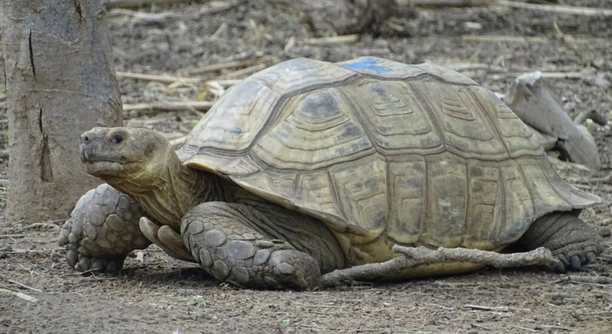
Sulcata tortoises are one of the most fascinating species among reptiles. Known for their impressive size and unique appearance, they stand apart from other types of tortoises. Their characteristics make them quite different from other reptiles.
The main differences between Sulcata tortoises and other species include their size, diet, habitat preferences, and activity levels. Unlike smaller tortoises, Sulcatas are large, require more space, and have different dietary and environmental needs.
Understanding these differences will help you properly care for your Sulcata and appreciate how they stand out from other species.
Size and Growth Rate Differences
Sulcata tortoises grow to be one of the largest species, often reaching up to 30 inches in length and weighing over 100 pounds. Their rapid growth rate is another distinct feature. Unlike other tortoises, which grow at a much slower pace, Sulcatas can grow up to 10 inches a year during their first few years of life. This means they require more space as they mature, making them less suitable for small enclosures. Their large size demands attention to their living conditions to ensure they remain healthy and active.
The size difference is not only noticeable but also plays a major role in how Sulcatas are cared for. Their big shells and heavy bodies require strong enclosures, and more space is needed to prevent stress.
As they grow, Sulcatas will need larger spaces to roam. Providing enough room allows them to stay active and healthy as they mature. Proper space is essential for their development and long-term well-being.
Habitat Preferences
Sulcatas are native to dry, desert-like environments. Their natural habitat is quite different from the more humid, lush areas many other tortoises call home. This difference in their needs affects the care required for Sulcatas, especially when it comes to maintaining appropriate temperature and humidity levels.
Sulcatas need warm and dry spaces to thrive. Unlike other species of tortoises that may prefer damp, shaded areas, Sulcatas flourish in warm, dry conditions with access to sunlight. This makes them better suited for outdoor enclosures in hot climates. Keeping them indoors requires careful temperature control, as they are sensitive to cooler, wetter environments.
To create the best habitat for your Sulcata, focus on providing a warm, dry space with access to sunlight. A desert-inspired setup with plenty of room to move around will help your tortoise feel comfortable and reduce the risk of health problems.
Diet Differences
Sulcata tortoises mainly eat grass, hay, and other plants found in their natural desert environment. Their diet is mostly herbivorous, and it needs to be high in fiber. This is different from other tortoises, which may require a more varied diet with a mix of vegetables, fruits, and even protein. Sulcatas thrive on a low-protein, high-fiber diet, which helps maintain their large size and strong shells. It’s important to avoid high-protein foods that could lead to kidney problems or obesity.
Providing the right food for a Sulcata is simple but essential. Feeding them a mix of grasses and hay ensures they get the fiber they need. You can also offer occasional safe weeds and flowers, but their diet should mainly consist of dried grasses or grass hay to avoid issues with their health. Fresh water is equally important to support proper hydration.
Unlike some other tortoises, Sulcatas do not need fruit or high-protein foods. Their digestive system is built to process fibrous, coarse plant material. Their diet plays a critical role in their health, especially their shell development and longevity. Making sure to avoid the wrong foods will keep them in good condition.
Activity Level Differences
Sulcata tortoises are much more active compared to many other tortoises. They enjoy roaming large areas and can travel quite long distances, especially in search of food. Their activity level makes them more demanding in terms of the space they require to stay active and healthy. Unlike other species that may be more sedentary, Sulcatas need constant room to move around and explore.
Sulcatas are not the type of tortoise to sit in one place for long periods. Their natural behavior is to roam over large distances, searching for food or shelter in the wild. This instinct to wander means that, when kept in captivity, they need a spacious environment that mimics this need for movement. A small enclosure will not suffice.
Allowing a Sulcata the space it needs helps it stay fit and avoid stress. An active tortoise is also a happy tortoise, and keeping them in an area where they can explore ensures they stay healthy and engaged. Their behavior is key to understanding their care needs.
Lifespan Differences
Sulcata tortoises have a significantly longer lifespan compared to many other species. With proper care, they can live for 50 to 70 years, or even longer. This makes them a lifelong commitment for any owner. In contrast, other tortoises may have shorter lifespans, typically around 20 to 40 years.
Caring for a Sulcata involves long-term planning. Their longevity means they need continuous attention to ensure they stay healthy throughout their lives. Regular vet checkups, proper diet, and the right habitat can help your tortoise live a long, happy life. It’s important to be ready for this long commitment.
Their long lifespan makes them a unique companion. As you plan for their care, understanding that Sulcatas are not a short-term pet is crucial. This extended care period requires dedication and responsibility, especially when it comes to managing their health and living conditions over time.
Temperature Requirements
Sulcata tortoises need higher temperatures compared to many other species. They thrive in temperatures between 85°F and 95°F during the day, with a slight drop at night. Maintaining a consistent warm environment is crucial to their health, especially since they are adapted to desert climates.
Providing a heat source, like a basking lamp, is essential for your Sulcata’s wellbeing. Without proper heating, they can become lethargic or even ill. Using a thermometer to monitor the temperature ensures that their habitat remains within the ideal range for their comfort and health.
Behavior Differences
Sulcata tortoises are generally more solitary and less aggressive than other species. They may not enjoy frequent handling, but they are not typically known for being aggressive. They can be curious, though, and will often explore their surroundings when given space.
Their calm demeanor and solitary nature make them more independent compared to other tortoises. They don’t need constant interaction but can still become accustomed to their owners over time. Understanding their more reserved nature allows for a more stress-free relationship with your Sulcata.
FAQ
How much space does a Sulcata tortoise need?
Sulcata tortoises need a lot of space to roam. Ideally, they should have a large outdoor enclosure that measures at least 10 feet by 10 feet, but more space is better. Since they are so active, they need room to move around, graze, and dig. In smaller spaces, they can become stressed or inactive, which can lead to health problems. If kept indoors, an enclosure should be as large as possible, and providing outdoor time in a safe, secure area is highly recommended.
What is the best diet for a Sulcata tortoise?
A Sulcata’s diet should primarily consist of high-fiber plants, such as grass, hay, and weeds. These are essential for their digestion and overall health. It’s important to avoid feeding them high-protein foods like lettuce or fruit, which can cause kidney issues over time. You can supplement their diet with safe plants such as dandelion greens and cactus pads. Fresh water should always be available for hydration, and avoid sugary or fatty foods to ensure their shell and health remain in top condition.
How can I keep my Sulcata tortoise healthy?
To keep your Sulcata healthy, provide it with a large, dry enclosure that mimics its natural desert habitat. Maintain proper temperature and humidity levels, ensuring it has access to warmth during the day and cooler temperatures at night. Regular exposure to sunlight is also crucial for vitamin D3 production. Along with a proper diet, you should have your Sulcata checked by a vet annually to ensure it remains healthy and free from parasites or diseases. Regular cleaning of the habitat is also necessary to maintain a healthy environment.
Do Sulcata tortoises hibernate?
Sulcata tortoises do not hibernate in the traditional sense. They enter a state of dormancy during cooler months, but it’s not true hibernation. Their activity level will decrease when temperatures drop, and they may spend more time resting or burrowing. It’s important to keep them warm throughout the year, as they are not equipped to handle cold temperatures. During cooler months, ensure they have a proper heating source and avoid exposing them to temperatures lower than 50°F.
Can I keep a Sulcata tortoise indoors?
While it is possible to keep a Sulcata indoors, it’s not the best option for their well-being. They are best suited to outdoor environments where they can roam freely. If you must keep them indoors, their space should be large enough to allow movement, and you should provide artificial UVB light and heat lamps to replicate their natural environment. They need a temperature range of 85°F to 95°F during the day and a cooler spot at night. Regular outdoor time, when possible, will help your Sulcata maintain a healthier lifestyle.
What are the signs of a sick Sulcata tortoise?
A sick Sulcata tortoise may show several signs. Common symptoms include loss of appetite, lethargy, swollen eyes, nasal discharge, and abnormal behavior such as lack of movement. If your tortoise is acting unusually, it’s important to consult a vet who specializes in reptiles. Other signs to watch for include changes in their shell, softening of the shell, and problems with breathing. Timely treatment can help avoid long-term health issues.
How long do Sulcata tortoises live?
Sulcata tortoises can live for 50 to 70 years or more with proper care. Their long lifespan makes them a lifelong commitment. Keeping a Sulcata healthy throughout its life involves attention to diet, habitat, and regular veterinary care. As they age, their needs may change, so being prepared for their long life is crucial for both the tortoise and its owner.
How can I tell if my Sulcata tortoise is male or female?
Distinguishing between male and female Sulcata tortoises can be tricky, but there are a few differences. Males tend to be smaller than females and have a more concave plastron (bottom shell). Their tails are also longer and thicker compared to females. Additionally, males may show more aggressive or territorial behavior, especially during mating seasons. Females have a more rounded, flat plastron and usually a shorter tail. These differences become more noticeable as the tortoise matures.
What should I do if my Sulcata tortoise is digging excessively?
Excessive digging in Sulcata tortoises is normal behavior. In the wild, they dig to create burrows for shelter from the heat or to lay eggs. In captivity, digging is often a sign of natural instincts at work. However, if your Sulcata is digging in an area where it could injure itself or escape, you may need to adjust its habitat. Providing more outdoor time in a secure area or adding more burrowing materials like sand or dirt can help redirect their digging behavior.
Can Sulcata tortoises get along with other pets?
Sulcata tortoises can generally live peacefully with other pets, but it depends on the species. They tend to be non-aggressive and may not seek interaction with other animals. However, they can become stressed if placed in a confined space with aggressive or overly curious pets. It’s important to keep an eye on interactions and ensure the other animals in the household do not pose a threat to the tortoise’s well-being. Keeping them in separate enclosures when not supervised is a good practice.
Final Thoughts
Taking care of a Sulcata tortoise can be a rewarding experience, but it requires a lot of attention and commitment. These tortoises are not your typical small pet, and their needs are much more demanding. From their large size and fast growth rate to their specific diet and temperature needs, Sulcatas need a proper environment to thrive. Their lifespan of 50 to 70 years also means they are a long-term commitment, so it’s important to be prepared for the responsibility that comes with owning one.
Ensuring your Sulcata is healthy requires careful planning. It’s essential to provide a spacious enclosure, especially as they grow. They are highly active and need room to roam and explore. Keeping them outdoors in a secure area is ideal, but if kept indoors, you must be prepared to provide the right temperature, UV lighting, and space. Along with the right diet, regular vet checkups are necessary to maintain their health and catch any potential issues early. This attention to their environment, diet, and health will help them live a long, healthy life.
Ultimately, while Sulcata tortoises may not be for everyone, they can make great pets for those who have the time, space, and resources to care for them properly. Understanding their behavior and needs is key to building a positive relationship with them. If you are ready for the responsibility, a Sulcata can be a fascinating and loyal companion, offering years of enjoyment. However, always remember that their care is a long-term commitment that should not be taken lightly.

Hello,
If you enjoy the content that we create, please consider saying a "Thank You!" by leaving a tip.
Every little bit helps us continue crafting quality advice that supports the health, happiness, and well-being of pets around the world, for pets of all shapes, sizes, and species.
We really appreciate the kindness and support that you show us!