
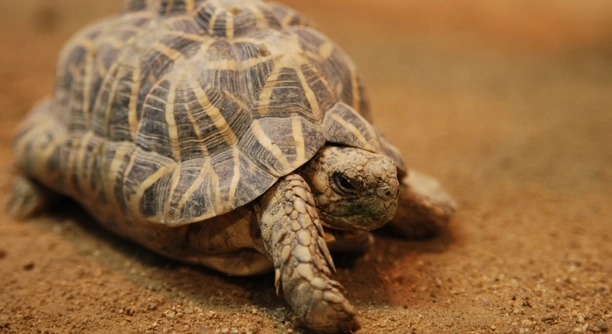
As the weather cools, it’s important to monitor your turtle’s behavior. Turtles prepare for hibernation when conditions change, and knowing the signs can help you ensure their health and safety during this period.
Turtles typically show signs of hibernation readiness through reduced activity, loss of appetite, and seeking cooler, darker places. They may also exhibit slower movements and bury themselves in substrate. Monitoring these behaviors helps determine when to prepare for hibernation.
Understanding these signs is essential for supporting your turtle’s hibernation process. Proper preparation ensures your pet stays safe and healthy during its resting phase.
Reduced Activity and Slower Movements
As your turtle prepares to hibernate, one of the first signs you may notice is a decline in its activity. Instead of swimming around or basking frequently, it will move less. Turtles naturally slow down in response to cooler temperatures. During this time, they are conserving energy in preparation for hibernation. While it’s normal for turtles to be less active in colder months, the change should still be gradual. If your turtle suddenly becomes sluggish or seems to be avoiding movement, this could be an indicator that it’s starting to prepare for the season of rest.
This behavior is a natural instinct for turtles, allowing them to use less energy before entering hibernation. If you observe significant slowing down, it’s essential to check the conditions in their environment, such as water temperature and light exposure.
In some cases, turtles may appear almost dormant, staying in one spot for long periods. This behavior is typically temporary, but it’s essential to provide a suitable habitat for them to rest without stress. If your turtle seems overly still for extended periods, it may be trying to find a spot where it feels comfortable. You should still monitor their activity to ensure their habitat remains healthy and supportive for hibernation.
Decreased Appetite
A major sign that your turtle is getting ready to hibernate is a noticeable decrease in appetite. As temperatures drop, turtles naturally eat less because their metabolism slows down. Their bodies are not requiring the same amount of energy as they did during warmer months. In many cases, turtles will stop eating altogether as they prepare for a long period of rest. If your turtle isn’t showing interest in food, it might be instinctively gearing up for hibernation.
Turtles may also lose interest in their usual foods, which can sometimes be worrying for pet owners. However, this is perfectly normal. It’s crucial to ensure that your turtle still has access to fresh food in case it decides to eat.
This decrease in appetite usually begins gradually, and by the time your turtle is ready to hibernate, it may refuse food entirely. If you’re concerned about your turtle’s health, consult a vet to confirm that this behavior is not due to illness. Keeping an eye on their eating patterns and providing the right environment will help them through the process.
Seeking Cooler, Darker Spaces
As hibernation approaches, your turtle will begin seeking out cooler and darker spots in its habitat. This is a natural behavior, as they instinctively look for environments that mimic the conditions they would experience in the wild during winter. They may burrow into the substrate or find corners in their tank where they feel secure.
It’s essential to ensure that your turtle has a suitable place to retreat to. A dark, quiet spot in its enclosure will help create the proper environment for hibernation. Ensure that the temperature in the tank is gradually dropping, but not too quickly, as it could stress your turtle.
If your turtle seems to be hiding more than usual, it’s likely trying to find a place to rest and conserve energy. It’s important to monitor the temperature and conditions closely to avoid any potential health risks. Make sure your turtle has access to clean, fresh water and that the humidity is at an appropriate level.
Reduced Social Interaction
As hibernation time nears, you’ll notice your turtle becoming less interactive. Turtles that are typically more social will avoid engaging with you as much. They may hide more frequently or simply retreat into their shell when approached. This decrease in interaction is not a sign of illness; it’s just part of their hibernation preparation.
Socializing with your turtle during this time can increase stress, which could hinder its ability to prepare properly for hibernation. Respecting its space and allowing it to settle down in peace is vital for its overall well-being. They will naturally withdraw and rest, not requiring as much stimulation or attention during this phase.
While this behavior might feel unusual, it’s a clear indication that your turtle is getting ready for a long, restful period. By minimizing interaction, you’re providing a stress-free environment to help your turtle transition into hibernation smoothly.
Decreased Basking Time
As your turtle prepares for hibernation, it will naturally spend less time basking. Turtles bask to regulate their body temperature and absorb UV light, but once they sense the cold weather approaching, they no longer need this heat source as much.
This decrease in basking time may be subtle at first, but over time, you’ll see your turtle spending more time resting on the bottom of the tank or hiding in cooler spots. Be sure to keep the basking area available, as it’s still important for your turtle to have access to warmth when it feels necessary.
Decreased Respiration Rate
When turtles are getting ready to hibernate, their respiration rate slows down. This happens because their metabolism decreases, and they don’t need as much oxygen. You may notice your turtle’s breathing becoming more shallow or slower than usual.
It’s essential to keep an eye on your turtle’s health during this time. A gradual slowdown in respiration is normal. However, if it becomes excessively slow or labored, it might indicate an underlying health issue. Always ensure that your turtle’s environment is stable and supports its natural hibernation process.
Slower Movement in Water
As temperatures drop, turtles become slower in the water. This is a natural response to conserve energy and prepare for hibernation. The cold causes their body functions to slow down, making them less responsive.
If your turtle seems to be floating or moving very slowly, it’s likely adjusting to the cooler conditions. This reduced movement is typical as they enter the hibernation phase, so it’s important not to disturb them. Allow your turtle to rest and adjust to the temperature change, ensuring they have a safe environment to settle into.
FAQ
How do I know if my turtle is ready to hibernate?
When a turtle is ready to hibernate, it will show signs like decreased activity, less eating, and seeking cooler, darker spots. It may also slow down its movements and begin spending more time in one place. These are all natural behaviors that help the turtle prepare for hibernation.
Should I stop feeding my turtle when it’s preparing to hibernate?
Yes, once your turtle shows signs of slowing down and losing interest in food, it’s best to stop feeding it. This is a natural part of its hibernation preparation. You should gradually reduce the amount of food offered until it completely stops eating. Be sure to give your turtle fresh water, though, to keep it hydrated.
Is it safe to let my turtle hibernate?
Yes, it’s safe for a healthy turtle to hibernate, but you need to ensure it’s in the right conditions. Make sure the temperature and humidity are suitable, and that the turtle has a safe, quiet place to rest. If you have concerns about your turtle’s health, consult a vet before allowing hibernation.
What temperature should my turtle’s habitat be during hibernation?
The ideal temperature for a hibernating turtle is typically between 40-50°F (4-10°C). However, the temperature may vary slightly depending on the species. It’s important to gradually lower the temperature to avoid shocking your turtle. Keep a close eye on the conditions to ensure they remain stable.
Can I wake my turtle up from hibernation?
It’s generally not recommended to wake your turtle up from hibernation unless absolutely necessary. Waking them up disrupts the natural process and can cause stress. If you notice any signs of illness or problems, it’s best to contact a vet before taking action.
How long does hibernation last for a turtle?
Hibernation can last anywhere from several weeks to a few months, depending on the species and environmental conditions. During this time, your turtle will remain inactive, using minimal energy. It’s important to ensure that the conditions remain consistent to allow your turtle to hibernate peacefully.
What should I do if my turtle is still active during winter?
If your turtle is still active during the winter months, it may not be ready to hibernate. Some turtles don’t hibernate every year, and some may continue to be active if the temperature in their environment is warm enough. If your turtle seems healthy, there’s no need for concern, but if you notice any unusual behaviors, it’s a good idea to check its environment.
Can I put my turtle outside during hibernation?
If you live in a climate where the temperatures are appropriate for your turtle species, you can allow it to hibernate outside. However, the conditions need to be carefully controlled. It’s important to make sure that the temperature is consistently cool, and there are no sudden changes that could harm your turtle.
What are the risks of hibernation for my turtle?
While hibernation is natural, there are some risks involved. If the temperature is too warm, your turtle may become too active and burn through its energy reserves. If it’s too cold, the turtle could freeze or suffer from hypothermia. There is also the risk of dehydration, so make sure to monitor your turtle’s environment and health.
How can I prepare my turtle for hibernation?
To prepare your turtle for hibernation, gradually lower the temperature in its habitat. Reduce the amount of food you offer, and ensure it has access to clean, fresh water. Create a quiet, dark area where your turtle can retreat and rest. Make sure that the humidity and temperature remain stable to support the hibernation process.
Should I take my turtle to the vet before hibernation?
It’s a good idea to take your turtle to the vet before hibernation, especially if it’s your first time allowing it to hibernate. A vet can assess your turtle’s health and make sure it’s in the right condition for hibernation. This can help you avoid any complications during the process.
Can hibernation affect my turtle’s growth?
Hibernation doesn’t typically affect a turtle’s growth, but it’s important to ensure your turtle is healthy before hibernation. If your turtle is underweight or sick, it may struggle during hibernation. Consult a vet if you’re concerned about your turtle’s growth and overall health before the hibernation period begins.
What do I do if my turtle is not eating before hibernation?
If your turtle isn’t eating before hibernation, it’s generally normal. Turtles naturally reduce their food intake as they prepare to sleep for the winter. However, make sure your turtle is still healthy by monitoring its behavior and environment. If you’re unsure or concerned, contact a vet for advice.
Final Thoughts
Preparing your turtle for hibernation requires careful attention to its behavior, environment, and overall health. As temperatures begin to drop, you may notice your turtle becoming less active and eating less. These are natural signs that it’s getting ready to enter a state of dormancy. During this time, it’s important to make sure its habitat is suitable, with temperatures between 40-50°F (4-10°C) and appropriate humidity levels. Keeping the environment stable will help your turtle safely transition into hibernation without unnecessary stress or risk to its health.
While hibernation is a natural process for many turtles, it’s crucial to monitor them closely as they prepare. If your turtle stops eating or becomes less active, these may be signs that it’s ready to hibernate. Make sure it has access to fresh water during this time and avoid disturbing it too much. The hibernation process can last several weeks or months, depending on the species, so patience is key. It’s important not to rush the process or force your turtle to wake up unless there’s a health concern. Letting your turtle rest undisturbed in a safe, quiet space is essential for its well-being.
If you are unsure whether your turtle is ready for hibernation or if you have concerns about its health, it’s always a good idea to consult a veterinarian. A vet can provide guidance and ensure your turtle is in optimal condition for the winter months. Remember, every turtle is different, and the timing for hibernation may vary. By closely observing your turtle and adjusting its environment accordingly, you can support its natural behaviors and help it safely get through the hibernation period.

Hello,
If you enjoy the content that we create, please consider saying a "Thank You!" by leaving a tip.
Every little bit helps us continue crafting quality advice that supports the health, happiness, and well-being of pets around the world, for pets of all shapes, sizes, and species.
We really appreciate the kindness and support that you show us!