
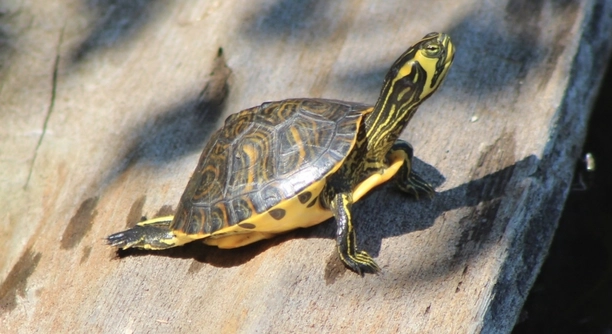
Adopting a yellow-bellied slider can be a rewarding experience. These turtles are fascinating, but they require careful consideration before bringing one into your home. Understanding their needs can help ensure a happy, healthy life for them.
Before adopting a yellow-bellied slider, assess factors like tank size, water quality, diet, temperature, lifespan, and potential health risks. These turtles need specific care and attention to thrive in a home environment, and they are long-lived.
Considering these factors will help you provide the best care possible for your new pet, ensuring a smooth and successful adoption process.
Tank Size and Space Requirements
Yellow-bellied sliders need a spacious environment to stay healthy. They can grow quite large, requiring a tank of at least 75 gallons for one adult turtle. A larger tank is necessary if you plan to keep more than one. It’s essential to provide enough swimming space, as they are aquatic animals that need room to move around comfortably.
A small tank can lead to stress and health issues. Keeping your turtle in a spacious tank ensures it has room to swim and dive freely, promoting better overall well-being.
Aside from space, the tank needs to have proper filtration to maintain water quality. This is crucial to avoid bacterial growth that could harm your turtle. Additionally, the tank should have a secure lid to prevent escapes, as sliders are quite agile.
Water Temperature and Heating
Maintaining the right water temperature is vital for the health of your yellow-bellied slider. A range of 75-85°F is ideal. Ensure you use a good quality water heater to keep the water temperature consistent. Without proper heating, your turtle may become lethargic or more susceptible to illness.
Sliders are cold-blooded and rely on the warmth of their environment to regulate their body temperature. A heat lamp or basking spot is also necessary for them to dry off and regulate body heat when they’re not swimming.
The right temperature ensures your turtle can digest food properly and stay active. Regularly check the water temperature to keep it within the recommended range, avoiding any sudden changes.
Diet and Feeding Needs
Yellow-bellied sliders are omnivores, so they require a balanced diet that includes both animal and plant matter. You can feed them commercial pellets, live or frozen insects, and leafy greens. Occasional treats like earthworms or small fish can be offered.
A varied diet ensures they get all the necessary nutrients. It’s important to avoid feeding them too much protein, as this can lead to shell deformities. Ensure they have access to clean water for drinking and soaking, as hydration is key for their digestion and overall health.
Establishing a feeding routine will help regulate their growth and prevent overeating. Monitoring their food intake is essential to keep them at a healthy weight. Overfeeding can lead to obesity and other health problems.
Tank Maintenance and Water Quality
Maintaining clean water is crucial for the health of your turtle. A high-quality filter is necessary to remove waste and keep the water free of harmful bacteria. Regular water changes should be done at least once every two weeks.
In addition to water changes, check the filtration system to ensure it’s functioning properly. If the water becomes cloudy or starts smelling, this could indicate a problem. Using a water test kit can help you monitor pH and other important parameters.
Maintaining the water quality will help prevent health issues such as respiratory infections or shell rot. Regularly cleaning the tank and decorations also helps in keeping your turtle’s home healthy and safe.
Lifespan and Long-Term Commitment
Yellow-bellied sliders can live for over 20 years in captivity. This long lifespan means you need to be ready for the long haul. Consider your future living situation before adopting one.
It’s important to understand that turtles grow slowly but steadily. If you’re adopting a slider, expect to care for it for decades.
Health Considerations
Regular health checkups are necessary for your yellow-bellied slider to ensure they are thriving. Watch for signs of illness, such as changes in behavior, loss of appetite, or shell problems.
Keeping their environment clean and providing a proper diet can help prevent common diseases like respiratory infections or shell rot.
FAQ
How often should I feed my yellow-bellied slider?
Yellow-bellied sliders need to be fed 2-3 times a week. As they age, you can reduce feeding frequency to every other day. You should offer a balanced mix of commercial pellets, leafy greens, and occasional treats like small fish or worms.
Be mindful not to overfeed them, as obesity can lead to health issues. Always provide fresh water for drinking and soaking, ensuring they stay hydrated. This routine will keep them healthy and satisfied.
What is the best tank setup for a yellow-bellied slider?
A tank size of at least 75 gallons is recommended for one adult yellow-bellied slider. The tank should include an area for basking and plenty of water for swimming. Provide a strong filtration system to keep the water clean, as turtles are messy eaters.
The basking area should be dry and include a heat lamp to maintain a temperature of around 85°F. Ensure the tank has a secure lid, as yellow-bellied sliders can climb or jump out.
Do yellow-bellied sliders need UVB lighting?
Yes, UVB lighting is crucial for yellow-bellied sliders. They rely on UVB rays to produce vitamin D3, which helps them absorb calcium and maintain a healthy shell and bones.
Ensure the UVB light is positioned near the basking area, and replace the bulb every six months to keep it effective. Without UVB lighting, your slider may develop metabolic bone disease, so this is a vital component of their care.
Can yellow-bellied sliders live with other turtles?
Yellow-bellied sliders can live with other turtles, but caution is needed. Different species may have different needs, and there could be aggression over territory or food.
If you choose to house multiple turtles, make sure the tank is large enough to provide enough space for each one. Monitoring their behavior regularly can help prevent fights. It’s also important to maintain separate basking areas to avoid territorial disputes.
What should I do if my turtle’s shell starts to soften?
A soft shell in a yellow-bellied slider is often a sign of calcium deficiency or poor water quality. Ensure your turtle has access to UVB lighting, which is essential for calcium absorption.
You may also need to adjust the diet to include calcium-rich foods or supplements. If the issue persists, consult a vet to rule out any underlying health conditions.
How do I clean my yellow-bellied slider’s tank?
Cleaning your turtle’s tank regularly is crucial to prevent bacteria build-up. Start by removing debris from the tank daily. Perform a water change every two weeks, replacing 25-50% of the water.
Once a month, clean the tank thoroughly by removing all decorations, wiping down surfaces, and cleaning the filter. Make sure the water is tested to maintain proper pH levels. Regular cleaning ensures a healthy environment for your turtle.
What temperature should the water be for a yellow-bellied slider?
The water temperature should be between 75-85°F. Keeping the water within this range helps maintain your turtle’s metabolism and overall health. If the water is too cold, your slider may become lethargic or prone to illness.
A water heater and thermometer will help regulate the temperature. Avoid sudden temperature fluctuations, as they can stress your turtle and affect its immune system.
How long can a yellow-bellied slider stay out of the water?
Yellow-bellied sliders need to be in the water most of the time, but they do require basking periods on land. They typically spend a few hours basking each day under a heat lamp.
If kept out of the water for extended periods, they can become dehydrated or stressed. Ensure they always have access to water and a basking area with proper lighting.
What should I do if my turtle’s eyes are swollen?
Swollen eyes can be a sign of a respiratory infection, vitamin A deficiency, or poor water quality. Check the water parameters, ensure the tank is clean, and make sure your turtle has access to a proper diet rich in vitamins and minerals.
If the swelling persists, consult a veterinarian. An eye infection can lead to permanent damage if untreated.
How do I know if my turtle is sick?
Signs of illness in yellow-bellied sliders include lethargy, loss of appetite, swelling, abnormal swimming behavior, or a cloudy shell. If your turtle exhibits any of these symptoms, it’s important to take immediate action.
Ensure the tank conditions are optimal and check your turtle’s diet. If symptoms continue, contact a vet specializing in reptiles for a proper diagnosis and treatment plan.
Can I take my yellow-bellied slider outside?
Yes, yellow-bellied sliders can enjoy outdoor time as long as it’s in a safe, controlled environment. Set up an outdoor enclosure with a shallow water area and a basking spot with a heat lamp.
Supervise your turtle while it’s outside to prevent it from escaping or being exposed to predators. Always bring them back indoors if the temperature gets too cold or if it starts to rain.
Final Thoughts
Adopting a yellow-bellied slider can be a rewarding experience, but it’s important to understand the commitment involved. These turtles can live for over 20 years, so they require long-term care and attention. Before making the decision to adopt, it’s essential to ensure you can provide a suitable environment and meet their needs for food, water, and temperature.
Their care is not overly complex but demands consistency. A well-maintained tank with proper water filtration, UVB lighting, and a balanced diet is key to keeping your slider healthy. Regular water changes and monitoring the turtle’s health are necessary to catch any issues early. A properly set-up basking area is also essential to their well-being, as it allows them to regulate their body temperature and dry out when needed.
While they may seem low-maintenance at times, yellow-bellied sliders need ongoing attention to thrive. Their space must be large enough to accommodate their growing size, and the water must stay clean to avoid illness. They can be shy creatures but, with patience, can adapt to their environment and form a bond with their owner. Taking on the responsibility of a yellow-bellied slider is a long-term commitment, but with the right care, these turtles can be a fascinating and rewarding pet.

Hello,
If you enjoy the content that we create, please consider saying a "Thank You!" by leaving a tip.
Every little bit helps us continue crafting quality advice that supports the health, happiness, and well-being of pets around the world, for pets of all shapes, sizes, and species.
We really appreciate the kindness and support that you show us!