
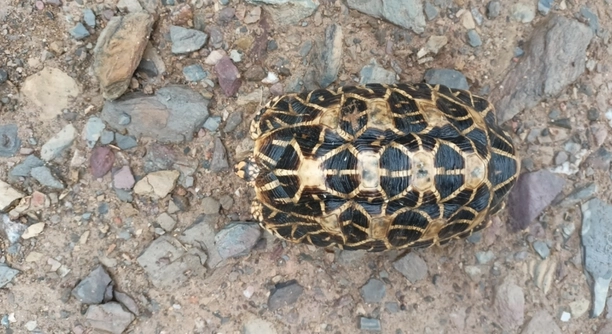
Star tortoises are beloved for their unique and beautiful shells, but shell deformities can often occur if they aren’t properly cared for. Knowing how to prevent these issues is essential for keeping your pet healthy.
The key to preventing star tortoise shell deformities is ensuring they receive a balanced diet, adequate UVB light, proper humidity, and enough space for exercise. Regular check-ups and monitoring environmental factors play a vital role in their overall well-being.
By following simple steps and understanding their needs, you can avoid most deformities and ensure your star tortoise thrives. Keep reading to learn more about how to provide the best care for your shell-covered friend!
Proper Diet for Healthy Shell Growth
A balanced diet is crucial to prevent shell deformities in star tortoises. These tortoises are herbivores, so their diet should mainly consist of dark leafy greens, grasses, and a variety of vegetables. Offering them a mix of foods ensures they receive the necessary nutrients for strong shell development. Calcium is especially important for shell health, so providing foods rich in calcium, like dandelion greens or clover, can make a big difference. It’s also a good idea to supplement their diet with a calcium powder, especially if they are not getting enough from their food.
Diet affects the tortoise’s growth and shell quality. Star tortoises are more likely to develop soft or misshapen shells if they are not getting the nutrients they need. Along with calcium, they also need a proper amount of fiber and vitamins. Overfeeding high-protein foods can lead to health issues, so moderation is key.
It’s also important to keep fresh water available at all times. Dehydration can lead to weak shells and overall poor health. Monitoring their diet closely and adjusting it as needed will help avoid long-term issues.
Providing Proper UVB Light
UVB light is essential for the health of your star tortoise. Without it, they can develop serious health issues, including shell deformities.
Star tortoises need UVB light to produce vitamin D3, which helps them absorb calcium and build strong bones and shells. Without adequate UVB exposure, they can become calcium deficient, leading to soft or malformed shells. A proper UVB light source should be placed above their enclosure, and the tortoise should have access to it for several hours a day.
Ensure the UVB light is appropriate for their size and habitat. Check that it is positioned correctly and that the light is not too far away, as it can lose its effectiveness over distance. Consider replacing the bulb regularly, as UVB output diminishes over time. Proper lighting conditions are one of the most important steps in preventing deformities.
Providing the Right Humidity Levels
Humidity plays a key role in the overall health of your star tortoise. Too much or too little moisture can affect shell development and cause issues like shell pyramiding.
Maintain the right humidity levels by keeping the enclosure between 50-70%. If it gets too dry, the tortoise’s shell may become brittle, leading to cracks or deformities. On the other hand, too much humidity can lead to respiratory infections. A hygrometer can help you track the humidity levels, ensuring they stay within the optimal range.
To adjust the humidity, you can lightly mist the enclosure or provide a humid hide. Be cautious not to overdo it, as too much moisture can create a breeding ground for bacteria. Regularly check the humidity and adjust accordingly, as this factor is essential for preventing shell issues and ensuring your tortoise’s well-being.
Sufficient Space for Movement
A spacious environment is vital for star tortoises to move freely and grow properly. When they are confined to a small space, they are more likely to develop deformities in their shells due to restricted movement.
Tortoises need room to stretch their legs and explore. A small enclosure will hinder their natural movement and stunt their growth. It’s recommended to provide a minimum of 40 square feet of space for a single adult star tortoise. Larger enclosures encourage exercise and reduce the risk of deformities. Providing plenty of room also ensures that they don’t suffer from stress or boredom, both of which can contribute to health problems.
In addition to space, it’s important to include surfaces they can climb or dig into. This encourages natural behaviors and supports their physical health, making the space more enriching and beneficial for them.
Regular Veterinary Check-ups
Regular veterinary check-ups are important to ensure your star tortoise is healthy. A vet can catch any early signs of shell deformities before they become serious problems.
It’s recommended to have a check-up at least once a year. The vet will examine your tortoise’s shell and overall health, making adjustments to care if needed. Early detection and intervention are key to preventing further issues.
By staying on top of these check-ups, you’ll have peace of mind knowing that your tortoise is well taken care of and any potential problems are addressed promptly.
Proper Temperature Control
Temperature is crucial for a star tortoise’s metabolism and shell health. Make sure the enclosure has both a warm side and a cooler side to allow your tortoise to regulate its body temperature.
A basking spot should be kept around 90°F, while the cooler side can be around 75°F. This temperature gradient helps the tortoise maintain proper digestion and overall health. Inconsistent or incorrect temperatures can lead to stress and shell issues.
By monitoring the temperature closely, you can create an environment that supports your tortoise’s natural behaviors and prevents any potential shell deformities.
Avoiding Overfeeding
Overfeeding can lead to rapid growth and an increased risk of shell deformities. Star tortoises should not be overfed, as it can cause imbalanced nutrition and strain their bodies.
Provide food in appropriate portions based on the tortoise’s size and age. If they are eating too much or too quickly, consider adjusting their feeding schedule. Avoid high-protein foods, as they can cause an imbalance in their diet, leading to shell problems.
Making sure your tortoise is eating the right amount and the right foods will help prevent health issues, keeping their shell and overall condition in top shape.
FAQ
How can I tell if my star tortoise has shell deformities?
Shell deformities in star tortoises are usually visible through uneven growth patterns, lumps, or indentations on their shells. You may notice pyramiding, where the shell grows in sharp, pyramid-like shapes rather than being smooth. These deformities can occur gradually, and in some cases, the tortoise may appear to be uncomfortable or struggle to move properly. If you notice any of these signs, it’s essential to consult a veterinarian to prevent further complications.
What causes shell pyramiding in star tortoises?
Pyramiding is often caused by improper diet, lack of UVB light, and poor humidity levels. When a tortoise doesn’t receive enough calcium or vitamin D3, its shell growth becomes uneven, leading to the pyramid-like appearance. Additionally, incorrect humidity levels in their habitat can lead to dehydration, contributing to the issue. Ensuring a balanced diet, proper lighting, and a suitable environment can help prevent pyramiding from occurring.
How can I improve my star tortoise’s diet to prevent shell deformities?
A well-balanced diet is the foundation of a healthy shell. Offer a variety of dark leafy greens, like dandelion greens, kale, and collard greens. You can also add grasses and a small amount of vegetables such as squash, bell peppers, and carrots. It’s essential to provide calcium-rich foods to support shell growth, such as clover or calcium powder. Avoid feeding too much fruit or high-protein foods, as they can lead to health issues. Regularly assess their diet to ensure they are getting the right nutrients for healthy shell development.
What should the humidity level be for a star tortoise?
Humidity is critical for star tortoises, and the ideal range is between 50-70%. Too little humidity can cause dehydration, which weakens the shell, while too much can increase the risk of respiratory infections. Keep the enclosure slightly humid by misting it occasionally, and make sure the tortoise has access to a dry area to regulate its body temperature. A hygrometer will help you monitor the humidity and adjust it as needed to maintain optimal conditions.
Why is UVB light so important for star tortoises?
UVB light is essential because it allows the tortoise to produce vitamin D3, which is necessary for absorbing calcium. Without UVB light, the tortoise can develop metabolic bone disease, leading to soft or malformed shells. Ensure that the UVB light is positioned correctly and is the right strength for your tortoise’s enclosure. Replace the bulb regularly as UVB output decreases over time. This light should be provided for several hours a day to support the tortoise’s overall health and shell development.
How much space does my star tortoise need?
A spacious enclosure is crucial for the proper growth and development of your star tortoise. For an adult tortoise, a minimum of 40 square feet is recommended. A larger enclosure encourages movement, which helps in developing a healthy, strong shell. Having space also reduces stress, which is vital for their well-being. Make sure the enclosure includes areas to climb or burrow, as this allows the tortoise to engage in natural behaviors and promotes exercise.
Can I prevent shell deformities in baby star tortoises?
Preventing shell deformities in baby star tortoises is possible with proper care. Focus on providing a balanced diet with the right amount of calcium and UVB light to ensure healthy shell growth. Baby tortoises are especially sensitive to their environment, so keeping the humidity and temperature at the right levels is important. Avoid overfeeding and monitor their growth closely to prevent pyramiding and other deformities. Early intervention can go a long way in preventing long-term shell problems.
What should I do if my star tortoise’s shell is cracked?
If your star tortoise’s shell is cracked, it’s important to consult a vet immediately. While small cracks may heal on their own with proper care, a larger crack could lead to infections and other complications. Your vet can clean and treat the injury to prevent further damage. In the meantime, keep the tortoise in a clean, dry environment and avoid handling it too much, as this could cause stress or worsen the injury. Regular check-ups and proper care will help ensure the shell heals properly.
Can I use a calcium supplement for my star tortoise?
Yes, calcium supplements are highly beneficial for star tortoises. You can use a calcium powder or liquid supplement, especially if their diet doesn’t provide enough calcium-rich foods. Sprinkle the supplement onto their food a few times a week to ensure they get the proper amount of calcium for healthy shell development. Be cautious not to over-supplement, as too much calcium can also cause problems. It’s best to consult your vet for specific recommendations on the right calcium supplementation for your tortoise.
How can I ensure my star tortoise’s shell stays smooth?
To keep your star tortoise’s shell smooth, focus on providing a balanced diet, proper UVB light, and optimal humidity levels. Ensure they get enough calcium for shell growth and avoid overfeeding to prevent rapid growth that can lead to pyramiding. Regular exercise in a spacious enclosure allows for proper shell development as well. Keeping your tortoise stress-free and in a consistent environment will also help maintain a smooth, healthy shell. Regular vet check-ups will ensure their shell remains in top condition.
In conclusion, preventing shell deformities in star tortoises is largely about creating the right environment and maintaining consistent care. By providing a balanced diet rich in calcium, along with adequate UVB light, you can promote healthy shell growth. Ensuring the right humidity levels, temperature, and enough space for movement will also support their overall well-being. Small changes in their habitat or diet can have a significant impact on their long-term health.
It’s important to monitor your tortoise regularly for any signs of shell deformities, as early intervention can make a big difference. If you notice any uneven growth, lumps, or cracks on their shell, it’s always a good idea to consult a veterinarian. A professional can help identify any underlying issues and offer guidance on improving their care. Regular check-ups and following the recommended care practices will help prevent problems from arising in the first place.
Caring for a star tortoise may seem like a lot of work, but with attention to detail and a routine, you can ensure they live a long, healthy life. The key is consistency—keep their environment stable, feed them properly, and provide them with the light and space they need. By following these essential tips, you’ll reduce the risk of deformities and ensure your tortoise thrives. With the right care, your star tortoise will grow up strong and healthy, with a beautiful, well-formed shell.

Hello,
If you enjoy the content that we create, please consider saying a "Thank You!" by leaving a tip.
Every little bit helps us continue crafting quality advice that supports the health, happiness, and well-being of pets around the world, for pets of all shapes, sizes, and species.
We really appreciate the kindness and support that you show us!