
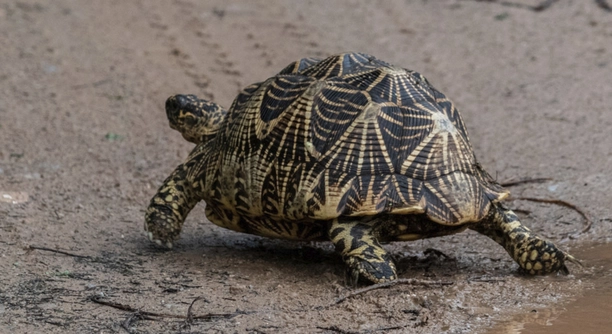
Star tortoises are delightful pets, known for their unique patterns and calm demeanor. As responsible owners, we want to make sure they stay healthy and happy. However, overfeeding can lead to several issues for your tortoise.
Overfeeding your star tortoise can cause obesity, digestive problems, and even organ issues. These signs are often subtle but can significantly affect your pet’s health if not addressed. It’s essential to monitor their diet carefully.
Recognizing the signs of overfeeding early can help you prevent long-term health issues. By understanding their dietary needs, you can ensure your star tortoise thrives and enjoys a balanced, healthy life.
Weight Gain and Pacing Issues
If your star tortoise has suddenly gained weight, it might be due to overfeeding. Weight gain is not always easy to spot, especially with the shell hiding much of the body. However, if your tortoise seems sluggish and reluctant to move, this can indicate extra weight from overfeeding. Their natural movement is typically slow and steady, but excessive food intake can make them sluggish or cause them to lose their natural energy. If they are pacing more than usual but not going anywhere, it could also mean they are uncomfortable with their weight.
This weight gain can strain their joints, making it harder for them to walk or explore their environment. It’s important to monitor the quantity of food given, especially high-calcium or high-protein items. The right balance helps avoid unnecessary weight gain.
For a healthy tortoise, offering a varied diet with proper portion control is crucial. Make sure to provide leafy greens and limit high-fat foods, as too much can lead to obesity. Regularly weighing your tortoise will help you keep track of any weight changes. Also, consider providing a larger enclosure with plenty of space to encourage movement, which can help prevent weight-related issues from becoming more serious.
Shell Deformities and Overgrowth
Another common sign of overfeeding in star tortoises is shell deformities. When they eat more than necessary, the rapid growth can lead to an imbalance in their shell’s shape. The shell may become soft, misshapen, or grow unevenly. These deformities are often a result of excess nutrients and minerals from overfeeding.
Proper care includes feeding them a balanced diet rich in fiber. A proper diet prevents unnecessary growth spurts, ensuring your tortoise maintains a healthy and strong shell. Additionally, making sure your tortoise has a proper environment with access to natural sunlight or UVB lighting will further support shell health. Regularly inspecting their shell for any signs of uneven growth can help you spot problems early.
Decreased Activity Levels
If your star tortoise is eating too much, they may show a noticeable decrease in activity levels. Overfed tortoises often become lethargic, spending most of their time resting. They might seem uninterested in exploring their habitat or basking in the sun. A lack of exercise can lead to further health problems.
Overfeeding impacts their metabolism, making them feel sluggish. Tortoises are naturally active, so if you notice they are less mobile than usual, it could be a sign that their food intake is too high. Regularly monitoring their activity and making changes to their feeding schedule will help.
To encourage more movement, consider adjusting the environment to be more stimulating. Adding new elements like different hiding spots or obstacles can motivate your tortoise to explore. A more active tortoise will help maintain its health and prevent unnecessary weight gain or other issues related to overfeeding.
Difficulty in Digestion
When your star tortoise eats too much, their digestive system can struggle to keep up. Signs of this may include bloating, lack of appetite, or irregular bowel movements. Overeating can lead to constipation or diarrhea, both of which are uncomfortable for your pet. If you notice these symptoms, it could be a sign of overfeeding.
Overfeeding also means the stomach has to process more food than it can handle at once. A tortoise’s digestive system works best with smaller, more frequent meals. When food is not properly digested, it can lead to weight gain and discomfort. To fix this, reduce the amount of food given at each feeding, and try to provide a more balanced diet.
The key to proper digestion is offering food that is easier to break down, like leafy greens and fruits, and avoiding overly rich or fatty foods. You should also keep an eye on how your tortoise reacts after eating to ensure they aren’t experiencing discomfort from the food provided.
Soft Shell
If your star tortoise has a soft shell, overfeeding may be the cause. Overfed tortoises are often given too much protein or calcium, leading to an imbalance in their shell growth. This can cause the shell to become soft and less durable.
To prevent this, avoid feeding foods that are too rich in protein and calcium, such as excessive high-fat fruits. Offering a variety of leafy greens and fiber-rich plants is better for shell health. A proper balance of these nutrients will help your tortoise grow a strong, healthy shell without becoming soft.
Poor Appetite
When a star tortoise is overfed, they may start to show a decreased appetite. This can happen because they’re eating more than they need, which leads to a lack of hunger. Overfeeding can also interfere with their natural feeding cycles.
Monitoring the amount of food you provide and adjusting accordingly will help restore your tortoise’s normal feeding habits. Offer them smaller meals more often to encourage eating without overwhelming their system. This approach helps maintain their natural appetite.
FAQ
What should I feed my star tortoise to avoid overfeeding?
To avoid overfeeding, it’s important to offer a variety of foods with the right balance of nutrients. Focus on providing leafy greens such as dandelion greens, collard greens, and mustard greens. You can also offer some grasses, weeds, and occasional fruits like strawberries or apples in small amounts. Avoid high-protein foods like too many flowers or excessive amounts of fruit, as these can lead to weight gain and health issues. Make sure the majority of their diet consists of fibrous plants to support digestion and overall health.
How much should I feed my star tortoise daily?
The amount to feed your star tortoise depends on its size and age. For adult tortoises, feeding them around 1-2 cups of food a day is typical. Juveniles need smaller portions but more frequent feedings. It’s essential not to overfeed, so monitor the amount closely. Always remember that a little food goes a long way, and you should be offering just enough to maintain a healthy weight without excess. Adjust the portions depending on how active your tortoise is. If they are inactive, you may want to reduce the food offered.
How can I tell if I am overfeeding my star tortoise?
Overfeeding signs are often subtle at first. You might notice that your tortoise becomes less active, with more frequent resting or lethargy. Another clear sign is weight gain, which can cause your tortoise to become slower and less mobile. Shell deformities like soft spots or uneven growth can also result from overfeeding. Additionally, you might notice digestive issues, such as constipation or diarrhea, indicating that your tortoise’s system can’t handle the food intake properly. A good way to monitor if you are overfeeding is to regularly check their weight and adjust their diet accordingly.
What are some signs that my star tortoise is not eating enough?
If your star tortoise is not eating enough, you may notice weight loss, lethargy, and a general lack of energy. A poor appetite can also be a sign that your tortoise is not getting the right nutrients. In extreme cases, you might see signs of malnutrition, such as a weak or soft shell. If your tortoise is refusing food, it may also be related to environmental factors such as temperature, humidity, or stress. Ensure they have access to the right kind of food and that their habitat is at the proper temperature for digestion.
Can I feed my star tortoise commercial food?
Commercial food can be used in moderation, but it should not be your star tortoise’s primary diet. Many commercial pellets or diets are high in protein or other nutrients that may not be ideal for your tortoise. It is best to offer natural, fresh foods like grasses, leafy greens, and flowers. If you decide to use commercial food, choose one that is specifically made for tortoises, and make sure it is high in fiber and low in protein. Always balance it with fresh foods to avoid nutritional imbalances.
Is it okay to give my star tortoise fruit regularly?
Fruit should be offered in small amounts, not as a regular part of your tortoise’s diet. While fruits like strawberries, apples, and melons can be tasty treats, they are often high in sugars and can lead to digestive issues or weight gain if fed too frequently. Fruits should only make up a small portion of their overall food intake, typically no more than 10-15% of their daily diet. Be cautious about how often you offer fruit to avoid potential problems related to overfeeding and sugar consumption.
How often should I feed my star tortoise?
Adult star tortoises should be fed once a day, while younger tortoises may require feeding twice daily due to their faster growth rate. However, it is important not to overfeed them. The key is consistency and portion control. If your tortoise is showing signs of overfeeding, such as becoming overweight or sluggish, you should consider reducing the quantity or frequency of meals. It’s always better to provide smaller, balanced portions more regularly than large portions all at once.
Should I provide supplements to my star tortoise’s diet?
Supplements can be beneficial but should be used cautiously. Calcium supplements are commonly recommended to ensure strong bones and shell health, particularly if your tortoise isn’t getting enough calcium from their diet. However, overuse of supplements can cause harm. You should also offer a proper UVB light source to help them synthesize calcium naturally. If you are unsure about the need for supplements, it’s best to consult a vet who specializes in reptiles to get advice on the right supplementation for your tortoise.
Can overfeeding cause long-term damage to my star tortoise?
Yes, overfeeding can lead to long-term health issues for your star tortoise. Obesity, shell deformities, digestive issues, and organ problems are some of the most common long-term effects of overfeeding. If overfeeding continues unchecked, it can reduce your tortoise’s life expectancy. It’s important to address any signs of overfeeding early to avoid these lasting health problems. Regular monitoring of their diet, weight, and overall health is essential to ensure your tortoise leads a healthy and happy life.
Final Thoughts
Caring for a star tortoise involves understanding the balance between feeding them the right amount of food and ensuring they stay healthy. Overfeeding can lead to various health problems, such as obesity, shell deformities, and digestive issues. It’s important to monitor their food intake and adjust portions according to their size, age, and activity level. Offering a variety of appropriate foods, such as leafy greens and grasses, while avoiding high-protein or sugary treats, is essential for their well-being.
While it’s natural to want to provide your tortoise with plenty of food, overfeeding can do more harm than good. Too much food, especially the wrong kind, can make them sluggish and increase the risk of health complications. It’s best to give them smaller, more frequent meals, especially if they’re young and still growing. As they age, their dietary needs change, so keeping an eye on their weight and energy levels is a key part of their care routine. By ensuring your star tortoise is getting the right balance of food, you’ll help them stay active and healthy.
Remember, a healthy tortoise is an active one. Encouraging them to explore their environment by controlling their food portions helps keep them moving and engaged. With proper care and attention, your star tortoise can live a long, happy life. If you notice signs of overfeeding, such as decreased activity or digestive issues, adjust their diet accordingly. Regular checkups with a veterinarian who specializes in reptiles can also help ensure that your star tortoise stays on the right track for a healthy future.

Hello,
If you enjoy the content that we create, please consider saying a "Thank You!" by leaving a tip.
Every little bit helps us continue crafting quality advice that supports the health, happiness, and well-being of pets around the world, for pets of all shapes, sizes, and species.
We really appreciate the kindness and support that you show us!