
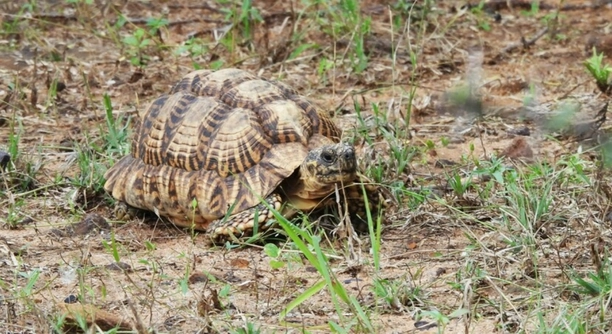
Knowing how to tell if your star tortoise feels comfortable is important for their well-being. These little reptiles rely on certain signs to show if they are at ease in their environment. Understanding these cues can help keep them happy and healthy.
A star tortoise that feels comfortable will exhibit relaxed behavior, such as active movement, eating, and basking regularly. Its shell should appear smooth and free of any signs of stress or discomfort, such as cracks or discoloration.
Recognizing these signs will allow you to ensure your tortoise’s comfort and make any necessary adjustments to its habitat. Understanding how to interpret their behavior is key to keeping them healthy and content.
Recognizing Healthy Eating Habits
A comfortable star tortoise will eat consistently and with enthusiasm. When your tortoise is comfortable, it will eagerly accept food and show interest in its meals. A healthy appetite is a sign that everything in its environment, from temperature to humidity, is well-balanced. If your tortoise is avoiding food or eating less than usual, it could indicate something is wrong. The key is to observe their eating patterns. If they seem lethargic or uninterested in food, you may need to adjust their habitat or check for health concerns.
An active, comfortable tortoise will typically eat on its own without being prompted.
Watch for any changes in feeding habits. A decrease in food intake or refusal to eat might indicate discomfort, stress, or an underlying health issue.
Additionally, the quality of the food provided plays a role in their well-being. Offer a variety of leafy greens and fresh vegetables. Avoid processed foods or items that could upset their digestive system. Proper nutrition ensures that your star tortoise remains healthy and comfortable in its home. Regularly reviewing its diet is one of the simplest ways to monitor its comfort levels.
Comfortable Movement Patterns
If your star tortoise is moving around its enclosure, it’s likely feeling comfortable. Tortoises that feel secure will wander, explore, and bask under heat lamps or in their hiding spots. Their natural curiosity will guide them as they search for food or a cool place to rest.
Movement is essential for their physical health. A lack of movement could be a sign of stress or discomfort. Sometimes, this can be caused by incorrect temperatures or inadequate space. A tortoise that feels trapped in its habitat or overheated may become inactive.
Basking and Temperature Regulation
When your star tortoise feels comfortable, it will spend time basking under a heat source. This is essential for regulating its body temperature and digesting food. If your tortoise isn’t basking or seems to avoid heat, it could indicate something isn’t right with the environment. Make sure there is a proper temperature gradient within the enclosure, with areas that are both warm and cool for them to move between. The basking spot should be around 90°F (32°C), allowing them to absorb heat efficiently.
A star tortoise might also burrow or hide to escape heat if it becomes too warm. This is normal behavior, as they seek out cooler spots when needed. If your tortoise is constantly hiding or seems lethargic, check the temperature settings in its enclosure.
The correct balance between heat and cooler areas is crucial for your tortoise’s comfort. A poorly regulated environment can lead to stress or health issues like dehydration or digestion problems. Using a thermometer to track the temperature can help you create an ideal habitat.
Clean Shell and Skin Appearance
A healthy star tortoise will have a smooth, clean shell and healthy skin. If its shell is dry, cracked, or shows signs of scaling, it might be uncomfortable or stressed. Regular cleaning and shell care are essential to keeping your tortoise comfortable and healthy.
A star tortoise will naturally keep its shell clean by moving around and basking. If the shell appears dull, dirty, or has unusual discoloration, this could be a sign that the tortoise is under stress, uncomfortable, or dealing with a health issue. Keep their habitat free from mold, excess moisture, or waste.
Your star tortoise’s shell and skin are good indicators of its overall health. Proper humidity and temperature play a big role in maintaining these aspects. Ensuring it has a balanced environment will help keep its shell looking smooth and vibrant. Regularly check for any signs of infection or injury.
Regular Exploration
A comfortable star tortoise will explore its enclosure, moving freely and showing interest in its surroundings. It’s important for them to have enough space to roam, as this helps keep them mentally stimulated and physically active.
If your tortoise seems to stay in one spot for long periods or avoids moving around, it may be a sign that it’s not comfortable. Check the size of its enclosure and ensure it has enough room to explore.
Providing hiding spots, plants, and obstacles encourages exploration. These features mimic natural habitats, promoting physical and mental health. A tortoise that spends time actively moving and investigating is likely content in its environment.
Balanced Habitat Conditions
Temperature, humidity, and lighting are crucial for a star tortoise’s comfort. Maintaining these elements correctly ensures your tortoise feels secure and healthy.
Check the humidity levels regularly, as too much moisture or dryness can cause stress. The temperature should be warm enough for basking but also provide cooler areas for resting.
Proper UV lighting is another key factor. UV rays are essential for your tortoise’s shell and bone health. Without adequate exposure, your tortoise may feel lethargic or unhealthy.
Social Behavior
Star tortoises are generally solitary animals, but they can display social behaviors when they feel comfortable. They may show curiosity toward other animals or their surroundings.
If your tortoise is showing signs of aggression or avoiding interaction, something in its environment might need adjustment. This could include stress from overcrowding or improper temperature regulation.
FAQ
How can I tell if my star tortoise is stressed?
A stressed star tortoise may show signs of lethargy, loss of appetite, or avoidance of movement. It could also hide excessively or appear more withdrawn than usual. These behaviors can indicate discomfort with its environment, such as improper temperatures, humidity, or lack of space. Additionally, a stressed tortoise may exhibit unusual behavior, like pacing or biting at its enclosure. Pay attention to these signs to adjust its habitat accordingly.
What should the temperature be in my star tortoise’s enclosure?
The basking spot should be around 90°F (32°C), while the cooler areas should be around 75°F (24°C). These temperature ranges allow your tortoise to regulate its body temperature properly, ensuring it stays active and healthy. The temperature gradient lets the tortoise move between areas to either warm up or cool down as needed. It’s important to use a reliable thermometer to monitor the temperature and adjust it as necessary. If the temperature is too high or low, your tortoise may experience stress and discomfort.
Can my star tortoise be kept with other animals?
Star tortoises are solitary by nature and are best kept alone. While they can occasionally tolerate the presence of other animals, it’s not ideal to house them with other species, especially in smaller enclosures. They may become stressed if they feel crowded or if other animals are too aggressive. If you do house your tortoise with another animal, ensure there is plenty of space and monitor their behavior closely. You may need to separate them if any signs of stress or aggression appear.
What type of food should I feed my star tortoise?
A star tortoise’s diet should consist primarily of leafy greens, vegetables, and occasional fruits. Examples of suitable foods include dandelion greens, kale, collard greens, and hibiscus flowers. Avoid offering lettuce, as it lacks nutritional value. Also, steer clear of high-protein foods, as they can cause health issues. Fresh water should be provided daily, and calcium supplements may be necessary to maintain healthy shells and bones. Avoid processed foods or those high in oxalates, as these can lead to kidney problems.
How often should I clean my star tortoise’s enclosure?
Regular cleaning of your tortoise’s enclosure is necessary to maintain a healthy environment. Clean the substrate, food dishes, and water containers at least once a week. If you notice waste buildup or a foul smell, clean it more often. The enclosure should be completely cleaned every month, including replacing the substrate and disinfecting surfaces. Keeping the enclosure clean helps prevent bacteria and mold from forming, which can cause illness. Be sure to dry the enclosure completely before adding fresh bedding or substrate.
Why is my star tortoise not eating?
If your star tortoise refuses food, it could be a sign of stress, illness, or environmental issues. Check the temperature and humidity levels, as improper conditions may cause it to lose its appetite. Other factors include a change in environment, overfeeding, or the presence of toxic plants in the habitat. If your tortoise continues to avoid food for several days or shows other signs of illness, such as lethargy or weight loss, consider consulting a vet.
How much space does my star tortoise need?
A star tortoise requires enough space to move freely and explore. As a general guideline, the minimum enclosure size for a single adult star tortoise should be 4 feet by 2 feet. Larger enclosures are always better, especially for active tortoises. It’s important to provide hiding spots, climbing structures, and plants within the enclosure to mimic their natural habitat. Overcrowding can cause stress, so ensure there is plenty of room for your tortoise to move around comfortably.
Is UVB lighting necessary for my star tortoise?
Yes, UVB lighting is essential for the health of your star tortoise. UVB rays help them produce vitamin D3, which is crucial for calcium absorption and shell development. Without proper UVB exposure, your tortoise may develop metabolic bone disease or other health issues. Use a high-quality UVB bulb that is specifically designed for reptiles, and ensure the light is positioned at the appropriate distance from your tortoise to provide effective exposure.
How can I prevent my star tortoise from getting sick?
To prevent illness, ensure your star tortoise’s habitat is clean, well-maintained, and properly heated. Regularly check the temperature and humidity, as fluctuations can stress your tortoise. Offer a balanced diet rich in fiber, calcium, and vitamins. Avoid overfeeding or offering inappropriate foods, such as high-protein items or sugary fruits. Monitor your tortoise’s behavior for signs of discomfort, such as lack of movement or appetite loss, and seek veterinary care if needed. Regular health checks can help catch any potential issues early.
Can I handle my star tortoise often?
While star tortoises are generally calm and can tolerate some handling, they are not particularly social animals and should not be overhandled. Excessive handling can cause stress and disrupt their natural behavior. Limit handling to short, gentle sessions, and always ensure your tortoise feels safe. If you need to move it, gently lift it using both hands and avoid sudden movements. Provide plenty of space in its habitat for it to feel secure and avoid stressing it out with too much interaction.
Final Thoughts
Understanding your star tortoise’s behavior and needs is essential to ensuring it remains healthy and comfortable. By paying attention to its eating habits, movement, and overall activity levels, you can easily detect if something is off in its environment. These small signs of discomfort are often the first indicators that adjustments need to be made. Whether it’s adjusting the temperature, improving the humidity, or ensuring proper nutrition, small changes can make a big difference in your tortoise’s well-being.
Creating a suitable habitat for your star tortoise is key to its comfort. This means providing enough space, the right lighting, and a proper temperature gradient. Star tortoises are creatures of habit, and maintaining a stable environment is vital for their long-term health. They need time to bask, hide, and move around freely, so ensure their enclosure is spacious and safe. Keeping the habitat clean is just as important, as it prevents the growth of harmful bacteria or mold that could affect your tortoise’s health.
Regular observation and attention to your star tortoise’s needs are the best ways to keep it comfortable. The more familiar you become with its habits, the easier it will be to spot when something isn’t quite right. With the right care, your star tortoise can live a long, happy life. Don’t hesitate to make changes when needed, as their comfort should always be a priority. By ensuring their physical, mental, and emotional needs are met, you will provide them with a healthy, thriving environment.

Hello,
If you enjoy the content that we create, please consider saying a "Thank You!" by leaving a tip.
Every little bit helps us continue crafting quality advice that supports the health, happiness, and well-being of pets around the world, for pets of all shapes, sizes, and species.
We really appreciate the kindness and support that you show us!