
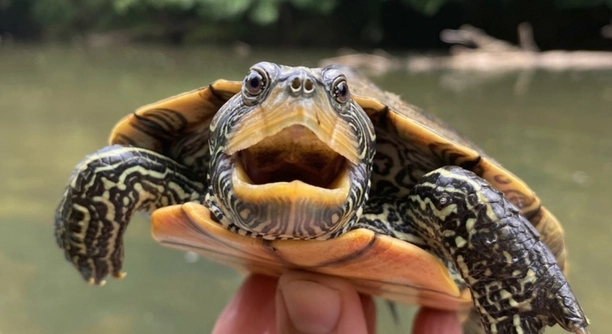
Map turtles are beautiful creatures, but keeping their tank clean can be a challenge. Algae growth is common in aquariums, and it can quickly take over the space, affecting the water quality and the health of your turtle.
To maintain an algae-free environment in your map turtle tank, ensure proper filtration, regulate lighting, and perform regular water changes. Introducing algae-eating species, such as snails, can also help manage algae growth and improve overall tank cleanliness.
Keeping your tank free of algae is essential for the well-being of your turtle. Implementing a few simple practices will keep your aquarium clean and healthy for your pet.
The Role of Filtration in Keeping Algae Away
A good filtration system is crucial for an algae-free map turtle tank. Filtration helps to remove excess nutrients in the water, such as nitrates and phosphates, which algae feed on. It also helps maintain water clarity by circulating the water, preventing algae from forming. Choosing the right filter depends on the size of your tank and the number of turtles you have. A filter that can handle at least three to four times the volume of your tank per hour is recommended.
Without a reliable filter, waste and debris can build up, making it easier for algae to grow. A high-quality filter will also reduce the frequency of water changes and help maintain stable water conditions, essential for the health of your turtle.
Consider investing in a canister filter or a powerful hang-on-back filter. Regular maintenance, such as cleaning the filter media and replacing it when necessary, will also ensure that it works effectively in preventing algae growth.
The Impact of Lighting on Algae Growth
Lighting plays a significant role in algae growth in your turtle’s tank. Too much light, especially from direct sunlight or overuse of aquarium lights, can encourage algae to thrive. It’s essential to provide the right amount of lighting to your turtle tank.
Limiting the amount of time the lights are on each day can help control algae. Aim for 8–10 hours of light, as this mimics natural daylight and prevents algae from having excess time to grow. Additionally, be mindful of the type of light bulbs you use, as some may promote algae more than others.
With proper lighting, your map turtle’s tank can stay algae-free, ensuring a healthier, clearer environment for your turtle.
Regular Water Changes
Regular water changes are essential for controlling algae in your map turtle’s tank. By changing 25-30% of the water every week, you remove built-up nutrients that algae need to grow.
Even with a good filtration system, water changes are necessary to keep things clean. Over time, waste from your turtle’s food, waste, and natural processes can cause nutrient buildup. This provides an ideal environment for algae to thrive. By sticking to a consistent water change routine, you reduce the chances of algae taking over.
Additionally, when performing water changes, use a siphon to remove any debris from the substrate. This helps keep your tank’s ecosystem balanced and your turtle healthy.
Algae-Eating Species
Introducing algae-eating species can be a natural solution for keeping algae at bay. Snails and certain fish, like plecos, are known to consume algae, helping to reduce its growth in the tank.
Before adding any species, ensure they are compatible with your map turtle. Snails are a great option as they work on both glass and decorations. Just make sure to choose the right size to avoid them becoming a potential snack for your turtle. Additionally, avoid overstocking the tank to ensure a healthy environment for all inhabitants.
Remember that algae-eating species are not a complete fix but can help maintain a cleaner tank with less effort.
Using UV Sterilizers
A UV sterilizer can be a game-changer for keeping your map turtle tank free of algae. It works by eliminating algae spores and harmful microorganisms in the water, reducing the chance of algae growth.
UV sterilizers are effective in controlling algae blooms that occur in the water column. They help prevent the cloudy, green water caused by algae, keeping your tank clear and healthy. While it’s not a standalone solution, a UV sterilizer can complement your filtration system and water change routine.
They can be installed as part of your filter system or separately.
Managing Tank Temperature
The temperature of the tank plays a crucial role in controlling algae growth. Warm water promotes faster algae growth, so it’s important to maintain a stable temperature within the ideal range for your turtle.
Most map turtles thrive in water temperatures between 75°F and 80°F. If the temperature is too high, algae may grow more quickly. Using a heater with a reliable thermometer can help keep the temperature consistent, preventing excessive algae growth.
Regularly check the water’s temperature to ensure it stays within the optimal range for both your turtle and algae control.
Limiting Feeding
Overfeeding your map turtle leads to excess nutrients in the tank, which fuels algae growth. Make sure to only feed your turtle as much as it can consume in 5-10 minutes.
Leftover food decays and raises nutrient levels in the water. If your turtle doesn’t eat everything, remove the uneaten food right away to avoid algae growth. By feeding your turtle the right amount, you’ll help maintain a cleaner tank and prevent unnecessary algae blooms.
FAQ
How can I prevent algae from growing in my map turtle tank?
To prevent algae growth, you need to focus on a few key factors: proper filtration, regulated lighting, regular water changes, and limiting nutrient buildup. Make sure your filtration system is powerful enough to handle the tank size, and perform weekly water changes to remove excess nutrients. Additionally, avoid leaving your tank lights on for too long. Consider using a UV sterilizer, and feed your turtle only the amount it can eat in one sitting to prevent leftover food from contributing to algae growth.
What should I do if algae still appears in my turtle tank?
If algae persists despite your best efforts, don’t panic. It might just be a sign that your tank’s environment needs some fine-tuning. First, recheck your water parameters to ensure they are within the ideal range. If you haven’t already, add algae-eating species like snails or certain fish that can help keep algae under control. Increase your water change frequency and monitor your lighting to make sure it’s not encouraging growth. Sometimes, adding a UV sterilizer can also help in keeping algae from blooming.
How often should I clean my map turtle tank?
Your map turtle tank should be cleaned regularly. You should perform partial water changes of 25-30% every week to maintain water quality. Additionally, use a siphon to clean the substrate and remove any waste or leftover food. Check your filter monthly to ensure it’s working effectively and clean it when necessary. Regular tank maintenance will keep both your turtle and its environment healthy.
Can algae harm my map turtle?
While algae itself isn’t harmful to your map turtle, excessive algae can cause problems. Algae blooms can cloud the water, reducing the visibility and affecting the oxygen levels, which can stress your turtle. Additionally, if the algae growth gets out of control, it can create an environment where bacteria thrive, which could lead to health issues for your turtle. Keeping the tank clean and managing algae is essential for your turtle’s well-being.
Are algae-eating fish or snails safe with map turtles?
Yes, algae-eating species like snails and certain fish, such as plecos, can help maintain a cleaner tank. However, you should ensure that the species you add are safe for your map turtle. Snails are generally a good choice, but larger snails may become prey for your turtle. Some fish, on the other hand, might be too small and could be eaten. Research the compatibility of the species you’re interested in to ensure they won’t harm or be harmed by your turtle.
How do I know if I’m overfeeding my turtle?
Overfeeding your map turtle is a common cause of algae growth. If you notice uneaten food in the tank after feeding, you are likely overfeeding. It’s best to feed your turtle only as much as it can eat in 5-10 minutes. If you are unsure, remove any leftover food right away. This helps to avoid nutrient buildup in the water, which can fuel algae growth.
Can I use chemicals to remove algae in my turtle tank?
While there are chemicals available for algae control, it’s generally best to avoid them in a turtle tank. Chemicals can harm your turtle, disrupt the balance of beneficial bacteria, and potentially affect the tank’s water quality. Instead, focus on natural methods like proper filtration, regular water changes, and introducing algae-eating species to keep algae under control. If you do choose to use algae treatment chemicals, make sure they are turtle-safe and follow the instructions carefully.
Is it okay if I don’t remove all algae from my tank?
It’s perfectly fine if you don’t remove every trace of algae from your map turtle tank. A small amount of algae is normal and can even be beneficial, providing a natural food source for your turtle. However, too much algae can lead to water quality problems. Regular maintenance and monitoring are key to keeping the algae in check while ensuring your turtle has a healthy environment.
What temperature should my map turtle tank be to reduce algae growth?
Temperature plays an important role in controlling algae growth. Higher temperatures encourage faster algae growth, so keeping your tank’s water at the right temperature can help manage it. Map turtles do well in water temperatures between 75°F and 80°F. Maintaining a stable temperature with a reliable heater will help prevent the conditions that promote excessive algae growth. Keep the temperature consistent and avoid making the water too warm for your turtle.
How long should I leave the tank lights on?
Lighting is a key factor in algae growth. To prevent excessive algae growth, keep your tank lights on for about 8-10 hours a day. This mimics a natural day-night cycle and prevents algae from having too much time to grow. If your tank is near a window or gets direct sunlight, it’s best to move it to a place with more controlled lighting to reduce algae blooms. Adjusting the light schedule can help keep algae under control.
Final Thoughts
Keeping your map turtle tank free of algae requires consistent effort and a well-maintained environment. By regularly cleaning your tank, controlling light exposure, and using proper filtration, you can significantly reduce the chances of algae growing. Monitoring the tank’s water quality and temperature is also important. Algae thrives in warm water, so keeping the temperature in the ideal range for your turtle can help prevent its overgrowth.
In addition to physical maintenance, you can also introduce algae-eating species like snails or certain fish to naturally help control algae levels. These creatures will work alongside your filtration system to maintain a cleaner tank. However, be mindful of your turtle’s diet, as overfeeding leads to excess nutrients in the water, which can fuel algae growth. Keep feeding sessions controlled and remove any leftover food promptly. This will reduce nutrient buildup and keep the water healthier for both your turtle and any algae-eating companions.
Ultimately, maintaining an algae-free tank is about finding a balance. A small amount of algae can be harmless and even beneficial for your map turtle, but if it gets out of hand, it can affect water quality and your turtle’s health. By staying on top of your tank maintenance routine and making necessary adjustments when needed, you can provide your map turtle with a safe and clean environment to thrive in.

Hello,
If you enjoy the content that we create, please consider saying a "Thank You!" by leaving a tip.
Every little bit helps us continue crafting quality advice that supports the health, happiness, and well-being of pets around the world, for pets of all shapes, sizes, and species.
We really appreciate the kindness and support that you show us!