
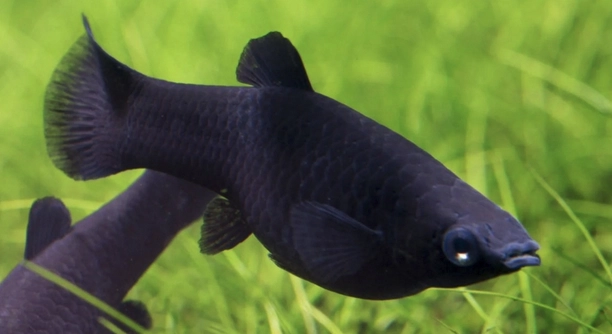
Keeping Black Molly fish healthy requires careful attention to their environment and diet. Parasites can quickly affect these lively fish, leading to stress, illness, and even death if proper preventive measures are not taken consistently.
Preventing parasites in Black Molly involves maintaining clean water conditions, avoiding overcrowding, and providing a balanced diet. Regular monitoring for early signs of infection and quarantining new fish before introducing them into the main tank significantly reduces the risk of parasite outbreaks.
Maintaining a parasite-free tank ensures your Black Molly remains vibrant and healthy. Proper care and attention form the foundation of long-term fish well-being.
Understanding Common Parasites in Black Molly
Black Molly fish are vulnerable to several types of parasites that can affect their health. Ich, also known as white spot disease, appears as small white dots on fins and scales. Gill flukes attach to the gills, causing difficulty in breathing. Skin flukes and internal parasites can also affect the fish, leading to lethargy, loss of appetite, and abnormal swimming patterns. Recognizing these signs early is essential for preventing severe infestations. Parasites often spread quickly in crowded tanks or tanks with poor water quality. Even healthy fish can become infected if a new fish carrying parasites is introduced without proper quarantine. Regular observation and routine maintenance are crucial. Maintaining clean water, proper filtration, and avoiding overfeeding helps reduce the likelihood of parasites. Knowledge of common parasites allows timely intervention and ensures the Black Molly remains active and vibrant in the aquarium environment. Prevention is easier than treatment once an infestation occurs.
Identifying parasites early reduces stress and improves recovery chances. Observation is key.
Proper care includes checking fins, gills, and behavior daily to spot early infections before they worsen.
Maintaining a Clean and Stable Tank
Keeping a tank clean is essential for preventing parasites. Regular water changes remove waste and reduce harmful bacteria. Proper filtration ensures debris does not accumulate, and testing water parameters helps maintain a stable environment. Black Molly are sensitive to sudden changes in temperature and pH, so gradual adjustments are important. Overcrowding increases stress and susceptibility to infection, so maintaining appropriate fish numbers is necessary. Avoiding overfeeding prevents leftover food from contaminating the water. Quarantining new fish for at least two weeks before adding them to the main tank minimizes the risk of introducing parasites. Tools used in the tank should be cleaned to prevent cross-contamination. Maintaining these habits consistently keeps the tank healthy and reduces parasite outbreaks.
Clean water and careful monitoring protect fish health and prevent parasite spread effectively.
A consistent tank maintenance routine involves weekly partial water changes, careful monitoring of water quality, and attentive observation of fish behavior. Even small lapses can allow parasites to establish and multiply. Feeding the correct amount of food prevents water contamination, and avoiding overcrowding reduces stress-related susceptibility. Regularly checking new fish in a separate quarantine tank helps stop potential infections before they reach the main tank. Using a reliable filtration system and cleaning it periodically ensures the tank remains free from organic buildup that parasites thrive on. Temperature and pH levels must remain stable, as fluctuations weaken fish immune systems. These practices, combined with careful handling and hygiene when using nets or tools, create a strong barrier against parasite infestations. Establishing this routine is an investment in the long-term health and vitality of Black Molly fish.
Quarantining New Fish
Quarantining new Black Molly before introducing them to the main tank prevents parasites from spreading. A separate tank for two weeks allows observation for signs of illness. This practice reduces risk and protects existing fish from potential infections, keeping the aquarium healthier overall.
During quarantine, monitor the fish closely for white spots, abnormal swimming, or labored breathing. Treat any symptoms immediately with appropriate medication or salt baths as needed. Keep water clean and stable, maintaining proper temperature and pH levels to avoid additional stress. Feeding should be controlled to prevent water pollution and allow observation of appetite changes.
Quarantine also provides a buffer to treat parasites without affecting the main tank. Medications or preventive treatments can be applied safely. Observing behavior and appearance during this period ensures only healthy fish join the main aquarium. This step minimizes the risk of introducing external parasites, supporting a stable and parasite-free environment.
Balanced Diet and Nutrition
Providing a balanced diet strengthens immunity against parasites. Black Molly benefit from high-quality flakes, frozen foods, and occasional live foods. Variety ensures essential nutrients for growth and resistance to disease. Feeding small amounts prevents overfeeding and water contamination, supporting overall tank health.
Nutritional balance impacts fish energy, coloration, and immune response. A combination of protein-rich foods and vegetable matter improves health and resilience against infections. Avoid low-quality or expired food, as it can weaken fish and increase susceptibility to parasites. Feeding consistently at the same times helps maintain digestive health and reduces waste buildup. High-quality flakes or pellets provide daily nutrition, while frozen or live foods supply essential vitamins and minerals. Including greens like blanched spinach or spirulina supports digestive function. Adequate nutrition directly contributes to parasite prevention and reduces stress-related illnesses.
A proper diet complements tank maintenance and quarantine practices. Healthy fish are less likely to develop infections, and consistent feeding routines enhance overall vitality. Providing a diverse menu ensures Black Molly remain active, vibrant, and better equipped to resist parasites naturally. Nutrition is a core part of keeping the aquarium environment stable and supportive.
Regular Observation
Daily observation of Black Molly helps detect parasites early. Watch for changes in swimming, appetite, and appearance. Small signs like faded colors or clamped fins can indicate stress or infection, allowing for quick intervention before problems worsen.
Keeping a close eye on behavior and physical condition ensures parasites are noticed early. Monitoring gills, fins, and scales regularly can prevent serious infestations. Early detection reduces treatment difficulty and helps maintain a stable, healthy tank environment.
Using Preventive Treatments
Preventive treatments, such as mild salt baths or parasite-specific medications, reduce the risk of infestations. Administer these treatments according to instructions, focusing on water quality, dosage, and duration. Preventive measures complement quarantine and tank maintenance routines to keep Black Molly healthy.
Avoiding Overcrowding
Overcrowding increases stress and susceptibility to parasites. Maintaining proper fish density ensures adequate swimming space, reduces aggression, and supports water quality, minimizing the likelihood of infections.
FAQ
What are the most common parasites in Black Molly?
The most frequent parasites include Ich, skin flukes, gill flukes, and internal worms. Ich appears as small white spots on the body and fins. Skin and gill flukes attach to the fish, causing irritation and breathing problems. Internal parasites may lead to weight loss, lethargy, or unusual swimming patterns. Early recognition of these parasites is essential to prevent serious infections and keep the tank environment stable.
How can I tell if my Black Molly has parasites?
Signs of parasites include clamped fins, rapid gill movement, faded colors, rubbing against objects, loss of appetite, or unusual swimming patterns. Observing the fish daily allows for early detection. Checking gills and fins carefully for tiny spots, white patches, or redness helps identify issues before they escalate. Maintaining consistent monitoring routines ensures that any signs of stress or infection are addressed promptly, reducing the risk of spreading parasites in the tank.
Can quarantine prevent parasites entirely?
Quarantine is a strong preventive measure but does not guarantee absolute prevention. A two-week quarantine of new fish allows observation for visible signs of illness or parasite infection. During this period, preventive treatments like salt baths or parasite-specific medications can be applied safely without affecting the main tank. Quarantine reduces the risk of introducing parasites into the established environment and provides a controlled setting to treat any early infections, keeping the main tank healthier.
How often should I check my fish for parasites?
Daily observation is ideal. Even minor changes in behavior, coloration, or appetite can signal early infection. Checking gills, fins, and scales during feeding or water maintenance helps detect potential parasites. This routine ensures timely intervention, reducing stress and the severity of infestations, which protects both individual fish and the tank ecosystem.
What preventive treatments work best for Black Molly?
Mild salt baths, parasite-specific medications, and maintaining clean water are effective preventive measures. Salt baths can help prevent skin flukes and external parasites. Medications should be used according to the label, focusing on proper dosage and timing. Maintaining water quality, avoiding overfeeding, and regular tank maintenance work together with treatments to reduce the risk of infestations. Consistent preventive care ensures the fish remain healthy and less vulnerable to parasites.
Does diet affect parasite prevention?
Yes. A balanced diet strengthens the fish’s immune system. High-quality flakes, frozen or live foods, and occasional greens support growth and resilience. Avoiding low-quality or expired foods prevents weakening the fish, which can make them more susceptible to parasites. Feeding controlled amounts prevents water contamination, maintaining a healthier environment that discourages parasite growth. Nutrition directly contributes to parasite resistance and overall fish vitality.
Can parasites come back after treatment?
Parasites can return if the environment is not properly maintained. Clean water, stable temperature, appropriate pH, and reduced overcrowding help prevent reinfestation. Quarantining new fish and using preventive measures consistently lowers the chances of recurring infections. Observation and routine care are essential to ensure parasites do not regain a foothold in the aquarium.
Are all fish in the tank at risk if one has parasites?
Yes. Parasites spread quickly in crowded or poorly maintained tanks. Isolating infected fish and treating the tank environment reduces the risk of transmission. Maintaining good hygiene, proper filtration, and regular water changes protects all inhabitants and minimizes outbreaks.
Final Thoughts
Maintaining a healthy Black Molly tank requires consistent care and attention. Parasites are a common concern, but they can be prevented with the right practices. Keeping the water clean, stable, and well-filtered is the foundation of parasite prevention. Regular partial water changes remove waste and reduce harmful bacteria that parasites thrive on. Monitoring water parameters such as temperature, pH, and hardness ensures the environment remains suitable for Black Molly, minimizing stress that could make them more susceptible to infections. Overcrowding should be avoided, as it increases stress levels and the risk of disease. Giving fish adequate space allows them to swim freely and maintain natural behaviors, supporting overall health. Using a reliable filtration system and cleaning it periodically further prevents debris buildup that encourages parasite growth. These environmental measures are the first and most effective line of defense against infections.
Quarantining new fish before introducing them to the main tank is another crucial step in parasite prevention. Even healthy-looking fish can carry parasites that remain hidden for days or weeks. A separate tank for at least two weeks allows careful observation and treatment if needed. During this period, preventive treatments such as mild salt baths or parasite-specific medications can be applied safely. Quarantine also provides an opportunity to monitor the fish’s appetite, swimming behavior, and appearance without affecting the established tank population. Early detection during this phase makes treatment more effective and prevents parasites from spreading. Combining quarantine with careful observation of existing fish strengthens the overall health of the aquarium, reducing the likelihood of future outbreaks.
A balanced diet plays a significant role in keeping Black Molly resistant to parasites. High-quality flakes, frozen foods, and occasional live foods provide essential nutrients that support immune function. Adding vegetables or spirulina supplements promotes digestive health and overall vitality. Feeding in controlled amounts prevents leftover food from contaminating the water, which can lead to parasite growth. Nutrition, tank maintenance, and quarantine practices together create a strong foundation for parasite prevention. Consistency in these habits ensures Black Molly remain active, vibrant, and less prone to infections. Focusing on these preventive measures rather than waiting to treat an infestation is the most effective way to maintain a healthy aquarium over the long term. A well-maintained tank not only keeps fish free from parasites but also enhances their natural colors, energy, and behavior, reflecting a thriving aquatic environment.

Hello,
If you enjoy the content that we create, please consider saying a "Thank You!" by leaving a tip.
Every little bit helps us continue crafting quality advice that supports the health, happiness, and well-being of pets around the world, for pets of all shapes, sizes, and species.
We really appreciate the kindness and support that you show us!