
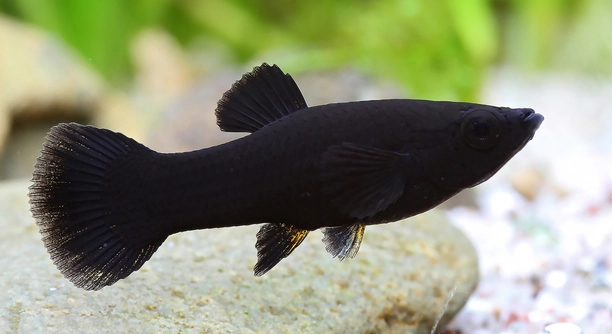
Are your black mollies acting shy or hiding in the corners of your tank? Many owners notice this behavior and wonder how to create a more welcoming environment for their fish. Comfort and safety are key for confidence.
Black molly confidence improves significantly when their tank provides stable water parameters, adequate hiding spots, gentle filtration, proper lighting, and consistent feeding routines. Maintaining these conditions reduces stress and encourages natural, bold behavior in black mollies within a controlled aquarium environment.
Creating a supportive environment is easier than it seems, and small adjustments can make a big difference in how your black mollies behave.
Stable Water Parameters
Maintaining stable water conditions is essential for black mollies to feel secure. These fish thrive in slightly alkaline water with a pH around 7.5 to 8.0. Temperature should be kept between 75 and 82 degrees Fahrenheit, with minimal fluctuations. Sudden changes in water chemistry can stress them and reduce activity. Regular water testing is a simple step to ensure ammonia, nitrite, and nitrate levels remain safe. Frequent partial water changes help maintain cleanliness and stability, while avoiding overfeeding prevents excess waste. Using a water conditioner removes harmful chlorine and chloramines, making tap water safe. Proper filtration ensures debris and toxins are removed efficiently without creating strong currents that may overwhelm mollies. Introducing new fish or decorations gradually helps maintain balance in the tank. Keeping a consistent lighting schedule further supports a stable environment. By following these measures, black mollies can swim confidently, display natural behaviors, and interact more actively with their surroundings.
Stable water conditions directly reduce stress, allowing black mollies to explore their tank freely and show bold, healthy behavior.
Monitoring water quality, maintaining temperature, and avoiding sudden changes are small steps with a big impact on molly confidence. Consistency creates a safe and engaging environment for them to thrive.
Adequate Hiding Spots
Black mollies benefit from having places to hide and feel secure.
Providing plants, caves, or decorations where they can retreat gives them a sense of safety. When mollies feel secure, they are more likely to explore, feed actively, and interact with other tank mates. Natural or artificial plants create shaded areas, which mimic their natural habitats. Rocks and small caves offer shelter from potential stressors and reduce aggressive encounters. Spacing hiding spots evenly across the tank prevents territorial disputes and allows all fish to access cover when needed. Floating plants can add a sense of security at the water’s surface and help dim bright lighting that may stress them. Hiding spots should be arranged in a way that does not block swimming areas entirely, giving mollies room to move freely. Observing your fish’s behavior over time can help determine if additional cover is needed. A well-planned tank layout with multiple shelters promotes confidence, encourages active exploration, and supports overall health and well-being for black mollies.
Gentle Filtration
A strong current can stress black mollies, so choose a filter that moves water gently while keeping it clean.
Using a sponge or adjustable filter allows water to flow without overwhelming the fish. Black mollies prefer calm areas for swimming and resting, and sudden surges can cause anxiety or hiding. Placement of the filter outlet matters; directing flow toward the tank wall reduces turbulence. Regular maintenance prevents debris buildup, ensuring consistent water quality. By balancing cleanliness with gentle water movement, mollies can feel secure and maintain normal activity levels without unnecessary stress.
Consistent, gentle filtration removes toxins and debris efficiently while avoiding harsh water movement. This balance supports natural swimming patterns and encourages black mollies to explore their environment confidently.
Filters should be inspected regularly, cleaned carefully, and adjusted as needed. Proper flow, combined with routine water checks, keeps the tank safe and comfortable, allowing mollies to display bold and healthy behavior naturally.
Proper Lighting
Black mollies need moderate lighting to feel comfortable.
Lighting should mimic natural day and night cycles, helping regulate feeding and activity. Too bright lights can stress fish, while too dim lighting may reduce activity. A timer ensures consistency, providing stability that supports their confidence and overall health.
Using moderate, evenly distributed lighting prevents shadows or overly bright spots that may make black mollies feel exposed. Floating or dense plants can soften light and create shaded areas, giving fish options for retreat and comfort. Balanced lighting enhances colors, encourages natural behavior, and supports plant growth, which in turn benefits the tank’s ecosystem. Consistent lighting schedules also help maintain a predictable environment, reducing stress and promoting active swimming, feeding, and interaction with other tank mates. Observing your fish under these conditions allows for adjustments, ensuring the tank feels secure and engaging.
Adjusting light intensity gradually when introducing new bulbs or fixtures helps mollies adapt without sudden stress, maintaining confidence and regular activity patterns throughout the day.
Consistent Feeding Routine
Feeding black mollies at the same times each day helps them feel secure and reduces stress. A predictable schedule encourages active swimming and natural foraging behavior.
Offering small portions multiple times daily prevents overfeeding and keeps water quality stable. Consistency helps black mollies anticipate food, building confidence and reducing hiding or anxious behavior.
Balanced Diet
Providing a varied diet ensures black mollies get the nutrients they need. Include high-quality flakes, pellets, and occasional live or frozen foods such as brine shrimp or bloodworms. A balanced diet supports growth, color vibrancy, and overall health. Regular supplementation with plant-based foods like spirulina helps mimic natural grazing behavior.
Feeding small, frequent meals encourages confident exploration during mealtime and reduces competition among tank mates. Observing how your fish respond to different foods can help adjust portions and variety to match their preferences. Overfeeding or monotonous diets may lead to stress, obesity, or poor water quality, which undermines confidence. A carefully managed diet ensures black mollies remain active, healthy, and comfortable in their environment.
Tank Size
A spacious tank allows black mollies room to swim and establish territories. Adequate space reduces stress and supports natural behaviors.
Water Temperature Stability
Keeping water temperature steady within the ideal range prevents sudden stress reactions. Stable warmth promotes comfort, feeding, and confident activity throughout the day.
FAQ
How do I know if my black mollies are stressed?
Stress in black mollies often shows through hiding, sluggish movement, or loss of appetite. Rapid gill movement, clamped fins, and frequent darting can also indicate discomfort. Monitoring daily behavior helps identify changes early. Ensuring stable water parameters, gentle filtration, and sufficient hiding spots reduces stress.
Can black mollies live with other fish?
Yes, black mollies are generally peaceful and can coexist with other non-aggressive species of similar size. Avoid fin-nipping or highly territorial fish. Observing interactions helps prevent conflicts and ensures all tank mates remain comfortable. Adding hiding places reduces potential stress from other fish.
How often should I clean the tank?
Partial water changes of 20–30% once a week are ideal. Cleaning filters, removing debris, and vacuuming substrate help maintain water quality. Overcleaning can disturb beneficial bacteria, so balance is essential. Consistency in maintenance creates a safe, healthy environment that encourages confident behavior.
What is the best temperature for black mollies?
The optimal range is 75–82 degrees Fahrenheit. Sudden temperature shifts can stress fish and suppress activity. Using a reliable heater and thermometer ensures stability. Gradual adjustments are safer when acclimating new fish or seasonal changes occur.
Do black mollies need live plants?
Live plants are highly beneficial. They provide hiding spots, reduce stress, and improve water quality by absorbing nitrates. Hardy species like java fern or hornwort are suitable. Floating plants create shaded areas, giving fish a sense of security and encouraging natural behavior.
How much should I feed my black mollies?
Feed small amounts two to three times daily, ensuring all food is eaten within a few minutes. Overfeeding can harm water quality and lead to obesity. A balanced mix of flakes, pellets, and occasional live or frozen foods keeps mollies healthy and active.
Can black mollies adapt to different water types?
They tolerate both freshwater and slightly brackish water but prefer stable conditions. Gradual acclimation to changes in salinity or pH prevents stress. Maintaining consistent water chemistry promotes confidence and overall well-being.
Why are my black mollies hiding constantly?
Excessive hiding usually signals stress from poor water conditions, strong currents, or aggressive tank mates. Reviewing tank setup, water parameters, and feeding routines helps identify the source. Providing multiple hiding spots and calm water encourages more active and confident behavior.
Do black mollies need a specific tank size?
A minimum of 20 gallons is recommended for a small group. Larger tanks provide swimming space, reduce territorial disputes, and improve water stability. Adequate space is essential for confident, natural behavior and overall health.
How can I improve my black mollies’ color?
A varied diet with high-quality flakes, pellets, and occasional live or frozen foods enhances coloration. Proper lighting and clean water also play a role. Avoid overcrowding, as stress and poor water quality can dull colors and reduce activity.
Are black mollies sensitive to light?
Yes, they prefer moderate lighting that mimics natural day and night cycles. Too bright or sudden light changes can stress them, while dim lighting may reduce activity. Floating or dense plants help soften light and provide shaded areas.
How often should I test the water?
Weekly testing for pH, ammonia, nitrite, and nitrate levels is sufficient for a stable tank. Frequent testing during changes, like adding new fish or adjusting temperature, ensures parameters remain safe. Consistency supports confidence and prevents stress.
What decorations work best for black mollies?
Caves, rocks, and plants create shelter and reduce stress. Avoid sharp edges or overcrowding. Arranging decorations to leave open swimming areas while providing multiple hiding spots helps mollies feel secure and encourages natural exploration.
How do I acclimate new black mollies?
Float the bag in the tank for 15–20 minutes to equalize temperature. Gradually mix small amounts of tank water into the bag every few minutes. Slowly introducing them reduces shock and stress, promoting confident adjustment to their new environment.
Can black mollies live in brackish water long-term?
Yes, they can tolerate slightly brackish conditions. Adding a small amount of aquarium salt gradually helps them adjust. Maintaining consistent salinity and monitoring behavior ensures health and encourages confident swimming.
How do I prevent fin rot in black mollies?
Keep water clean, avoid overcrowding, and maintain stable parameters. Observing for early signs, such as frayed fins or discoloration, allows prompt treatment. Healthy, stress-free fish are less prone to disease.
Is it necessary to separate aggressive tank mates?
Yes, aggressive or territorial fish should be kept apart. Black mollies are peaceful, and constant harassment can cause hiding, stress, or injury. Proper tank planning ensures safety and promotes confident behavior.
How do I know if my tank is too crowded?
If fish compete for space, hiding spots, or food, the tank may be overstocked. Adequate space reduces stress and supports natural swimming patterns. Maintaining proper stocking levels encourages bold and active behavior among black mollies.
What is the lifespan of black mollies?
With proper care, black mollies live three to five years. Stable water, balanced diet, and a stress-free environment support longevity and active, confident behavior throughout their life.
How can I encourage black mollies to explore the tank?
Provide multiple hiding spots, gentle water flow, and varied terrain. Regular feeding and consistent routines encourage activity. Observing and adjusting the environment ensures fish feel secure while remaining active, confident, and healthy.
Black mollies are sensitive and curious fish that respond strongly to their environment. Their behavior often reflects the conditions in which they live, making it essential to provide a stable, comfortable tank. Proper water parameters, including temperature, pH, and cleanliness, form the foundation for confident and healthy fish. Sudden changes or poor water quality can cause stress, hiding, or lethargy, while consistent monitoring and maintenance encourage natural swimming and social behaviors. Over time, attentive care allows black mollies to develop a routine and feel secure, which is visible through active movement and willingness to explore different areas of the tank.
Equally important are the physical aspects of the tank. Adequate hiding spots, gentle filtration, and moderate lighting create a sense of security that black mollies rely on. Plants, rocks, and other decorations provide shelter while leaving space for swimming, which reduces territorial disputes and anxiety. Light and shade balance also supports natural behavior, as mollies can retreat when they feel exposed. A well-arranged tank helps them feel in control of their environment, reducing fear and encouraging bolder activity. Additionally, a consistent feeding schedule with a varied diet supports their health and confidence, as fish learn to anticipate food while staying active during mealtime. Small adjustments, like adding floating plants or rearranging decorations, can significantly improve their comfort and overall behavior.
Observing black mollies over time reveals the impact of these conditions. Fish that feel safe and well cared for show improved coloration, more active swimming patterns, and willingness to interact with tank mates. Stress-free fish are less prone to disease and demonstrate behaviors closer to what they would exhibit in a natural setting. Maintaining a stable environment, combined with careful attention to diet, lighting, and tank structure, supports their confidence and long-term health. Creating a balanced, predictable environment is not complicated but requires consistent care. By focusing on these key areas, owners can ensure that black mollies thrive, feel secure, and display natural, confident behaviors that reflect their true potential in an aquarium setting.

Hello,
If you enjoy the content that we create, please consider saying a "Thank You!" by leaving a tip.
Every little bit helps us continue crafting quality advice that supports the health, happiness, and well-being of pets around the world, for pets of all shapes, sizes, and species.
We really appreciate the kindness and support that you show us!