
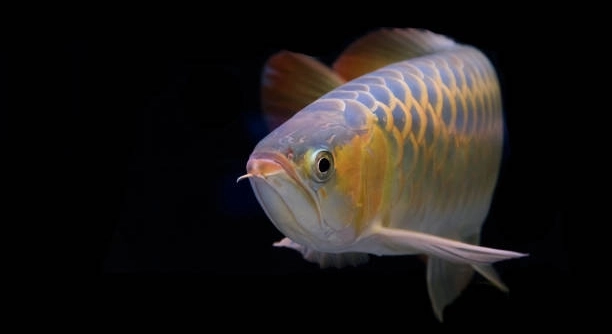
Arowanas are striking fish admired for their beauty and grace. Their size and active nature, however, make them prone to accidental injuries in captivity. Proper care and awareness of their environment are essential for their safety and wellbeing.
Preventing self-injury in Arowanas involves maintaining an adequately sized tank, minimizing sharp or hazardous decorations, ensuring stable water parameters, and reducing stress. Providing proper lighting, smooth surfaces, and consistent feeding routines helps lower the risk of collisions and harm.
By addressing these factors, you can create a safer habitat for your Arowana, allowing it to thrive while reducing potential accidents and health concerns.
Creating a Safe Tank Environment
Arowanas need plenty of space to swim freely, as restricted movement can cause stress and injuries. Choose a tank that is long and wide enough for their full adult size. Avoid sharp decorations or ornaments with rough edges that can cut fins or scales. Smooth rocks, driftwood, and safe plants are ideal. Make sure the tank has a secure lid, as Arowanas are strong jumpers and may injure themselves trying to escape. Position the tank away from high-traffic areas and sudden disturbances, which can startle the fish. Lighting should be gentle and consistent to avoid sudden flashes that could trigger frantic movements. Regular maintenance, including water changes and monitoring for debris, ensures the environment remains safe. Observing their behavior daily allows you to notice early signs of stress or injury, giving you a chance to intervene quickly. Attention to these details supports both health and comfort.
Providing a safe environment reduces injury risk and keeps your Arowana calmer, encouraging natural swimming behaviors and better overall health.
Consistently checking tank equipment, cleaning filters, and monitoring water quality prevents accidents and stress. Even minor changes in temperature, pH, or cleanliness can affect behavior. A well-organized tank with smooth surfaces, secure decorations, and adequate space allows Arowanas to explore without harm. Reducing clutter and avoiding overcrowding minimizes collisions. Proper lighting and regular water changes maintain stability, which lowers stress and aggressive responses. By carefully planning the layout and keeping up with maintenance, you can prevent common injuries such as torn fins or bruised scales. Paying attention to fish behavior and adjusting the environment accordingly is key. Arowanas are sensitive creatures that thrive under consistent, safe conditions.
Feeding and Routine Care
Proper feeding prevents sudden lunges and collisions, which are common injury causes.
Arowanas require balanced nutrition provided at consistent times. Overfeeding or irregular feeding can make them overly aggressive or anxious. Use a variety of foods, including pellets, live or frozen items, to support growth and reduce stress-related accidents. Observing how they eat helps prevent food disputes and ensures all fish receive proper nutrition. A calm and predictable feeding routine encourages natural behavior and keeps them from rushing and injuring themselves.
Monitoring Behavior and Health
Regular observation helps detect injuries early. Watch for unusual swimming patterns, rubbing against objects, or torn fins. Immediate attention prevents minor issues from worsening.
Arowanas often show subtle signs of stress before serious injury occurs. Reduced appetite, erratic swimming, or hiding frequently can indicate problems in the tank environment or health concerns. Documenting these behaviors over time helps identify patterns. Adjusting tank conditions, such as water quality, temperature, or lighting, often resolves these issues. Prompt treatment of minor wounds or infections reduces the risk of permanent damage. Being proactive supports both physical and mental wellbeing.
Maintaining a health log allows you to track growth, diet, and behavior. Noting any changes in scale appearance, fin condition, or activity can alert you to potential hazards. Preventive measures, including water testing, quarantine of new fish, and maintaining stable routines, are essential. Intervening quickly when something seems off keeps your Arowana safe and healthy. Awareness and consistency are key to preventing avoidable injuries.
Tank Setup Adjustments
Tank placement affects safety and stress levels. Position it away from vibrations and direct sunlight to reduce sudden movements.
Adjusting the tank layout improves circulation and swimming space. Avoid overcrowding and ensure hiding spots are accessible but not hazardous. Smooth decorations, rounded rocks, and driftwood minimize sharp contact points. Proper filtration prevents debris accumulation, which can harm fins. Check all equipment regularly, including heaters and pumps, for secure installation.
Water conditions and temperature should remain stable to reduce erratic behavior. Gradual changes prevent stress-induced collisions. Filtration, aeration, and heating must function consistently. Observing how the Arowana interacts with new objects or rearrangements allows safe customization of the tank. Maintaining optimal conditions supports health, reduces injury risk, and encourages natural movement patterns.
Stress Reduction Techniques
Minimizing stress helps prevent self-injury. Keep the environment calm, avoid sudden noises, and maintain consistent lighting. Limit handling to only necessary situations to reduce fear and agitation.
Providing gentle water flow and secure hiding spots also lowers stress levels. Consistent feeding routines contribute to a predictable environment, helping the Arowana remain calm and less prone to accidents.
Quarantine for New Fish
New additions should be quarantined before entering the main tank. This prevents disease introduction and reduces stress on existing Arowanas. Careful monitoring during this period ensures that any signs of illness or aggression are addressed early. Proper quarantine protects both health and safety.
Regular Water Quality Checks
Test water parameters frequently. Maintaining stable pH, ammonia, nitrite, and nitrate levels prevents stress-related injuries. Poor water quality can lead to erratic swimming, fin damage, or other health complications, making regular monitoring essential for a safe habitat.
Avoiding Sharp Objects
Remove any sharp or jagged decorations from the tank. Smooth surfaces prevent accidental cuts or torn fins while allowing the Arowana to explore safely. Regular inspection of ornaments ensures ongoing safety and reduces risk of injury.
FAQ
How can I tell if my Arowana is injured?
Look for torn fins, missing scales, scratches, or bruises. Unusual swimming patterns, such as rubbing against tank walls or floating sideways, can indicate discomfort. Lethargy or hiding more than usual may also signal an injury or stress-related issue. Early detection allows for faster recovery.
What size tank is best to prevent injuries?
Arowanas require a long and wide tank to swim freely, ideally over 250 gallons for adults. Limited space causes collisions with walls and decorations. Providing ample swimming room reduces stress, encourages natural behavior, and minimizes the chance of self-inflicted injuries.
Can tank decorations cause harm?
Yes. Sharp edges or rough surfaces can tear fins and scales. Always choose smooth rocks, driftwood, or rounded ornaments. Avoid overcrowding the tank. Safe decorations allow the fish to explore freely without accidental harm while maintaining an aesthetically pleasing environment.
How often should water be changed?
Partial water changes of 20-30% weekly help maintain water quality. Stable water parameters prevent stress and erratic swimming, which often lead to injuries. Consistency in water changes is key to a safe and healthy environment for Arowanas.
Should I isolate aggressive Arowanas?
Yes. Aggressive tankmates can cause fights or stress-induced injuries. Quarantine or separate aggressive individuals until they calm down. Reducing aggression lowers the risk of physical harm and maintains a peaceful tank atmosphere.
What foods help prevent sudden lunging or collisions?
Feed a balanced diet of high-quality pellets, frozen or live foods, and occasional treats. Consistent feeding schedules reduce competition and frantic movements. Avoid overfeeding, as it can increase hyperactivity and risk of accidents in the tank.
How do I treat minor injuries?
Small cuts or torn fins can be treated with clean water, aquarium salt, or antiseptic solutions suitable for fish. Monitor healing closely. Remove aggressive tankmates or hazards until recovery is complete to prevent further harm.
Can lighting affect injury risk?
Yes. Sudden flashes or harsh lighting can startle Arowanas, causing rapid movements and collisions. Use consistent, gentle lighting and avoid direct sunlight or frequent changes to maintain a calm environment. Proper illumination supports healthy activity and reduces accidents.
Is it important to monitor behavior daily?
Absolutely. Daily observation helps detect stress, illness, or minor injuries early. Watching swimming patterns, appetite, and interactions with tankmates allows you to make adjustments before serious issues arise. Preventive attention is critical for long-term health.
Do water temperature fluctuations cause injuries?
Sudden changes can stress Arowanas, making them swim erratically or jump against tank walls. Maintaining a stable temperature within the ideal range for the species ensures calm behavior and reduces the likelihood of self-inflicted injuries.
How often should I inspect decorations and equipment?
Regular inspection prevents accidents from broken, sharp, or unstable objects. Check heaters, filters, and pumps for secure installation. Even minor wear or displacement can create hazards. Consistent monitoring ensures a safe environment.
Are hiding spots necessary?
Yes. Safe hiding spots reduce stress and provide retreat areas. Avoid sharp edges inside shelters. Properly placed hiding areas allow Arowanas to rest, feel secure, and decrease frantic swimming that may lead to injuries.
Can overfeeding lead to injuries?
Overfeeding can cause hyperactivity, competition, and aggressive lunging for food. Maintaining portion control and feeding schedules ensures calm behavior and reduces the risk of collisions or self-harm. Balanced nutrition supports overall health.
How do I know if my tank is overcrowded?
Signs include constant chasing, restricted swimming space, or frequent collisions. Arowanas need ample room to grow and swim. Overcrowding increases stress and risk of injuries. Adjust tank size or reduce the number of fish to maintain safety.
What role does filtration play in preventing injuries?
Proper filtration maintains clean water and stable parameters. Debris accumulation or poor circulation can lead to frantic swimming and collisions. A well-functioning filter supports both health and a calmer, safer environment for Arowanas.
Can I prevent jumping injuries completely?
Using a secure, well-fitted lid reduces jumping risk. Avoid startling the fish and maintain calm surroundings. While no method is foolproof, combining proper tank size, secure lid, and stable conditions greatly minimizes incidents.
How do I handle new fish safely?
Quarantine new fish to prevent disease and aggression. Gradually introduce them to the main tank after ensuring health. Careful monitoring during the first days prevents stress and reduces the chance of injuries from territorial disputes or sudden movements.
Is stress the main factor in self-injury?
Stress is a major contributor. It causes erratic swimming, collisions, and fin damage. Reducing environmental stressors, maintaining routine, and providing space and hiding spots all contribute to a safer, injury-free habitat.
How often should I check water parameters?
Test water at least once a week for pH, ammonia, nitrite, and nitrate. Sudden changes can provoke rapid, unsafe movements. Frequent monitoring helps maintain stability, which is essential to prevent injuries and support overall health.
What immediate actions should I take if my Arowana injures itself?
Remove hazards or aggressive tankmates immediately. Clean the wound with appropriate treatment, maintain excellent water quality, and monitor behavior. Isolate if necessary until fully healed. Quick action prevents minor injuries from becoming serious health issues.
How can I make feeding times safer?
Feed slowly and in small amounts to reduce competition. Distribute food evenly across the tank to prevent lunging or rapid movements. A calm feeding routine minimizes stress and the risk of accidents, helping the fish maintain controlled, safe behavior.
Are temperature, light, and decorations the most common injury factors?
Yes, along with stress and overcrowding. Sudden changes, sharp objects, and inadequate space lead to collisions or fin damage. Maintaining stable conditions, smooth surfaces, and ample room is crucial to minimizing self-inflicted injuries in Arowanas.
Can behavior modification reduce injury risk?
Yes. Consistent routines, calm surroundings, and minimal disturbances encourage predictable swimming patterns. Observing individual behavior allows for adjustments, such as moving decorations or adjusting tankmates, reducing stress and preventing accidents over time.
Does water quality impact healing of injuries?
Absolutely. Clean, stable water promotes faster healing and prevents infection. Poor water conditions can worsen wounds, cause stress, and increase vulnerability to disease, emphasizing the importance of regular maintenance and monitoring.
Is it necessary to remove aggressive fish?
Yes. Aggressive tankmates can provoke fights or panic responses, leading to self-injury. Temporary or permanent separation ensures safety and reduces stress, supporting overall tank harmony and protecting the Arowana’s wellbeing.
How can I maintain a calm environment long-term?
Consistency is key. Maintain stable lighting, temperature, feeding schedules, and décor. Minimize sudden movements around the tank and avoid overcrowding. A predictable environment encourages calm behavior, reduces stress, and prevents injuries over time.
What is the best way to prevent repeated injuries?
Combine safe tank setup, stress reduction, consistent feeding, proper quarantine, and vigilant monitoring. Early intervention, smooth decorations, ample space, and calm routines collectively minimize the risk of repeated injuries and support long-term health.
Can minor injuries become serious if ignored?
Yes. Small cuts or fin tears can worsen, leading to infections or permanent damage. Prompt treatment, improved tank conditions, and careful observation are essential to prevent minor injuries from escalating into severe health issues.
How important is observation compared to preventive measures?
Both are essential. Preventive measures like safe tank setup, balanced feeding, and consistent routines reduce risk. Observation detects early warning signs, allowing timely intervention. Together, they provide the most effective strategy for keeping Arowanas safe and injury-free.
What is the best overall approach to keep an Arowana safe?
Prioritize a spacious, hazard-free tank, maintain stable water and lighting, monitor behavior daily, quarantine new fish, feed consistently, reduce stress, and address minor injuries immediately. This combined approach ensures a safe, healthy, and thriving environment.
How do I know if adjustments are working?
Observe behavior, swimming patterns, fin condition, and overall health. Reduced collisions, calmer swimming, and improved appetite indicate effective adjustments. Continuous monitoring ensures ongoing safety and allows further refinements as needed.
What should I do if my Arowana continues to injure itself?
Reevaluate tank size, décor, water quality, lighting, and tankmates. Consult a veterinarian or aquatic specialist for persistent issues. Targeted interventions, combined with preventive measures, help resolve ongoing injuries and support long-term wellbeing.
Can preventive care completely eliminate injuries?
While risks can never be fully removed, consistent preventive care—safe environment, proper feeding, stress reduction, quarantine, and observation—significantly minimizes injuries and promotes a healthier, calmer Arowana. Proper care reduces accidents and supports long-term health.
How often should I adjust the tank setup?
Adjustments should be made gradually and only when necessary. Frequent changes can cause stress, while careful, well-planned modifications enhance safety and comfort without disrupting established routines.
Is it necessary to document behavior and injuries?
Yes. Tracking changes helps identify patterns, spot problems early, and evaluate the effectiveness of interventions. Documentation supports informed decisions for long-term health and injury prevention.
How can I reduce risk during feeding and tank maintenance?
Minimize sudden movements, maintain consistent schedules, and remove obstacles. Ensure water changes and cleaning are calm, methodical, and predictable. Gentle handling reduces stress and prevents accidents during routine care.
Are water parameters more important than decorations for safety?
Both are critical. Stable water prevents stress and erratic behavior, while safe decorations prevent physical injuries. Neglecting either increases the risk of harm. Balancing both factors ensures a secure, comfortable habitat for the Arowana.
What is the role of routine observation in long-term injury prevention?
Routine observation identifies early signs of stress, illness, or injury, allowing prompt intervention. Combined with preventive measures, it ensures ongoing safety, promotes healthy behavior, and reduces the likelihood of serious accidents over time.
Can diet changes help prevent self-injury?
Yes. Balanced, appropriately sized meals reduce competition and frantic lunging. Consistent feeding schedules and proper nutrition support calm behavior, lowering the risk of self-inflicted injuries while maintaining overall health.
How do I balance tank aesthetics with safety?
Choose smooth, rounded decorations and maintain ample swimming space. Avoid overcrowding while creating natural hiding spots. Functionality and safety should always take priority over purely decorative elements to protect the Arowana.
Should I seek professional advice for recurring injuries?
Yes. Persistent injuries may indicate health issues, environmental problems, or behavioral concerns. A veterinarian or aquatic specialist can provide guidance, recommend treatments, and suggest environmental adjustments to prevent further harm.
How important is consistency in care routines?
Extremely important. Stable feeding schedules, water changes, lighting, and tank maintenance reduce stress and prevent erratic behavior. Consistency fosters a predictable environment, which is key to preventing injuries in Arowanas.
Do multiple preventive measures work better than a single approach?
Absolutely. Combining safe tank setup, stress reduction, consistent feeding, observation, and quarantine protocols offers the most effective protection. A holistic approach addresses multiple risk factors, significantly reducing injury probability and supporting long-term wellbeing.
Can minor stressors accumulate to cause injury?
Yes. Small, repeated stressors—like fluctuating water temperature, noise, or tank rearrangements—can build up, resulting in erratic swimming or collisions. Minimizing even minor stressors contributes to a safer environment.
What is the most common mistake in preventing injuries?
Ignoring small hazards, inconsistent routines, overcrowding, or poor water maintenance often leads to injuries. Attention to detail and proactive care are essential to prevent accidents and maintain Arowana health.
How can I support recovery after an injury?
Maintain clean water, provide calm surroundings, remove aggressive tankmates, and monitor feeding. Gentle care, minimal disturbances, and stable conditions promote faster healing and prevent secondary injuries.
Are there signs that the tank is still unsafe after adjustments?
Yes. Frequent collisions, stress behaviors, torn fins, or unexplained injuries indicate hazards remain. Continuous monitoring and further adjustments are necessary to ensure a safe environment.
What daily habits protect Arowanas from injury?
Observe behavior, feed consistently, maintain water quality, and check decorations. Calm, predictable interactions and a safe environment reduce stress and prevent accidents. Daily vigilance supports long-term safety and wellbeing.
How do I know when preventive care is effective?
Reduced injuries, calmer swimming patterns, stable appetite, and healthy fins indicate success. Monitoring these factors over time confirms that your preventive measures are working.
Can stress from other fish affect injury risk?
Yes. Aggressive or overly active tankmates can provoke panic swimming or collisions. Managing fish compatibility and reducing stress from interactions lowers the likelihood of self-injury.
Is monitoring water temperature critical during seasonal changes?
Yes. Fluctuations during winter or summer can stress Arowanas, causing erratic behavior and collisions. Using heaters, coolers, or insulation ensures stable temperatures, reducing injury risks.
Does tank lighting require adjustment for safety?
Lighting should be consistent and gentle. Sudden brightness changes or reflections can startle Arowanas, leading to rapid swimming and potential injuries. Stable lighting supports calm, controlled behavior in the tank.
Can Arowanas injure themselves when excited or feeding aggressively?
Yes. Sudden lunges or competition during feeding can result in collisions or fin damage. Controlled feeding routines, proper portions, and adequate space reduce the risk of injury during these moments.
Are larger Arowanas more prone to self-injury?
Yes. Adult Arowanas need more swimming space. Inadequate tank size or clutter increases the risk of collisions, stress, and injury. Providing sufficient space for their size is critical to prevent harm.
How important is hiding space for reducing injury risk?
Essential. Hiding spots lower stress, offer retreat areas, and reduce frantic movements. Properly placed shelters prevent injuries caused by sudden swimming or aggressive interactions, supporting both physical and mental wellbeing.
Should water flow be considered in injury prevention?
Yes. Strong currents can cause Arowanas to swim erratically and hit tank walls or objects. Gentle, controlled flow encourages natural swimming and reduces the chance of self-inflicted injuries.
Can minor injuries affect long-term health?
Yes. Untreated cuts, fin tears, or bruises can lead to infections, stress, or permanent damage. Prompt care and preventive measures are essential to maintain long-term health and prevent recurring injuries.
Is observation during feeding more critical than other times?
Feeding periods often trigger sudden, fast movements, increasing injury risk. Observing behavior during feeding allows you to intervene quickly, adjust portions, or modify routines to prevent accidents.
How do I maintain a balance between stimulation and safety?
Provide enrichment like safe decorations, hiding spots, and gentle currents without overcrowding or sharp objects. Controlled stimulation encourages natural behavior while minimizing the risk of injuries.
Can repeated minor injuries affect behavior?
Yes. Fish may become stressed, hide excessively, or swim erratically after repeated injuries. Reducing hazards and ensuring calm routines prevents long-term behavioral and health issues.
Are live or frozen foods safer than pellets for preventing accidents?
Both can be safe if properly portioned. Live or frozen foods may trigger sudden lunges if overfed. Pellets reduce aggressive feeding but should be nutritionally balanced. Careful feeding practices are more important than food type alone.
What is the key takeaway for long-term injury prevention?
Consistent care, safe tank setup, stress reduction, stable water, balanced feeding, quarantine, observation, and prompt treatment collectively ensure an injury-free, healthy environment for Arowanas. Preventive measures combined with daily vigilance are essential for long-term wellbeing.
How often should I review tank setup and routines?
Regularly, especially after growth, seasonal changes, or adding new fish. Reviewing ensures ongoing safety, allows adjustments, and maintains optimal conditions for injury prevention.
Can small behavioral changes indicate risk before injuries occur?
Yes. Subtle changes like unusual swimming, hiding, or fin clamping signal stress or discomfort. Early recognition allows adjustments before injuries develop, protecting the fish’s health.
Does proper acclimation reduce injury risk?
Yes. Gradually acclimating new fish prevents shock, stress, and erratic movements. Slow introduction to temperature, pH, and environment lowers the risk of self-injury and promotes smoother adaptation.
How can I combine all preventive strategies effectively?
Integrate safe tank design, stress reduction, proper feeding, quarantine, observation, and prompt treatment. Daily vigilance and consistent routines create a secure, healthy environment, reducing the likelihood of injuries and supporting long-term wellbeing.
What signs indicate that preventive measures need improvement?
Frequent collisions, recurring injuries, unusual swimming, or fin damage suggest adjustments are needed. Continuous monitoring and proactive care ensure safety and effective injury prevention.
Is it better to adjust one factor at a time?
Yes. Gradual changes prevent stress. Observing the fish’s response to each adjustment helps identify what works and maintains stability, reducing the risk of accidental injury.
Can tank location affect injury risk?
Yes. Placing the tank in high-traffic or noisy areas can startle Arowanas, causing rapid swimming and collisions. A quiet, stable location supports calm behavior and lowers injury risk.
How does stress from handling contribute to injuries?
Frequent or rough handling can trigger panic swimming, fin damage, or collisions. Minimize handling to essential care, using calm, deliberate methods to reduce injury risk and stress.
Are preventive measures species-specific?
While general strategies apply to many large fish, Arowanas are particularly prone to jumping and collisions. Tailoring tank size, decorations, and routines to their behavior is critical for effective prevention.
Can water chemistry directly cause injuries?
Indirectly. Poor water conditions stress the fish, leading to erratic movements, collisions, or fin damage. Maintaining stable pH, ammonia, nitrite, nitrate, and temperature is essential for injury prevention.
Should I consider fish temperament in tank setup?
Yes. Aggressive or shy individuals may need separate spaces or additional hiding spots. Understanding temperament reduces stress and injury risk, promoting safer interactions.
How do I evaluate if a tank is injury-proof?
Observe swimming patterns, check decorations, monitor interactions, and track past injuries. A tank that supports calm, natural behavior with minimal accidents indicates a safe environment.
Can enrichment cause injuries if not managed carefully?
Yes. Unsafe decorations, sharp edges, or overcrowding can turn enrichment into hazards. Providing controlled, safe enrichment supports mental stimulation without risking physical harm.
How can I prevent injury during tank rearrangements?
Move items gradually, avoid sudden changes, and monitor the fish closely. Temporary hiding spots reduce stress, and ensuring decorations are secure prevents collisions during adjustments.
**Do all Arowanas respond the same way to preventive
Arowanas are beautiful and powerful fish that require careful attention to their environment. Their size, activity level, and sensitivity make them prone to injuries if their tank or routines are not well-managed. Providing a spacious, safe tank with smooth decorations, stable water conditions, and secure lids is the first step in preventing accidents. Paying attention to temperature, pH, and filtration ensures the fish remains comfortable and less likely to swim erratically or collide with tank objects. Consistent feeding schedules, appropriate portion sizes, and a balanced diet also contribute to calm behavior, reducing the risk of self-injury. Observing the fish daily allows you to notice early signs of stress, illness, or minor injuries, giving an opportunity to intervene before problems escalate. Even minor adjustments, such as rearranging decorations safely or adding gentle water flow, can have a significant impact on safety and overall wellbeing.
Preventive care goes beyond the physical setup. Stress management is equally important in keeping Arowanas safe. Loud noises, sudden movements near the tank, or overcrowding can cause panic swimming, which often leads to collisions and torn fins. Hiding spots and gentle lighting provide retreat areas and reduce stress, encouraging more predictable and controlled behavior. Quarantining new fish before introducing them to the main tank prevents disease and aggressive interactions that could lead to injuries. Combining preventive measures, stress reduction, and regular monitoring creates an environment where the fish can swim freely without unnecessary risk. Maintaining a daily routine that includes feeding, water testing, and observing behavior ensures both physical and mental health, making injury prevention an ongoing and manageable part of care.
Even with careful attention, injuries can sometimes occur. Prompt treatment of minor wounds, such as torn fins or small scratches, is essential to prevent infection and long-term damage. Removing hazards, temporarily isolating aggressive fish, and improving tank conditions supports recovery and prevents repeated accidents. Documenting behavior, water quality, and any incidents helps track patterns and identify potential risks early. Over time, these practices build a safer, more stable environment for the Arowana, reducing the likelihood of future injuries. By combining a safe tank setup, consistent routines, stress management, and attentive observation, you create the best conditions for an Arowana to thrive. A proactive and careful approach not only protects the fish physically but also promotes calm, natural behavior, ensuring long-term health and wellbeing.

Hello,
If you enjoy the content that we create, please consider saying a "Thank You!" by leaving a tip.
Every little bit helps us continue crafting quality advice that supports the health, happiness, and well-being of pets around the world, for pets of all shapes, sizes, and species.
We really appreciate the kindness and support that you show us!