
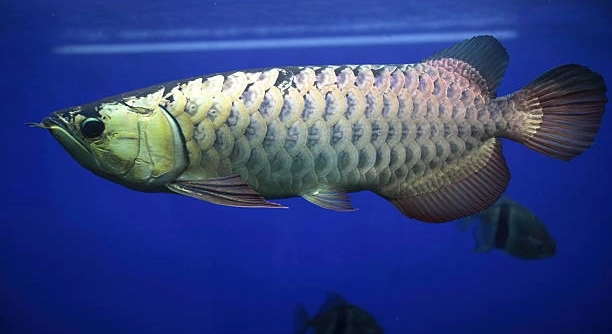
Are your arowanas showing signs of stress or sudden fright in their tank? A frightened arowana can become aggressive, hide excessively, or even injure itself. Understanding the causes of this behavior is essential for a calm environment.
The most effective way to calm a frightened arowana is by reducing sudden stimuli and maintaining a stable tank environment. Gentle movements, minimal loud noises, and consistent lighting help the fish regain a sense of security and reduce stress-related behaviors.
By following simple adjustments, you can create a soothing environment that encourages your arowana to feel safe and thrive in its aquatic home.
Identifying Stress Triggers in Arowanas
Arowanas are sensitive fish, and understanding what frightens them is key to maintaining a calm tank. Sudden movements near the tank, abrupt changes in water temperature, and loud noises can trigger stress responses. Overcrowding or introducing new fish without proper acclimation can also make your arowana anxious. Observing your fish carefully helps you notice subtle signs of fear, like rapid gill movement, darting across the tank, or pressing against the glass. Lighting changes, either too bright or inconsistent, may increase stress levels. Even vibrations from nearby appliances or tapping on the glass can startle them. Maintaining a predictable environment with regular feeding schedules and gentle interactions reduces unnecessary stress. By being mindful of these triggers, you can adjust the tank setup and daily care practices to create a calmer atmosphere. Attention to these details supports the fish’s long-term health, keeping it active and visually striking.
Tracking your arowana’s behavior regularly allows you to address triggers quickly and maintain a peaceful tank environment.
Consistent monitoring and small adjustments in the tank setup can significantly reduce stress. Using a tank cover or dimming lights temporarily during disturbances helps. Slow acclimation of new water or fish prevents panic. Creating hiding spots with decor or plants gives the arowana a sense of safety. Avoid tapping on the tank or sudden hand movements near the water surface. Providing high-quality, regular feeding while observing for changes in appetite can indicate stress levels. A calm, stable environment encourages natural behaviors, like smooth swimming and interaction with the surroundings. Over time, these practices build trust between the fish and its environment, allowing it to feel secure.
Techniques to Soothe a Frightened Arowana
Dim the lights or cover part of the tank to reduce immediate stress.
Gentle handling of the tank environment and minimal disturbance are critical. Avoid sudden feeding or cleaning routines that startle the fish. Introducing plants, rocks, or driftwood can create natural hiding spots and reduce anxiety. Consistency in feeding times and water conditions helps the fish anticipate daily routines, making it feel secure. Slow, deliberate movements near the tank prevent startling the arowana, while keeping the water quality stable ensures it does not face additional stressors. Noise reduction around the tank, like moving away from loud appliances or music, can also help. Over time, your fish learns the tank is safe, reducing frantic movements or hiding.
Regular observation allows you to notice subtle signs of stress early. Adjusting light, providing shelter, and maintaining stable water conditions create a secure environment. Limiting sudden interactions and disturbances ensures the arowana can regain confidence. Introducing decor strategically allows the fish to explore while having a retreat if needed. Avoid rapid water changes; instead, perform gradual adjustments to prevent shock. Feeding at consistent intervals supports health and reduces erratic behavior. A stable temperature and gentle water flow contribute to comfort. Small, consistent efforts in tank management and observation build a routine that minimizes fear responses, allowing your arowana to swim calmly and display its natural elegance.
Adjusting Water Conditions
Stable water conditions are crucial for calming a frightened arowana. Sudden changes in temperature, pH, or hardness can increase stress levels and trigger erratic behavior. Regular testing and gradual adjustments help maintain a healthy environment.
Keeping water temperature consistent is essential. Use a reliable heater and thermometer to prevent fluctuations. Test pH and hardness weekly, and make slow changes if needed. Arowanas are sensitive to chemical imbalances, so avoid over-cleaning or adding too many treatments at once. Filtration should be efficient but gentle to prevent strong currents that may startle the fish. Clean water reduces the risk of disease, which can increase anxiety. By monitoring these factors closely, you ensure your arowana’s environment remains predictable and stress-free.
Oxygenation is also important. Use air stones or proper filtration to maintain dissolved oxygen levels. Avoid overcrowding and remove uneaten food promptly. These steps keep the water clean and stable, supporting the arowana’s natural behavior. Consistency in maintenance routines helps the fish adapt and reduces fear. A calm, well-maintained tank promotes swimming freedom, feeding confidence, and overall health, allowing your arowana to feel secure and display its natural beauty.
Providing Safe Hiding Spots
Arowanas need spaces to retreat when they feel threatened. Adding plants, rocks, or driftwood can create secure zones that reduce anxiety.
Natural decorations give the fish areas to explore and hide without feeling trapped. Ensure hiding spots are large enough for the arowana to move freely without risk of injury. Avoid overcrowding the tank, which can increase stress. The arrangement should allow open swimming areas while still offering shelter. Soft plants, either live or artificial, help diffuse light and create shadowed areas. Driftwood or smooth rocks offer solid retreats. By providing a balance of hiding places and open spaces, you allow the fish to feel in control of its environment.
Hiding spots also help during maintenance or feeding times. When the arowana can retreat, it experiences less panic during disturbances. A secure environment encourages normal swimming patterns and interaction with the tank. Over time, the fish associates the tank with safety, reducing erratic movements and stress-related behaviors. Regularly check that decorations remain stable and free of sharp edges to prevent injury. By thoughtfully arranging the tank, you foster confidence and comfort, which helps maintain a relaxed, healthy arowana.
Minimizing Sudden Movements
Arowanas are easily startled by rapid movements near the tank. Slow, deliberate actions during feeding, cleaning, or observation help reduce fear. Consistent, gentle handling allows the fish to adjust and feel secure in its environment.
Avoid tapping the glass or leaning over the tank suddenly. Even small, abrupt gestures can trigger panic. Move carefully when adding food or water, and maintain predictable routines. Over time, the fish learns that these actions are safe, which reduces stress and prevents injury from frantic swimming.
Regulating Feeding Routines
Regular feeding times support arowana confidence and reduce anxiety. Consistency allows the fish to anticipate meals, lowering stress levels.
Feeding smaller portions at the same time each day prevents overfeeding and keeps water quality stable. Offering a variety of high-quality foods ensures balanced nutrition and supports overall health. Arowanas respond positively to predictable feeding routines, and this consistency helps them feel secure in their environment. Proper feeding encourages calm behavior, reducing erratic swimming and hiding tendencies.
Avoiding Overcrowding
Too many fish in the tank can heighten stress. Maintain a proper fish-to-tank ratio to ensure space for movement.
Overcrowding increases competition for food and territory, leading to aggressive interactions. Providing enough space allows your arowana to swim freely and establish its own territory, reducing fear and promoting calm behavior.
Monitoring Behavior Changes
Pay attention to sudden shifts in activity, appetite, or swimming patterns. Early detection helps prevent stress from escalating.
FAQ
How can I tell if my arowana is frightened?
A frightened arowana often shows rapid gill movements, sudden darting, or hiding in corners of the tank. They may refuse to eat or swim frantically when approached. Changes in coloration or clamped fins can also indicate stress. Observing your fish daily helps detect subtle signs early.
What immediate steps should I take if my arowana panics?
If your arowana panics, reduce disturbances immediately. Dim the lights or cover part of the tank to create a sense of safety. Move slowly and avoid tapping on the glass. Ensure water temperature and quality are stable, and give the fish space to calm down.
Can rearranging decorations calm a frightened arowana?
Yes. Adding hiding spots like driftwood, rocks, or plants helps the fish feel secure. Make sure decorations are stable and provide enough open swimming space. Overcrowding with too many decorations can increase stress instead of reducing it, so balance is essential.
Does water quality affect arowana stress?
Absolutely. Sudden changes in pH, temperature, or hardness can frighten an arowana. Regular testing, gradual adjustments, and stable water conditions reduce anxiety. Proper filtration and cleaning routines help maintain a calm environment. Avoid harsh chemical treatments unless necessary.
How often should I feed my arowana to reduce stress?
Feed at consistent times each day. Smaller, measured portions prevent overfeeding and keep water clean. A varied diet of high-quality foods supports health and reduces stress. Predictable feeding routines give the fish a sense of stability and security.
Is it normal for arowanas to hide after a sudden fright?
Yes, hiding is a natural coping mechanism. Providing secure areas in the tank allows the fish to feel safe. Over time, consistent routines and gentle care encourage the arowana to explore more and reduce hiding behavior.
Do tank size and other fish affect fear levels?
Yes. Overcrowded tanks increase stress and trigger fear responses. Maintain proper space for your arowana to swim freely and establish territory. Introduce new fish gradually and observe interactions to prevent stress-related behaviors.
Can temperature fluctuations cause panic?
Yes, sudden changes in water temperature can shock arowanas and trigger panic. Use a reliable heater and thermometer, and adjust temperature gradually. Stable conditions are essential for a calm and healthy environment.
Will loud noises scare an arowana?
Loud or sudden noises can startle arowanas. Keep the tank away from high-traffic areas, loud appliances, or heavy vibrations. A quieter environment helps reduce anxiety and prevents frantic movements.
How long does it take for an arowana to calm down?
The time varies depending on the fish and stress level. With consistent care, stable water, gentle handling, and secure hiding spots, many arowanas calm down within a few hours to a few days. Patience and routine are key.
Should I use supplements or medications to reduce stress?
Supplements are not usually necessary unless prescribed for health reasons. Focus on environmental stability, proper feeding, and gentle handling. Only use medications if the fish shows signs of illness that contribute to stress. Overmedication can cause more harm than good.
Can lighting changes help a frightened arowana?
Yes. Dimming lights or using a cover during disturbances reduces stress. Gradual, consistent lighting cycles support natural behavior, while sudden bright lights may trigger fear responses.
What is the role of hiding spots in long-term calm behavior?
Hiding spots allow arowanas to retreat when frightened. Over time, these areas build confidence, reduce panic responses, and provide a sense of security. They also encourage natural exploration and reduce territorial aggression.
How important is observation in managing a frightened arowana?
Daily observation is critical. It helps detect early signs of stress, illness, or environmental issues. Monitoring allows timely adjustments in feeding, lighting, water quality, and tank setup to keep the fish calm and healthy.
Can regular tank cleaning reduce fear?
Yes, but it should be done carefully. Sudden or aggressive cleaning can startle the fish. Gradual, consistent maintenance keeps water quality high, which indirectly reduces stress and promotes calm behavior.
A frightened arowana can be a challenging experience, but understanding their needs and behavior makes a significant difference. These fish are naturally sensitive to sudden changes, whether in light, temperature, water quality, or movements near the tank. By observing them carefully, you can recognize early signs of stress, such as rapid gill movement, darting across the tank, hiding, or refusing food. Addressing these signs quickly is essential to prevent long-term stress and potential injury. Maintaining a stable and predictable environment provides a sense of security, allowing the arowana to feel safe in its space. Consistency in care routines, including feeding schedules, water maintenance, and gentle handling, encourages calm behavior over time. When an arowana learns that its environment is reliable and free from sudden threats, it gradually becomes more confident, exploring the tank and displaying natural swimming patterns.
Creating a supportive environment involves several small but important adjustments. Stable water conditions are crucial; sudden changes in temperature, pH, or hardness can trigger panic. Regular testing and gradual adjustments ensure that the water remains comfortable for the fish. Proper filtration and oxygenation contribute to overall health while keeping the tank calm. Decorations and hiding spots provide the fish with areas to retreat when feeling anxious. Driftwood, rocks, and plants create secure zones while still leaving ample open swimming space. Balancing hiding areas with open spaces helps the fish maintain control over its surroundings, reducing fear and promoting exploration. Reducing noise and avoiding sudden movements near the tank further contributes to a relaxed environment. By combining these environmental adjustments with careful observation, you create a space where the arowana can thrive.
Feeding routines, interaction, and patient observation also play vital roles in reducing fear. Consistent feeding times allow the fish to anticipate meals, which helps lower anxiety and encourages normal behavior. Offering a varied, high-quality diet supports overall health and prevents stress-related issues. Observing the arowana daily allows for early detection of behavioral changes or signs of illness, enabling timely intervention. Patience is key, as it can take hours or days for a frightened fish to regain full confidence, depending on its temperament and the severity of stress. Small, consistent efforts in care, combined with a stable, supportive environment, build trust between the fish and its surroundings. Over time, the arowana becomes calmer, more confident, and able to display its natural beauty, creating a more enjoyable and peaceful aquarium for both the fish and its caretaker.

Hello,
If you enjoy the content that we create, please consider saying a "Thank You!" by leaving a tip.
Every little bit helps us continue crafting quality advice that supports the health, happiness, and well-being of pets around the world, for pets of all shapes, sizes, and species.
We really appreciate the kindness and support that you show us!