
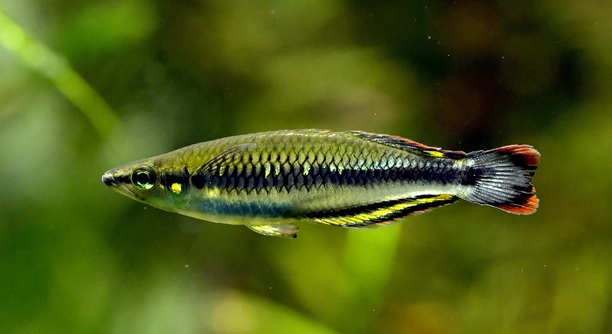
Keeping a rainbowfish tank clean can be challenging, especially when algae starts to grow. Algae can make the water cloudy and the tank look messy, taking away from the beauty of your colorful fish.
Preventing algae in a rainbowfish tank requires consistent maintenance, including regulating light exposure, controlling nutrient levels, performing regular water changes, and monitoring fish population. These measures create a balanced environment that discourages excessive algae growth effectively.
Maintaining a clear and healthy tank involves more than just cleaning—it takes planning and understanding how algae develops over time.
Understanding Algae Growth
Algae naturally develops in aquariums when there is light, nutrients, and water. Rainbowfish tanks are particularly prone because the fish produce waste that adds nutrients to the water. Overfeeding increases leftover food, which also feeds algae. Controlling light is important, as prolonged exposure encourages algae to grow faster. Proper tank placement away from direct sunlight helps slow this process. Regular water changes remove excess nutrients and keep the water balanced. Using live plants can compete with algae for nutrients, reducing its growth. Filtration plays a role as well; a good filter removes particles and improves water quality. Even small details like cleaning decorations or gravel prevent algae from settling in hard-to-reach spots. Algae may seem harmless at first, but unchecked growth can affect oxygen levels, water clarity, and fish health. Consistent observation is key. Monitoring the tank weekly lets you spot changes early. Adjusting feeding amounts, light duration, and cleaning routines makes a noticeable difference over time.
Maintaining balance in the tank is easier than dealing with an overrun tank later.
Simple steps like adjusting light, feeding properly, and regular cleaning prevent algae before it spreads, keeping your rainbowfish healthy and water clear.
Practical Prevention Tips
Controlling light is the first step in algae prevention.
Using a timer ensures the tank gets consistent light without exceeding recommended hours. Avoid placing the aquarium near windows where sunlight can intensify algae growth. Feed your rainbowfish measured portions, removing uneaten food promptly. Introduce fast-growing plants to use up nutrients algae would otherwise consume. Clean the filter and change water weekly to maintain optimal water quality. Scrape algae from decorations and glass during these cleanings. Testing water parameters helps you understand nutrient levels, ensuring the environment favors fish rather than algae. Avoid overcrowding; too many fish increase waste and nutrient levels. Consider adding algae-eating species compatible with rainbowfish for additional control. Small, consistent efforts prevent major outbreaks. Regular observation of tank conditions allows early intervention when algae appears. By combining light control, proper feeding, and routine maintenance, algae growth remains manageable. Over time, these habits create a stable, healthy tank where rainbowfish thrive and water stays clear, minimizing the need for drastic cleaning measures.
Feeding Habits and Algae Control
Overfeeding rainbowfish contributes to algae growth in the tank. Extra food breaks down and releases nutrients that algae use to multiply quickly.
Carefully measuring daily portions prevents leftover food. Feed small amounts that the fish can finish within a few minutes. Uneaten food should be removed immediately to stop decay. Using sinking pellets or controlled feeding methods can reduce surface residue, lowering nutrient availability for algae. Observing your fish helps adjust portions as they grow or their appetite changes. Consistent feeding routines not only improve fish health but also maintain cleaner water. Avoiding overfeeding is one of the simplest and most effective ways to manage algae.
Feeding less doesn’t harm the fish; it encourages a cleaner tank and a healthier environment.
Regularly monitoring feeding habits ensures your rainbowfish thrive while algae growth stays in check. Adjust portions as needed and remove leftovers promptly to prevent excessive nutrients. Over time, small changes in feeding practices significantly reduce algae presence.
Water Quality Management
Testing water regularly identifies nutrient imbalances that promote algae growth. Poor water quality accelerates algae development and impacts fish health.
Maintaining optimal water parameters is essential. Perform weekly water changes of 20 to 30 percent to remove excess nutrients and waste. Check ammonia, nitrite, nitrate, and phosphate levels, correcting them as needed. Filtration should be effective and cleaned periodically to maintain water clarity. Avoid using untreated tap water, as it may contain chemicals that harm fish and encourage algae. Using a dechlorinator and monitoring pH and hardness supports a stable environment. Consistent water quality management prevents sudden algae blooms and keeps the tank healthy.
Clear, balanced water reduces algae growth and promotes rainbowfish well-being. Proper filtration, regular water changes, and careful monitoring create conditions where algae cannot dominate. Maintaining a routine ensures long-term success, making the tank visually appealing and safe for the fish. Over time, these practices become habits that prevent common water issues. Healthy water benefits both fish and plants, creating a self-sustaining ecosystem that naturally resists algae proliferation.
Light Management
Too much light encourages algae to grow quickly in a rainbowfish tank. Limiting exposure helps control its spread.
Using a timer for 8 to 10 hours of light daily prevents excessive growth. Avoid direct sunlight, which can intensify algae problems.
Plant Competition
Live plants compete with algae for nutrients, helping keep its growth in check. Fast-growing plants are especially effective at absorbing excess nutrients. They improve water quality, provide shelter for rainbowfish, and naturally limit algae’s ability to take over the tank. Incorporating a variety of plants creates balance in the ecosystem.
Cleaning Routine
Regular cleaning removes algae before it becomes a problem. Scraping glass, vacuuming gravel, and cleaning decorations are simple steps that maintain a healthy tank and keep water clear.
FAQ
How often should I change the water in my rainbowfish tank?
Water changes are essential to prevent algae growth. Aim for a weekly change of 20 to 30 percent. This removes excess nutrients and waste that feed algae, while keeping the environment stable for rainbowfish. More frequent changes may be needed if the tank is heavily stocked or if algae appears faster. Regular observation helps determine the right schedule. Always use dechlorinated water at the same temperature to avoid stressing the fish.
Can I use chemicals to remove algae safely?
While some commercial algae removers exist, they should be used cautiously. Chemicals can harm rainbowfish or disrupt beneficial bacteria in the tank. It’s better to focus on natural control methods such as adjusting light, feeding, and water changes. If chemicals are necessary, follow the instructions precisely and consider removing sensitive plants or fish temporarily. Long-term reliance on chemicals may mask underlying issues rather than solving them.
Do rainbowfish eat algae naturally?
Rainbowfish may nibble on some algae, but they are not sufficient to control its growth entirely. Introducing algae-eating species like snails or certain shrimp can help, but compatibility must be considered. Relying on fish alone is usually not enough to maintain a clean tank. Combining natural grazers with proper tank care offers better control.
How much light is ideal for a rainbowfish tank?
Eight to ten hours of light per day is generally sufficient. Excessive light, especially from direct sunlight, accelerates algae growth. Using a timer ensures consistent lighting and reduces human error. Adjust the schedule slightly if algae becomes persistent or if live plants show growth issues. Maintaining balance is key for both fish health and algae control.
What is the best way to clean algae from decorations and glass?
Use an algae scraper or a soft sponge to remove buildup. Avoid abrasive materials that can scratch glass or acrylic. Clean decorations periodically by gently scrubbing them outside the tank or in a separate container with tank water. Gravel can be vacuumed during water changes to remove settled algae. Regular cleaning prevents algae from spreading uncontrollably.
Does water temperature affect algae growth?
Yes, warmer water can encourage faster algae growth. Keeping the tank at a stable, appropriate temperature for rainbowfish helps reduce rapid algae development. Sudden fluctuations in temperature may stress fish and create conditions favorable for algae. Monitoring temperature with a reliable aquarium thermometer is important.
How do plants help prevent algae?
Live plants compete with algae for nutrients such as nitrates and phosphates. Fast-growing plants are particularly effective. They absorb nutrients before algae can use them, while also providing hiding spots and natural shelter for rainbowfish. A well-planted tank maintains balance and reduces algae’s ability to dominate the environment.
Is overcrowding a problem for algae control?
Yes, too many fish produce more waste, increasing nutrient levels in the water. Overcrowding also stresses rainbowfish, which can reduce their immune response. Maintaining a proper fish-to-tank ratio limits excess nutrients and keeps algae growth manageable. Regularly evaluating tank population ensures balance.
How do I know if algae is harming my rainbowfish?
Algae itself is usually harmless, but excessive growth can reduce oxygen levels, block light for plants, and make water quality poor. Signs include cloudy water, fish hiding more, or plants struggling to grow. Acting early with proper maintenance prevents negative effects on rainbowfish health.
Are there natural ways to control algae besides plants and light management?
Yes, maintaining a balanced feeding routine, using algae-eating species, and cleaning the tank regularly all help. Proper filtration and monitoring water quality also contribute. Combining these methods creates an environment where algae cannot overtake the tank, keeping rainbowfish healthy and the aquarium visually clear.
Can adjusting feeding habits alone prevent algae?
Adjusting feeding is important but not sufficient alone. Feeding small, controlled portions reduces excess nutrients, but it must be paired with water changes, light control, and tank cleaning for effective algae prevention. Observation and consistency are key.
What should I do if algae keeps coming back?
Persistent algae usually indicates an imbalance in light, nutrients, or cleaning routines. Evaluate feeding, water changes, light exposure, and plant growth. Making gradual adjustments to these factors helps restore balance. Using algae-eating species can assist, but consistent maintenance is the most reliable solution.
Is using a filter really necessary for algae control?
Yes, a properly functioning filter removes particles, debris, and excess waste that would otherwise fuel algae growth. Clean filters regularly to maintain efficiency. A combination of filtration, water changes, and proper feeding is more effective than any single method.
Can tap water cause algae problems?
Untreated tap water may contain minerals and chemicals that encourage algae growth. Always use a dechlorinator and test water parameters. Maintaining stable conditions minimizes algae development while keeping rainbowfish healthy.
How long does it take to see results after changing tank habits?
Results can appear within a few weeks if feeding, light, water quality, and cleaning are adjusted consistently. Some algae may persist on surfaces initially, but growth slows as balance is restored. Patience and regular observation are important to track progress.
Are there signs that the tank is well-balanced?
Clear water, healthy fish, minimal algae growth, and thriving plants indicate a balanced tank. Consistent maintenance ensures these conditions last over time, making algae easier to manage.
Final Thoughts
Maintaining a rainbowfish tank takes patience and attention, but it is very rewarding. Algae growth is a natural part of an aquarium, but when left unchecked, it can make the tank look messy and affect water quality. By focusing on consistent care, you can prevent algae from becoming a major issue. Regular water changes, controlled feeding, proper lighting, and a balanced fish population are the foundation for a healthy tank. Even small adjustments, like reducing light by an hour or removing uneaten food promptly, make a noticeable difference over time. It is important to remember that managing algae is about creating balance rather than eliminating it completely. A little algae is harmless, but proactive steps keep it from taking over.
Using live plants in the tank is one of the most effective ways to naturally manage algae. Fast-growing plants compete with algae for nutrients, slowing its growth and improving water quality. They also provide shelter and hiding places for rainbowfish, which supports their health and reduces stress. Combining plants with good filtration and regular cleaning routines strengthens the tank’s ecosystem. Observing your fish and plants daily helps identify early signs of imbalance, allowing small corrections before algae becomes a problem. Over time, these habits become second nature, making maintenance less stressful and the tank more visually appealing. Creating this balance benefits both the fish and the overall environment, supporting a vibrant, thriving aquarium.
Consistency is key in keeping algae under control. Overfeeding, excessive light, and neglecting water changes are the most common causes of algae blooms. By managing these factors and maintaining a predictable routine, you create a stable environment that favors rainbowfish over algae. Including algae-eating species can provide extra support, but they are not a replacement for proper care. Maintaining water parameters, cleaning decorations and gravel, and monitoring fish health are all essential steps. While it may seem like a lot at first, each small action contributes to a cleaner, healthier tank. In the end, consistent attention to these details keeps your rainbowfish happy and the tank clear, creating an aquarium that is both beautiful and easy to manage.

Hello,
If you enjoy the content that we create, please consider saying a "Thank You!" by leaving a tip.
Every little bit helps us continue crafting quality advice that supports the health, happiness, and well-being of pets around the world, for pets of all shapes, sizes, and species.
We really appreciate the kindness and support that you show us!