
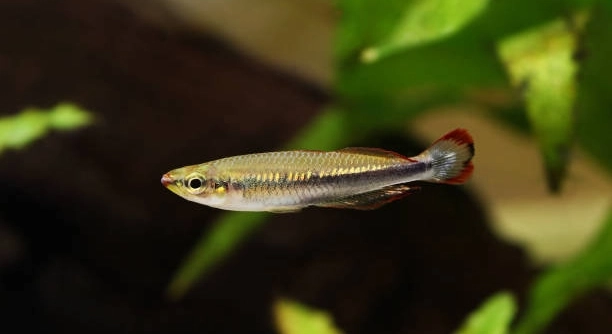
Rainbowfish are small, colorful freshwater fish often admired for their vibrant scales and lively behavior. Many aquarium enthusiasts enjoy watching them swim gracefully and interacting with their environment throughout the day. Their routines can be surprisingly structured.
Rainbowfish do exhibit behaviors influenced by the time of day, responding to light cycles rather than an internal clock. These fish adjust feeding patterns, activity levels, and coloration according to daylight, demonstrating a form of diurnal rhythm common in aquatic species.
Observing their daily habits can reveal patterns in movement and activity that are often subtle but consistent. These insights help in creating a suitable and healthy environment for rainbowfish.
How Rainbowfish Respond to Light
Rainbowfish rely heavily on light to regulate their behavior. In aquariums, they quickly learn the daily schedule, often becoming more active when the lights turn on and calmer as they dim. Their movement and interactions with other fish often correspond to changes in brightness. Bright light encourages exploration, feeding, and display of colors, while low light prompts resting near plants or hiding spots. This response is not unique to rainbowfish but is especially noticeable because of their active swimming patterns. Their eyes are sensitive to the spectrum of light, which allows them to detect subtle changes and adjust accordingly. By observing their behavior, one can notice when they anticipate feeding or show changes in social interaction. Even minor shifts in lighting can influence their routines, making it easier to predict activity levels at different times of day. This responsiveness makes them a fascinating study in simple, light-driven circadian rhythms.
Rainbowfish often show peak activity in the morning and late afternoon, aligning closely with light exposure.
Providing consistent lighting schedules helps maintain health and reduces stress, allowing rainbowfish to thrive and display natural behaviors reliably in their habitat.
Feeding Patterns and Daily Activity
Rainbowfish tend to feed more actively during daylight hours, especially when lighting mimics natural conditions.
Feeding behavior is closely linked to their perception of time, influenced by light cycles, which sets a natural rhythm for daily energy use.
Regular feeding times help rainbowfish maintain a predictable pattern of activity and rest. They often become restless shortly before feeding, swimming near the surface or moving closer to the food area. Over time, they appear to anticipate feeding times based on cues from light and routine. Their metabolism and digestion also align with this schedule, ensuring optimal energy use and growth. Inadequate or inconsistent feeding schedules can disrupt these patterns, causing stress and reduced activity. Observing how rainbowfish interact during feeding provides insight into their natural behaviors and social hierarchy. Adjusting feeding times to match natural light cycles can enhance their well-being, encourage natural movement, and strengthen coloration. Proper management of both lighting and feeding establishes a stable environment, supporting overall health and longevity.
Signs of Time Awareness
Rainbowfish display subtle changes in behavior that indicate awareness of the time of day. Activity levels, swimming patterns, and interactions with tank mates often shift predictably with morning, afternoon, and evening light.
Observing their daily movements can reveal how rainbowfish respond to light cues. They often become more active when the tank lights turn on, swimming near the surface or exploring decorations. In contrast, as the day progresses toward evening, they slow down, seeking shelter or resting near plants. Even minor changes in feeding times or light exposure can alter these patterns, showing their sensitivity to environmental cues and their reliance on routine.
Color changes also correspond with time of day and activity levels. During active periods, males display brighter hues, while in low-light or resting periods, colors become subdued. This rhythmic adjustment helps them communicate, establish social order, and conserve energy. Tracking these visual and behavioral cues can provide a reliable sense of their internal schedule.
Influence of Tank Environment
The setup of a tank strongly impacts how rainbowfish perceive time. Proper lighting, plant placement, and hiding spots create predictable patterns for daily activity.
A well-structured tank allows rainbowfish to follow a natural rhythm. Plants and decorations provide resting areas that are used more during dim periods. Open swimming spaces encourage activity during light periods, promoting exercise and healthy social interactions. Artificial lighting that simulates natural daylight cycles helps reinforce these patterns. Sudden changes in light or environment can confuse their routine, causing stress or irregular activity.
Water quality and temperature also influence time-based behaviors. Stable, clean water allows rainbowfish to maintain consistent feeding and activity schedules. Temperature fluctuations can shift activity peaks, reducing energy and affecting coloration. By maintaining an environment that supports their natural rhythm, rainbowfish show predictable patterns in swimming, feeding, and social interaction. Observing these patterns provides insight into their well-being and helps optimize tank care for healthier, more vibrant fish.
Light Cycles and Behavior
Rainbowfish adjust their activity according to the tank’s light schedule. They are more active during bright periods and tend to rest or hide when lights dim, showing a clear response to daily light changes.
Regular light cycles help rainbowfish maintain consistent feeding and movement patterns. Without a predictable schedule, their activity may become erratic, and stress levels can rise. Consistent lighting supports natural rhythms and keeps them healthy, promoting normal behavior and coloration.
Morning Activity Peaks
In the morning, rainbowfish often display their highest levels of activity. They swim energetically, explore their environment, and frequently interact with other fish. Feeding times aligned with morning light further enhance their alertness and engagement, helping them establish a routine that follows natural daylight patterns.
Evening Behavior
As evening approaches, rainbowfish slow down and seek shelter among plants or decorations. Activity levels drop, and colors may become less vibrant, reflecting their transition toward rest and reduced interaction.
FAQ
Can rainbowfish really tell the time of day?
Rainbowfish cannot tell time like humans do, but they respond strongly to light cues. Their behavior, activity, and coloration change based on the presence and intensity of light. Morning and afternoon periods often show higher activity, while evenings or dim lighting trigger resting behaviors.
How does lighting affect rainbowfish behavior?
Lighting is the primary environmental cue for rainbowfish. Bright light encourages swimming, exploration, and feeding, while dim light signals rest. Maintaining consistent lighting cycles helps regulate activity patterns, feeding, and social interactions. Sudden changes in light can stress the fish and disrupt their natural rhythms.
Do feeding times influence their daily patterns?
Yes. Rainbowfish quickly learn feeding routines and often anticipate mealtimes. Feeding at consistent times reinforces their internal rhythm, encouraging activity before and after meals. Inconsistent feeding schedules can cause erratic movement, reduced energy, and even increased aggression in social groups.
Why do rainbowfish change color during the day?
Coloration in rainbowfish is linked to both activity levels and social interactions. Males often display brighter colors during active periods for mating or social signaling. During rest or low-light periods, colors appear subdued. Proper lighting and feeding help maintain consistent coloration patterns.
Do rainbowfish sleep or rest at night?
Rainbowfish do not sleep like humans, but they enter a resting state. During this time, activity slows, they stay near hiding spots, and colors fade slightly. Providing plants or decorations allows them to feel secure while resting, supporting overall health and well-being.
Can tank setup affect their perception of time?
Absolutely. Plants, decorations, and open swimming spaces create predictable zones for activity and rest. A well-structured tank supports natural rhythms. Irregular layouts or sudden changes in tank environment can confuse the fish, causing stress or unpredictable behavior.
How can I encourage natural daily rhythms?
Consistent light schedules, predictable feeding times, and stable water conditions all reinforce natural daily rhythms. Avoid sudden changes in light or temperature. Observing their behavior regularly helps adjust care to match their natural cycles.
Do rainbowfish respond to human presence?
Rainbowfish can learn routines and may react when someone approaches at feeding times. They often become more active or swim toward the front of the tank. While not linked to time perception, this response shows they can anticipate patterns based on repeated cues.
Is it important to simulate natural daylight cycles?
Yes, simulating natural cycles with timers or gradual lighting changes supports their health. Light schedules influence feeding, social behavior, activity levels, and coloration. Consistent cycles reduce stress and promote predictable daily routines.
Can other environmental factors affect their daily patterns?
Temperature, water quality, and tank companions all influence behavior. Stable water conditions encourage consistent activity, while fluctuating conditions may disrupt patterns. Aggressive or incompatible tank mates can alter movement and feeding habits, highlighting the importance of a controlled environment for healthy rhythms.
How do I know if their routine is healthy?
Healthy rainbowfish show consistent activity during light periods, rest predictably at night, display natural coloration, and interact appropriately with tank mates. Irregular movement, faded colors, or stress signs indicate that adjustments in lighting, feeding, or tank environment may be needed.
Are there signs that their time-based behavior is off?
Erratic swimming, hiding constantly during the day, or refusing food can indicate disrupted rhythms. Observing patterns over days helps identify whether the issue stems from lighting, feeding, or water conditions. Correcting inconsistencies usually restores normal behavior.
Do rainbowfish need complete darkness at night?
Complete darkness is not always necessary but helps simulate natural night cycles. Low or dim lighting can suffice for resting periods. Sudden bright light at night can disturb rest and interfere with their internal rhythm, causing stress and irregular activity.
Can rainbowfish adapt to artificial light schedules?
Yes, they adapt well if the schedule is consistent. Timers or gradual light changes allow them to follow predictable routines, which support activity, feeding, social interaction, and overall well-being. Consistency is key to maintaining their natural rhythms.
Does tank size affect their activity patterns?
Tank size matters because more space allows natural swimming and exploration. Crowded or small tanks can limit movement, alter feeding behavior, and cause stress. Proper space supports predictable daily activity and promotes healthy interactions between fish.
How can I monitor their daily patterns effectively?
Observe swimming, resting, feeding, and social interactions over several days. Note peaks in activity and periods of rest. Recording behaviors in relation to light cycles and feeding schedules helps fine-tune care and ensure that natural rhythms are supported.
Are rainbowfish more active at certain times of the year?
In controlled aquariums, seasonal changes are minimal, but subtle adjustments in temperature or lighting may influence activity. Replicating natural seasonal light cycles can support natural behaviors and encourage more vibrant coloration throughout the year.
Do young rainbowfish follow the same daily patterns as adults?
Juveniles show similar responses to light and feeding cues but may have shorter active periods and higher rest frequency. Gradual exposure to consistent schedules helps them develop regular routines as they mature.
Can stress affect their perception of time?
Stress disrupts predictable behaviors, causing erratic swimming, hiding, or altered feeding responses. Ensuring stable water, consistent light, and compatible tank mates minimizes stress, helping rainbowfish maintain normal activity patterns.
How do tank decorations impact their routines?
Decorations provide hiding spots and resting zones, supporting the natural shift between active and rest periods. Open areas encourage swimming during light periods, while shelters offer safety during dim periods, reinforcing their daily rhythm.
Are there ways to enhance observation of their routines?
Using consistent light schedules, timed feeding, and quiet observation times allows clear monitoring of activity peaks, color changes, and resting behavior. Noting these patterns provides insight into overall health and helps maintain a stable environment.
Final Thoughts
Rainbowfish are fascinating creatures, not just because of their bright colors but also because of their clear responses to daily light cycles and feeding routines. Observing them over time shows that they follow predictable patterns. They swim actively during the day, explore their tank, and interact with other fish, while in the evening they slow down, seek shelter, and rest. These behaviors are influenced largely by the presence and intensity of light, showing that rainbowfish rely on environmental cues rather than an internal clock to organize their day. The way they adjust their activity levels and coloration throughout the day is a useful indicator of their overall health and comfort within the tank. When rainbowfish display consistent daily patterns, it usually reflects a stable environment, proper feeding schedule, and good water quality. Disruptions in these routines, on the other hand, can signal stress or an unsuitable habitat. Observing these cues carefully helps in understanding what they need to thrive.
Lighting, tank setup, and feeding schedules all play key roles in supporting rainbowfish’s natural rhythm. They respond best to a predictable environment. Consistent light cycles encourage normal swimming patterns and proper coloration, while dim or dark periods allow them to rest without stress. The tank layout also matters: plants and hiding spaces provide secure areas for resting, while open swimming areas promote movement and exploration during active periods. Feeding at regular times reinforces their daily rhythm and keeps them engaged and alert. If feeding schedules or light cycles are inconsistent, rainbowfish may show unusual behavior, such as excessive hiding, reduced activity, or signs of aggression. Maintaining these factors properly ensures that their behavior aligns with natural instincts. It also helps reduce stress, which can otherwise affect immune function, coloration, and social interactions. Paying attention to these details is essential for anyone aiming to keep rainbowfish healthy and active.
Understanding rainbowfish daily behavior provides insight into more than just activity patterns. It offers guidance on creating a tank environment that meets their needs, supporting both physical health and natural behavior. Watching how they respond to light, feeding, and environmental changes can indicate their comfort and well-being. By carefully monitoring and adjusting their habitat, you ensure they maintain predictable patterns, vibrant colors, and normal social interactions. This knowledge helps prevent stress-related problems and supports long-term health. Rainbowfish may not tell time like humans, but their routines reveal a strong connection to their environment. Observing and accommodating these patterns allows their natural behavior to flourish, creating a balanced, healthy, and engaging tank environment. Consistency in light, feeding, and tank setup ultimately ensures that rainbowfish live in a way that mirrors their natural instincts, allowing for a stable and vibrant aquatic life.

Hello,
If you enjoy the content that we create, please consider saying a "Thank You!" by leaving a tip.
Every little bit helps us continue crafting quality advice that supports the health, happiness, and well-being of pets around the world, for pets of all shapes, sizes, and species.
We really appreciate the kindness and support that you show us!