
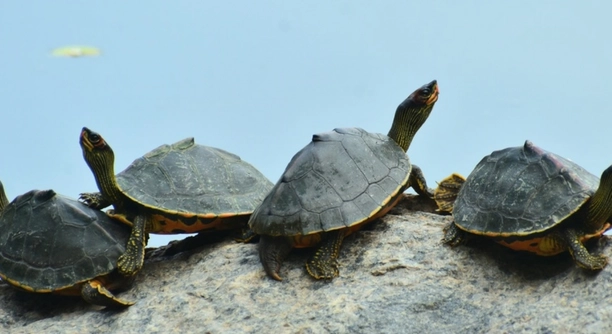
Algae growth in your Indian roofed tortoise’s water dish can be frustrating, but it’s a common problem for pet owners. Keeping your turtle’s water clean and free of algae is essential for their health and well-being.
To prevent algae growth in your tortoise’s water dish, regularly clean the dish, change the water frequently, and avoid placing it in direct sunlight. A filter can also help maintain water quality, keeping algae at bay.
By following a few simple practices, you can ensure a healthier, cleaner environment for your tortoise. These steps will also make your maintenance routine much easier.
Importance of Regular Water Dish Maintenance
Cleaning your tortoise’s water dish regularly is one of the simplest and most effective ways to keep algae from growing. Algae thrives in dirty, stagnant water, so it’s important to remove old water and rinse the dish thoroughly. If left unchecked, algae can not only affect the appearance of the dish but also harm your tortoise’s health by introducing harmful bacteria. The best practice is to clean the water dish at least every few days, ensuring it stays fresh. You might want to use a mild, non-toxic cleaner to scrub the dish and prevent any buildup.
If algae does start to grow, it is crucial to act quickly and remove it. A small amount of algae may not seem harmful, but it can spread quickly and turn into a larger issue. By consistently cleaning the dish and avoiding water stagnation, you can prevent most algae problems from arising.
While frequent cleaning is necessary, it also reduces the chances of other water-related health concerns, like bacterial growth. It’s a small effort that pays off in the long run by providing a cleaner, safer habitat for your tortoise.
Preventing Sunlight Exposure
Algae growth can be accelerated when your tortoise’s water dish is exposed to sunlight. Sunlight creates the perfect environment for algae to bloom, as it offers warmth and light. If your water dish is kept outside or near a window, moving it to a shaded spot can help prevent algae from forming.
When the water dish is in a shaded area, the growth of algae slows down significantly, allowing you to maintain cleaner water for longer periods. Tortoises enjoy basking in the sun, but their water dish should remain in a cooler, darker spot to discourage algae formation. This small adjustment can make a big difference in maintaining a healthy environment.
Use of Water Filters
A water filter is a helpful tool for preventing algae growth in your tortoise’s water dish. It works by keeping the water clean and free of debris, ensuring that algae has fewer nutrients to thrive on. Choosing a filter designed for small animal enclosures will give you an added layer of protection.
Filters not only reduce algae but also improve water quality by removing waste and toxins that may harm your tortoise. Regularly maintaining the filter is essential, as it can become clogged and lose effectiveness. You should clean it according to the manufacturer’s instructions to ensure optimal performance.
Filters are especially useful if you have multiple pets or a larger water dish. They work passively in the background, filtering out impurities and helping to maintain a stable, healthy environment for your tortoise. A little upfront investment in a quality filter can save you time and effort in the long run.
Avoid Overfeeding
Overfeeding your tortoise can lead to uneaten food settling in the water, which provides a perfect food source for algae. If you’re noticing algae growth, take a closer look at your feeding habits. Offering smaller portions and ensuring all food is eaten within a reasonable time frame can help prevent this issue.
Feeding your tortoise the right amount of food not only improves its health but also keeps the water dish cleaner. If leftover food becomes wet and decays in the dish, it will attract algae. Consider removing uneaten food promptly and avoid excessive feeding. This will not only keep the water clear but also prevent potential health problems.
Be mindful of the quantity you offer to your tortoise. You don’t want to overfeed and create a mess, as excess food encourages algae growth. With a proper feeding routine, the water remains cleaner, making life easier for both you and your pet.
Use of Clean, Fresh Water
Changing the water regularly is essential for keeping algae growth under control. Fresh water reduces the chances of algae finding a stable environment to grow in. Make sure to change the water every few days, especially if the dish is getting dirty or murky.
The cleaner the water, the fewer nutrients algae can use to grow. Simply replacing the water regularly will give your tortoise a healthier environment. Fresh water also ensures that your tortoise remains hydrated and gets the cleanest water possible. This is a simple habit to keep algae in check.
Proper Drainage
Make sure your tortoise’s water dish has proper drainage to avoid water buildup. Stagnant water is an ideal spot for algae to thrive. If the dish doesn’t drain well, it can lead to standing water, which encourages algae growth. Regularly check the dish for any clogs.
Proper drainage helps maintain cleaner water by preventing accumulation. A dish that drains well allows excess water to escape, ensuring that the water stays fresh and clear. If you notice drainage issues, it’s time to address them by cleaning or replacing the dish to prevent algae growth.
Regular Inspection
Check the water dish regularly for signs of algae or dirt buildup. Even with all the preventive measures, algae can sometimes sneak in. Early detection allows you to take action before it spreads. Cleaning the dish once you notice any signs will keep things under control.
FAQ
How often should I clean my tortoise’s water dish?
It’s a good practice to clean the water dish at least every 2-3 days. Regular cleaning prevents algae from forming and ensures your tortoise has access to clean water. If the water appears murky or has food particles, cleaning it immediately is necessary. If you live in a hot climate where sunlight affects the dish, more frequent cleaning may be needed.
Can I use soap to clean the water dish?
It’s not recommended to use soap, as soap residues can harm your tortoise. Instead, use a non-toxic cleaner or simply scrub the dish with warm water and a soft brush. You can also use vinegar to help remove stubborn algae, but rinse the dish thoroughly afterward to remove any residue.
Is it safe to use algae removal products?
Some algae removal products can be harmful to your tortoise. It’s safer to avoid using chemicals in the water dish. Natural methods like cleaning the dish regularly, using filtered water, and limiting sunlight exposure are the best options. If you do need to use a product, make sure it’s specifically designed to be safe for reptiles and always follow the manufacturer’s instructions carefully.
Should I add a filter to the water dish?
Yes, using a filter can significantly help in reducing algae growth. Filters keep the water clean by removing waste and impurities, and they help maintain water quality for longer periods. Choose a filter appropriate for the size of your water dish. However, it’s still essential to clean the dish periodically to ensure the filter works effectively.
Why does algae grow in the water dish?
Algae thrive in environments with excess nutrients, warmth, and light. When food particles, waste, or organic material build up in the water, they provide a food source for algae. Direct sunlight also accelerates algae growth by providing the warmth and light algae need. Keeping the water clean, shaded, and free of debris is key to preventing growth.
Can algae harm my tortoise?
Algae itself is usually not harmful in small amounts, but it can contribute to poor water quality, which may lead to health issues for your tortoise. If left unchecked, algae can also encourage the growth of harmful bacteria in the water. It’s important to maintain a clean environment to keep your tortoise safe and healthy.
What is the best way to prevent algae growth in the water dish?
The best way to prevent algae growth is through regular cleaning, changing the water frequently, and limiting sunlight exposure. Additionally, using a water filter can help remove excess nutrients and debris that feed algae. Keeping the water fresh and free of organic material is the key to algae prevention.
How can I remove algae if it has already formed?
If algae has already formed, you can remove it by scrubbing the water dish with a soft brush or cloth. For stubborn algae, use a mixture of vinegar and water, which can help dissolve it. After cleaning, rinse the dish thoroughly to ensure there’s no leftover residue. In extreme cases, it may be necessary to replace the water dish altogether.
Can I use tap water for my tortoise’s dish?
Tap water is generally safe for your tortoise, but it may contain chlorine or other chemicals that could harm the reptile. If you use tap water, consider letting it sit for 24 hours to allow the chlorine to evaporate, or use a water conditioner designed for reptiles. Alternatively, filtered water is a better option to reduce chemicals and improve water quality.
What can I do if my tortoise refuses to drink from the water dish?
If your tortoise isn’t drinking from the water dish, check the water quality to make sure it’s clean. Tortoises can be picky about the cleanliness of their water. Try offering fresh water in a different dish or container, and place it in a more accessible spot. Sometimes, a water dish with a low, shallow edge may be easier for your tortoise to drink from.
Does the type of water dish affect algae growth?
Yes, the type of water dish can play a role in algae growth. Shallow, wider dishes are more prone to sunlight exposure, increasing the likelihood of algae. Consider using a dish with a deeper design to minimize sunlight. Also, choose a material that is easy to clean, such as plastic or ceramic, as these are less likely to hold onto algae compared to porous materials.
Is it okay to put my tortoise’s water dish outside?
While putting the water dish outside can give your tortoise access to fresh air, it also exposes the water to sunlight, which encourages algae growth. If you keep the water dish outside, try placing it in a shaded area or under a cover to protect it from direct sunlight. Regular cleaning will also be necessary in outdoor conditions.
How do I know if my tortoise’s water is clean enough?
If the water is clear and free from debris, the water is generally clean enough for your tortoise. However, if you notice any cloudiness, debris, or foul smells, it’s a sign that the water should be changed. Always inspect the water dish for food particles or waste, as they can quickly degrade water quality.
Final Thoughts
Maintaining a clean water dish for your Indian roofed tortoise is essential for its health and well-being. Algae growth, if left unchecked, can lead to poor water quality, which could affect your tortoise’s hydration and overall health. By following a few simple practices, such as cleaning the water dish regularly, changing the water frequently, and ensuring it’s kept in a shaded area, you can effectively prevent algae from becoming a problem. Using a filter in the water dish can also make a big difference by helping to keep the water clean for longer periods.
Aside from regular cleaning, being mindful of what’s in the water is important too. Avoid leaving leftover food or waste in the water dish, as this creates the perfect environment for algae to thrive. If you overfeed your tortoise, make sure to remove uneaten food promptly to prevent it from decomposing in the water. Proper drainage in the dish is another key factor in maintaining water quality, as stagnant water can lead to algae growth. A well-drained, clean dish will provide your tortoise with a safer, healthier environment to drink from.
Ultimately, keeping algae at bay in your tortoise’s water dish doesn’t require much time or effort but can have lasting positive effects on its health. Simple steps like cleaning the dish regularly, using filtered water, and preventing direct sunlight exposure will ensure the water stays fresh. With these basic practices in place, your tortoise will be able to enjoy clean, safe water that supports its hydration and overall well-being.

Hello,
If you enjoy the content that we create, please consider saying a "Thank You!" by leaving a tip.
Every little bit helps us continue crafting quality advice that supports the health, happiness, and well-being of pets around the world, for pets of all shapes, sizes, and species.
We really appreciate the kindness and support that you show us!