
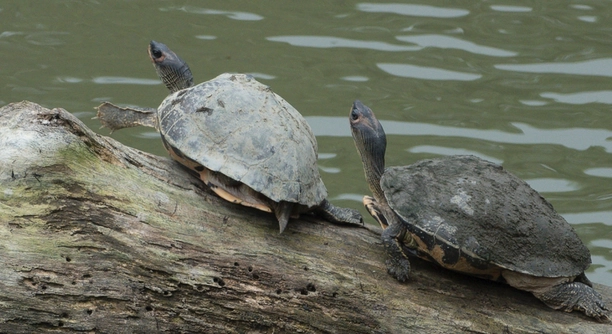
Your Indian Roofed Tortoise needs the right nutrients to stay healthy and active. The food you provide plays a big role in ensuring their well-being and longevity. If something feels off, it might be time to reevaluate their diet.
An improper diet can lead to a range of health issues in your Indian Roofed Tortoise. Common signs that their diet needs improvement include lethargy, weight changes, poor shell condition, or digestive problems. Ensuring a balanced diet is essential for their overall health.
Making simple adjustments to their food can make a noticeable difference. Learn how to keep your tortoise healthy and thriving by addressing their dietary needs.
Lack of Variety in Diet
A common mistake when feeding Indian Roofed Tortoises is offering the same food every day. These tortoises thrive on a varied diet, which helps them get a broad spectrum of nutrients. Their natural diet includes grasses, leaves, fruits, and vegetables. If their food becomes monotonous, they might not get the necessary vitamins and minerals, which could lead to health problems. Offering a mix of plant matter is key to supporting your tortoise’s growth and immune system. Always aim to diversify their meals with fresh, safe vegetables and occasional fruit. Avoid overfeeding high-calcium foods, as too much calcium can cause shell problems. The goal is balance, not just repetition.
Lack of variety leads to nutrient deficiencies. You should rotate between different leafy greens, grasses, and vegetables. This will help ensure they receive all the vitamins, minerals, and fiber they need for proper digestion and strong shell health.
By making small changes in the types of plants and vegetables you offer, you’ll notice a difference in your tortoise’s energy levels and overall condition. Ensure that each meal contains a balance of fibers, calcium, and low-protein foods. Foods like dandelion greens, clover, and hibiscus flowers are great choices for variety. Avoid iceberg lettuce, as it provides little nutrition. Keeping a consistent but diverse feeding routine will keep your tortoise healthy and happy. If you are unsure about the best types of plants, research their nutritional value before feeding them.
Too Much Fruit
Feeding your tortoise too much fruit can cause digestive problems. While fruits are packed with vitamins, they also contain a high amount of sugar. Overconsumption of sugary foods can upset their stomach, leading to diarrhea or obesity.
Although fruits like berries or melon are appealing to your tortoise, they should only be given as an occasional treat. Too much fruit can also impact their calcium-to-phosphorus ratio, which is important for strong bones and shells. Stick to offering fruit in moderation, about once or twice a week.
To keep your tortoise healthy, focus on providing them with fiber-rich foods like grasses and leafy greens as their main diet. When offering fruit, remember that small portions are sufficient. Avoid making fruit a staple, as a high-sugar diet can lead to health complications over time.
Overfeeding Protein
Too much protein in your tortoise’s diet can cause kidney problems and shell deformities. Protein-rich foods like animal-based products should be offered sparingly. Overfeeding can lead to kidney strain, as their bodies can’t process excessive protein.
Tortoises primarily need fiber and plant matter, not large amounts of protein. Foods like leafy greens and grasses should make up the bulk of their diet, while protein should be kept to a minimum. Too much protein can also cause shell growth issues, making it important to balance their meals properly.
A good rule of thumb is to limit high-protein foods, such as animal-based proteins or legumes, to once a week or less. If you notice signs of overfeeding, such as a swollen or uneven shell, consider cutting back on protein and focusing more on plant-based meals. Your tortoise will thrive on a low-protein, high-fiber diet that mirrors what they would naturally eat in the wild.
Inconsistent Feeding Schedule
Feeding your tortoise at irregular intervals can disrupt their digestion. Tortoises thrive on a consistent feeding schedule. Skipping meals or feeding at different times can cause stress, which impacts their appetite and overall health.
Having a set feeding time daily is beneficial for their digestive system. This regularity helps your tortoise get into a routine, ensuring they get the nutrients they need at the right times. It’s important to avoid erratic feeding times or overfeeding in a single sitting. This could confuse your tortoise’s digestive system and cause it to become sluggish or bloated.
Consistency in the amount of food you give is also essential. While it’s fine to adjust portions slightly based on their activity level, avoid sudden changes in diet or feeding frequency. A consistent schedule helps your tortoise maintain a healthy digestive process.
Too Much Calcium
While calcium is essential for your tortoise’s shell and bones, too much can lead to kidney issues or shell deformities. It’s important to maintain a balanced calcium intake. Too much calcium, especially from supplements, can cause harm.
Offering calcium-rich foods like leafy greens is great, but overdoing it can result in calcium buildup. If you’re supplementing their diet with calcium powder, be cautious. Too frequent or high doses can overwhelm their system, leading to potential health problems.
Instead, focus on providing a balanced, natural diet that includes a variety of plants. Monitor the amount of calcium, and make adjustments if needed.
Poor Hydration
Dehydration can cause digestive problems and make your tortoise lethargic. A dry diet or lack of water can lead to serious health issues.
Always provide fresh water in their enclosure and ensure it’s accessible. You can also offer watery vegetables like cucumber or zucchini to help them stay hydrated.
A well-hydrated tortoise is more likely to be active and healthy. Without proper hydration, they may struggle with digestion and even suffer from kidney issues. Hydration supports their overall well-being.
Incorrect Food Preparation
The way you prepare your tortoise’s food affects its nutritional value. Overcooking or chopping food too small can reduce the nutrients.
Raw, fresh foods are always the best option. Avoid overcooking vegetables, as this can destroy vital vitamins. Instead, chop food into appropriate-sized pieces for your tortoise’s ease of eating, without making them too small. Keep it natural and simple for maximum benefit.
FAQ
How often should I feed my Indian Roofed Tortoise?
It’s best to feed your tortoise once a day, but the amount of food should vary based on age and activity level. Younger tortoises tend to eat more, while adults eat less. Keep portions moderate, offering a mix of fresh leafy greens, grasses, and occasional fruits. Make sure they have access to fresh water at all times. Try to establish a consistent feeding schedule, as irregular feeding can cause digestive issues or stress. Monitor your tortoise’s weight and overall condition to determine if adjustments are needed.
What should I do if my tortoise is not eating?
If your tortoise isn’t eating, check for environmental factors such as temperature and humidity. Tortoises can refuse food if their habitat is too cold or too dry. Ensure their enclosure is at the proper temperature, with a warm basking spot and cooler areas. Additionally, stress can lead to loss of appetite. Examine the food you’re offering and consider whether it’s fresh and varied enough. If your tortoise still isn’t eating, it may be a sign of illness, and a visit to the vet is recommended.
Can I feed my tortoise iceberg lettuce?
Iceberg lettuce is not recommended for your tortoise. While it isn’t toxic, it lacks the essential nutrients your tortoise needs to stay healthy. Iceberg lettuce is mostly water, offering very little nutritional value and could cause digestive issues. Stick to more nutritious greens like dandelion greens, collard greens, and kale for better results. Offering a mix of varied leafy greens will provide essential fiber and vitamins.
Is it safe to feed my tortoise commercial pellets?
Commercial pellets can be part of a balanced diet, but they should not be the main food source. Many pellets contain added supplements that can be beneficial in small amounts. However, pellets should never replace fresh vegetables, fruits, and grasses, which are more natural and appropriate for their digestive system. If you choose to offer pellets, make sure they are designed specifically for tortoises and used in moderation. The best diet for your tortoise remains a variety of fresh plant-based foods.
How do I know if my tortoise is overweight or underweight?
A healthy tortoise should have a slightly rounded shell, but not be overly fat. The shell should not appear flat or excessively bulging. You can check your tortoise’s weight by gently feeling its sides. If you notice the tortoise is lethargic, has trouble moving, or has a soft shell, this could indicate either underweight or overweight issues. A vet check-up is always helpful to assess your tortoise’s condition. Feeding them a balanced, varied diet and ensuring proper exercise are key factors in maintaining their weight.
Can I give my tortoise any kind of fruit?
While fruit is safe for tortoises in moderation, it should not be a regular part of their diet. Fruits like apples, berries, and melons can be offered occasionally, but too much fruit can cause digestive problems due to its high sugar content. A small serving once or twice a week is sufficient. Stick to vegetables and leafy greens as the main diet to avoid health complications from excess sugar intake.
Should I supplement my tortoise’s diet with vitamins?
Vitamins and mineral supplements can be helpful but should only be given if necessary. If your tortoise’s diet is varied and well-balanced, additional supplementation is often not required. However, if you’re concerned about specific nutrient deficiencies, it’s best to consult with a vet for advice on appropriate supplements. Always be cautious with dosing, as excessive supplementation can lead to health issues.
How can I provide enrichment for my tortoise?
Tortoises enjoy enrichment in the form of varied habitats and activities. Add different types of plants, safe hiding spots, and obstacles for your tortoise to explore. You can also create an outdoor enclosure that allows them to walk on natural grass and interact with different textures. For mental stimulation, hide small pieces of food around their enclosure to encourage foraging. This adds variety and helps keep them engaged and active.
Can I give my tortoise food from my garden?
It’s fine to feed your tortoise some plants from your garden, but you need to be careful. Only feed them safe, non-toxic plants. Avoid any plants that are treated with pesticides or chemicals. Some common garden plants, like dandelions or clover, are great choices for your tortoise, but many others could be harmful. Research any plant before offering it to ensure it is safe and suitable for tortoises. It’s better to stick to known, safe plants that have not been exposed to chemicals.
Why is my tortoise’s shell soft?
A soft shell can indicate calcium deficiency or an improper diet. Tortoises need sufficient calcium to maintain a strong, healthy shell. Make sure your tortoise has access to calcium-rich foods and, if necessary, calcium supplements. Avoid overfeeding protein and phosphorus, as this can disrupt the calcium-to-phosphorus balance in their body. If the shell remains soft despite dietary adjustments, a visit to the vet is crucial to rule out underlying health issues. Ensure that their diet is diverse and well-rounded to support their overall well-being.
Final Thoughts
A proper diet is essential for your Indian Roofed Tortoise to live a long, healthy life. The right foods will help them maintain a strong shell, healthy digestion, and plenty of energy. It’s important to offer a variety of fresh, safe plants and vegetables that closely resemble what they would naturally eat in the wild. Avoid feeding them too many fruits, high-protein foods, or offering a diet that’s too rich in calcium. Instead, focus on a balanced, plant-based diet that includes a good mix of leafy greens, grasses, and occasional fruits as a treat.
Feeding your tortoise on a consistent schedule is just as important as what you feed them. A set routine helps your tortoise stay comfortable and keeps their digestive system functioning well. It’s also a good idea to adjust their diet based on their age, size, and activity level. Young tortoises need more food to support growth, while adults typically eat less. Overfeeding, underfeeding, or offering too much of one kind of food can lead to health issues, so it’s important to strike a balance. Regularly monitor your tortoise’s weight and shell condition to ensure their diet is working well.
Lastly, always keep an eye on your tortoise’s behavior and health. If you notice changes such as a lack of appetite, lethargy, or a soft shell, it could be a sign that something in their diet is off. In those cases, it’s best to adjust their food or consult a veterinarian if needed. By paying attention to their eating habits and offering a variety of nutritious food, you’ll help your Indian Roofed Tortoise thrive for many years.

Hello,
If you enjoy the content that we create, please consider saying a "Thank You!" by leaving a tip.
Every little bit helps us continue crafting quality advice that supports the health, happiness, and well-being of pets around the world, for pets of all shapes, sizes, and species.
We really appreciate the kindness and support that you show us!