
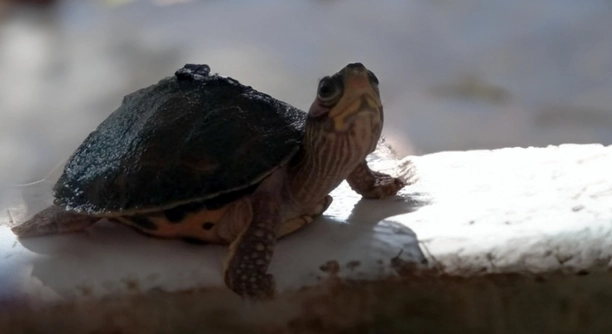
If your Indian Roofed Tortoise is rubbing its face, you may be wondering why this behavior is happening and what it means. This could indicate something as simple as irritation or a more complex health concern.
Face rubbing in tortoises is often a sign of discomfort or stress. It could be caused by a variety of factors, including shell or skin irritation, environmental changes, or an underlying health issue such as a respiratory infection.
Knowing the reasons behind your tortoise’s behavior can help prevent further complications. Let’s look at what might be causing this action and how to address it.
Common Causes of Face Rubbing in Indian Roofed Tortoises
Face rubbing in Indian Roofed Tortoises is a natural behavior that can be triggered by various factors. One common cause is irritation, particularly from the environment. If the tortoise is in an area with rough surfaces or items that could scratch its face, rubbing may occur as a way to relieve the discomfort. Additionally, excessive humidity or an unclean habitat can cause skin irritation, leading the tortoise to rub its face against surfaces.
Another reason for face rubbing is stress. If your tortoise is feeling overwhelmed by its environment, such as sudden changes in temperature, lighting, or habitat setup, it may use face rubbing as a way to cope. Lack of privacy or space to move freely may also contribute to this stress response.
It’s important to assess the environment and look for any visible signs of irritation, like skin redness or scratches. By making necessary changes to its habitat, you can reduce stress and promote comfort.
Skin Issues and Infections
Face rubbing may also be related to skin infections or injuries. If your tortoise’s face appears swollen or there are noticeable wounds, these could be signs of an infection.
Infections, such as those caused by bacteria or fungi, can cause discomfort that leads to face rubbing. These infections can be a result of unsanitary conditions or an injury that went untreated. If the tortoise has scratches or sores, bacteria can easily enter and cause swelling or pain.
If you notice signs of infection, it is crucial to address them promptly. You may need to clean the wounds carefully and consult a veterinarian to ensure proper treatment.
Respiratory Issues and Face Rubbing
Respiratory infections are another common cause of face rubbing. Tortoises, like many reptiles, can suffer from respiratory infections due to improper care, such as exposure to cold temperatures, drafty environments, or high humidity. These conditions make it more difficult for tortoises to breathe properly and may lead to facial rubbing as they attempt to relieve discomfort in their nasal passages.
Signs of respiratory issues include wheezing, nasal discharge, or labored breathing. If your tortoise is showing any of these symptoms along with face rubbing, it’s important to seek veterinary advice. Infections like this are treatable but may worsen if left untreated. Ensuring your tortoise’s habitat is kept at the correct temperature and humidity levels can prevent these issues from arising.
How to Prevent Face Rubbing in the Future
Addressing face rubbing early is key to ensuring your tortoise’s health. Ensure your tortoise’s environment is clean, and the temperature and humidity are ideal. Regular checks for wounds, irritation, and respiratory symptoms are essential. By maintaining a healthy habitat and treating any issues quickly, you can prevent face rubbing from becoming a recurring problem.
Environmental Factors That Contribute to Face Rubbing
Changes in the tortoise’s environment can lead to face rubbing. Poor lighting, inconsistent temperatures, and humidity issues can cause stress, making the tortoise uncomfortable. It’s essential to maintain a stable and optimal habitat to avoid these issues.
Temperature fluctuations, especially if the enclosure is too cold or too hot, can affect the tortoise’s health and behavior. If the environment isn’t ideal, your tortoise may start rubbing its face to relieve discomfort. Similarly, exposure to drafts or air conditioning can worsen respiratory issues, contributing to face rubbing.
Ensuring the enclosure has proper lighting, temperature, and humidity control is key to preventing these factors from affecting your tortoise. Regularly monitor the enclosure to keep everything within the recommended range. A secure, balanced environment can help reduce stress and stop face rubbing.
The Role of Diet in Tortoise Health
Diet plays a significant role in preventing face rubbing. If the tortoise is not receiving the correct nutrients, its skin and overall health may suffer, leading to discomfort. A poor diet can weaken its immune system, making it more susceptible to infections that could cause face rubbing.
Offering a balanced diet of fresh greens, fruits, and calcium-rich foods is crucial. A diet lacking in essential vitamins and minerals can lead to health problems, including skin irritations and poor shell condition. Ensure the tortoise receives the right amount of fiber and hydration, which can aid in digestion and skin health.
Improper diet can also lead to obesity, which strains the tortoise’s body and may cause joint pain, making the tortoise rub its face more. Providing proper nutrition will help prevent these issues and support the overall well-being of your tortoise.
Regular Health Checks and Monitoring
Regular health checks are necessary to spot early signs of any issues that may lead to face rubbing. Checking for scratches, irritations, or any signs of infection on the skin can help you address potential problems quickly. A tortoise’s overall appearance and behavior should be regularly monitored for changes that could indicate health problems.
Routine checks for any respiratory symptoms, like wheezing or nasal discharge, should be done as well. Early detection of health issues, including skin problems and respiratory infections, allows for prompt treatment. Visit a veterinarian if any symptoms persist.
Monitoring the tortoise’s behavior is also important. If face rubbing becomes frequent, it’s a sign something is wrong. Taking swift action can help maintain the health and comfort of your tortoise.
When to Consult a Veterinarian
If face rubbing persists despite changes to the environment and diet, consulting a veterinarian is important. The vet will perform a thorough examination to check for underlying health issues, including skin infections, respiratory problems, or other conditions that may not be immediately visible.
Taking your tortoise to a specialist can provide insight into the severity of the issue and guide proper treatment. A veterinarian may recommend medication for infections or suggest other treatments to help manage the tortoise’s health concerns.
In some cases, face rubbing could be a sign of more serious health problems. Consulting a professional ensures your tortoise gets the right care.
How to Handle Skin Irritation
If your tortoise is rubbing its face due to skin irritation, it’s important to examine the affected area closely. Look for any redness, swelling, or visible wounds that could be causing discomfort.
Gently clean the area with warm water and ensure it is dry afterward. If irritation persists, consider applying a mild, non-toxic ointment recommended by a vet to prevent further discomfort.
Making sure the habitat is clean and free from rough surfaces can help reduce future irritation. Regularly checking your tortoise’s skin can prevent such issues from becoming serious.
Dealing with Respiratory Infections
Respiratory infections are a common cause of face rubbing. These infections can result from exposure to improper temperatures, drafts, or unsanitary conditions. It’s essential to keep the environment at an appropriate temperature and humidity level to prevent respiratory issues.
If your tortoise is showing signs of difficulty breathing, such as wheezing or nasal discharge, it’s crucial to seek veterinary attention. Early intervention can prevent the infection from worsening and causing further complications.
A clean, stable environment with proper airflow and humidity will help avoid future respiratory problems and discomfort.
Maintaining Proper Lighting and Heating
Proper lighting and heating are essential for the health of your tortoise. If the environment is too cold, your tortoise may start rubbing its face to relieve the stress caused by the discomfort. Ensure that your tortoise’s enclosure has a heat source that keeps the temperature stable.
It’s important to provide adequate UVB lighting, as it helps in the production of vitamin D3, which supports calcium absorption and overall health. These elements are crucial to prevent issues like skin irritation or weakened immunity.
Maintain the appropriate balance of temperature and light to ensure the tortoise’s comfort and well-being.
FAQ
Why is my tortoise rubbing its face constantly?
Frequent face rubbing in a tortoise is often a sign of discomfort or irritation. This behavior may stem from skin issues like dryness or infection. Additionally, if the enclosure’s temperature or humidity levels are incorrect, it can stress the tortoise, leading to rubbing. Poor diet, respiratory infections, or even foreign objects caught in the tortoise’s face can also cause this behavior. If face rubbing persists, it’s important to check the environment and diet and, if necessary, consult a veterinarian.
How can I prevent my tortoise from rubbing its face?
To prevent face rubbing, it’s essential to provide an optimal environment for your tortoise. Maintain stable temperature and humidity levels, ensuring they are within the recommended ranges. Additionally, ensure that your tortoise has a proper, balanced diet with adequate calcium and fiber. Regularly check your tortoise’s skin for irritation or injuries and adjust lighting and heating to prevent respiratory issues. A clean and comfortable habitat will go a long way in preventing face rubbing.
Is face rubbing a sign of an infection?
Yes, face rubbing could indicate an infection. Respiratory infections are common in tortoises, especially when the habitat is too cold or humid. If the tortoise shows other symptoms like nasal discharge, wheezing, or a runny nose, it may have a respiratory infection that requires veterinary care. Skin infections caused by bacteria or fungi can also lead to irritation, causing the tortoise to rub its face. Early treatment is necessary to prevent the infection from spreading.
Can stress cause my tortoise to rub its face?
Yes, stress can cause face rubbing in tortoises. Changes in their environment, handling, or diet can cause stress, leading to abnormal behaviors such as rubbing. If the tortoise is not comfortable with the enclosure’s temperature, humidity, or lighting, it may rub its face as a way of relieving the discomfort. Providing a consistent and calm environment will reduce stress and help prevent such behaviors. Make sure the enclosure is safe, and try to avoid unnecessary handling.
What are the signs of a respiratory infection in tortoises?
Signs of respiratory infections in tortoises include wheezing, nasal discharge, labored breathing, and excessive face rubbing. A tortoise with a respiratory infection may also seem lethargic or less active than usual. If you notice these symptoms, it’s crucial to seek veterinary care immediately. Respiratory infections can quickly worsen if not treated, leading to more serious health issues.
Should I be concerned if my tortoise rubs its face occasionally?
Occasional face rubbing is usually not a cause for concern. Tortoises sometimes rub their faces to adjust to their environment or to remove debris. However, if the behavior becomes frequent or is accompanied by other signs like swelling, discharge, or changes in appetite, it’s worth investigating further. Check your tortoise’s environment for any potential issues, and if necessary, contact a veterinarian.
Can the substrate cause my tortoise to rub its face?
Yes, the substrate in your tortoise’s enclosure can cause face rubbing if it is too rough or irritating. Some substrates, like sand or wood chips, may irritate the tortoise’s skin or cause discomfort around the face and eyes. Choose a substrate that is soft and gentle, such as coconut fiber or grass hay, which will help prevent irritation and promote comfort.
Is it normal for my tortoise to rub its face after eating?
It’s normal for a tortoise to rub its face after eating, especially if it has food particles or debris on its face. However, if the rubbing becomes excessive or if your tortoise is showing signs of irritation or discomfort, it could indicate an underlying issue. Always check for any food particles stuck near the eyes, and gently wipe them off if needed.
How often should I clean my tortoise’s enclosure to avoid face rubbing?
Cleaning your tortoise’s enclosure regularly is important for its health. You should clean it at least once a week, removing any uneaten food, waste, and old substrate. A dirty enclosure can lead to respiratory issues and skin infections, both of which could cause face rubbing. Always ensure the environment is hygienic, with clean surfaces and fresh bedding.
When should I take my tortoise to the vet for face rubbing?
If face rubbing persists for more than a few days, or if you notice additional symptoms like nasal discharge, swelling, or changes in behavior, it’s time to consult a veterinarian. A professional will be able to properly diagnose the issue and provide treatment options. Early intervention is essential for maintaining your tortoise’s health.
Can the UVB light cause my tortoise to rub its face?
Improper UVB lighting can cause discomfort in tortoises, leading to behaviors like face rubbing. If the UVB bulb is too close or too far from the tortoise, or if it isn’t providing the right spectrum, it may result in skin irritation or stress. Check the UVB bulb regularly and ensure it is positioned correctly. It should also be replaced as recommended by the manufacturer to ensure your tortoise is getting adequate exposure to UVB.
How can I tell if my tortoise’s face rubbing is due to dry skin?
If your tortoise’s face rubbing is caused by dry skin, you may notice flaking or dull patches around the face and eyes. Dry skin can occur if the humidity level in the enclosure is too low. To remedy this, increase the humidity by misting the enclosure or providing a humidity hide. Hydrating your tortoise through fresh leafy greens and ensuring proper temperature and humidity levels can help prevent dry skin.
Final Thoughts
When it comes to your Indian Roofed Tortoise rubbing its face, it’s important to remember that this behavior is often a sign of discomfort. While occasional rubbing might not be alarming, frequent or persistent face rubbing can point to underlying issues such as skin irritation, respiratory infections, or environmental stress. Ensuring that your tortoise’s habitat is well-maintained, with the proper temperature, humidity, and clean bedding, is essential to preventing these problems. Pay close attention to any other symptoms, such as nasal discharge, swelling, or lethargy, as they can help identify the cause of the rubbing.
A proper diet is equally important. Offering a balanced, nutrient-rich diet with sufficient calcium and fiber can help maintain your tortoise’s overall health, reducing the likelihood of face rubbing caused by malnutrition or deficiencies. If the rubbing continues, check for any foreign objects, like bits of food or substrate, stuck to the face. Sometimes, a simple adjustment or cleaning can make a significant difference in your tortoise’s behavior. If you’re ever uncertain, don’t hesitate to contact a veterinarian for guidance. Prompt treatment can prevent more serious health concerns down the line.
Ultimately, your tortoise’s well-being depends on a combination of factors, from its diet and habitat to proper care and attention. Regularly monitor its behavior, and be proactive in addressing any signs of discomfort. By maintaining a stable environment and offering the proper care, you can ensure your tortoise stays healthy and happy. Face rubbing may be a sign, but with the right approach, you can resolve most issues quickly and effectively, ensuring that your tortoise remains a joyful and active companion.

Hello,
If you enjoy the content that we create, please consider saying a "Thank You!" by leaving a tip.
Every little bit helps us continue crafting quality advice that supports the health, happiness, and well-being of pets around the world, for pets of all shapes, sizes, and species.
We really appreciate the kindness and support that you show us!