
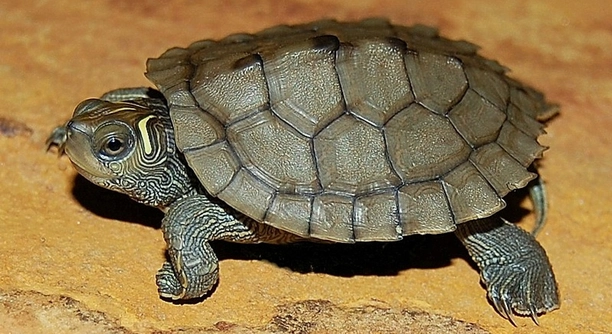
Map turtles are fascinating creatures, often admired for their unique appearance and behaviors. As a pet owner, you may wonder whether these turtles can learn to use a specific feeding zone in their environment.
Training map turtles to use a feeding zone is possible but requires consistency, patience, and the right environmental setup. By creating a designated area with familiar cues, turtles can learn to associate it with feeding time and routine.
This simple training approach can help create a better feeding environment for your map turtle, improving their overall care and routine.
Setting Up the Feeding Zone
When creating a feeding zone for your map turtle, the environment plays a crucial role. You need to select an area that is quiet and free from distractions. Using a specific spot in the tank that the turtle will easily recognize is key. The more consistent you are with this area, the quicker your turtle will learn. It’s essential to make the feeding zone separate from areas where your turtle likes to bask or swim to avoid confusion. Additionally, the feeding zone should be accessible but not too open, allowing the turtle to feel safe while eating. The right setup can greatly encourage them to use this area.
A consistent environment and routine will help the turtle link the feeding zone to mealtime.
Once the zone is set, consider how often you feed your turtle in this area. Establishing a regular feeding schedule helps reinforce the connection. For instance, feeding at the same time every day will help your map turtle recognize the feeding zone as the designated area for meals. This consistency is essential for training, as your turtle will start associating the spot with food. It’s important not to change the location frequently, as doing so may confuse your turtle and hinder the process. Also, using the same type of food in this zone every time will further strengthen this association.
Training the Map Turtle to Recognize the Zone
Feeding your map turtle in the same spot repeatedly is an effective method. They quickly learn to associate the area with meals, making the training process easier. Start by placing the food in the designated zone, then allow the turtle to explore and eat in this spot.
While your turtle may initially wander around, over time they will begin to seek out the feeding zone on their own. You can use cues like a specific sound or action, such as tapping the feeding area before placing the food, to signal mealtime. Repeating these actions consistently will help your turtle recognize when it’s time to eat.
Consistency is Key
Keeping a regular feeding schedule is essential for training your map turtle. If you feed them at the same time each day, they will start associating that specific time with the feeding zone. Over time, this routine will help the turtle anticipate mealtime and use the designated feeding area.
This routine doesn’t just apply to feeding times. It’s important to keep the environment consistent too. Changes in the tank setup or frequent relocation of the feeding zone can confuse your turtle. The more stable the routine and environment, the quicker your turtle will adapt to the training.
By sticking to this approach, your map turtle will become more predictable in its behavior. The feeding zone will become a familiar and safe place, which is key to ensuring that the training process is successful.
Avoid Overfeeding
While consistency is important, overfeeding should be avoided. Map turtles are small creatures, and too much food can lead to health issues like obesity. A regular feeding schedule with proper portion control is important for their well-being.
Overfeeding can also disrupt the training process. When a turtle becomes overly full, they may lose interest in the feeding zone. This can slow down the process, as the turtle won’t associate the area with hunger anymore. You need to maintain a balance between feeding and hunger to keep the training effective.
If the feeding zone is being ignored, it might be helpful to adjust the amount of food given. Make sure the portions are appropriate for your turtle’s size and age, and avoid offering too much food at once.
Encouraging Natural Behavior
Map turtles are creatures of habit. They may take some time to adjust to a feeding zone, but with patience, they will eventually develop their own preferences. Allowing them to explore and act naturally can help the process.
Let your turtle spend time near the feeding zone without forcing it to stay there. This gives them the freedom to naturally associate the area with food. If your turtle seems hesitant, don’t rush them. Let their curiosity lead them.
Using Positive Reinforcement
Positive reinforcement plays a big role in training. When your turtle enters the feeding zone or approaches the food, reward them with the treat. This reinforces the connection between the feeding area and mealtime.
With repetition, your map turtle will begin to understand that approaching the designated area results in a reward. Using consistent rewards, such as their favorite food, will speed up the learning process. Avoid using negative reinforcement, as it may create fear and confusion.
Observing and Adjusting
Pay attention to how your map turtle reacts during training. If the turtle is reluctant to enter the feeding zone, it might be a sign that adjustments are needed. Ensure the area is easily accessible and free from stressors.
Changing the type of food or the method of placing it can also help. Experiment with small adjustments and observe the results. Always aim for a calm, low-stress environment.
FAQ
Can all map turtles be trained to use a feeding zone?
Yes, most map turtles can be trained to use a feeding zone with patience and consistency. However, individual turtles may respond differently based on their personality and environment. It’s important to observe your turtle and adjust your approach if needed. The more consistent you are with feeding time and location, the better the chances of success. Some turtles may take longer to adapt, but eventually, most will learn to recognize and use the designated area for meals.
How long does it take for a map turtle to learn to use a feeding zone?
The time it takes for a map turtle to learn to use a feeding zone can vary. On average, it may take anywhere from a few days to a couple of weeks. It depends on the turtle’s age, temperament, and how consistent the training process is. Younger turtles tend to learn quicker, but older ones may take longer. The key is regularity. Keep the environment and feeding schedule consistent, and the process will go faster.
Should I use specific food to encourage my turtle to enter the feeding zone?
Yes, using food your map turtle finds particularly appealing can help encourage them to use the feeding zone. Offering their favorite food, like aquatic plants or high-quality pellets, will make the area more attractive. Over time, they’ll begin to associate the zone with tasty meals, which can speed up the training process. However, be careful not to overfeed or offer too much of one type of food, as that can lead to health problems.
Is it necessary to separate the feeding zone from other areas of the tank?
Yes, it is highly recommended to separate the feeding zone from areas where your map turtle basks or swims. Having a distinct, quiet area for feeding helps your turtle understand where it should eat. This reduces distractions and reinforces the behavior of using the designated spot. The separation of the feeding area also prevents your turtle from accidentally ingesting debris or other tank waste while eating.
Can I feed my map turtle in its tank, or should I use a separate container?
Feeding your map turtle in its tank is fine as long as you keep the feeding area clean and free from waste. Some owners prefer to use a separate container for feeding to maintain a clean tank, but it’s not strictly necessary. The key is to ensure the turtle has a safe, undistracted space to eat. If using a separate container, make sure it’s appropriate for your turtle’s size and doesn’t stress it out.
What if my turtle ignores the feeding zone?
If your turtle ignores the feeding zone, try adjusting a few things. Ensure the area is quiet, free of distractions, and easy to access. Try feeding them when they’re hungry and giving them time to explore. You can also experiment with different types of food or slightly adjust the location of the feeding zone to make it more appealing. Patience is key, and if the problem persists, it may be helpful to observe your turtle’s natural behaviors and make minor adjustments to the setup.
Should I limit how much I feed my map turtle in the feeding zone?
Yes, it’s important not to overfeed your map turtle. Limiting the amount of food you give them can help ensure they stay healthy and avoid obesity. Map turtles are generally small and do not require large amounts of food. Stick to appropriate portion sizes based on their age and size, and monitor their weight regularly. Feeding them in moderation will also encourage them to visit the feeding zone at the right times, rather than just eating out of habit.
How can I tell if my map turtle is stressed while training?
Signs of stress in map turtles include irregular swimming patterns, hiding, or avoiding food. If your turtle seems uncomfortable or is acting lethargic, it may be stressed by the training process. Ensure the tank conditions are ideal, with clean water, proper temperature, and enough space for swimming and basking. If the feeding zone setup is causing stress, try making adjustments or giving your turtle a break from the training. Stress can slow down the learning process, so it’s important to monitor your turtle’s behavior closely.
Can map turtles be trained to use a feeding zone outside of their tank?
Yes, map turtles can be trained to use a feeding zone outside of their tank, such as in a larger pen or outdoor setup. However, the training process may take a little longer, especially if your turtle is not used to being outside of its normal environment. You should still aim for a consistent feeding routine and environment to help them associate the new feeding area with meals. Ensure the outdoor space is safe, secure, and free from predators or other hazards.
What are some common mistakes people make when training map turtles to use a feeding zone?
One common mistake is changing the feeding zone location too frequently. This can confuse the turtle and make it harder for them to form the association. Another mistake is overfeeding, which can reduce the turtle’s interest in the feeding zone and lead to health problems. Some people also neglect the importance of a quiet, undistracted environment for feeding. Lastly, rushing the process or failing to be consistent with feeding times can hinder training success.
Final Thoughts
Training a map turtle to use a feeding zone is a gradual process that requires patience and consistency. While it may take some time for your turtle to fully adapt to the new routine, most map turtles can be trained successfully. The key is to provide a consistent environment where the feeding zone is clear and free from distractions. With the right approach, your turtle will begin to associate the designated area with food, making mealtime easier for both of you.
It’s important to remember that every turtle is different, and some may learn faster than others. Younger turtles tend to adapt more quickly, while older ones might need more time to adjust. If your turtle seems hesitant, don’t force it. Allow them the space and time they need to explore the area on their own. Keep the feeding zone appealing with their favorite food, and always use positive reinforcement when they approach or enter the area. Over time, your turtle will start to recognize the feeding zone as the place where meals are provided.
Finally, observe your turtle’s behavior throughout the training process. If they seem stressed or uninterested, consider making small adjustments to the setup. The feeding zone should be a calm and safe environment where your turtle feels comfortable. By maintaining consistency, using positive reinforcement, and being patient, you’ll help your map turtle form a lasting association with the feeding zone. It may take time, but with the right approach, your turtle will eventually learn to use the area with ease.

Hello,
If you enjoy the content that we create, please consider saying a "Thank You!" by leaving a tip.
Every little bit helps us continue crafting quality advice that supports the health, happiness, and well-being of pets around the world, for pets of all shapes, sizes, and species.
We really appreciate the kindness and support that you show us!