
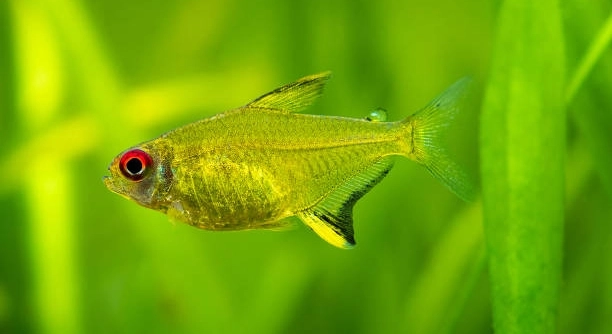
Lemon tetras are small, vibrant fish that brighten any freshwater aquarium. Observing their daily activities can help you notice subtle changes in behavior. These changes may indicate stress, illness, or environmental issues affecting their overall well-being.
Monitoring lemon tetra behavior requires consistent observation of swimming patterns, feeding habits, and social interactions. Sudden changes, such as lethargy, loss of appetite, or unusual hiding, can indicate health concerns. Early detection allows timely intervention and improves survival rates.
Careful attention to these details ensures your tetras remain healthy and active. Knowing what to watch for makes a noticeable difference in their care.
Recognizing Normal Lemon Tetra Behavior
Lemon tetras are naturally active and social fish. They usually swim in small groups, creating a shimmering display of yellow and silver. You may notice them exploring all levels of the tank, interacting with plants, decorations, and other tetras. Feeding times often show the most activity, as they dart to the surface for food, displaying their alertness. Observing these regular patterns helps establish a baseline for what is normal. Rest periods are also important; lemon tetras may hover quietly near plants or decorations when resting. Color intensity can indicate mood and health, with brighter yellow often signaling a healthy fish. Watching how they interact with one another can reveal social hierarchy, comfort levels, and potential stress. If one fish consistently isolates itself, it may indicate discomfort or illness. Taking notes or photos occasionally can help you track subtle changes that might otherwise be missed.
Understanding normal activity makes detecting unusual behavior easier and faster.
Paying attention to group interactions, movement, and color helps spot early health concerns before they worsen.
Signs of Stress or Illness
Stress or illness in lemon tetras often appears as behavioral or physical changes.
Common signs include erratic swimming, sudden hiding, loss of appetite, or faded coloration. Stress can arise from water quality issues, overcrowding, or aggressive tank mates. Illnesses like ich, fin rot, or bacterial infections may show as white spots, torn fins, or swollen bodies. Consistent observation allows you to notice subtle shifts before they become severe. Water temperature, pH levels, and ammonia concentration directly impact their comfort. Even minor fluctuations can cause stress, so monitoring these parameters is essential. A stressed fish may become lethargic or isolate itself, while healthy tetras maintain consistent swimming and social behavior. Nutrition also plays a role; a varied diet rich in protein and micronutrients supports immunity and resilience. Correct tank maintenance, including regular water changes and proper filtration, reduces the risk of stress-induced illness. Early intervention often prevents long-term health issues and improves survival.
Keeping water stable, feeding well, and observing interactions helps maintain vibrant, active lemon tetras.
Monitoring Feeding Habits
Lemon tetras usually eat small flakes, micro-pellets, and occasional live food. Tracking how quickly and eagerly they eat helps identify health or stress issues. Skipping meals or showing disinterest can indicate illness or poor water conditions, making feeding observations essential.
Consistent feeding schedules reveal patterns in appetite and energy. Healthy tetras swim actively to the surface and grab food promptly. Uneaten food should be removed to prevent water contamination, which can stress fish. Observing which individuals eat and which avoid food can help spot early signs of weakness or disease. Mixing in live or frozen foods occasionally provides variety, supporting nutrition and natural behavior. Any sudden changes in feeding patterns often point to environmental issues, stress, or illness that need immediate attention to maintain their health.
Tracking diet carefully also helps maintain water quality. Overfeeding increases waste, impacting both behavior and physical health. Noticing which tetras eat more or less can help adjust portions and prevent imbalances in group dynamics, ensuring all fish remain active and healthy.
Watching Social Interactions
Lemon tetras are schooling fish, and interactions show comfort levels and hierarchy within the group.
Observing how tetras swim together, follow, or mirror each other can indicate their mental and physical well-being. Aggressive or withdrawn behavior may suggest stress, bullying, or illness. Maintaining proper group size minimizes tension and allows natural social patterns to emerge. Healthy fish often swim in synchrony, occasionally pausing near plants or decorations together. Stress or sickness disrupts these patterns, with isolated fish showing hesitation or reduced movement. Tracking these interactions over time gives insight into tank balance and overall fish health.
Noticing subtle signs, like chasing, tail nipping, or hiding, can highlight underlying issues early. Adjusting tank layout, adding hiding spots, or separating aggressive fish supports harmony and reduces stress. Group dynamics are influenced by lighting, feeding, and water quality, so maintaining a stable environment encourages natural, healthy interactions. Careful observation ensures each tetra remains part of the social group, maintaining a lively and balanced aquarium.
Observing Swimming Patterns
Healthy lemon tetras swim smoothly, often in small, coordinated groups. Erratic movements, darting, or staying near the surface or bottom may indicate stress, illness, or poor water conditions. Regular observation helps catch these changes early.
Swimming habits also reflect energy levels and comfort. Sudden lethargy or circling in one area can signal oxygen depletion, temperature shifts, or disease. Monitoring these patterns consistently ensures timely action and maintains a stable environment for the fish.
Checking Physical Appearance
Clear fins, bright coloration, and smooth scales are signs of good health. Dull colors, frayed fins, or unusual spots may indicate infection, injury, or stress.
Monitoring physical changes allows for early treatment. Promptly addressing discoloration, swelling, or external parasites prevents more serious health issues. Regular visual checks help track individual fish over time.
Tracking Resting Behavior
Lemon tetras rest quietly near plants or decorations. Changes in resting patterns, such as hiding excessively or staying motionless, may signal stress or illness. Observing these behaviors ensures their comfort and well-being.
FAQ
How often should I observe my lemon tetras?
Daily observation is ideal, even for just a few minutes. Short, consistent checks help you notice subtle changes in swimming patterns, feeding, and social behavior. Establishing a routine makes it easier to detect early signs of stress or illness.
What signs indicate that a lemon tetra is sick?
Look for lethargy, loss of appetite, faded colors, clamped fins, or unusual swimming patterns. Physical symptoms like torn fins, white spots, swelling, or rapid gill movement also suggest health problems. Early detection allows for timely intervention.
Can water quality affect behavior?
Yes, water quality directly impacts health and behavior. High ammonia, nitrite, or nitrate levels, sudden temperature changes, or improper pH can cause stress, leading to hiding, erratic swimming, or loss of appetite. Regular testing and maintenance are essential.
How do I know if they are stressed?
Stressed tetras may hide frequently, swim erratically, or isolate themselves from the group. Fading color, reduced activity, and refusal to eat are also common indicators. Identifying stress early helps correct environmental factors before it affects health.
Does diet influence behavior?
Absolutely. Lemon tetras need a balanced diet including flakes, micro-pellets, and occasional live or frozen foods. Inadequate nutrition can cause lethargy, dull coloration, and weaker immune response. Feeding appropriate portions ensures energy and overall vitality.
How can I monitor social interactions effectively?
Observe how they swim in groups and interact with each other. Healthy tetras coordinate movements and occasionally follow or mirror one another. Aggression, excessive chasing, or consistent isolation may indicate stress or illness.
What changes in swimming patterns should I watch for?
Sudden darting, swimming near the surface or bottom for long periods, circling, or loss of coordination can indicate stress, low oxygen, or disease. Regular observation helps detect these changes quickly.
How do I track resting behavior?
Lemon tetras rest quietly near plants or decorations. Extended hiding, inactivity, or staying in unusual spots may signal discomfort. Recording resting patterns periodically helps identify deviations from normal behavior.
When should I separate a fish from the group?
Separation is necessary if a fish shows signs of severe illness, persistent isolation, or aggressive interactions that threaten others. Quarantine in a separate tank allows treatment and prevents disease spread.
How can I maintain consistent monitoring?
Set short daily observation times, note behaviors, and take occasional photos. Tracking changes over time provides a clear picture of health and helps identify subtle deviations before serious problems develop.
What role does tank setup play in behavior?
Plants, decorations, and hiding spots offer comfort and reduce stress. Proper lighting, water flow, and temperature stability contribute to natural behavior patterns. An optimal setup encourages active swimming and healthy social interactions.
How can I tell if one fish is eating less than others?
During feeding, watch each fish. Those eating less or avoiding food may be stressed, sick, or weaker. Adjust feeding strategies and monitor these individuals closely to prevent malnutrition or illness.
Are behavioral changes reversible?
Often, yes. Correcting water quality issues, improving diet, reducing stress, or treating illness can restore normal behavior. Timely intervention is key to recovery and maintaining long-term health.
How long should I observe each fish?
Even a few minutes per fish daily can be sufficient. Focus on swimming, feeding, social interaction, coloration, and resting habits. Regular, focused observation ensures you catch early warning signs without overwhelming yourself.
Can environmental changes affect health?
Yes, sudden changes in temperature, lighting, or tank layout can stress tetras, leading to behavioral and physical changes. Gradual adjustments and maintaining stable conditions minimize stress and promote consistent, healthy behavior.
What should I do if I notice unusual spots or fin damage?
Immediate action is important. Isolate affected fish if necessary, test water quality, and consider treatment options for bacterial, fungal, or parasitic infections. Early detection prevents disease from spreading and supports faster recovery.
How important is consistency in care?
Very important. Consistent feeding, water maintenance, and observation help lemon tetras thrive. Inconsistency can trigger stress, reduce immunity, and cause long-term health issues. Establishing a routine creates a stable environment.
Can stress affect color and activity levels?
Yes, stressed tetras often lose brightness and reduce swimming activity. Maintaining stable water conditions, appropriate tank mates, and a balanced diet helps preserve natural color and normal energy levels.
How do I record behavioral changes effectively?
Keep a simple log of feeding, swimming, and social activity. Note color, fin condition, and resting locations. Over time, this record helps identify patterns, detect problems early, and evaluate the effectiveness of interventions.
What is the best way to prevent illness through behavior monitoring?
Regular observation, proper nutrition, clean water, and stable tank conditions are the most effective measures. Catching early signs of stress or disease allows for timely action and prevents severe health problems in lemon tetras.
Final Thoughts
Monitoring lemon tetra behavior is an essential part of keeping these small, vibrant fish healthy. Observing their swimming patterns, feeding habits, and social interactions provides important clues about their overall well-being. Lemon tetras are naturally active and social, and any significant changes in their activity levels or interactions may indicate stress, illness, or issues with the tank environment. Establishing a routine of daily observation makes it easier to notice even subtle differences, which can be critical in preventing serious health problems. Recording behaviors and physical changes over time creates a clear picture of what is normal for each fish, allowing you to identify early warning signs before they become severe. Consistency is key, and small, regular checks are more effective than occasional long inspections.
Water quality, tank setup, and nutrition all play a direct role in lemon tetra health and behavior. Clean, well-maintained water with stable temperature and proper pH levels supports natural swimming and feeding patterns. Overcrowding or aggressive tank mates can stress tetras, leading to hiding, erratic swimming, or loss of appetite. Providing hiding spots, plants, and a balanced diet contributes to both physical health and psychological comfort. Observing how tetras respond to their environment helps detect stressors that might not be immediately obvious. For example, sudden color fading or lethargy may result from minor changes in water quality, lighting, or diet. Addressing these factors promptly can restore normal behavior and prevent long-term health issues. Maintaining a stable, suitable environment encourages natural, healthy behavior and helps all tetras thrive.
Behavior monitoring is not only about preventing illness but also about understanding your fish and ensuring their quality of life. Paying attention to their movements, interactions, feeding, and resting habits builds awareness of what a healthy, comfortable lemon tetra looks like. By taking note of changes and responding promptly, you support both individual and group well-being. Even minor observations, such as a fish hiding more than usual or eating slightly less, can provide valuable insights into their condition. Over time, this careful attention fosters a deeper connection with your fish and a better understanding of their needs. Consistent monitoring, combined with proper nutrition, water maintenance, and an appropriate tank environment, creates a strong foundation for their long-term health. Lemon tetras respond positively to attentive care, and small, deliberate actions can make a significant difference in maintaining a lively, healthy, and balanced aquarium.

Hello,
If you enjoy the content that we create, please consider saying a "Thank You!" by leaving a tip.
Every little bit helps us continue crafting quality advice that supports the health, happiness, and well-being of pets around the world, for pets of all shapes, sizes, and species.
We really appreciate the kindness and support that you show us!