
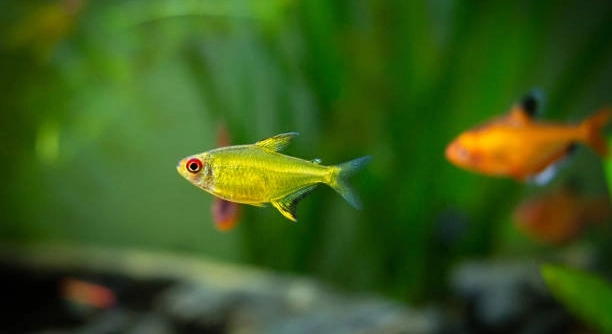
Lemon tetras are small, vibrant fish that brighten any aquarium. Their peaceful nature makes them ideal for community tanks, and creating a suitable environment enhances both their color and behavior. Choosing the right tank theme adds personality and harmony.
The best tank themes for lemon tetras focus on replicating their natural habitat. Dense plant arrangements, subdued lighting, smooth substrate, and minimal decorations provide safety and comfort. Themes such as Amazonian, jungle, or planted freshwater setups support their health and natural behavior.
Selecting a fitting tank theme can transform your aquarium into a lively, balanced environment. Proper design encourages natural activity and makes observing your lemon tetras more enjoyable.
Amazon River Theme
Creating an Amazon River-inspired tank brings a natural and calming environment for lemon tetras. Use dark substrate, driftwood, and smooth rocks to mimic riverbeds. Adding dense plant clusters like Java fern or Amazon sword provides hiding spots, making the fish feel secure. Subdued lighting and gentle filtration replicate river currents. Floating plants help diffuse light, reducing stress and encouraging natural behaviors. Including leaf litter adds texture and promotes microfauna, which can be beneficial for water quality. Choosing decor in muted earth tones ensures the tank feels authentic while maintaining a clean look. This theme works well in community tanks with peaceful species, as it balances aesthetics and practicality. Watching lemon tetras interact in this setting highlights their bright colors and lively movements. Consistent water parameters are crucial, as stable conditions prevent stress and support long-term health. By replicating the Amazon environment, the tank becomes both visually appealing and suitable for natural fish behavior.
A natural Amazon setup keeps lemon tetras active and comfortable. Plants, driftwood, and subdued lighting make the tank inviting and safe for schooling behavior.
For a complete Amazon River feel, place driftwood strategically to create hiding spots and swimming paths. Use slow-flow filters to imitate gentle river currents. Layer leaves or botanicals on the substrate to promote a micro-ecosystem and maintain water quality. Avoid bright decorations that contrast sharply with natural tones, as they can stress the fish. Incorporate floating plants to reduce light intensity and add vertical interest. Regular trimming and maintenance ensure plants remain healthy and do not overcrowd the tank. Consider adding small snails or shrimp to contribute to ecosystem balance and provide subtle movement. This setup emphasizes simplicity and realism, allowing lemon tetras to display natural behaviors. Over time, the tank develops a harmonious look, with plants growing around driftwood and fish exploring open swimming areas. The result is a lively, low-stress environment that highlights the beauty of these small, vibrant fish.
Jungle Theme
A jungle-themed tank creates a dense, lush environment that mimics tropical streams. Branches, moss, and tall plants provide cover while enhancing the natural look of the aquarium.
Dense vegetation encourages hiding, schooling, and playful movement. The tank feels immersive and vibrant while supporting natural fish behavior.
Arranging a jungle setup begins with layered plants for depth, using taller species at the back and shorter ones in front. Add branches and vines to create vertical structures, giving tetras places to weave through and explore. Mosses and creeping plants soften the hard edges of wood and rocks, making the habitat appear more natural. Leaf litter scattered along the substrate adds texture and promotes microorganisms that support the tank’s ecosystem. Gentle water flow prevents disruption of plant structures while simulating natural currents. Lighting should be dimmed or filtered through floating plants to reduce stress and highlight the fish’s colors. Over time, the jungle theme matures into a self-sustaining environment where lemon tetras feel secure and active, creating a visually rich aquarium that combines beauty and functionality.
Planted Freshwater Theme
Using a planted freshwater setup gives lemon tetras ample cover and swimming space. A mix of tall and short plants creates layers, while open areas allow schooling movement. Substrate should support root growth, and gentle filtration maintains clean water without disturbing plants.
Dense plantings like Vallisneria, Anubias, and Cryptocoryne provide hiding spaces and reduce stress. Floating plants help diffuse light and create soft shadows, encouraging natural behavior. Arranging plants in clusters allows fish to explore while staying safe from perceived threats. Hardscape elements such as smooth stones or driftwood add structure and visual interest. Regular pruning ensures plants do not overcrowd swimming areas. Careful selection of compatible plant species prevents decay and maintains water quality, supporting a balanced ecosystem. Lighting should support growth without overheating the tank. This approach combines aesthetics, functionality, and the wellbeing of lemon tetras.
Maintaining this theme requires consistent water changes, fertilization for plants, and monitoring for algae growth. Proper balance ensures plants thrive while fish remain healthy and active. Careful observation helps adjust conditions as plants and fish grow together, keeping the tank vibrant and natural.
Minimalist Theme
A minimalist tank emphasizes clean lines and simplicity, using few decorations with open swimming areas. This design highlights the bright colors of lemon tetras and makes maintenance easier.
Select a light-colored substrate to contrast with the fish. Use one or two pieces of driftwood or rocks as focal points, and keep plant use minimal, such as a small cluster of Anubias or Java fern. The open layout encourages schooling and reduces territorial conflicts. Gentle lighting enhances colors without overwhelming the tank. Avoid clutter, which can stress the fish or trap debris. Regular cleaning and water monitoring ensure the tank remains visually clean and biologically balanced.
This setup works well in smaller aquariums or when aiming for modern, sleek aesthetics. Fewer plants mean less maintenance while still providing hiding spots with limited hardscape. The minimalist theme allows lemon tetras to swim freely, showcasing natural behaviors. Proper water flow, temperature, and filtration are essential to maintain stability. Over time, the contrast of bright fish against subtle decor creates a visually striking display that is both functional and low-stress for the fish.
Driftwood and Rock Theme
Incorporating driftwood and rocks creates natural hiding spots for lemon tetras. Smooth textures prevent injury, while varying heights add dimension. This setup encourages exploration and reduces stress by offering safe retreat areas.
Placement should balance aesthetics and function. Avoid overcrowding the tank and ensure open swimming space remains.
Floating Plant Theme
Floating plants such as frogbit or water lettuce provide shade and diffuse light. They create calm areas, reduce stress, and help maintain water quality by absorbing excess nutrients. Careful placement prevents blocking filtration or light for lower plants.
Biotope Theme
A biotope tank replicates a specific natural habitat, such as a South American stream. Using authentic plants, substrate, and decorations supports lemon tetras’ natural behavior, schooling, and feeding patterns. Consistent water parameters aligned with the biotope reduce stress and promote long-term health.
Light and Color Theme
Contrasting light and substrate colors enhance the tetras’ bright yellow hues. Gentle lighting highlights natural patterns without causing stress, while carefully chosen background and decor complement the tank visually.
FAQ
What type of plants work best for lemon tetra tanks?
Lemon tetras thrive in tanks with a mix of tall and short plants. Species like Java fern, Anubias, Vallisneria, and Cryptocoryne provide hiding spaces and reduce stress. Floating plants like frogbit or water lettuce help diffuse light and create shaded areas, mimicking natural habitats. Ensure plants are securely anchored and compatible with water conditions to maintain healthy growth. Regular trimming prevents overcrowding and maintains open swimming areas, supporting natural schooling behavior. Using a variety of plants adds visual interest while keeping the environment safe and comfortable for your fish.
How many lemon tetras should I keep together?
Lemon tetras are schooling fish and should be kept in groups of at least six, though larger groups of 10 to 15 are ideal. Small numbers can make them stressed or shy. A proper school encourages natural movement, reduces aggression, and allows fish to display their bright colors. Adequate swimming space is essential, so tank size should increase with group size. Arranging plants and decor in layers gives the school opportunities to hide or explore, which enhances their comfort. Observing a larger school creates a lively, natural-looking aquarium.
What water conditions do lemon tetras prefer?
Lemon tetras prefer soft, slightly acidic to neutral water, typically with a pH between 6.0 and 7.0. Temperature should stay around 72–78°F (22–26°C). Regular testing and partial water changes maintain stability and prevent sudden shifts that can stress the fish. Using a gentle filter prevents strong currents that might disturb schooling patterns. Keeping water parameters consistent is key for their health, color, and longevity. Plants and natural decor, like driftwood, can help maintain slightly acidic conditions naturally, reducing the need for chemical adjustments while supporting a balanced ecosystem.
Can lemon tetras live with other fish?
Yes, lemon tetras are peaceful and do well with other small, non-aggressive fish. Suitable tankmates include rasboras, small tetras, Corydoras catfish, and peaceful dwarf gouramis. Avoid large, aggressive species that might chase or stress them. Providing dense plants and open swimming areas helps reduce territorial conflicts. Maintaining a well-planned community tank allows all species to coexist safely. Observing interactions regularly ensures harmony, and adjustments can be made if any signs of stress or bullying appear.
How do I set up the best tank theme for lemon tetras?
Choose a theme that mimics their natural habitat, like Amazon River, jungle, or planted freshwater setups. Include dense plants, driftwood, smooth rocks, and leaf litter for hiding spaces and open swimming paths. Subdued lighting reduces stress, and gentle filtration maintains water quality. Carefully arranging decor balances aesthetics and functionality. Floating plants can provide shade and soften bright light. Consistent maintenance, including pruning plants and monitoring water parameters, ensures the tank remains healthy and visually appealing. A well-thought-out setup encourages natural behavior and highlights the fish’s vibrant colors.
How important is lighting in a lemon tetra tank?
Lighting is important for both plant growth and fish well-being. Soft, diffused light prevents stress and enhances coloration. Floating plants or shaded areas create gentle contrasts, while avoiding overly bright lights keeps fish comfortable. Proper lighting also supports plant health, ensuring dense coverage for hiding and swimming space. Using a timer helps maintain a natural day-night cycle, which stabilizes behavior patterns. Over time, balanced lighting makes the tank visually appealing while keeping both plants and fish thriving.
Do lemon tetras need a specific type of substrate?
A fine, smooth substrate is ideal, such as sand or small gravel, to prevent injury. Dark-colored substrate enhances their yellow coloring and complements natural decor like driftwood and rocks. Layering leaf litter or botanicals can create a micro-ecosystem that supports plant growth and water quality. Avoid sharp or rough materials that may harm fins. A well-chosen substrate contributes to the tank’s overall aesthetic while providing functional benefits for both fish and plants.
How often should I clean a lemon tetra tank?
Perform partial water changes weekly or biweekly, replacing 20–30% of the water. Regularly remove debris, dead plant matter, and uneaten food to prevent water quality issues. Clean filters as needed without disturbing beneficial bacteria. Observing water clarity and fish behavior helps determine if additional maintenance is necessary. Consistent upkeep ensures a stable, healthy environment that supports both plants and lemon tetras, keeping the tank vibrant and low-stress.
What should I feed lemon tetras?
Lemon tetras eat a varied diet including high-quality flakes, micro pellets, and frozen or live foods like brine shrimp and daphnia. Feed small amounts multiple times a day to prevent overfeeding. A balanced diet enhances coloration, supports growth, and maintains energy for active schooling. Observing their eating habits ensures all fish receive adequate nutrition while reducing leftover food that can compromise water quality.
How do I prevent stress in lemon tetras?
Stress can be minimized by providing hiding spots, open swimming space, stable water conditions, and compatible tankmates. Avoid sudden temperature or pH changes and limit excessive handling or loud disturbances. Dense plants, floating cover, and gentle filtration reduce anxiety. Maintaining a well-structured tank allows fish to exhibit natural behavior, keeping them healthy and active.
Can lemon tetras breed in a home aquarium?
Breeding lemon tetras requires soft, slightly acidic water and plenty of plants or spawning mops. Separate a pair or small group in a breeding tank to encourage egg-laying. Remove adults after spawning to prevent predation. Maintain stable conditions and provide high-quality food to support fry development. Regular monitoring ensures proper growth and survival of the young fish.
How do I control algae in a planted tank with lemon tetras?
Algae can be managed by balancing light, nutrients, and plant growth. Avoid overfeeding and perform regular water changes. Introducing fast-growing plants or algae-eating species helps compete with algae. Limiting direct sunlight and using timers for lighting prevent excessive growth. Consistent tank maintenance keeps the environment healthy and visually appealing.
Is it necessary to quarantine new fish before adding them to a lemon tetra tank?
Quarantining new fish is highly recommended to prevent disease introduction. Observe new arrivals for at least two weeks in a separate tank, monitoring for signs of illness. Treat any issues before adding them to the main tank. This practice protects both lemon tetras and existing tank inhabitants, maintaining a stable, healthy community.
Can lemon tetras live in smaller tanks?
Lemon tetras can live in tanks as small as 10 gallons, but larger tanks are preferable for schooling behavior and stable water conditions. Adequate swimming space, hiding spots, and plant coverage are essential. Overcrowding leads to stress and potential health issues. Proper planning ensures a balanced, comfortable environment even in compact setups.
Final Thoughts
Creating a suitable tank environment for lemon tetras is essential for their health, color, and natural behavior. These small, vibrant fish thrive when their surroundings mimic aspects of their natural habitat, such as the Amazon or tropical streams. Dense plants, driftwood, smooth rocks, and subtle leaf litter provide both hiding spaces and open swimming areas, allowing tetras to feel secure while exhibiting normal schooling patterns. Choosing the right tank theme is not only about aesthetics but also about functionality. A well-planned setup reduces stress, encourages activity, and highlights their bright yellow coloration. Themes like Amazon River, jungle, or planted freshwater tanks combine visual appeal with practicality, ensuring the fish remain comfortable and active over the long term. Even minimalist designs can work well when there is a careful balance between decor and open swimming space.
Maintaining a healthy environment involves consistent attention to water quality, lighting, and compatible tankmates. Lemon tetras prefer soft, slightly acidic to neutral water with stable temperatures, generally between 72 and 78°F (22–26°C). Regular partial water changes, proper filtration, and monitoring water parameters prevent sudden fluctuations that can stress fish or lead to health problems. Floating plants or other forms of shaded areas help diffuse light and create calmer sections within the tank, which benefits both fish and plants. A variety of plant types, such as tall background plants and smaller foreground species, allows fish to explore while maintaining a sense of security. Proper placement of driftwood, rocks, and leaf litter encourages natural behaviors, from hiding to active schooling. Over time, this creates a harmonious environment where the fish feel safe and thrive naturally.
Feeding, maintenance, and careful planning also play a key role in ensuring a balanced aquarium. Lemon tetras do best with a varied diet, including high-quality flakes, micro pellets, and occasional live or frozen foods. Avoiding overfeeding helps maintain water quality while supporting growth and vibrant colors. Regular cleaning, pruning plants, and monitoring algae or waste buildup keeps the tank visually appealing and biologically balanced. Selecting compatible species for a community tank further supports harmony, reducing stress and aggression. By thoughtfully arranging decor, providing stable water conditions, and offering proper nutrition, a tank can remain healthy and enjoyable for both the fish and the aquarist. Attention to these details ensures lemon tetras thrive, creating an active, visually striking aquarium that is both functional and naturally beautiful.

Hello,
If you enjoy the content that we create, please consider saying a "Thank You!" by leaving a tip.
Every little bit helps us continue crafting quality advice that supports the health, happiness, and well-being of pets around the world, for pets of all shapes, sizes, and species.
We really appreciate the kindness and support that you show us!