
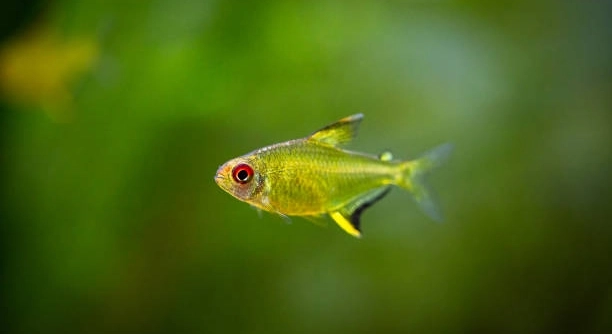
Keeping arowanas healthy requires careful attention to their environment. Many hobbyists underestimate the subtle factors that can stress these fish. Proper water conditions, tank setup, and routine maintenance are essential for arowanas to thrive and remain active.
Arowanas are highly sensitive to tank conditions such as poor water quality, inappropriate temperature, low oxygen levels, overcrowding, improper filtration, incorrect pH, and sudden environmental changes. These factors can cause stress, illness, and reduced lifespan in captive arowanas.
Recognizing these common issues early allows owners to prevent serious health problems. Maintaining stable conditions will ensure your arowana remains strong, vibrant, and comfortable in its aquatic home.
Poor Water Quality
Maintaining clean water is crucial for arowanas. High levels of ammonia, nitrites, or nitrates can stress fish and weaken their immune system. Uneaten food, decaying plants, and waste buildup contribute to poor water quality. Regular water testing and partial water changes help maintain a healthy environment. Using a reliable filtration system and monitoring water parameters such as pH, hardness, and temperature ensures that the tank stays stable. Contaminated water can lead to fin rot, cloudy eyes, or lethargy. Keeping the tank clean also reduces the risk of bacterial and fungal infections. Observing your arowana’s behavior can indicate water problems, as stressed fish often hide, refuse food, or display erratic swimming. Even small tanks require consistent attention because arowanas are sensitive to changes. Daily monitoring and weekly maintenance can prevent long-term damage. Paying attention to water clarity and smell provides an immediate sense of whether your tank needs cleaning or adjustments.
Regular water testing and cleaning can prevent disease and support overall fish health.
Proper water maintenance is a combination of routine and observation. Testing kits help track ammonia, nitrites, nitrates, and pH levels. Changing 20-30 percent of the water weekly keeps toxins low. Filters must be cleaned but not over-sterilized, as beneficial bacteria are essential. Temperature fluctuations should be minimized, staying consistent with the species’ needs. Aeration ensures sufficient oxygen, especially in warmer water. Avoid overfeeding since leftover food decomposes quickly. Decorations and substrate can trap debris, so regular vacuuming or rinsing is important. Monitoring behavior is equally critical; a healthy arowana swims confidently and actively feeds. Sudden changes in appearance or appetite often signal water issues. Keeping records of tests and maintenance helps identify trends and prevent problems before they escalate. Consistency in care reduces stress and strengthens immunity, giving arowanas the best chance to thrive in captivity.
Overcrowding
Overcrowded tanks stress arowanas, causing aggression, poor growth, and weakened immunity.
Arowanas need ample space to swim freely. Too many fish in a single tank increase waste levels, strain filtration, and make it difficult to maintain stable water parameters. Large tanks and proper stocking prevent these issues, ensuring fish remain healthy and active.
Inappropriate Temperature
Arowanas are sensitive to temperature fluctuations. Water that is too cold or too warm can cause stress, reduce appetite, and increase susceptibility to disease. Maintaining a stable temperature within the species’ preferred range is essential for their health and well-being.
Temperature affects metabolism and immune function in arowanas. Sudden drops or spikes can lead to lethargy, loss of appetite, or even shock. Using a reliable heater and thermometer ensures consistency, while avoiding placing tanks near drafts or direct sunlight prevents rapid changes. Monitoring temperature daily and adjusting gradually when necessary helps maintain optimal conditions for growth and activity.
Even small deviations from the ideal range can cause stress over time. Arowanas prefer warm, stable water and cannot tolerate sudden environmental changes. Gradual adjustments when necessary, combined with consistent monitoring, reduce the risk of illness. Regularly checking the thermometer and maintaining proper equipment minimizes surprises and ensures a stable environment. Consistency in water temperature supports feeding, activity, and overall health, helping your arowana thrive in its tank.
Low Oxygen Levels
Low oxygen levels make arowanas restless, sluggish, and prone to gasping at the water surface. Proper aeration and circulation are critical to prevent oxygen deficiency and maintain healthy tank conditions.
Aeration ensures that oxygen is distributed evenly throughout the tank. Overcrowding, high temperatures, and poor filtration can all lower oxygen levels. Installing air stones, powerheads, or a high-quality filter improves circulation and prevents stagnation. Observing your arowana for signs of distress, such as rapid gill movement or floating near the surface, helps identify oxygen problems early. Regular maintenance and water changes keep oxygen levels stable while reducing the accumulation of harmful substances.
In addition to mechanical aeration, plant life can contribute to oxygen production, especially in well-lit tanks. However, plants alone may not be sufficient in crowded or large setups. Avoid overfeeding, as decomposing food consumes oxygen. Ensuring proper water flow, including gentle currents, helps maintain oxygen distribution. Regular monitoring of fish behavior and tank parameters can catch low oxygen before it harms your arowana. Balanced temperature, moderate stocking, and active filtration together create an environment where oxygen remains adequate for growth and vitality.
Overcrowding Effects
Too many fish in a tank increase aggression and stress among arowanas. Limited space restricts swimming and can lead to injuries or constant competition for food.
Overcrowding also strains filtration systems, causing water quality to decline faster. High waste levels and limited oxygen make it difficult to maintain stable conditions, directly affecting the health and growth of arowanas.
Improper Filtration
Filtration is essential to remove waste, toxins, and uneaten food. Poor or insufficient filtration allows harmful substances to accumulate, stressing fish and increasing the risk of disease. Proper filtration ensures clean, well-oxygenated water, supporting your arowana’s overall health and activity.
Incorrect pH
Arowanas thrive in slightly acidic to neutral water. Deviations from the preferred pH range can cause stress, slow metabolism, and make them more vulnerable to illness. Regular testing and adjustments maintain stability.
What are the most common tank conditions that stress arowanas?
Arowanas are sensitive to several environmental factors. Poor water quality, temperature fluctuations, low oxygen levels, overcrowding, improper filtration, and incorrect pH are among the main issues. Each of these conditions can reduce immunity, increase stress, and make arowanas more susceptible to disease. Consistent monitoring is essential.
How often should I test water parameters?
Testing water at least once a week is recommended for ammonia, nitrites, nitrates, and pH. More frequent testing may be necessary if the tank is heavily stocked or if arowanas show signs of stress. Daily observation of behavior complements these measurements and helps detect early problems.
What is the ideal temperature for arowanas?
Most arowana species prefer water between 75°F and 82°F. Sudden changes outside this range can lead to lethargy, reduced appetite, or illness. Using a reliable heater and thermometer ensures stability, while avoiding drafts or direct sunlight prevents rapid fluctuations.
How do I know if my arowana is stressed?
Signs of stress include hiding, erratic swimming, refusing food, and frequent surface gasping. Changes in coloration, clamped fins, or slow growth may also indicate long-term stress. Observing daily behavior and comparing it with normal activity helps identify potential problems.
Can overcrowding affect my arowana’s health?
Yes, overcrowding increases competition for food and space, leading to injuries and aggression. High fish density also strains filtration and oxygen levels, accelerating water quality decline. Large tanks and proper stocking ratios are essential to maintain stable conditions and reduce stress.
How important is filtration for arowanas?
Filtration is critical to maintain water clarity, remove toxins, and support healthy oxygen levels. Inadequate or inefficient filtration can quickly lead to poor water conditions. Using a high-quality filter appropriate for tank size ensures waste is removed and water flow promotes circulation.
What should I do if water pH is off?
Arowanas thrive in slightly acidic to neutral water. If pH drifts outside the ideal range, it should be adjusted gradually using safe chemicals or natural methods like driftwood. Sudden changes can shock fish, so slow, careful corrections are essential.
How can I maintain adequate oxygen levels?
Aeration devices such as air stones, powerheads, and filters with good water flow help maintain oxygen levels. Avoid overstocking and overfeeding, as decomposing food reduces oxygen. Observing fish for rapid gill movement or surface gasping indicates when oxygen may be low.
How often should I perform water changes?
Regular partial water changes, usually 20-30 percent weekly, help reduce toxins and maintain stable water parameters. Cleaning substrate, removing debris, and rinsing decorations prevent buildup that can harm arowanas. Consistency in water changes is key to long-term fish health.
Can plants help improve tank conditions?
Live plants can provide oxygen and absorb some waste, but they are not sufficient alone in heavily stocked tanks. Proper filtration, aeration, and water changes remain necessary. Choosing hardy plants that tolerate tropical water conditions ensures they support the tank without adding extra maintenance.
What immediate actions help a stressed arowana?
If an arowana shows stress, check water parameters, temperature, and oxygen levels first. Perform partial water changes if needed and adjust equipment to stabilize conditions. Reducing crowding and ensuring proper filtration can help fish recover and prevent further issues.
Are certain tank setups better for arowanas?
Arowanas need large tanks with stable conditions. Open swimming space, strong filtration, and adequate aeration are critical. Avoid sharp decorations that could injure fish. Maintaining consistency in water parameters and minimizing sudden changes supports their health and longevity in captivity.
How does overfeeding affect tank conditions?
Overfeeding increases waste and contributes to poor water quality. Leftover food decomposes, consuming oxygen and producing toxins. Feeding appropriate portions, removing uneaten food, and monitoring arowana appetite prevent unnecessary stress and maintain a healthier tank environment.
How do I prevent temperature fluctuations?
Using a reliable heater and thermometer helps maintain stable temperatures. Keep tanks away from windows, drafts, and heating vents. Gradual adjustments are preferable if temperature changes are needed, reducing stress and maintaining proper metabolic function in arowanas.
What is the role of observation in tank maintenance?
Daily observation is as important as testing water. Noticing behavior, appetite, and coloration changes allows early detection of stress or illness. Combining visual checks with regular water testing and maintenance ensures your arowana remains healthy and adapts well to its environment.
How long does it take for arowanas to recover from stress?
Recovery depends on the severity of stress and environmental improvements. Minor stress can resolve within days, while prolonged exposure to poor conditions may require weeks. Correcting water quality, temperature, and oxygen levels, along with consistent care, supports gradual recovery and long-term health.
What equipment is essential for arowana tanks?
A quality heater, thermometer, reliable filtration system, and aeration devices are essential. Optional equipment like water test kits and automatic feeders helps maintain stability. Proper setup minimizes risks from poor water quality, temperature swings, and low oxygen. Consistent equipment use ensures fish thrive.
Can tank decorations affect arowana health?
Yes, sharp or rough decorations can injure arowanas, increasing infection risk. Substrate should allow easy cleaning and not trap excessive waste. Smooth surfaces and strategically placed decor provide security without compromising swimming space or tank maintenance.
How do seasonal changes affect tank conditions?
Seasonal temperature shifts, humidity, and light exposure can impact water stability. Adjust heaters and monitoring routines accordingly. Regular testing during seasonal transitions prevents sudden stress and ensures arowanas remain comfortable despite environmental fluctuations.
Is it necessary to quarantine new fish?
Quarantining new fish prevents disease introduction and protects existing arowanas. Observing new additions in a separate tank for at least two weeks allows detection of illness and reduces risk of spreading pathogens, helping maintain overall tank health.
How can I minimize stress during tank maintenance?
Perform water changes and cleaning gently to avoid sudden disturbances. Avoid abrupt temperature changes, excessive handling, or loud noises. Consistency and calm routines reduce stress, allowing arowanas to adapt smoothly to necessary maintenance activities.
What long-term benefits come from maintaining ideal tank conditions?
Stable, clean, and well-monitored conditions support healthy growth, vibrant coloration, and active behavior. Proper care reduces disease risk, increases lifespan, and ensures your arowana thrives in captivity. Consistency in temperature, water quality, and oxygen levels provides lasting benefits for their well-being.
Maintaining arowanas requires consistent attention to their environment and daily needs. These fish are highly sensitive to changes in water quality, temperature, and oxygen levels. Even small fluctuations can lead to stress, illness, or reduced growth. Understanding the specific requirements of your arowana species is essential for providing a stable and comfortable habitat. Proper tank size, efficient filtration, and regular monitoring of water parameters all contribute to a healthy aquatic environment. Daily observation of behavior, appetite, and appearance allows you to catch potential problems before they become serious. Simple practices, such as partial water changes and cleaning debris from the substrate, have a significant impact on the overall health of the fish. Over time, these routines become manageable and help maintain balance in the tank, reducing the risk of sudden issues.
Equally important is maintaining appropriate stocking levels. Overcrowding can increase stress and aggression, strain filtration systems, and lower oxygen availability. Arowanas need space to swim freely and establish their territory. Proper aeration, along with live or artificial plants, decorations, and safe substrate, can improve water circulation and provide hiding spots without creating hazards. Temperature stability is also critical; sudden spikes or drops can negatively affect metabolism and immunity. Using reliable heaters and thermometers ensures consistent conditions, while careful placement of the tank prevents drafts or direct sunlight from causing rapid changes. Feeding practices also play a role in maintaining the tank’s balance. Overfeeding leads to leftover food, which decomposes and reduces water quality, while underfeeding can weaken fish and affect growth. Consistent, appropriate feeding helps maintain both the health of the arowana and the cleanliness of the tank.
Ultimately, successful arowana care comes from a combination of preparation, observation, and routine maintenance. Paying attention to water parameters, tank size, oxygen levels, and feeding habits supports both the physical and behavioral health of your fish. Small, consistent actions prevent common issues such as poor water quality, low oxygen, temperature fluctuations, and overcrowding. Over time, these practices establish a stable environment that allows arowanas to thrive. Understanding the subtle signs of stress and acting promptly helps maintain their vitality. By creating a well-maintained, balanced tank, you ensure that your arowanas remain active, vibrant, and healthy for years to come, giving them the best opportunity to live long, full lives.

Hello,
If you enjoy the content that we create, please consider saying a "Thank You!" by leaving a tip.
Every little bit helps us continue crafting quality advice that supports the health, happiness, and well-being of pets around the world, for pets of all shapes, sizes, and species.
We really appreciate the kindness and support that you show us!