
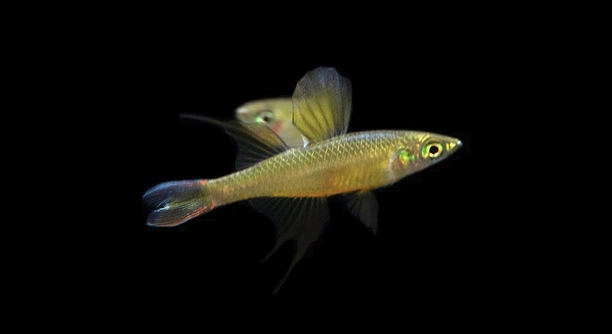
Are your threadfins blending into their environment, making it difficult to observe them clearly during daily care? Many aquarists face this challenge and seek ways to enhance their fish’s visibility without causing unnecessary stress.
Increasing the visibility of threadfins can be achieved through careful habitat adjustments and behavioral enrichment. Utilizing gentle lighting, minimizing background clutter, and encouraging natural movement patterns allows these fish to be more noticeable while maintaining their wellbeing.
Enhancing visibility does not require drastic measures, and small, thoughtful changes can make a significant difference in observing your threadfins comfortably.
Choosing the Right Tank Setup
A proper tank setup is essential to make threadfins more visible without causing stress. Clear water and open swimming areas allow them to move freely, which highlights their natural colors. Avoid overcrowding, as too many fish can make it hard to observe individual threadfins. Substrate choice matters; lighter gravel or sand often enhances their visibility, while dark or cluttered bottoms can camouflage them. Plants should be arranged thoughtfully, providing hiding spots without obstructing sightlines. Gentle filtration helps maintain water clarity, reducing murkiness that can hide your fish. Consistent temperature and pH levels keep threadfins calm, preventing erratic movements that can make observation stressful. Even subtle decorations, like smooth rocks or driftwood, should not create sharp shadows or hiding spots that obscure the fish. Regular maintenance, including careful cleaning and partial water changes, supports a stable environment. All these steps combine to improve visibility while preserving the natural behavior of threadfins.
Balanced lighting enhances visibility further and complements the tank’s setup.
Attention to details such as plant placement, substrate color, and light angles creates a visually accessible environment. Positioning lights to mimic natural daylight while avoiding harsh glare ensures the threadfins’ colors stand out. Using floating plants can diffuse light gently, reducing stress and highlighting movement. Minimal background patterns allow the fish to contrast clearly against their surroundings. Consider using gentle water flow to encourage natural swimming behavior without forcing movement. Observing their daily routines, feeding habits, and interactions with other fish becomes easier in such an environment. This setup not only improves visibility but also supports their overall wellbeing. Over time, small adjustments like adding a new open area or shifting decor slightly can enhance observation opportunities. Consistency in tank care, including stable water parameters and periodic cleaning, ensures that the fish remain comfortable. Each measure, while simple, contributes to a balanced and stress-free habitat where threadfins can be easily seen and appreciated.
Feeding Practices to Encourage Visibility
Feeding habits directly influence how often and where threadfins appear in the tank.
Offering food in visible areas encourages threadfins to swim into open spaces. Feeding schedules that are predictable help them associate certain spots with food, making observation easier. Varied diets with high-quality flakes, pellets, and occasional live foods support activity levels. Avoid overfeeding, as excess food can cloud the water and reduce visibility. Target feeding small amounts at a time can keep them active and engaged. Observing reactions to different feeding techniques allows you to adapt practices without causing stress. Using feeding rings or spreading food across the tank can prevent competition and promote natural foraging behaviors. Monitoring their response over days ensures the methods are effective. Regular, moderate feeding keeps threadfins healthy and consistently visible without compromising their comfort or tank cleanliness.
Threadfins are naturally curious and will respond to food stimuli if feeding is structured properly. Creating predictable patterns and using small portions encourages them to move through the tank. Over time, this improves both visibility and engagement, allowing you to observe their natural behavior closely. By maintaining high-quality water, avoiding excessive crowding, and providing varied, timely nutrition, threadfins can remain active and vibrant. Observation is enhanced when fish feel secure, so balancing feeding with environmental comfort is key. Small adjustments, such as alternating feeding zones and offering occasional live or frozen foods, can stimulate movement and display natural swimming patterns. A consistent feeding routine paired with a clear, open tank ensures threadfins are visible without introducing stress, supporting both their health and the enjoyment of watching them. Over weeks, these strategies build a predictable environment where visibility is naturally improved, creating a calm and interactive habitat.
Using Lighting to Highlight Threadfins
Proper lighting brings out the natural colors of threadfins and improves visibility. Soft, evenly distributed light reduces stress while allowing you to see their movements clearly. Avoid harsh or flickering lights, which can cause anxiety and hide subtle details of their fins.
Adjusting light placement enhances both color and activity. LED lights with adjustable intensity are ideal because they allow gradual changes that mimic natural daylight. Positioning lights above the tank prevents shadows and highlights the fins’ reflective surfaces. Light timers help maintain a consistent day-night cycle, which keeps threadfins active during observation periods. Combining moderate lighting with a clean tank ensures clarity and makes even shy fish easier to spot. Additionally, using neutral-colored backgrounds can prevent visual distraction, making the fish stand out naturally. Experimenting with angles and intensity gradually lets you find the balance that highlights the threadfins without causing discomfort. Maintaining these conditions consistently promotes visibility while respecting their natural behavior.
Balanced lighting works best with tank decor that avoids dark corners. Smooth substrates, open swimming areas, and minimal obstructions allow light to reach all levels of the tank. Floating plants can diffuse brightness gently, creating a soft glow that reduces stress. Adjusting light intensity based on time of day encourages natural activity, making fish more noticeable. Careful placement ensures shadows do not hide fins or obscure movement, while color temperature that mimics daylight enhances reflective patterns on scales. Light combined with clear water creates a visual environment where threadfins stand out naturally, encouraging regular observation without disrupting their behavior.
Encouraging Natural Movement
Threadfins become more visible when encouraged to swim naturally around the tank. Creating open spaces and gentle currents supports active behavior. Strategic placement of plants and decorations can guide movement without restricting freedom.
Adding subtle water flow encourages fish to explore their environment, enhancing visibility. Gentle currents produced by filters or air stones prompt threadfins to swim steadily, displaying fins and colors effectively. Avoid strong currents that force movement, as this can stress them. Providing multiple zones for activity and rest allows choice, making their behavior more predictable and observable. Observing fish in motion also helps identify health issues early. Movement patterns increase visibility, especially when combined with light and open areas. Gradually rearranging decor can stimulate curiosity without causing anxiety, ensuring fish are both active and comfortable. Maintaining a calm environment ensures activity remains natural and stress-free.
Visual cues like light and feeding location support natural movement. Positioning food in various parts of the tank encourages exploration and foraging. Open areas, combined with predictable lighting and feeding, create a rhythm that makes threadfins more visible. Fish respond to environmental changes subtly, and small adjustments can prompt swimming behavior without stress. Over time, maintaining consistent conditions while occasionally introducing new stimuli enhances both activity and visibility. This approach allows careful observation of patterns and interactions among threadfins. Coordinating movement, feeding, and lighting ensures threadfins display their full colors and fins naturally. By encouraging predictable, gentle activity, the tank becomes easier to observe, and the fish remain healthy and calm.
Reducing Stress for Better Visibility
Minimizing stress is essential for keeping threadfins visible. Sudden movements, loud noises, or frequent tank disturbances can make them hide. Creating a calm environment allows them to swim openly and display natural colors.
Consistent tank care, such as regular water changes and stable temperature, helps maintain calm behavior. Avoid tapping the glass or overcrowding the tank, as threadfins may retreat when stressed. Gentle handling during cleaning ensures they remain comfortable. Stress-free fish are more active and easier to observe, which naturally improves visibility over time.
Choosing Compatible Tank Mates
Selecting compatible tank mates reduces hiding behavior in threadfins. Avoid aggressive or overly active fish that may intimidate them. Peaceful species encourage movement in open areas, allowing threadfins to be easily seen and maintain their natural routines.
Monitoring Health and Behavior
Regular observation of behavior and physical condition supports visibility. Healthy, active fish are naturally easier to watch, while signs of illness can lead to hiding.
Keeping a health checklist and tracking changes in movement, appetite, and coloration helps maintain a stress-free environment. Prompt attention to any signs of illness ensures threadfins remain active and visible, supporting both observation and long-term wellbeing.
FAQ
How often should I adjust the lighting in my tank?
Lighting should be consistent to avoid stressing threadfins. A gradual shift in brightness that mimics natural daylight is best. Use timers to maintain predictable day and night cycles. Occasional small adjustments to intensity or angle can highlight their colors, but abrupt changes may cause hiding or erratic behavior. Consistent lighting supports both visibility and wellbeing.
Can threadfins live with other species safely?
Yes, but choose peaceful, non-aggressive tank mates. Avoid large or territorial fish that could intimidate threadfins. Smaller, calm species allow threadfins to swim openly and display natural behaviors. Compatibility reduces stress and hiding, making it easier to observe them regularly. Introducing new fish gradually and monitoring interactions ensures harmony.
What type of substrate is best for visibility?
Lighter substrates like sand or pale gravel enhance contrast, making threadfins easier to see. Dark, heavily patterned substrates can camouflage them. Smooth, uniform surfaces reduce shadows and highlight movement. Combining the right substrate with clean water and proper lighting maximizes visual clarity.
How can I encourage natural movement in threadfins?
Creating open swimming areas and gentle currents encourages exploration. Position decorations to guide movement without restricting space. Feeding in different locations and using mild water flow from filters or air stones stimulates activity. Observing their daily routine allows you to adjust the environment for optimal visibility while keeping stress minimal.
How often should I feed threadfins to maintain activity?
Feed small amounts multiple times a day rather than a single large portion. Frequent, controlled feeding promotes swimming and foraging behavior, keeping them visible. Overfeeding can cloud the water and reduce clarity. Varying diet with flakes, pellets, or occasional live foods maintains interest and encourages movement.
What signs indicate that my threadfins are stressed?
Hiding, erratic swimming, clamped fins, and lack of appetite are common indicators. Sudden color fading or avoiding open areas can also signal stress. Identifying these signs early allows prompt adjustments in tank conditions, lighting, or social environment to restore calm and visibility.
How do I maintain water quality without disturbing visibility?
Regular, partial water changes preserve clarity while minimizing stress. Avoid sudden temperature shifts or aggressive cleaning that could startle fish. Gentle filtration ensures debris is removed without creating strong currents. Clean, clear water improves observation while keeping threadfins comfortable.
Can decorations improve visibility?
Yes, strategically placed decorations can highlight natural swimming areas. Smooth rocks, driftwood, or minimal plant clusters create open spaces where fish are visible. Avoid overcrowding, which can encourage hiding. Floating plants diffuse light gently, emphasizing movement without causing anxiety. Proper arrangement balances aesthetics and visibility.
Is it necessary to track behavior daily?
Daily observation helps detect changes in activity, feeding, or health early. Noting patterns allows adjustments to lighting, feeding locations, or tank layout. Consistent monitoring ensures threadfins remain active, healthy, and easily visible. Even brief, mindful checks provide valuable insight into their wellbeing and comfort.
How do I handle sudden visibility changes?
Identify environmental factors like lighting, tank mates, or water quality that may have shifted. Gradual corrections restore comfort without shocking the fish. Small adjustments in substrate, decor, or feeding practices can return threadfins to open swimming areas. Patience and careful observation ensure improvements are stress-free and effective.
What role does temperature play in visibility?
Stable, appropriate water temperature keeps threadfins active and comfortable. Fluctuations can cause hiding, lethargy, or erratic swimming. Using a reliable heater or thermometer helps maintain consistency. Consistent temperature supports natural behaviors, making fish more noticeable and easier to observe.
How can I make feeding more engaging for threadfins?
Offering food in different tank areas encourages exploration and movement. Mixing pellet, flake, and occasional live foods keeps feeding stimulating. Using a feeding ring or spreading food gently across the tank ensures all fish have access and promotes natural foraging behavior, enhancing visibility.
What is the best way to arrange plants for visibility?
Place taller plants near the back or corners, leaving open swimming areas in the center. Low-growing or sparse plants reduce hiding spots. Floating plants can diffuse light without blocking sightlines. Proper plant placement balances cover with visibility, allowing threadfins to move freely while feeling secure.
Can lighting color affect threadfin visibility?
Yes, neutral or slightly warm light enhances natural colors. Harsh or overly cool light can dull scales or create shadows. Adjusting brightness gradually while avoiding flicker highlights movement and makes fins more noticeable without causing stress.
How important is tank maintenance for observing threadfins?
High maintenance is critical. Clear water, clean substrates, and healthy plants improve visual clarity. Regular monitoring of parameters like pH, temperature, and filtration prevents stress-related hiding. Consistent maintenance keeps threadfins active, healthy, and visible.
Final Thoughts
Making threadfins more visible does not require complicated techniques. Small, consistent adjustments to their environment can produce noticeable results. Starting with tank setup is key. Clear water, open swimming areas, and thoughtful placement of decorations allow threadfins to move freely and display natural colors. Substrate choice, lighting, and plant arrangement all contribute to how easily they can be observed. Even subtle changes, such as shifting a plant or adjusting light intensity, can make a difference. Over time, these small improvements combine to create a comfortable and visually accessible habitat. Maintaining consistent conditions reduces stress and encourages natural swimming behavior, which naturally enhances visibility. A calm environment where fish feel safe is the foundation for both observing and supporting their wellbeing.
Feeding practices play a significant role in keeping threadfins active and visible. Offering food in multiple locations encourages movement throughout the tank. Small, frequent feedings prevent overfeeding, which can cloud water and reduce visibility. Using a variety of high-quality foods, including flakes, pellets, and occasional live options, promotes natural foraging behavior. This approach not only maintains interest but also stimulates activity, making fish easier to watch. Observing how threadfins respond to feeding allows gradual adjustments to enhance visibility without causing stress. Combining thoughtful feeding routines with proper lighting and open swimming areas ensures the fish remain active and healthy. It also provides opportunities to monitor their behavior closely, which can help identify potential health issues early.
Stress management is essential for visibility and overall fish health. Sudden movements, loud noises, and frequent disturbances can make threadfins retreat to hidden areas. Consistent tank maintenance, including regular water changes and stable temperature, helps maintain calm behavior. Choosing compatible tank mates prevents aggression and allows threadfins to swim openly. Gentle water currents and careful plant placement encourage natural activity without forcing movement. Paying attention to lighting, feeding, and environmental comfort creates a balanced habitat where threadfins feel secure. When fish are calm and healthy, they naturally remain visible, and observing them becomes easier and more enjoyable. Implementing these strategies gradually ensures the changes are sustainable, keeping the fish stress-free while maximizing their presence in the tank.

Hello,
If you enjoy the content that we create, please consider saying a "Thank You!" by leaving a tip.
Every little bit helps us continue crafting quality advice that supports the health, happiness, and well-being of pets around the world, for pets of all shapes, sizes, and species.
We really appreciate the kindness and support that you show us!