
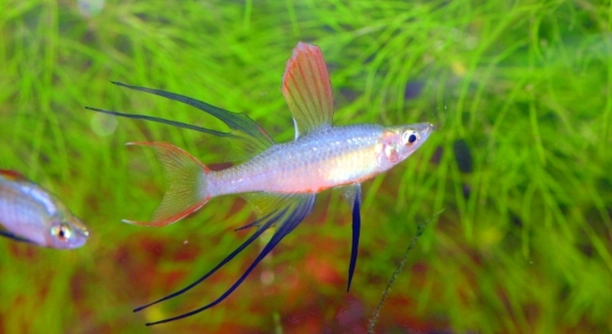
Do you often watch threadfins in their natural habitat and notice they sometimes ignore spots they usually hide in? These fish can be unpredictable, shifting their behaviors even in familiar environments without warning or clear reason.
Threadfins may bypass a favorite hiding spot due to environmental changes, predator presence, or variations in water conditions. Shifts in current, temperature, or food availability can influence their movement and habitat selection, overriding habitual behaviors despite previous preferences.
Observing these patterns can reveal more about threadfins’ adaptability and instincts, offering insight into their daily routines and survival strategies in the wild.
Environmental Shifts and Threadfin Behavior
Threadfins rely heavily on their surroundings to feel secure. Changes in water temperature, clarity, or current can make a familiar hiding spot less appealing. Even slight fluctuations in these factors may trigger the fish to explore other areas. Threadfins are sensitive to noise and movement in their environment. Nearby predators, boats, or even increased human activity can cause them to abandon their usual shelter. Over time, these environmental pressures encourage adaptability. They learn to find alternative hiding spots that offer better safety and comfort. Observing these behaviors highlights how even small changes can influence fish movement. Understanding these patterns allows for better planning in fishing or habitat conservation. By paying attention to seasonal variations, anglers and researchers can predict areas where threadfins are likely to gather or avoid. Their flexibility ensures survival, showing how instinct and environmental awareness shape daily behavior.
Even minor changes in water conditions can cause threadfins to leave familiar shelters. They respond quickly to threats and discomfort.
Threadfins’ sensitivity to their surroundings makes them excellent indicators of environmental health. Shifts in current or temperature can influence their feeding, resting, and hiding routines. They adjust behavior based on perceived risks, often moving to areas with better cover or food availability. Recognizing these patterns helps in monitoring aquatic ecosystems and maintaining balanced habitats. Observing them teaches patience, as sudden movements or disturbances can lead to quick relocation. For anyone studying or watching these fish, it becomes clear that their actions are deeply connected to subtle environmental signals, emphasizing the importance of preserving stable, undisturbed waters.
Predator Presence and Safety Considerations
Predators influence where threadfins choose to hide. Fish sense danger and relocate to safer zones when threats are near.
The presence of predators, including larger fish, birds, or even human activity, can drastically alter threadfins’ behavior. They evaluate risk constantly, favoring areas that offer better camouflage or escape routes. This instinct is critical for survival, pushing them to explore unfamiliar hiding spots or move into deeper waters. Threadfins also observe patterns in predator activity, timing their movements to reduce exposure. In ecosystems with high predator density, they may shift territories entirely or become more nocturnal to avoid threats. Awareness of these dynamics is crucial for managing fisheries, designing conservation areas, or simply observing natural behavior. By understanding predator influence, one can anticipate where threadfins are likely to appear at different times. Their cautious nature highlights a balance between feeding, sheltering, and staying safe, demonstrating that behavior is always guided by instinct, risk assessment, and environmental cues.
Food Availability and Feeding Patterns
Threadfins may leave a favorite hiding spot if food is scarce or abundant elsewhere. They follow areas where prey is plentiful, adjusting their location to match feeding opportunities.
Shifts in food sources directly impact threadfin movement. When prey like small fish or crustaceans are concentrated in other areas, threadfins will abandon familiar shelters to feed efficiently. They are opportunistic feeders, constantly evaluating where energy intake can be maximized with minimal risk. Seasonal changes or human activity, such as baiting or pollution, can alter prey distribution, prompting the fish to seek new feeding grounds. Understanding these patterns is useful for predicting their behavior and identifying prime feeding areas. Tracking their movements in relation to food availability highlights how closely feeding needs shape habitat choice. Observing these changes also shows the balance threadfins maintain between safety and sustenance.
Their feeding routines are flexible and respond to environmental cues. Availability of prey determines movement and hiding preferences.
Threadfins constantly weigh safety against feeding efficiency. When prey is abundant elsewhere, they may risk moving out of secure hiding spots to access better nutrition. This behavior reflects a careful balance between avoiding predators and meeting energy requirements. Even slight changes in prey distribution can trigger movement, demonstrating their sensitivity to food patterns. In some cases, competition with other species or conspecifics may also influence which areas they occupy. Observing these dynamics reveals how instinct drives decision-making in daily life, showing adaptability and responsiveness to the environment. Tracking these shifts provides valuable insight into both fish behavior and ecosystem health.
Seasonal Changes and Habitat Use
Threadfins often change locations in response to seasonal shifts. Water temperature, currents, and prey availability all influence their movement patterns.
Seasonal variations have a significant effect on threadfin behavior. In warmer months, they may seek cooler, deeper waters to maintain comfort and conserve energy. During breeding periods, they may move closer to shallower areas for spawning. Migration of prey or seasonal currents also forces relocation to optimize feeding. These predictable patterns help in planning observation or fishing activities, as threadfins’ responses to seasonal changes are consistent. Understanding these seasonal movements improves habitat management and supports conservation efforts. Their adaptability to fluctuating conditions reflects a balance between environmental pressures and biological needs.
Seasonal changes dictate feeding, hiding, and migration patterns. Threadfins respond quickly to environmental cues, ensuring safety and survival throughout the year.
Social Interactions and Group Dynamics
Threadfins may avoid certain hiding spots if their group moves elsewhere. Social hierarchy and peer movement influence where they gather and rest.
Competition for space or dominance within a school can prompt fish to leave familiar shelters. They often follow leaders or stronger individuals to new areas.
Human Activity Impact
Boating, fishing, or other human disturbances can make threadfins leave usual hiding areas. Noise and vibrations disrupt their comfort, causing relocation. Threadfins are highly sensitive to environmental disturbances caused by humans. Even routine activity near their habitat can change movement patterns, forcing them to find safer, quieter areas. This behavior demonstrates their instinct to avoid risk while maintaining access to food and shelter. Understanding these impacts is crucial for both anglers and conservationists to minimize stress on the species and preserve natural behaviors.
Water Quality Changes
Alterations in water quality, such as pollution or low oxygen levels, can force threadfins to abandon traditional shelters.
FAQ
Why do threadfins sometimes ignore their favorite hiding spots?
Threadfins respond to changes in their environment, predators, and food availability. Even if a spot was safe before, shifts in water temperature, current, or prey distribution can make it less appealing. They prioritize safety and feeding efficiency over habit, so leaving a familiar spot is natural behavior.
Can predators make threadfins move even if the hiding spot seems safe?
Yes. Threadfins detect subtle signs of danger from predators, such as larger fish or birds. Even minor disturbances can prompt them to relocate. Their instinct is to avoid risk while still accessing food, so they may seek out new areas that feel safer.
Do seasonal changes affect their hiding behavior?
Absolutely. Seasonal shifts in water temperature, currents, and prey movement influence threadfin behavior. Warmer months may push them into deeper or cooler waters, while spawning periods can lead them to shallow areas. Their hiding choices adapt with seasonal environmental conditions.
How does food availability influence their hiding patterns?
Threadfins follow prey concentrations. If food becomes scarce near a usual shelter, they will move to areas with better feeding opportunities. Even when a hiding spot is safe, they may abandon it if it does not provide access to enough food.
Does human activity impact where threadfins hide?
Yes. Boating, fishing, and other disturbances create noise and vibrations that make threadfins leave familiar shelters. They are highly sensitive to disruptions, and even routine activity in their habitat can push them to seek quieter, safer areas.
Can water quality changes force them to leave hiding spots?
Definitely. Low oxygen levels, pollution, or sudden chemical changes make usual hiding spots unlivable. Threadfins respond quickly to degraded water conditions to protect their health, relocating to areas with cleaner, more suitable water.
Do social interactions affect their choice of hiding spot?
Yes. Threadfins are influenced by group behavior. School leaders or dominant individuals can lead the group to new hiding areas. Competition for space or social hierarchy also plays a role, prompting fish to leave familiar shelters for less crowded locations.
Is it normal for threadfins to switch hiding spots frequently?
It is normal. Their movement reflects instinctive behavior responding to safety, feeding, and environmental conditions. Frequent changes help them adapt, avoid predators, and optimize survival in dynamic habitats.
Can observing threadfins’ hiding behavior reveal ecosystem health?
Observing their choices provides insight into environmental conditions. Changes in hiding patterns may indicate shifts in prey availability, water quality, or predator presence. Monitoring these behaviors can help identify ecological stressors and guide conservation or habitat management efforts.
Do threadfins prefer certain types of hiding spots over others?
They favor areas that provide cover, such as submerged vegetation, rocks, or structures. However, preference can change depending on safety, food access, or environmental conditions. Flexibility ensures they maintain survival even when preferred shelters are compromised.
How quickly do threadfins adapt to changes in their habitat?
Threadfins adapt rapidly. They respond within hours or days to disturbances, food shifts, or environmental changes. This adaptability is key to their survival and explains why they may suddenly ignore a previously reliable hiding spot.
Can relocating threadfins for research affect their hiding behavior?
Yes. Handling or moving fish can cause stress, leading them to choose new shelters or avoid previously used areas. Minimizing disruption and allowing gradual acclimation helps maintain natural behavior during studies.
Do younger threadfins behave differently than adults regarding hiding spots?
Juveniles tend to be more cautious and may switch hiding spots more frequently than adults. Their smaller size makes them more vulnerable to predators, so they prioritize safety and cover over familiarity. Adults may stay longer in safe locations if conditions remain stable.
Is it possible to predict where threadfins will hide next?
While not precise, observing environmental cues like food availability, predator activity, and water conditions can indicate likely locations. Seasonal and social patterns also provide clues, but flexibility in behavior means predictions are never guaranteed.
How important is it to maintain natural hiding spots for threadfins?
Maintaining natural shelters is critical. These spots provide safety, resting areas, and feeding access. Habitat degradation, pollution, or structural changes can force relocation, stressing fish and potentially impacting survival and reproduction. Preserving these areas supports overall ecosystem balance.
What role does competition with other fish play in hiding spot selection?
Competition influences where threadfins settle. When shelters are crowded or dominant fish occupy prime spots, threadfins move to less contested areas. This ensures access to safety and resources while reducing conflict within the habitat.
Do threadfins ever return to abandoned hiding spots?
Yes. If environmental conditions improve, food becomes available, or threats diminish, threadfins may revisit previous shelters. Their decisions are guided by safety, comfort, and resource availability rather than strict loyalty to one location.
How do researchers track threadfin movements effectively?
Researchers use tagging, observation, and underwater cameras to monitor movements. Tracking allows insight into hiding patterns, habitat preferences, and responses to environmental changes, helping to understand behavior and support conservation efforts.
Are threadfins more likely to move at certain times of day?
Movement often aligns with feeding schedules, predator activity, and light conditions. Many threadfins are more active during early morning or late afternoon, adjusting hiding spot usage according to these patterns to maximize safety and feeding efficiency.
Can environmental enrichment in captivity affect hiding behavior?
Providing structures, plants, and varying water conditions encourages natural behavior. Threadfins in enriched environments exhibit similar hiding patterns to wild counterparts, promoting health, reducing stress, and supporting instinctive movement and exploration.
Do threadfins’ hiding habits change with water depth?
Yes. Depth affects temperature, pressure, and predator presence, influencing hiding choices. Threadfins may move deeper for cooler water or safety, or shallower areas for feeding or spawning, showing flexible adaptation to vertical habitat variations.
How long do threadfins typically stay in one hiding spot?
Duration varies depending on safety, food, and environmental stability. They may remain hours, days, or longer, but sudden changes in conditions often prompt relocation to maintain survival.
What can hobbyists learn from observing threadfins’ hiding behavior?
Watching their movements teaches patience, attention to environmental cues, and understanding of instinctive responses. It highlights how safety, food, and comfort shape daily behavior, providing insight into both care and natural tendencies.
Are there any signs that a hiding spot is no longer preferred?
Signs include reduced visits, increased movement elsewhere, or hesitation to enter the spot. Threadfins communicate discomfort with changes in behavior, signaling that conditions may no longer meet their needs.
How do water currents influence hiding spot selection?
Currents affect oxygen levels, temperature, and prey movement. Threadfins often choose spots that balance protection with optimal feeding and comfort, avoiding strong currents or areas with insufficient cover.
Do threadfins have individual preferences for hiding spots?
Yes. Some individuals show stronger attachment to certain shelters, while others are more flexible. Personality, size, and social status can influence these preferences, resulting in varied behavior within a group.
Can observing threadfin hiding behavior improve fishing strategies?
Understanding where threadfins move and hide can help identify feeding grounds and resting areas. Observing patterns of relocation, social behavior, and environmental response allows for more informed and effective angling techniques.
Is it normal for threadfins to explore unfamiliar areas even if hiding spots are available?
Yes. Exploration is part of survival. Threadfins assess risk, food, and shelter in new areas. This behavior ensures adaptability and readiness for environmental changes, predators, or resource shifts.
How do sudden environmental events, like storms, affect hiding spots?
Storms can drastically alter water conditions, currents, and prey availability. Threadfins often relocate temporarily or permanently in response, seeking safety and stability until conditions normalize.
Do threadfins ever share hiding spots with other species?
Occasionally. If the environment allows, they may share shelters with non-threatening species. Shared use typically depends on space, safety, and reduced competition for resources.
How quickly do threadfins return to a hiding spot after being disturbed?
Return depends on perceived safety and environmental stability. If threats are minor, they may return within hours. Larger disturbances can delay return for days or longer, reflecting cautious behavior.
Can observing threadfin hiding behavior indicate changes in predator populations?
Yes. Increased avoidance or relocation patterns may signal higher predator presence. Sudden changes in behavior often reflect shifts in predation risk, providing insight into ecosystem dynamics.
Do temperature fluctuations within a day affect hiding spot use?
Threadfins respond to temperature changes by moving to more comfortable areas. Daily fluctuations can influence depth selection, cover preference, and feeding times to maintain optimal conditions for survival.
What is the relationship between hiding spot selection and reproduction?
During spawning, threadfins may select shallower or more sheltered areas. Hiding spots provide protection for eggs and young, influencing reproductive success and survival rates.
How important is it to minimize disturbances near hiding spots in the wild?
Minimizing disturbances preserves natural behavior. Reducing noise, pollution, or human activity helps threadfins maintain safe, stable shelters, ensuring healthy routines and supporting overall ecosystem balance.
Do threadfins show signs of stress if a hiding spot is removed?
Yes. Stress can appear as erratic swimming, prolonged searching, or hesitation. They rely on familiar shelters for safety, so sudden loss triggers instinctive caution and relocation behavior.
Can monitoring hiding behavior help with conservation planning?
Absolutely. Observing movements, preferences, and responses to environmental changes informs habitat protection, restoration, and management strategies. Monitoring provides data on population health and ecosystem stability, guiding conservation efforts effectively.
Do threadfins return to a spot after environmental conditions improve?
Yes. If food, safety, and comfort return, they often revisit abandoned shelters. Their behavior reflects adaptability, assessing risks and benefits before returning to previous locations.
Are some threadfins more exploratory than others?
Yes. Individual variation exists. Some are cautious and stay in familiar spots, while others actively explore new areas for food or shelter, showing personality differences in behavior.
Does water clarity affect hiding spot choice?
Threadfins prefer areas that offer visual cover. Murky or clear water changes their perception of safety and affects whether they stay or move to more protective locations.
Can sudden changes in salinity influence hiding behavior?
Yes. Threadfins are sensitive to salinity fluctuations. Rapid changes can prompt relocation to maintain comfort, health, and access to food sources.
How do researchers use hiding behavior to study ecological balance?
By tracking shelter use, movement patterns, and responses to environmental shifts, researchers gain insight into species interactions, habitat quality, and ecosystem health, helping guide effective management strategies.
Do threadfins adjust hiding spots in response to prey behavior?
Yes. They follow prey movement and abundance, relocating to areas with optimal feeding opportunities while balancing safety and cover.
Is there a pattern to how threadfins explore new hiding spots?
Exploration is cautious. They assess safety, food availability, and predator presence before fully committing to a new area. This measured approach reduces risk while optimizing resources.
Do threadfins avoid areas previously threatened by predators?
Often. Memory of past threats influences future decisions, making them more likely to avoid locations associated with danger. This instinct enhances survival chances.
Can hiding spot selection indicate overall health?
Yes. Frequent relocation, reluctance to use shelters, or erratic behavior may signal stress, disease, or environmental problems, providing an indicator of individual and population well-being.
Do juveniles and adults choose hiding spots differently during high predator activity?
Juveniles tend to hide more frequently and in denser cover, while adults may use more open areas but rely on experience to avoid threats. This difference balances safety and resource access across life stages.
How does oxygen level influence hiding spot choice?
Low oxygen prompts threadfins to seek areas with better circulation or aeration. Shelters in stagnant or low-oxygen zones are avoided to maintain health and energy efficiency.
Do threadfins coordinate movement with others when leaving a hiding spot?
Yes. Group coordination reduces risk. Following leaders or staying with the school ensures safety, improves feeding efficiency, and maintains social cohesion.
Are there seasonal shifts in the type of hiding spots used?
Yes. Seasonal changes affect depth, cover, and location preferences. Threadfins adapt to temperature, currents, and prey patterns, demonstrating flexible habitat use throughout the year.
Can repeated disturbances cause permanent changes in hiding behavior?
Persistent threats may lead threadfins to permanently avoid certain areas. Long-term habitat alteration or frequent human interference can result in lasting changes in shelter selection.
Do threadfins exhibit site fidelity if conditions remain stable?
Yes. When food, safety, and environmental conditions are favorable, threadfins often return to and reuse specific hiding spots consistently over time.
How do seasonal breeding patterns affect hiding behavior?
During breeding, threadfins may seek shallower or more concealed areas to protect eggs and fry. Shelter selection becomes tied to reproductive needs and safety priorities.
Are there differences in hiding behavior between male and female threadfins?
Males and females may choose different shelters during spawning periods, balancing protection with reproductive duties. Females often prioritize safety for offspring, while males may focus on territory and mating opportunities.
How can observing hiding behavior assist in sustainable fishing practices?
Tracking shelter use and movement patterns helps identify when and where threadfins are most vulnerable. This knowledge supports regulations that prevent overfishing and preserve population health.
Does water flow direction influence hiding spot choice?
Yes. Threadfins consider current strength and direction. Strong currents may make a spot less desirable, while moderate flow can aid feeding and oxygenation, affecting shelter selection.
Do threadfins revisit areas after predators leave?
Often. Once perceived risk decreases, they may return to previously abandoned spots, balancing safety and comfort with familiarity.
Can environmental enrichment in captivity replicate natural hiding behavior?
Yes. Providing cover, plants, and varied terrain encourages natural movement and shelter use, supporting well-being and instinctive behavior.
Are threadfins more likely to hide near structures or open areas?
They prefer structures that offer cover and protection. Open areas are riskier, though fish may enter temporarily for feeding or exploration before returning to shelter.
How important is continuous observation to understand hiding patterns?
Ongoing observation provides insight into daily routines, seasonal changes, and environmental responses. It reveals trends and adaptations, helping understand threadfin behavior comprehensively.
Do threadfins ever compete with other species for hiding spots?
Yes. Overlapping habitats can lead to competition. Threadfins may relocate if another species dominates a preferred shelter, balancing safety and access to resources.
How do disturbances during feeding affect hiding behavior?
Sudden disturbances can cause threadfins to retreat to safer shelters, interrupting feeding. They balance hunger with the need for security, adjusting behavior accordingly.
Can observing hiding spots help identify environmental problems?
Changes in shelter use may indicate pollution, predator influx, or habitat degradation. Tracking these patterns helps detect and address ecosystem issues early.
Do threadfins form long-term preferences for specific hiding spots?
If conditions remain favorable, they may consistently use certain shelters, demonstrating memory, familiarity, and comfort with safe areas.
Are juvenile threadfins more sensitive to environmental changes than adults?
Yes. Smaller size and inexperience make juveniles more cautious and responsive to disturbances, prompting frequent relocation to maintain safety.
Does prey density near a hiding spot influence its use?
High prey density makes shelters more attractive. Threadfins weigh safety against feeding opportunities, choosing spots that provide both cover and access to food.
How do threadfins react to sudden drops in water level?
They quickly relocate to maintain safety and access to food. Low water can reduce shelter availability, forcing movement to more suitable areas.
Are threadfins’ hiding behaviors consistent across habitats?
Patterns vary with habitat type. They adapt to local conditions, cover availability, and predator presence, showing flexible and context-dependent behavior.
Can observing hiding patterns improve aquaculture practices?
Yes. Understanding preferences for shelter, movement, and social behavior informs tank design, feeding schedules, and stress reduction strategies, promoting healthier fish.
Do threadfins return to hiding spots after short disturbances?
Usually. Minor disruptions prompt temporary relocation. Once conditions stabilize, they often revisit the original shelter, demonstrating adaptability and memory.
How do threadfins balance feeding and hiding?
They prioritize safety but move to areas with better food availability. Behavior reflects a constant trade-off between energy intake and risk avoidance, ensuring survival and health.
Are there signs that a hiding spot is optimal for threadfins?
Frequent visits, calm behavior, and consistent use indicate a preferred shelter. Threadfins select spots that offer safety, cover, and access to food.
Do threadfins exhibit site fidelity in areas with low predation?
Yes. Reduced threat allows consistent use of shelters. Familiarity provides comfort, efficient feeding, and stable resting areas, reducing energy expenditure and stress.
Can observing hiding spot use indicate changes in prey populations?
Yes. Movement toward new shelters may reflect shifts in prey density or distribution. Tracking these patterns can provide insight into ecosystem dynamics.
Do threadfins show avoidance behavior after repeated disturbances?
Persistent disruptions can lead to long-term avoidance of certain shelters, forcing relocation and altering daily routines.
How does group size affect hiding spot choice?
Larger groups may require bigger or more open shelters, while smaller groups can occupy tighter spaces. Social dynamics influence shelter selection and movement patterns.
Are threadfins more likely to explore new hiding spots during low predator activity?
Yes. Reduced risk encourages exploration for food or better shelter. They assess safety before settling, balancing curiosity with survival instincts.
Do threadfins use multiple hiding spots in rotation?
Often. Rotating between shelters reduces predictability for predators and optimizes access to food, cover, and favorable environmental conditions.
Can observing hiding behavior reveal stress levels?
Yes. Frequent relocation, hesitation, or avoidance of preferred shelters can indicate stress from predators, human activity, or environmental changes, signaling potential problems.
Do threadfins respond differently to natural versus artificial shelters?
They often prefer natural cover but will use artificial structures if they provide adequate safety and access to food. Adaptability ensures survival in varied environments.
How do threadfins decide when to leave a hiding spot?
Decisions are based on risk assessment, food availability, environmental comfort, and social cues. They leave when benefits of moving outweigh staying, reflecting careful instinctive evaluation.
Do threadfins ever revisit disturbed hiding spots quickly?
If the environment stabilizes and threats are gone, they may return within hours. Rapid return depends on perceived safety and resource availability.
**Are hiding spot
Threadfins are fascinating fish that adapt constantly to their environment. Their choices in hiding spots are influenced by a variety of factors, including predators, food availability, water conditions, and social interactions. Even a spot that seems perfect one day may be abandoned the next if conditions change. Observing this behavior gives insight into how instinct and environment interact to guide daily decisions. Threadfins prioritize safety, energy efficiency, and comfort, and these priorities shape their movement and shelter use. Understanding these patterns helps in appreciating the complexity of their behavior and the subtle ways they respond to changes in their surroundings.
Environmental factors are perhaps the most noticeable influences on threadfin hiding behavior. Changes in water temperature, clarity, currents, and oxygen levels can prompt them to relocate quickly. Predators play a critical role as well, as the presence or absence of threats can determine whether a fish remains in a familiar spot or explores new areas. Food distribution is another major factor, as threadfins will often move to areas with better feeding opportunities, even if it means leaving a preferred hiding place. Their ability to adapt to seasonal changes, human disturbances, and shifting group dynamics demonstrates remarkable flexibility, which is essential for survival. Observing these patterns highlights not just their instincts but also their capacity to respond effectively to both gradual and sudden environmental changes.
Paying attention to threadfins’ hiding habits offers practical benefits for both research and conservation. By understanding how and why they select certain shelters, it becomes possible to predict movements, support sustainable fishing practices, and monitor ecosystem health. Habitat preservation is crucial, as changes in cover, water quality, or prey populations can directly impact their behavior and overall well-being. Even in captivity, providing environments that replicate natural hiding spots encourages normal behavior and reduces stress. Threadfins’ adaptability and cautious instincts demonstrate the importance of maintaining stable, safe habitats. Their behavior serves as a reminder that small changes in the environment can have significant effects, and that careful observation can reveal the underlying patterns that govern survival and daily routines in aquatic ecosystems.

Hello,
If you enjoy the content that we create, please consider saying a "Thank You!" by leaving a tip.
Every little bit helps us continue crafting quality advice that supports the health, happiness, and well-being of pets around the world, for pets of all shapes, sizes, and species.
We really appreciate the kindness and support that you show us!