
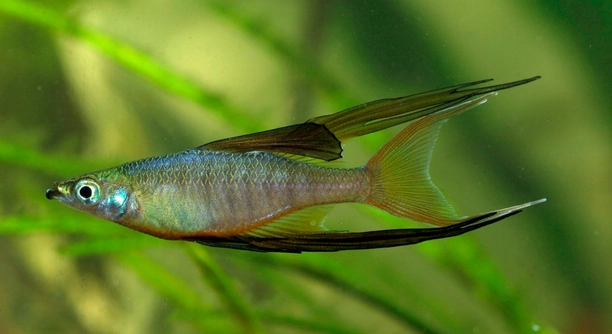
Threadfin Rainbowfish are small, colorful freshwater fish often kept in home aquariums. Their lively movements and bright colors make them a favorite among fish enthusiasts. Observing their daily routines can reveal interesting patterns in behavior.
Threadfin Rainbowfish exhibit conditioned responses to feeding times and stimuli. They can learn to associate specific cues, such as the sight of their owner or the appearance of food, with feeding, showing anticipatory swimming and increased activity prior to being fed.
Understanding these behaviors can help improve feeding schedules and overall care. Observing their reactions provides insight into their intelligence and daily needs.
How Threadfin Rainbowfish Recognize Feeding Times
Threadfin Rainbowfish quickly learn to recognize signals associated with feeding. They may notice the sound of a container opening, movements near the tank, or changes in light reflecting on the water. Over time, they link these cues to food arrival, increasing their activity in anticipation. Observing their behavior closely, I noticed they often swim near the surface or gather around a familiar spot when it is close to feeding time. Their bright colors make these movements more noticeable, and they seem to respond almost immediately when food is introduced. This conditioned response is a form of learning, demonstrating that even small fish can adapt to their environment and routine. It’s fascinating to watch them shift from casual swimming to alert behavior, showing a clear connection between observation, memory, and response. Regular feeding schedules help reinforce this behavior, making their reactions more predictable and reliable over time.
Conditioned responses help Rainbowfish manage their energy. They anticipate feeding without constant searching or wandering throughout the tank.
Regular observation of feeding behavior allows for better tank management. Tracking their cues can ensure each fish receives adequate nutrition and attention. Maintaining consistent feeding times reduces stress, encourages healthy activity levels, and helps in monitoring overall health. It also strengthens your understanding of their natural instincts and learning capacity, giving insight into how they interact with their environment daily. Watching their reactions closely can reveal subtle differences between individual fish, from how quickly they respond to specific cues to the order in which they approach the feeding area. Recognizing these patterns can make maintaining an aquarium more efficient and enjoyable, ensuring that each fish thrives in a stable and supportive habitat. Over time, this observation also aids in identifying potential health issues early, as deviations from usual feeding responses may indicate stress or illness. Consistency, patience, and attentiveness are key in fostering both their physical health and behavioral development.
Signs of Anticipatory Behavior
Threadfin Rainbowfish display anticipatory behavior through quick movements and gathering near feeding areas before food appears. They can become more active or hover in familiar spots.
Observing these signs regularly can improve feeding efficiency and enhance their care. Recognizing subtle cues, like focused swimming patterns, surface attention, or synchronized movement among the group, highlights their intelligence and ability to learn. I’ve noticed that some fish will even pause mid-swim to watch specific actions in the tank, waiting for the exact moment food is presented. These patterns indicate memory retention and association between visual or auditory cues and the expected reward. Noticing such details allows for adjustments in feeding techniques, ensuring all fish are included and preventing competition-related stress. Additionally, it can provide insight into the overall social dynamics within the tank, revealing which fish are bolder or more responsive to stimuli. By monitoring these behaviors, it becomes easier to maintain a healthy, well-fed group, while also appreciating the complexity of their learning and environmental interaction.
Feeding Cues and Patterns
Threadfin Rainbowfish respond to consistent visual and auditory cues. They notice the sound of containers, hand movements, or water ripples. These signals trigger anticipatory swimming and increased activity before feeding, showing they connect these patterns with food arrival.
I observed that Rainbowfish quickly adapt to regular feeding schedules. When food is introduced at similar times each day, they begin swimming near the feeding area before any food appears. Some fish even pause mid-swim to watch movements closely, signaling awareness and expectation. These cues help them conserve energy while remaining alert, reflecting their ability to learn from routine and environmental signals over time.
Consistency strengthens the connection between cues and feeding. The fish begin associating specific actions with food delivery. Over weeks, even small changes, like moving the container slightly differently, can alter their response. Their behavior demonstrates memory, observation, and adaptability, making it easier to anticipate reactions. Observing these patterns has helped me adjust feeding methods to minimize stress, ensure even distribution of food, and maintain a calm tank environment. Recognizing these habits highlights their intelligence and the importance of predictable routines.
Impact of Feeding on Behavior
Anticipation of feeding influences Rainbowfish activity levels and social interactions. Increased alertness and synchronized swimming often occur just before food is presented, showing their behavioral adaptation.
Feeding routines can shape behavior in subtle ways. Threadfin Rainbowfish that receive food at predictable intervals show less aimless swimming and reduced aggression. Their daily energy allocation shifts from wandering the tank to preparing for the expected reward. I’ve noticed that fish at the front of the group tend to dominate access to food initially, while others observe and learn from their behavior. Over time, even the more timid fish adjust, moving confidently toward feeding areas. This structured behavior reduces competition stress, promotes group cohesion, and improves overall health by ensuring fish eat appropriately. Predictable feeding also fosters trust in their environment, as they become accustomed to routine and learn to anticipate outcomes based on past experiences. This highlights the important link between structured care and positive behavioral development.
Timing and Routine
Threadfin Rainbowfish quickly recognize consistent feeding times. They become more active as feeding approaches, often gathering near the usual spot. This behavior shows their ability to anticipate events based on routine and past experiences, reflecting both memory and environmental awareness.
Maintaining a stable schedule helps reduce stress. Fish that experience irregular feeding often display erratic swimming or increased hiding. Consistency in timing ensures all individuals remain alert but calm, promoting balanced activity and better overall health. Predictable routines allow the fish to conserve energy while preparing for food, creating a more harmonious tank environment and improving their daily well-being.
Visual and Auditory Triggers
Rainbowfish respond strongly to specific visual and auditory cues, such as hand movements or container sounds. These triggers signal the arrival of food, prompting immediate attention and swimming toward the feeding area. Recognition of these cues demonstrates their learning capacity and adaptability within their environment.
Observing Individual Differences
Not all Rainbowfish react identically to feeding cues. Some are more proactive, swimming directly to the surface, while others watch before moving. Individual temperament affects how quickly they respond.
Feeding Strategies
Different methods, such as scattering flakes versus timed drops, influence fish behavior and food distribution. Adjusting strategies ensures all Rainbowfish access food evenly, reducing stress and promoting healthier growth.
FAQ
How do Threadfin Rainbowfish know when they are being fed?
Threadfin Rainbowfish rely on learned cues from their environment. They notice sounds, movements, and visual changes associated with feeding. Over time, they connect these cues with food arrival, showing anticipatory behavior such as swimming near the surface, gathering in specific areas, or increasing activity levels. Regular feeding schedules strengthen this learned response and reduce erratic or aimless swimming. I’ve observed that after a few weeks of consistent feeding, they start reacting even before food touches the water, indicating strong memory and pattern recognition. This ability allows them to conserve energy while preparing for feeding.
Can Rainbowfish get stressed if feeding is inconsistent?
Yes, inconsistency can cause stress. When feeding times or methods change frequently, Rainbowfish may swim frantically, hide, or show reduced appetite. Stress can lead to weakened immunity and uneven food distribution, affecting both growth and health. Maintaining a regular schedule reduces tension in the tank and helps all fish adjust to their environment. I noticed that minor variations, like delaying feeding by an hour, cause noticeable changes in swimming patterns and alertness. Predictability is key to maintaining calm behavior and promoting a stable social structure among the fish.
Do all Rainbowfish respond the same way to feeding cues?
No, individual differences are common. Some fish are proactive, immediately swimming to the surface when a feeding cue occurs, while others observe before approaching. Factors like personality, age, and social hierarchy influence response times. I’ve found that bolder fish often lead the group, and the more timid ones gradually follow, learning the cues over time. Observing these differences can help in managing food distribution and ensuring every fish receives enough nutrition. Recognizing individual patterns also provides insight into their social interactions and helps identify health or behavioral issues early.
Does the type of food affect their response?
Yes, the type of food can influence feeding behavior. Rainbowfish may react faster to flakes, pellets, or live foods depending on preference and familiarity. I noticed that live foods trigger the most excitement, with rapid swimming and surface activity. Flakes or pellets elicit more controlled, calm responses. Offering a variety of foods ensures balanced nutrition and keeps feeding interactions engaging. It also allows fish to adapt to different feeding methods while maintaining interest and healthy growth. Observing how they respond to each type helps tailor feeding routines effectively.
Can Rainbowfish learn to anticipate feeding from visual cues alone?
Yes, visual cues alone are effective. Movements such as a hand approaching the tank, container placement, or water disturbance can signal feeding. I’ve observed Rainbowfish begin swimming toward the expected area even without sounds or direct interaction. This demonstrates strong visual learning and memory. Consistent pairing of visual cues with food strengthens the association, making the fish highly responsive and allowing for predictable feeding behavior.
How can I ensure all fish get enough food?
Using a controlled feeding strategy works best. Scatter food evenly across the tank or use multiple small portions. Observing individual reactions helps identify fish that are less proactive, allowing for adjustments. I often watch the group and supplement food near timid fish to prevent starvation or dominance issues. Maintaining consistency, observing individual behavior, and adjusting techniques helps promote fair access and supports overall tank health.
What happens if I change feeding times suddenly?
Sudden changes can cause temporary stress. Rainbowfish may swim erratically or display heightened alertness. I’ve noticed that even shifting feeding by an hour disrupts their usual patterns. Gradual adjustments are better, allowing them to adapt while maintaining normal activity and reducing tension within the tank. Predictable schedules are essential for calm, healthy behavior and efficient food distribution.
Can observing feeding behavior indicate health issues?
Yes, feeding responses are strong indicators of health. Lack of anticipation, reduced activity, or avoidance during feeding can signal illness or stress. I’ve seen early signs of illness identified this way, allowing for prompt intervention. Monitoring behavior regularly supports early detection and helps maintain a healthy, thriving aquarium environment.
Final Thoughts
Threadfin Rainbowfish are fascinating creatures that show a clear ability to learn and respond to their environment. Their behavior around feeding times demonstrates memory, observation, and adaptability. Over time, they connect specific cues—like sounds, movements, or visual changes—with the arrival of food. This learned behavior is more than simple instinct; it reflects their capacity to anticipate events and adjust their activity accordingly. I’ve noticed that maintaining a consistent feeding schedule strengthens these responses. Fish become calmer, more focused, and more predictable in their movements, reducing stress in the tank and promoting healthier social interactions. By observing how they react to cues and food, it is possible to learn a lot about their personalities, tendencies, and even minor variations in health. Individual differences are also evident. Some fish are bold and proactive, immediately swimming toward the source of food, while others watch, evaluate, and gradually move forward. These differences are important to note because they help in managing feeding practices and ensuring that every fish receives proper nutrition.
Consistency and routine play a crucial role in the well-being of Rainbowfish. Predictable feeding times allow the fish to allocate energy efficiently, swimming with purpose rather than wandering aimlessly throughout the tank. I’ve seen firsthand how irregular feeding can lead to stress, competition, and uneven food distribution. Fish may become anxious or hide, and some may fail to get enough nutrition. A structured approach avoids these issues. Even minor adjustments, like scattering food evenly or offering multiple small portions, can make a significant difference. Observing their behavior while feeding also provides insight into social dynamics. Dominant fish often move first, and more timid fish learn over time to approach the feeding area confidently. By paying attention to these patterns, it is possible to create a calm and fair environment that supports both individual needs and group harmony.
Finally, monitoring feeding behavior is an effective way to assess overall health. Changes in anticipation, activity, or appetite can indicate stress, illness, or environmental problems. I’ve found that attentive observation is key. When fish stop responding as usual to familiar cues, it often signals a problem that can be addressed early. Understanding their feeding behavior is not just about giving them food; it is a window into their cognitive abilities, social interactions, and well-being. By providing consistent care, observing individual differences, and responding thoughtfully to changes, Rainbowfish can thrive in a home aquarium. Their responses to feeding show both intelligence and adaptability, making them engaging and rewarding to care for. Proper feeding practices, combined with careful observation, contribute to a healthy, balanced, and stimulating environment where these fish can flourish.

Hello,
If you enjoy the content that we create, please consider saying a "Thank You!" by leaving a tip.
Every little bit helps us continue crafting quality advice that supports the health, happiness, and well-being of pets around the world, for pets of all shapes, sizes, and species.
We really appreciate the kindness and support that you show us!