
Paragraph 1:
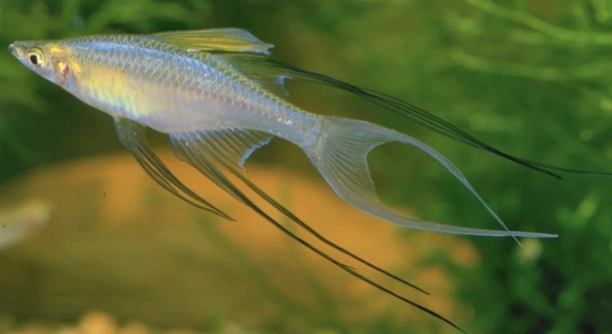
Threadfin Rainbowfish are small, lively fish that brighten any freshwater aquarium. Many owners enjoy their shimmering colors but sometimes worry about how to keep them calm and comfortable in their tank environment.
Paragraph 2:
Creating a safe environment for Threadfin Rainbowfish involves providing ample hiding spaces, maintaining stable water conditions, and minimizing sudden disturbances. Proper tank layout and compatible tank mates are crucial factors to reduce stress and encourage natural, confident behavior.
Paragraph 3:
Learning these safety measures helps ensure your fish feel secure while promoting a healthy and harmonious aquarium life.
Setting Up the Ideal Tank Environment
A proper tank setup is essential for Threadfin Rainbowfish to feel secure. Start with a tank of at least 30 gallons to give them room to swim freely. Use fine gravel or sand as substrate and include plenty of live plants, rocks, and driftwood to create hiding spots. Floating plants are also helpful, as they provide shaded areas that reduce stress and mimic natural habitats. Keep water temperature between 74–78°F and maintain a pH around 6.5–7.5. Consistent filtration and gentle water flow are important to prevent sudden disturbances, which can startle these sensitive fish. Lighting should be moderate to highlight their colors without overwhelming them. Regular partial water changes, about 20–25% weekly, help maintain cleanliness and stability. Avoid overcrowding the tank, as too many fish can lead to aggression and anxiety. Observing their behavior daily allows you to notice stress signs early and adjust the environment accordingly.
Creating a secure habitat requires attention to detail, patience, and consistency, ensuring the fish remain relaxed and healthy.
By carefully arranging plants, decorations, and hiding spaces, your Threadfin Rainbowfish can explore confidently, swim naturally, and show off their vibrant colors without fear.
Feeding and Daily Care
Threadfin Rainbowfish need a balanced diet to stay healthy. Offer small, frequent feedings of high-quality flakes, pellets, and occasional live or frozen foods. Avoid overfeeding to maintain water quality.
Regular observation during feeding helps detect illness or stress early. Feed them at the same times daily to establish routine and security. Monitor leftovers and remove uneaten food promptly to prevent water issues. Their diet should include variety to ensure proper nutrition, supporting their immune system and coloration. Pairing them with compatible species reduces stress during feeding, allowing peaceful access to food. Maintaining consistent feeding habits and attentive care strengthens their sense of safety and encourages natural behaviors. Over time, your attention to these small details can create a calm, thriving environment.
Feeding, cleaning, and watching their interactions not only keep your fish healthy but also strengthen the stable environment that makes them feel safe in your aquarium.
Reducing Stress in Your Tank
Minimizing sudden movements around the tank and loud noises helps Threadfin Rainbowfish feel safe. Consistent lighting and avoiding frequent rearrangements of decorations reduce anxiety.
Providing multiple hiding spots, such as caves, plants, and driftwood, allows them to retreat when feeling threatened. Avoid placing aggressive or overly active fish nearby, as this can increase tension and stress levels. Monitoring water quality and keeping parameters stable is also essential, as fluctuations can cause discomfort and erratic behavior. Observing their daily habits helps you notice subtle signs of stress, allowing for quick adjustments to the environment. Creating a calm, predictable routine ensures your fish feel secure and confident in exploring their tank.
Adding gentle water flow, hiding areas at different levels, and maintaining moderate lighting all contribute to a less stressful environment. Over time, these small changes lead to calmer behavior and better overall health.
Social Behavior and Tank Mates
Threadfin Rainbowfish are schooling fish and feel safer in groups of at least six individuals. Keep compatible, non-aggressive species in the same tank to reduce conflicts.
Carefully selecting tank mates and observing interactions is important for safety. Aggressive or overly dominant fish can intimidate Rainbowfish, causing stress and hiding. Maintaining group cohesion among Threadfin Rainbowfish encourages natural swimming patterns and reduces fear. Watching their interactions helps you intervene if bullying occurs, either by separating aggressive fish or adjusting the tank layout. Providing open swimming areas along with hiding spots allows peaceful coexistence and supports natural social behavior. Over time, proper grouping and compatible companions create a harmonious environment where the fish feel secure and confident.
Tank Lighting and Hiding Spots
Moderate lighting helps Threadfin Rainbowfish feel secure while showing their colors. Too bright light can stress them, while too dim light may hide natural behaviors.
Providing plants, caves, and driftwood at different tank levels gives multiple hiding options. This arrangement allows fish to retreat or explore freely, reducing stress and promoting confidence.
Water Quality Maintenance
Consistent water parameters are vital for Threadfin Rainbowfish. Keep temperature between 74–78°F, pH near 6.5–7.5, and ammonia, nitrite, and nitrate levels under control. Regular partial water changes and a reliable filter maintain cleanliness and stability, preventing illness and discomfort.
Regular monitoring of water conditions, combined with careful feeding and cleaning routines, ensures a stable environment. Threadfin Rainbowfish are sensitive to sudden changes, so maintaining balance supports healthy behavior and reduces stress. Keeping water parameters predictable allows them to thrive, display vibrant colors, and interact naturally with tank mates. Proper maintenance is a key factor in creating a secure and comfortable habitat for these fish.
Observing Behavior
Watching your Rainbowfish daily helps detect stress, illness, or aggression. Subtle changes indicate their comfort and safety levels.
FAQ
How many Threadfin Rainbowfish should I keep together?
Threadfin Rainbowfish are schooling fish and feel most secure in groups of six or more. Smaller groups may become shy or stressed, while larger groups help them display natural swimming behaviors and increase overall confidence. Keeping them in a proper-sized tank ensures space for movement without overcrowding.
What tank size is ideal for Threadfin Rainbowfish?
A minimum of 30 gallons is recommended for a small group. Larger tanks offer more swimming space and allow for multiple hiding spots. Open swimming areas combined with plants, rocks, and driftwood create a secure and natural environment for these active fish.
Which tank mates are safe for Rainbowfish?
Choose peaceful, non-aggressive species that occupy different tank levels. Avoid overly territorial or fin-nipping fish. Compatible tank mates reduce stress and allow Rainbowfish to interact naturally while maintaining a calm environment. Observing interactions helps prevent conflict and ensures harmony.
How do I reduce stress in my Rainbowfish?
Minimize sudden movements, loud noises, and frequent tank rearrangements. Provide moderate lighting and multiple hiding spots to help them feel safe. Stable water parameters and a consistent feeding routine also reduce anxiety and promote confident behavior.
What is the best diet for Threadfin Rainbowfish?
A balanced diet includes high-quality flakes or pellets, supplemented with frozen or live foods like brine shrimp or daphnia. Feed small amounts multiple times a day to prevent overfeeding, which can lead to poor water quality and stress. A varied diet supports health, coloration, and energy levels.
How often should I clean the tank?
Perform partial water changes of 20–25% weekly to maintain cleanliness. Regularly check the filter and remove uneaten food. Keeping the tank clean ensures stable water parameters, reduces the risk of disease, and helps Rainbowfish feel secure in their environment.
Can Threadfin Rainbowfish live in a planted tank?
Yes, they thrive in planted tanks. Live plants provide hiding spots, shaded areas, and improve water quality. Plants like java fern, hornwort, and floating species create natural habitats that reduce stress and allow Rainbowfish to exhibit natural behaviors while exploring safely.
How do I know if my Rainbowfish is stressed?
Signs include hiding excessively, rapid swimming, clamped fins, or loss of color. Stress often results from poor water quality, aggressive tank mates, or sudden environmental changes. Observing these behaviors early allows you to make adjustments and restore a safe, calm environment.
What water conditions are ideal for Rainbowfish?
Maintain temperature between 74–78°F and pH around 6.5–7.5. Ammonia and nitrite should remain at zero, with nitrates under 20 ppm. Stable water conditions are essential, as fluctuations can cause stress, illness, or unusual behavior in these sensitive fish.
Do Rainbowfish need hiding spots at all times?
Yes, multiple hiding areas at different tank levels give them security when stressed. Caves, plants, and driftwood allow fish to retreat if threatened and reduce anxiety while supporting exploration and natural swimming patterns. Proper hiding spots are key to a safe tank environment.
Can lighting affect my Rainbowfish’s behavior?
Moderate lighting is best. Too bright light can stress them, while too dim light may limit natural behaviors and make them feel unsafe. Floating plants or shaded areas can balance lighting, allowing the fish to feel secure while displaying vibrant colors naturally.
How often should I feed my Rainbowfish?
Feed small amounts two to three times daily. Overfeeding can lead to water issues and stress, while underfeeding affects energy and coloration. Observing how quickly they eat helps adjust portions, ensuring they receive adequate nutrition without compromising tank quality.
Is it necessary to monitor fish interactions daily?
Yes, daily observation helps detect aggression, stress, or illness early. Noticing subtle changes in swimming patterns, hiding, or color can indicate discomfort. Intervening promptly by adjusting tank layout, removing aggressive tank mates, or improving hiding spots ensures a safer, more comfortable environment.
Do Threadfin Rainbowfish need a gentle water flow?
Yes, moderate flow helps mimic natural habitats without overwhelming them. Strong currents can cause stress and fatigue. Adjusting filter output or adding decorations to diffuse flow provides a comfortable swimming environment while keeping water oxygenated and clean.
How long do Threadfin Rainbowfish typically live?
With proper care, Threadfin Rainbowfish can live 5–8 years. Stable water conditions, a balanced diet, compatible tank mates, and a secure environment are essential factors in maximizing their lifespan and ensuring overall well-being in captivity.
What should I do if a fish becomes ill?
Isolate sick individuals to prevent the spread of disease. Check water parameters and remove stressors. Treat with appropriate medication if necessary. Observing their behavior and condition daily allows early intervention, which increases chances of recovery and maintains tank safety for all fish.
Can I use artificial plants instead of live ones?
Artificial plants can provide hiding spots, but they lack benefits of live plants like water filtration and oxygen production. Choose smooth, non-toxic decorations to avoid injury. Combining artificial and live plants can offer security while still improving water quality and natural behavior opportunities.
How do I prevent aggression in the tank?
Maintain a group of at least six Rainbowfish, avoid aggressive species, and provide multiple hiding spots. Open swimming areas reduce territorial disputes. Monitoring interactions and adjusting decorations or tank mates as needed ensures calm behavior and a safe environment for all fish.
Is it normal for Rainbowfish to hide for long periods?
Occasional hiding is normal, especially when startled or during new tank acclimation. Prolonged hiding can indicate stress, poor water conditions, or aggressive tank mates. Providing multiple hiding spots and maintaining stable water parameters helps them feel secure while encouraging gradual exploration of the tank.
How important is tank routine for Rainbowfish?
Consistent feeding times, cleaning schedules, and minimal environmental changes create predictability, which reduces stress. Routine helps Rainbowfish feel safe, supports natural behaviors, and encourages them to explore without fear. Sudden changes should be avoided to maintain confidence and overall well-being.
Can Rainbowfish adapt to different tank setups?
They adapt best to stable, planted tanks with hiding spaces and moderate lighting. While flexible, frequent rearrangements, overcrowding, or aggressive neighbors can increase stress. Gradual adjustments and careful observation ensure smooth adaptation without compromising their sense of safety.
Do they need special care during breeding?
Breeding requires calm conditions, suitable spawning sites, and separate rearing tanks for fry. Reducing stress, maintaining optimal water quality, and monitoring adult behavior ensures a higher success rate while keeping both adults and young fish safe.
How can I enhance their colors naturally?
Provide a varied diet with high-quality flakes, pellets, and live or frozen foods. Stable water conditions, minimal stress, and proper lighting enhance natural coloration. Avoid overcrowding and aggressive tank mates, which can cause dull colors due to stress.
Are they sensitive to temperature changes?
Yes, sudden shifts can cause stress or illness. Keep water within 74–78°F and avoid drafts, heaters that fluctuate, or placing the tank in direct sunlight. Gradual adjustments during maintenance or seasonal changes are safer for their health and comfort.
What’s the best way to introduce new fish to the tank?
Quarantine new fish for at least two weeks, then gradually acclimate them to the main tank using floating bags or drip acclimation. Proper introduction reduces stress, prevents disease, and ensures existing Rainbowfish feel secure with new companions.
Can I keep Rainbowfish in a community tank?
Yes, as long as tank mates are peaceful, non-territorial, and occupy different levels. Ensuring hiding spots and open swimming areas prevents stress. Daily observation helps maintain harmony and ensures all fish coexist safely.
Do Rainbowfish require any special equipment?
Basic equipment includes a filter, heater, thermometer, and lighting. Optional items like air stones or additional decorations enhance comfort but are not strictly necessary. Stability and safety are more important than advanced or complex gear.
How can I tell if they are healthy?
Healthy Rainbowfish swim actively, show bright colors, eat regularly, and display natural behaviors. Clamped fins, faded colors, or hiding excessively may indicate stress or illness. Consistent monitoring and proper care support long-term health.
Is water testing necessary?
Yes, testing ammonia, nitrite, nitrate, pH, and temperature ensures stable conditions. Regular checks prevent stress and disease, supporting a secure, healthy environment. Observing fish alongside testing helps link behavior with water quality issues for timely corrections.
How do I encourage natural swimming patterns?
Provide open swimming areas, a gentle water flow, and a group of at least six Rainbowfish. Hiding spots and plants allow security while promoting exploration. Balanced tank layout encourages movement, schooling, and natural behavior.
Can stress affect their lifespan?
Yes, prolonged stress can reduce immunity, slow growth, and shorten lifespan. Stable water conditions, compatible tank mates, hiding spots, and routine care minimize stress, helping Rainbowfish live longer and healthier lives in captivity.
Are they compatible with small invertebrates?
Yes, peaceful shrimp or snails are generally safe, but avoid aggressive or predatory species. Invertebrates add interest and help with tank maintenance while coexisting safely with Rainbowfish.
What are common health issues?
Fin rot, ich, and bacterial infections are most common. Stress, poor water quality, and overcrowding increase risk. Prompt treatment, quarantine of affected fish, and maintaining a stable environment prevent spread and promote recovery.
Can Threadfin Rainbowfish recognize their owners?
They may respond to familiar movements near the tank, associating humans with feeding. While not as interactive as some species, this recognition shows their comfort and trust in a stable environment.
Do they need a night-time routine?
Yes, consistent day and night cycles help regulate activity and reduce stress. Avoid leaving lights on overnight, as darkness allows natural rest and supports overall health.
How do I prevent water contamination?
Remove uneaten food promptly, avoid overfeeding, and perform regular partial water changes. A reliable filter and monitoring water parameters maintain cleanliness and prevent harmful buildup, supporting a safe habitat.
Are certain decorations harmful?
Sharp or rough objects can injure fins. Always choose smooth, non-toxic materials. Driftwood, rocks, and plants should be secured to prevent movement that could harm fish. Safe decoration enhances hiding spots and swimming areas.
How often should I observe my fish?
Daily observation is ideal. Watching for stress, illness, or behavioral changes allows early intervention. Regular attention ensures a safe, healthy environment while helping maintain stable water and social conditions.
Can I keep Rainbowfish with livebearers?
Yes, peaceful livebearers like guppies or platies can coexist if the tank is spacious and hiding spots are available. Monitor interactions to ensure the Rainbowfish are not stressed or outcompeted during feeding.
Do Rainbowfish need gravel or sand substrate?
Both work, but fine gravel or sand is preferred. Smooth substrates reduce injury risk, allow for natural behavior, and complement planted tanks. Avoid sharp or large stones that can damage fins.
How do I handle sudden illness outbreaks?
Quarantine affected fish, check water parameters, and treat appropriately. Maintaining cleanliness, consistent routines, and stress-free conditions reduces recurrence and protects other tank inhabitants.
Is aeration necessary for Rainbowfish?
Moderate aeration improves oxygen levels and supports healthy behavior. Too strong a current can stress them, so balance airflow with gentle water movement for optimal comfort.
Can they adapt to slightly cooler water?
They tolerate minor fluctuations but prefer 74–78°F. Cooler water slows metabolism, reduces activity, and may affect immune response. Maintaining stable, ideal temperature ensures health and natural behavior.
Do they need a lid on the tank?
Yes, a lid prevents jumping and keeps the environment stable. Rainbowfish are active swimmers and may leap if startled or overcrowded, so a secure cover is important for safety.
How important is routine tank maintenance?
Essential for stability. Consistent cleaning, water changes, and filter checks prevent stress, disease, and unsafe conditions. Routine supports natural behavior, vibrant coloration, and overall health.
Can Rainbowfish live alone?
No, they are social fish and become stressed when isolated. Keeping a proper group is crucial for their sense of security and natural schooling behavior.
What should I do if water parameters fluctuate?
Gradually correct temperature, pH, or chemical levels. Sudden changes stress Rainbowfish. Monitor daily and perform partial water changes as needed to restore stability and maintain a safe environment.
Are there seasonal care adjustments?
Ensure heaters maintain consistent temperature in winter and avoid direct sunlight in summer. Stable water conditions and consistent routines help Rainbowfish remain healthy throughout the year.
Do they require any supplements?
Occasional vitamin or mineral supplements can enhance diet, but a varied, high-quality feeding plan typically meets their nutritional needs. Over-supplementing may harm water quality or fish health.
How do I safely remove fish for cleaning or treatment?
Use a soft net and handle gently to avoid stress or injury. Prepare a temporary holding container with matching water parameters and minimize time outside the tank.
Can stress affect breeding success?
Yes, stressed Rainbowfish may refuse to spawn or exhibit lower fertility. Stable conditions, hiding spots, and peaceful tank mates improve breeding outcomes.
Are they prone to bullying from other fish?
Yes, aggressive or territorial species can harass them. Providing adequate group size, hiding spaces, and compatible tank mates reduces conflicts and supports calm behavior.
How can I tell if hiding spots are sufficient?
Fish should explore freely while having options to retreat. Excessive hiding or frequent stress signals indicate a need for additional or better-placed cover.
Is it okay to change the tank layout occasionally?
Minimal adjustments are fine, but frequent rearrangements cause stress. Move decorations gradually and observe reactions to maintain a secure environment.
Do Rainbowfish need a specific water hardness?
They tolerate moderate hardness (50–150 ppm). Extremely soft or hard water can cause stress. Regular testing ensures parameters remain within a comfortable range.
Can they live with small schooling fish?
Yes, small, peaceful schooling fish like tetras or rasboras are generally compatible. Ensure enough space and hiding spots to prevent stress or competition for food.
How do I introduce new plants or decorations?
Rinse thoroughly to remove chemicals, monitor water parameters after adding, and place them gradually. Sudden changes may cause stress or water fluctuations.
Is tank size more important than decorations?
Both matter, but adequate space for swimming is critical. Properly sized tanks with thoughtful decoration placement allow Rainbowfish to feel safe and behave naturally.
Can poor diet lead to stress?
Yes, inadequate nutrition weakens immune systems, reduces energy, and may cause erratic behavior. Balanced, varied feeding supports health, color, and comfort.
Do they prefer fast or slow water flow?
Moderate, gentle flow is ideal. Strong currents can exhaust or stress them, while stagnant water reduces oxygen levels. A balanced flow supports comfort, natural swimming, and well-being.
How do I prevent fin damage?
Smooth decorations, compatible tank mates, and careful handling prevent tears. Regular observation ensures fins remain healthy and fish remain stress-free.
Can temperature swings affect coloration?
Yes, sudden drops or spikes can dull colors. Stable water temperature helps maintain vibrant appearance while supporting overall health and activity levels.
Is frequent water testing necessary for beginners?
Yes, beginners benefit from frequent testing to understand tank stability and prevent stress. Monitoring ammonia, nitrite, nitrate, pH, and temperature ensures safe, comfortable conditions.
What is the best way to acclimate new Rainbowfish?
Float the bag in the tank, then gradually mix tank water over 1–2 hours. This reduces shock, stress, and risk of sudden illness, ensuring a smooth transition.
Do they need a lot of vertical space?
Moderate vertical space is sufficient. Open swimming areas combined with plants or decorations at different levels allow exploration while providing safe retreats.
Can they live in brackish water?
No, Threadfin Rainbowfish are strictly freshwater. Salt or brackish conditions cause stress, illness, or death. Maintain stable freshwater parameters for safety and comfort.
Are they sensitive to household chemicals?
Yes, fumes from cleaning products, aerosols, or pesticides can harm Rainbowfish. Keep the tank covered and avoid exposure to chemicals to maintain health and reduce stress.
Do they recognize tank changes over time?
Yes, they may become accustomed to a stable environment. Sudden changes in layout, lighting, or water can cause temporary stress until they adjust.
Is it safe to keep them in a planted nano tank?
Small nano tanks can work for a single group if at least 30 gallons. Ensure stable water parameters, hiding spots, and moderate lighting to prevent stress and maintain comfort.
Do they need frequent water parameter adjustments?
No, stability is key. Frequent adjustments create stress. Monitor parameters and correct only when necessary, using gradual changes to avoid shocking the fish.
How do I prevent algae from stressing fish?
Control light, nutrients, and cleaning. Excessive algae may cover hiding spots or reduce oxygen. Balanced maintenance keeps the environment safe and comfortable.
Are there any warning signs before illness appears?
Faded color, clamped fins, sluggish swimming, or hiding excessively often precede visible illness. Early detection allows prompt intervention, reducing stress and risk of disease.
Can stress cause appetite loss?
Yes, stressed Rainbowfish may eat less or refuse food. Addressing water quality, tank mates, hiding spots, and routine helps restore comfort and normal feeding behavior.
Is gentle water movement preferred during cleaning?
Yes, strong currents can stress Rainbowfish. Ensure filter or aeration adjustments maintain calm flow while cleaning or performing maintenance.
Do they require soft or hard lighting?
Moderate, diffuse lighting is best. Avoid harsh, bright light that stresses them, while low lighting may reduce activity and natural coloration. Floating plants help balance illumination.
Can they tolerate community tanks with bottom dwellers?
Yes, non-aggressive bottom dwellers like Corydoras or small snails coexist well. Ensure hiding spots and open swimming areas to reduce potential conflict or stress.
How do I support natural coloration?
Stable water, varied diet, low stress, and moderate lighting help Rainbowfish maintain bright colors. Avoid overcrowding and aggressive neighbors to prevent dulling due to stress.
Is it necessary to track water temperature daily?
Yes, consistent monitoring prevents harmful fluctuations. Small changes may stress Rainbowfish. A thermometer and occasional checks keep conditions stable and safe.
Can Threadfin Rainbowfish live in tanks without plants?
Yes, but plants enhance security, provide hiding spots, and improve water quality. Without plants, more hiding decorations and careful tank management are necessary to maintain comfort.
Do they need special care during acclimation?
Yes, gradual introduction, stable water parameters, and minimal disturbances reduce stress and allow
Final Thoughts
Taking care of Threadfin Rainbowfish requires attention to both their environment and daily routines. These fish are small but sensitive, and they rely on their tank setup to feel safe. Providing a spacious tank with plenty of hiding spots, plants, and gentle water flow is essential. Even small details like the arrangement of decorations or the type of substrate can affect how secure they feel. Consistency is also very important. Sudden changes in water temperature, lighting, or tank layout can cause stress and affect their health. Observing the fish daily allows you to notice subtle signs of discomfort or illness, which makes it easier to take quick action and maintain a stable environment. When the tank is carefully maintained, Rainbowfish display their natural colors and swim confidently, showing that they feel safe.
Feeding is another key part of keeping Threadfin Rainbowfish healthy and secure. A balanced diet with high-quality flakes, pellets, and occasional live or frozen foods provides the nutrients they need. Feeding small amounts two or three times a day prevents leftover food from polluting the water. Overfeeding can quickly degrade water quality, which directly impacts their sense of security. Maintaining a feeding schedule also helps the fish feel comfortable because they can anticipate when and where their food will appear. Tank mates are equally important. Peaceful, non-aggressive fish create a calm environment, while aggressive species can make Rainbowfish hide constantly and feel unsafe. Ensuring the group is large enough, with at least six individuals, allows the fish to school naturally, reducing stress and promoting social behavior.
Water quality and regular maintenance are central to a safe and healthy tank. Stable temperature, pH, and chemical levels prevent sudden stress that can lead to illness. Weekly partial water changes, careful monitoring of ammonia, nitrites, and nitrates, and proper filtration keep the tank clean and predictable. Adding a few floating plants or decorations provides shade and hiding areas, which further reduce anxiety. Overall, taking these steps creates a secure environment where Threadfin Rainbowfish can thrive. By focusing on stability, careful feeding, compatible tank mates, and daily observation, you give your fish the comfort and safety they need. Over time, these efforts result in healthier, more confident fish that swim freely and show their natural beauty. A well-maintained tank with a calm environment ensures that Threadfin Rainbowfish not only survive but flourish, making your aquarium a peaceful and enjoyable space.

Hello,
If you enjoy the content that we create, please consider saying a "Thank You!" by leaving a tip.
Every little bit helps us continue crafting quality advice that supports the health, happiness, and well-being of pets around the world, for pets of all shapes, sizes, and species.
We really appreciate the kindness and support that you show us!