
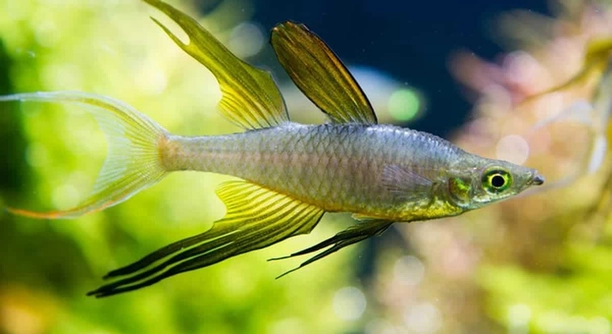
Do you ever find yourself watching your threadfin rainbowfish and wondering if their school is truly healthy and safe in the aquarium?
A safe threadfin rainbowfish school is indicated by synchronized swimming patterns, vibrant coloration, steady appetite, calm interactions, consistent grouping behavior, clear fins, and active movement. These indicators collectively reflect strong health, stability, and overall safety within their environment.
Understanding these simple signs helps ensure your rainbowfish live happily, bringing peace and beauty to your aquarium with every graceful movement.
Synchronized Swimming Patterns
Threadfin rainbowfish in a safe school move in harmony, gliding together as a cohesive unit. This synchronized swimming reduces stress, signals stability, and prevents aggressive interactions. Schools that scatter or display erratic movements often indicate fear, illness, or poor water conditions. Observing your fish regularly allows you to notice subtle shifts in movement, helping maintain a calm environment. When swimming patterns are consistent, the fish demonstrate confidence in their surroundings and comfort with tank mates. Disturbances like sudden hiding or chasing may reflect tension that needs addressing. Regular monitoring and proper tank maintenance support natural behavior, ensuring your school thrives.
Consistent, coordinated movement is a key marker of safety, reflecting the overall well-being of your rainbowfish.
Watching your rainbowfish glide in unison can be mesmerizing. This alignment is not just visual; it reflects health, stability, and a stress-free environment, allowing the school to flourish naturally.
Vibrant Coloration
Bright, even coloration signals a healthy, secure school. Faded or patchy colors can indicate stress, poor nutrition, or disease.
Maintaining proper diet, clean water, and balanced lighting enhances color vibrancy, supporting a safe, thriving school of threadfin rainbowfish. Consistent colors reflect strong immune systems and social stability, while sudden changes may require prompt observation.
Vibrant colors are more than aesthetics; they indicate proper health and environmental comfort. Nutrition plays a major role, with high-quality flake or frozen foods providing essential vitamins and minerals. Stable water parameters prevent stress, which can dull colors or trigger illness. Tankmates should be compatible, reducing aggression that can compromise coloration. Lighting should mimic natural cycles, highlighting natural hues without causing stress. By focusing on these factors, your rainbowfish maintain lively, even coloration, signaling a secure and safe school where each fish thrives, interacts confidently, and displays natural behaviors without the presence of fear or disease.
Steady Appetite
A steady appetite shows that rainbowfish are healthy and comfortable. Fish that eat consistently are likely unstressed and thriving in their environment.
When all members of the school feed actively, it signals that water conditions are stable and nutrition is adequate. Sudden loss of appetite may indicate illness or poor tank conditions. Providing a varied diet of high-quality flake, frozen, or live foods helps maintain interest and ensures proper nutrient intake. Observing feeding behavior can also highlight social dynamics; dominant fish should not prevent others from eating. Ensuring equal access to food supports overall school health and stability.
Monitoring eating habits regularly allows you to detect subtle health issues before they escalate. Consistent feeding patterns demonstrate that the environment meets the species’ basic needs. Over time, attention to appetite fosters a secure, stress-free atmosphere, encouraging natural behaviors and promoting long-term survival. This habit also strengthens your ability to respond quickly to any changes in fish behavior or tank conditions, keeping the school safe and well-nourished.
Calm Interactions
Calm interactions indicate a safe and well-adjusted school. Aggression or frequent chasing signals stress or overcrowding.
Fish that interact peacefully maintain social bonds, reducing risk of injury and stress. A balanced ratio of males to females helps prevent competition, while providing sufficient hiding spots allows shy individuals to retreat. Observing the group ensures no one is excluded from the school.
Peaceful behavior develops when fish are introduced gradually and tank conditions remain stable. Overcrowding or abrupt environmental changes can trigger conflict, so maintaining proper population density and regular water quality checks is crucial. Compatible tankmates and structured hiding spaces allow the school to interact naturally without fear, fostering trust and reducing tension. Consistent monitoring ensures minor disputes don’t escalate, keeping the community harmonious and safe. Proper attention to social dynamics enhances well-being, allowing rainbowfish to exhibit natural behaviors, swim freely, and thrive collectively.
Consistent Grouping Behavior
Threadfin rainbowfish maintain close proximity when the school is safe. Scattered or isolated fish can indicate stress or poor water conditions.
Consistent grouping shows confidence and trust within the school. When fish swim together, it reflects a stable environment and balanced social interactions, promoting overall health.
Clear Fins
Healthy rainbowfish display clear, intact fins without fraying or cloudiness. Damaged fins often suggest injury, disease, or aggression. Maintaining clean water and avoiding overcrowding helps preserve fin integrity, ensuring fish remain active and comfortable within the school.
Active Movement
Active movement demonstrates vitality and well-being. Lethargic or sluggish fish may be experiencing stress, illness, or inadequate water conditions, signaling the need for observation and adjustments.
FAQ
How can I tell if my threadfin rainbowfish school is healthy?
A healthy school shows synchronized swimming, vibrant colors, steady appetite, calm interactions, consistent grouping, clear fins, and active movement. Observing these behaviors regularly ensures the environment supports their needs and that the fish are free from stress or disease.
Why do my rainbowfish sometimes swim apart from the school?
Occasional separation may result from temporary stress, new tankmates, or minor disturbances. Persistent isolation, however, could indicate illness, water quality issues, or bullying from other fish. Monitoring water parameters and social dynamics helps address the cause.
What should I feed my rainbowfish to maintain vibrant colors?
A balanced diet of high-quality flake, frozen, or live foods supports coloration and overall health. Including vegetables, protein-rich options, and occasional supplements ensures nutrients that maintain both strength and natural hues.
How often should I check water quality?
Water quality should be checked at least weekly. Parameters like temperature, pH, ammonia, nitrite, and nitrate directly impact fish health. Regular testing prevents stress and reduces the risk of disease within the school.
Can overcrowding affect the safety of the school?
Yes, overcrowding increases competition, stress, and aggression. Ensuring adequate space per fish, along with hiding spots, promotes calm interactions, preserves fin health, and maintains natural behaviors. Proper stocking is essential for a safe, thriving school.
What are common signs of stress in threadfin rainbowfish?
Signs include faded coloration, erratic swimming, loss of appetite, frayed fins, and frequent hiding. Identifying these early allows intervention by adjusting water conditions, diet, or tankmates to restore safety and balance.
How important is lighting for rainbowfish safety and health?
Lighting affects color vibrancy, feeding behavior, and activity levels. Providing a consistent day-night cycle with moderate intensity supports natural rhythms, reduces stress, and helps maintain the overall well-being of the school.
Can I mix rainbowfish with other species safely?
Mixing species is possible if tankmates are peaceful and similar in size. Aggressive or overly dominant species can stress rainbowfish, disrupt social behavior, and damage fins, so careful selection is crucial.
How do I encourage shy fish to join the school?
Shy individuals need hiding spaces and gradual introduction to the main group. Ensuring calm surroundings, proper diet, and minimal disturbances helps them feel secure and integrate naturally with the school.
What role does water temperature play in rainbowfish safety?
Stable temperature within the recommended range ensures metabolism, immune function, and swimming activity remain optimal. Fluctuations can trigger stress, aggression, or illness, threatening the safety and cohesion of the school.
How can I prevent fin damage in my rainbowfish?
Avoid overcrowding, aggressive tankmates, and sharp decorations. Maintaining clean water and monitoring interactions prevents fraying and infections, ensuring fins remain clear and healthy.
Is it necessary to quarantine new fish before adding them to the school?
Yes, quarantining new fish for at least two weeks prevents introducing disease or parasites, protecting the existing school’s health and maintaining a safe environment for all members.
How do I maintain a peaceful environment in a community tank?
Provide enough space, compatible tankmates, hiding spots, and stable water conditions. Observing behavior regularly ensures early intervention if conflicts or stress arise, preserving safety and harmony within the school.
What is the best way to monitor a school’s health daily?
Watch for swimming patterns, coloration, appetite, and social interactions. Regular observation helps detect subtle changes early, allowing adjustments to food, water, or tank conditions to maintain a safe, thriving school.
Can water plants impact the safety of the school?
Yes, live plants provide shelter, reduce stress, and encourage natural behavior. Plants also help maintain water quality by absorbing nitrates, supporting both health and safety in the tank.
How can I tell if a fish is sick before visible symptoms appear?
Behavioral changes often precede visible symptoms. Reduced appetite, isolation, slower swimming, or sudden aggression are early indicators. Prompt attention and water adjustments help prevent illness from spreading in the school.
What routine maintenance keeps the school safe?
Regular water changes, filter cleaning, substrate vacuuming, and checking water parameters ensure stable conditions. A clean, well-maintained tank reduces stress, prevents disease, and promotes healthy social behavior.
How do I handle aggression in the school?
Identify the aggressor and provide hiding spaces or separate fish temporarily if necessary. Maintaining proper numbers and monitoring social dynamics reduces tension and protects all members from injury.
Are there seasonal behaviors I should expect in rainbowfish?
Rainbowfish may show slight variations in activity or coloration with seasonal light and temperature changes. Maintaining stable indoor conditions minimizes stress while allowing natural behaviors to continue safely.
What are the long-term benefits of maintaining a safe school?
A safe school promotes consistent growth, vibrant coloration, strong immune systems, and harmonious social interactions. Healthy, stress-free fish live longer and display natural behaviors, enhancing the beauty and balance of the aquarium.
How can I tell if my tank setup supports a safe school?
A proper setup includes sufficient space, stable water parameters, hiding spots, compatible tankmates, and regular maintenance. Observing consistent swimming, feeding, and calm interactions confirms the environment supports safety and health.
Can I use supplements to improve school safety?
Supplements may support immune health and coloration but cannot replace proper water quality, diet, and social structure. Use them as a supportive measure, not a primary solution, to maintain a safe, thriving school.
How often should I observe the school for signs of stress?
Daily observation is ideal. Short, consistent monitoring sessions allow you to detect changes in behavior, appetite, or appearance, enabling timely adjustments to keep the school safe and healthy.
What are the most common mistakes that threaten school safety?
Overcrowding, poor water quality, incompatible tankmates, irregular feeding, and sudden environmental changes compromise safety. Preventing these issues ensures calm interactions, strong coloration, and overall health for all fish.
How do I respond if I notice unusual behavior?
Immediately assess water parameters, tankmates, and diet. Make necessary adjustments, isolate sick fish if needed, and observe the school closely until normal behavior resumes, ensuring continued safety.
Is it necessary to track each fish individually?
Not always, but noting individual behavior helps spot early health issues or social stress. Tracking patterns ensures timely intervention and maintains a safe, well-functioning school.
How can I create a stress-free feeding routine?
Feed at consistent times with balanced portions. Avoid overfeeding, distribute food evenly, and ensure all fish have access, promoting calm behavior, steady appetite, and minimal competition.
What should I do if one fish is consistently excluded from the school?
Provide hiding spaces, monitor interactions, and consider temporary separation if bullying occurs. Ensuring every fish can access food and rest reduces stress and supports integration into the school.
Can tank decorations affect school safety?
Yes, sharp or overcrowded decorations increase injury risk. Smooth surfaces, open swimming areas, and scattered plants or hiding spots encourage natural behavior and reduce stress.
How do I know if the school size is appropriate?
A safe school size depends on tank dimensions and social needs. Too few fish reduce social cues, while too many increase aggression. Observe interactions to determine if adjustments are needed.
What is the best way to introduce new fish safely?
Acclimate slowly using a drip method or quarantine tank. Gradual introduction prevents stress, reduces disease risk, and supports smooth integration into the existing school.
How do I maintain long-term safety for the school?
Consistent care, balanced diet, proper tank conditions, compatible tankmates, and regular observation sustain health and social harmony. Attention to these factors ensures a thriving, safe school over time.
Final Thoughts
Keeping a threadfin rainbowfish school safe requires careful attention to their environment and behavior. Observing your fish daily helps identify early signs of stress or illness. Patterns like synchronized swimming, clear fins, vibrant coloration, and calm interactions indicate that the school is thriving. On the other hand, erratic swimming, faded colors, or aggression are signals that adjustments are needed. Maintaining proper water parameters, stable temperature, and a balanced diet ensures that fish remain healthy. Small, consistent efforts such as checking ammonia and nitrate levels, performing regular water changes, and cleaning the tank filter contribute significantly to long-term safety. A well-maintained environment allows the rainbowfish to display natural behaviors without unnecessary stress.
Feeding plays an important role in the overall health of the school. Providing a varied diet of high-quality flake, frozen, and live foods ensures that fish receive the necessary nutrients for growth, color retention, and immune support. Even distribution of food prevents dominant fish from excluding others, supporting a calm and cohesive group. Observing appetite patterns also helps detect early signs of illness. If a fish stops eating or displays unusual behavior during feeding, it is often an early indicator of health concerns. By monitoring these behaviors and ensuring consistent nutrition, you strengthen the safety and stability of the school. This careful attention fosters an environment where fish interact naturally, form strong social bonds, and maintain the confidence needed for synchronized swimming and active movement.
Maintaining harmony within the school also depends on managing social dynamics and tank conditions. Proper tank size, compatible tankmates, and adequate hiding spaces reduce stress and aggression. Overcrowding or incompatible species can disrupt social cohesion and threaten individual fish. Additionally, gradual introduction of new fish, attention to water quality, and observing group interactions help maintain balance. Plants and decorations should provide shelter without overcrowding swimming space, supporting natural behaviors. Over time, consistent care and observation allow you to create a safe and stable environment where your rainbowfish can thrive. When these factors are managed effectively, the school remains active, healthy, and visually vibrant, reflecting the success of attentive and thoughtful aquarium care.

Hello,
If you enjoy the content that we create, please consider saying a "Thank You!" by leaving a tip.
Every little bit helps us continue crafting quality advice that supports the health, happiness, and well-being of pets around the world, for pets of all shapes, sizes, and species.
We really appreciate the kindness and support that you show us!