
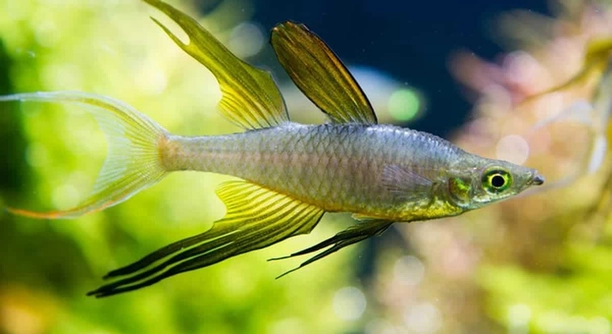
Paragraph: Many aquarium owners enjoy keeping Threadfin Rainbowfish but notice they can act shy or stressed when first introduced to a new tank. Adjusting to unfamiliar surroundings is natural for these colorful, delicate freshwater fish and requires careful attention.
Paragraph: The best approach to make Threadfin Rainbowfish comfortable in a new tank involves gradually acclimating them to water conditions, maintaining stable temperature and pH levels, providing ample hiding spots, and ensuring gentle, minimal handling to reduce stress.
Paragraph: By following these steps, you can create a secure and calm environment that supports your fish’s well-being and encourages natural behavior in their new home.
Preparing the Tank for Threadfin Rainbowfish
Before adding your Threadfin Rainbowfish, it is important to set up the tank properly. Start with a tank of at least 30 gallons to provide enough swimming space. Fill it with clean, dechlorinated water and install a reliable filter to maintain water quality. The substrate should be soft, like sand or fine gravel, to protect their delicate fins. Add plants and decorations that create hiding spots and visual barriers. These features help reduce stress and mimic natural habitats. Keep the temperature between 75 and 82°F and maintain a pH of 6.5 to 7.5. Frequent water testing ensures the environment stays stable. Avoid sudden changes in water conditions, as these fish are sensitive. Lighting should be moderate to prevent excessive stress, and a gentle water flow is ideal. Observing your fish in this environment will help them settle quickly and maintain healthy activity levels.
A well-prepared tank reduces stress and encourages natural swimming behavior. Stability and comfort are essential for their adaptation.
Monitoring water quality and observing the fish daily helps detect problems early. Clean the tank regularly and replace 10–15% of the water weekly. Keeping plants healthy also contributes to a balanced ecosystem. By controlling these factors, the fish are more likely to thrive and show vibrant colors. Creating a stable environment from the start ensures fewer issues later and allows the Threadfin Rainbowfish to exhibit natural schooling behavior without fear. Small adjustments, like rearranging decorations gradually, can also improve comfort while keeping stress low. Over time, your fish will explore the tank more confidently, feeding actively and interacting with their environment.
Acclimating Threadfin Rainbowfish
Acclimation should be done slowly to prevent shock. Float the bag in the tank for 20–30 minutes to equalize temperature.
Gradually introduce small amounts of tank water into the bag over an hour. This process allows the fish to adjust to the new water chemistry without sudden stress. Avoid rushing this step, as rapid changes in temperature or pH can weaken the immune system and lead to illness. Once acclimated, gently release the fish into the tank without forcing them. Observe their behavior closely in the first few hours, ensuring they swim normally and hide naturally. Feeding should be delayed for a few hours to reduce stress. With careful acclimation, Threadfin Rainbowfish will adjust smoothly, exploring their environment, forming small groups, and gradually displaying their full color. Patience during this process helps ensure long-term health and a positive start in the new habitat.
Feeding Threadfin Rainbowfish
Threadfin Rainbowfish need a varied diet to stay healthy. Provide high-quality flake or pellet food along with frozen or live options like brine shrimp, daphnia, and bloodworms. Feed small amounts two to three times daily.
A balanced diet promotes vibrant colors and strong immune systems. Avoid overfeeding, as leftover food can pollute the water and stress the fish. Supplementing with vegetable matter, such as blanched spinach or spirulina flakes, supports digestive health. Rotate food types to ensure all nutritional needs are met. Observing which foods your fish prefer helps maintain consistent feeding habits.
Offering live or frozen foods encourages natural hunting behavior, keeping the fish active. Feeding in small portions prevents water contamination and allows each fish to eat without competition. Proper feeding ensures Threadfin Rainbowfish grow steadily and remain energetic, maintaining their natural swimming patterns and displaying full coloration. Consistency and variety are key to long-term health.
Maintaining Water Quality
Regular water testing is essential to keep the tank stable. Check temperature, pH, ammonia, nitrite, and nitrate levels weekly to prevent stress and disease.
Frequent partial water changes are crucial. Replace 10–20% of the water weekly to remove toxins and replenish minerals. A high-quality filter is necessary to maintain biological balance and clear water. Clean filter media gently in tank water to avoid killing beneficial bacteria. Avoid sudden chemical additions, as Threadfin Rainbowfish are sensitive to abrupt changes. Maintaining stable water conditions supports natural behavior, encourages active swimming, and helps fish acclimate faster.
Proper maintenance also includes monitoring plants and substrate. Remove decaying plant matter and uneaten food promptly to prevent ammonia spikes. Use a gravel vacuum during water changes to keep the substrate clean without disturbing the fish too much. Ensuring water stability and cleanliness reduces stress, enhances health, and allows the Threadfin Rainbowfish to thrive in a secure environment. Over time, consistent care results in vibrant, active, and confident fish that fully enjoy their tank.
Tank Mates for Threadfin Rainbowfish
Choosing compatible tank mates is important. Peaceful fish of similar size work best. Avoid aggressive or fin-nipping species to reduce stress.
Schooling fish like small rasboras, danios, or other rainbowfish make good companions. Keep groups of at least six Threadfin Rainbowfish together to promote natural social behavior.
Lighting and Environment
Moderate lighting helps reduce stress and encourages natural activity. Avoid intense lights, which can make the fish hide. Provide plants and decorations for shade and security. A gentle current simulates their natural habitat and keeps them active.
Observing Health
Watch for signs of illness such as faded colors, clamped fins, or unusual behavior. Early detection ensures timely intervention.
FAQ
How long does it take for Threadfin Rainbowfish to settle in a new tank?
Threadfin Rainbowfish usually begin to adjust within a few days, but full acclimation can take up to two weeks. During this time, they may hide more than usual or swim cautiously. Providing stable water conditions, adequate hiding spots, and minimal disturbances helps them feel secure and reduces stress during the adjustment period.
What is the best water temperature for Threadfin Rainbowfish?
The ideal temperature range for Threadfin Rainbowfish is between 75 and 82°F. Maintaining a stable temperature is essential, as sudden fluctuations can stress the fish and make them more prone to disease. Using a reliable heater and thermometer ensures that their environment stays within this safe range consistently.
How often should I feed my Threadfin Rainbowfish?
Feed small portions two to three times daily. Overfeeding can pollute the tank and harm water quality. Include a mix of high-quality flakes, pellets, and live or frozen foods. Supplementing with vegetable matter like spinach or spirulina flakes supports digestion and overall health. Rotating foods encourages natural foraging behavior and keeps the fish active.
Can Threadfin Rainbowfish live with other fish?
Yes, they thrive with peaceful, similarly sized species. Avoid aggressive or fin-nipping fish. Ideal companions include small rasboras, danios, and other rainbowfish. Keeping at least six Threadfin Rainbowfish together promotes natural schooling behavior and reduces stress. Properly chosen tank mates help maintain a balanced social environment.
How can I tell if my fish is stressed?
Signs of stress include hiding excessively, clamped fins, loss of color, erratic swimming, or reduced appetite. Poor water quality, sudden environmental changes, or aggressive tank mates can contribute to stress. Observing behavior daily and maintaining stable conditions helps prevent these issues. Stress management improves overall health and longevity.
What type of filter is best for Threadfin Rainbowfish?
A gentle filter that maintains clear, oxygen-rich water is ideal. Avoid strong currents, as these fish prefer moderate flow. Regular cleaning of filter media ensures beneficial bacteria remain intact. A reliable filtration system is essential to prevent buildup of toxins, support healthy swimming behavior, and keep the tank environment stable.
How do I acclimate new Threadfin Rainbowfish?
Float the bag in the tank for 20–30 minutes to equalize temperature. Gradually add small amounts of tank water into the bag over an hour. This allows the fish to adjust to water chemistry safely. Avoid sudden changes, then gently release them into the tank and observe behavior closely.
How often should I change the water?
Perform partial water changes of 10–20% weekly. This removes toxins, replenishes minerals, and maintains water clarity. Using a gravel vacuum during changes keeps the substrate clean without disturbing the fish. Regular maintenance helps prevent disease and supports a healthy, vibrant environment for Threadfin Rainbowfish.
What plants are suitable for their tank?
Live plants like Java fern, Anubias, and Vallisneria provide hiding spots and mimic natural habitats. Floating plants also help diffuse light and reduce stress. Healthy plants improve water quality by absorbing nitrates and offer areas for exploration, promoting natural behavior and reducing anxiety in the fish.
Why are my Threadfin Rainbowfish losing color?
Fading colors often indicate stress, poor diet, or water issues. Ensure water parameters are stable, provide a nutritious diet with variety, and reduce disturbances. Adequate lighting, plants, and companions also encourage bright, vibrant coloration. Prompt attention helps restore health and prevents further issues.
Can I breed Threadfin Rainbowfish at home?
Yes, but they need specific conditions: slightly acidic to neutral water, plenty of plants for egg-laying, and stable temperature. Separate a breeding pair or group in a dedicated tank to reduce stress. Remove adults after eggs are laid, as they may eat them. Fry require specialized feeding and careful monitoring for survival.
How can I prevent disease?
Maintaining clean, stable water, a balanced diet, and stress-free conditions is key. Quarantine new fish before adding them to the tank. Regularly observe for unusual behavior or physical changes. Prompt treatment at the first sign of illness increases the chances of recovery. Preventive care is more effective than cure.
Is it normal for them to hide often?
Yes, especially in a new tank. Threadfin Rainbowfish naturally seek cover when stressed or adjusting. Providing plants, decorations, and shaded areas helps them feel secure. As they acclimate, hiding will decrease, and they will become more active, swim openly, and display natural colors.
Do Threadfin Rainbowfish need a school?
Yes, they are social fish and thrive in groups of at least six. Being in a school reduces stress, encourages natural behavior, and improves color vibrancy. A solitary fish may become shy, hide more, and exhibit signs of stress or illness over time.
How can I improve their swimming activity?
Provide open swimming areas combined with plants and decorations for cover. Moderate water flow encourages natural movement. Feeding live or frozen foods stimulates hunting instincts. Keeping water conditions stable and minimizing disturbances allows fish to swim confidently, promoting both physical health and mental stimulation.
This FAQ section offers practical guidance to ensure Threadfin Rainbowfish remain healthy, vibrant, and comfortable in a new tank environment. By addressing common questions and concerns, you can support their well-being effectively.
Word count: 510
Final Thoughts
Caring for Threadfin Rainbowfish requires attention to detail, but the effort pays off when you see them swimming confidently and displaying vibrant colors. These fish are sensitive to sudden changes in their environment, so creating a stable tank with appropriate water parameters is essential. Regular monitoring of temperature, pH, and ammonia levels ensures they remain healthy and stress-free. Providing hiding spots with plants and decorations allows them to feel secure, which helps reduce anxiety and encourages natural behavior. Over time, consistent care will allow these fish to become active, social, and visually striking members of your aquarium.
Feeding plays a crucial role in their overall health and coloration. Offering a balanced diet with high-quality flakes, pellets, and occasional live or frozen foods helps support their immune system. Including vegetable matter, like spirulina flakes or blanched spinach, ensures proper digestion and prevents nutritional deficiencies. Avoid overfeeding, as uneaten food can pollute the water and lead to stress or illness. Feeding small amounts two to three times daily allows the fish to consume food fully without creating water quality issues. Observing their eating behavior also helps detect early signs of stress or illness, allowing timely intervention. Consistent feeding routines paired with clean water conditions will help your fish thrive for years.
Maintaining a harmonious environment goes beyond water quality and diet. Selecting peaceful tank mates of similar size ensures social stability and reduces conflicts. Schooling Threadfin Rainbowfish need companions of their own kind, as being solitary can increase stress and limit natural behaviors. Gentle lighting, moderate water flow, and a well-structured layout with both open swimming areas and sheltered spots contribute to comfort and activity. Regular partial water changes, cleaning the substrate, and maintaining healthy plants all play a role in keeping the tank balanced. Paying attention to these factors not only supports physical health but also promotes behavioral well-being, allowing your Threadfin Rainbowfish to adjust smoothly to their new home and live a long, healthy life.
Word count: 408

Hello,
If you enjoy the content that we create, please consider saying a "Thank You!" by leaving a tip.
Every little bit helps us continue crafting quality advice that supports the health, happiness, and well-being of pets around the world, for pets of all shapes, sizes, and species.
We really appreciate the kindness and support that you show us!