
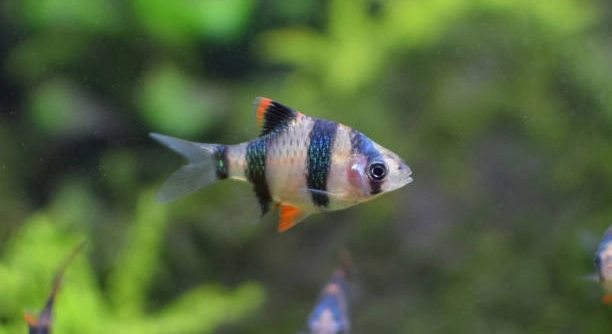
Many people enjoy keeping tiger barbs as pets because of their lively nature and bright colors. Creating a natural environment in their tank can help these fish thrive and display their best behaviors. A natural setup also adds beauty and balance to your aquarium.
To make a tiger barb tank more natural, focus on replicating their native habitat by using live plants, natural substrates like gravel or sand, and providing hiding spots with driftwood or rocks. Maintaining proper water conditions and lighting also supports their health and natural behavior.
Improving your tank’s natural feel will benefit both your fish and the overall aquarium experience. Simple changes can lead to a healthier, more attractive environment for your tiger barbs.
Choosing the Right Substrate
The substrate is one of the most important parts of creating a natural tiger barb tank. In the wild, these fish live in rivers with sandy or gravelly bottoms. Using fine gravel or sand as the base of your tank helps mimic their natural environment. Avoid using sharp or rough materials that might harm the fish. A natural substrate also encourages beneficial bacteria to grow, which helps keep the water clean and healthy. Adding a thin layer of organic material, like dried leaves or peat, can make the tank feel more like their native habitat. This also helps maintain slightly acidic water, which tiger barbs prefer. Regular cleaning of the substrate is necessary to prevent buildup but try to keep some of the natural materials to support the ecosystem inside the tank.
Choosing the right substrate improves both the look of the tank and the well-being of your tiger barbs.
Using natural substrate sets a solid foundation for a healthy, natural tank environment.
Adding Live Plants
Live plants are key to making a tiger barb tank feel natural. They provide hiding places and reduce stress for the fish. Tiger barbs come from areas filled with plants, so adding species like Java fern, Anubias, or Amazon sword will help replicate this. Plants also improve water quality by absorbing nitrates and producing oxygen. When selecting plants, choose hardy varieties that can handle some nibbling, as tiger barbs may occasionally pick at leaves. Placing plants at different heights creates a layered effect, offering both open swimming space and sheltered spots. Avoid overcrowding the tank, as tiger barbs need room to swim actively. Adding floating plants can provide shaded areas, further mimicking their natural habitat.
Live plants contribute to a balanced, healthy aquarium and make your tank look more inviting.
Providing Hiding Spots
Hiding spots reduce stress and help tiger barbs feel safe. Driftwood, rocks, and caves work well as natural shelters. These structures create a sense of security and mimic their river habitats.
Using driftwood in the tank adds both shelter and a natural look. It also releases tannins that can slightly soften the water, which tiger barbs prefer. Rocks should be smooth and arranged to avoid sharp edges. Creating caves or overhangs gives the fish places to retreat during rest or when feeling threatened. Make sure the hiding spots are stable to avoid collapsing and injuring the fish. Avoid overcrowding the tank with too many decorations to maintain open swimming areas.
In addition to driftwood and rocks, consider using hollow ceramic decorations designed for fish tanks. These provide safe hiding spots without altering water chemistry. Arrange hiding places in different parts of the tank to allow territorial fish to have their own space. A well-planned layout with natural shelters encourages natural behaviors and reduces aggression among tiger barbs.
Maintaining Proper Water Conditions
Water quality is critical for tiger barbs’ health and natural behavior. They thrive in slightly acidic to neutral water with temperatures between 74-79°F (23-26°C). Keep the water clean by doing regular partial water changes and monitoring parameters like pH, ammonia, and nitrites. Stable conditions help reduce stress and promote vibrant colors. Using a good filtration system that mimics gentle river currents will support the tank’s ecosystem. Avoid sudden changes in temperature or water chemistry, as tiger barbs can be sensitive. Testing the water weekly helps catch problems early. Maintaining these conditions ensures the fish stay healthy and active in a natural-like environment.
Lighting for a Natural Tank
Lighting should mimic natural daylight but not be too bright. Moderate lighting helps plants grow and keeps tiger barbs comfortable. Avoid harsh, direct light, as it can stress the fish.
Using a timer for lighting creates a consistent day-night cycle. This supports healthy fish behavior and plant growth.
Feeding Habits
Feeding tiger barbs a varied diet supports their natural health. Offer high-quality flakes, pellets, and occasional live or frozen foods like brine shrimp. Avoid overfeeding to maintain water quality.
Tank Size and Stocking
A tank of at least 30 gallons is recommended for tiger barbs. They are active swimmers and need space. Keep them in groups of six or more to reduce aggression and stress.
Water Movement
Moderate water movement simulates their natural river habitat. Use a filter or powerhead to create gentle currents, which helps oxygenate the water and keeps fish active.
How many tiger barbs should I keep in one tank?
Tiger barbs are social fish and should be kept in groups of at least six. Keeping fewer than six can lead to aggressive behavior, as they tend to pick on each other or other tank mates when lonely. A group helps balance their social structure and spreads out any chasing behavior, making the tank calmer overall. A larger group also makes their natural schooling behavior more visible, which is enjoyable to watch.
What kind of plants are best for a tiger barb tank?
Hardy plants like Java fern, Anubias, and Amazon sword are great choices. These plants tolerate the nibbling that tiger barbs may do and can survive in moderate lighting conditions. Floating plants like duckweed or frogbit add shade and help diffuse light, creating a more natural environment. Avoid delicate plants that can be easily uprooted or eaten quickly.
How often should I do water changes?
Performing weekly water changes of about 20-30% is ideal. This helps keep nitrate levels low and maintains water quality, which is essential for tiger barbs’ health. Skipping water changes or doing them irregularly can lead to buildup of harmful substances, stressing your fish and encouraging algae growth. Consistency is key.
Can tiger barbs live with other fish?
Yes, but tank mates should be chosen carefully. Tiger barbs are active and can be fin nippers. Good companions are similarly sized, fast-moving fish like danios, barbs, or larger tetras. Avoid slow, long-finned species such as bettas or angelfish, which may become targets. Provide plenty of hiding spaces to reduce aggression.
What is the best diet for tiger barbs?
A balanced diet includes high-quality flakes or pellets as a staple, supplemented with live or frozen foods like brine shrimp, daphnia, or bloodworms. Variety supports their natural feeding behavior and keeps them healthy. Feed small amounts 1-2 times daily to avoid overfeeding and maintain water quality.
Why do tiger barbs nip fins?
Fin nipping is often a sign of stress or boredom. In small groups, aggression rises because they lack a social hierarchy. It can also happen if the tank is overcrowded or lacks hiding spots. Keeping a proper group size and a well-decorated tank helps reduce this behavior.
How do I maintain stable water parameters?
Use a reliable test kit to monitor pH, ammonia, nitrite, and nitrate levels regularly. Keep the pH between 6.5 and 7.5, and ensure ammonia and nitrites are always at zero. Use a quality filter and avoid overfeeding. Regular water changes support stability and keep the tank environment safe for your fish.
What temperature do tiger barbs prefer?
Tiger barbs thrive in temperatures between 74°F and 79°F (23°C to 26°C). Keeping the temperature stable helps prevent stress and disease. Use an aquarium heater with a thermostat to maintain consistent warmth, especially in cooler climates or during colder months.
How long do tiger barbs typically live?
With proper care, tiger barbs can live 5 to 7 years. Maintaining clean water, a balanced diet, and a suitable environment all contribute to their longevity. Stress, poor water quality, or inappropriate tank mates can shorten their lifespan.
Are tiger barbs good for beginner fish keepers?
Tiger barbs can be a good choice for beginners who are willing to maintain water quality and provide proper care. Their active nature and bright colors make them rewarding to watch. However, managing their social needs and aggression requires some attention and experience.
How do I prevent algae growth in my tiger barb tank?
Algae growth can be controlled by limiting light exposure to about 8-10 hours a day, avoiding overfeeding, and keeping up with regular water changes. Live plants also compete with algae for nutrients, helping keep it in check naturally. Proper filtration and water circulation are important too.
What should I do if my tiger barbs show signs of illness?
Isolate sick fish if possible and check water parameters immediately. Common signs include faded colors, clamped fins, or unusual swimming behavior. Treat with appropriate medication after identifying the illness. Maintaining good water quality and diet helps prevent most diseases.
Can I breed tiger barbs at home?
Breeding tiger barbs is possible but requires specific conditions. They prefer slightly acidic, soft water and plenty of plants or spawning mops for egg laying. Separating males and females before breeding and providing a separate breeding tank improves success. Raising fry can be challenging and needs fine food and clean water.
These answers cover common concerns and will help keep your tiger barb tank natural, healthy, and enjoyable to care for.
Creating a natural environment for your tiger barb tank takes some effort but is very rewarding. By choosing the right substrate, adding live plants, and providing hiding spots, you can make the tank feel much closer to their wild habitat. These changes help reduce stress for the fish and encourage their natural behaviors. When tiger barbs have a comfortable and familiar space, they tend to be healthier and more active, which makes watching them much more enjoyable.
Maintaining proper water conditions and lighting is just as important as the decorations inside the tank. Stable water temperature, clean water, and balanced lighting support both the fish and the plants. Tiger barbs prefer slightly acidic to neutral water, so keeping a close eye on water quality is necessary. A good filtration system that creates gentle water flow mimics their natural environment and keeps the tank clean. Consistency in water changes and monitoring ensures your fish stay safe and healthy over time.
Remember that tiger barbs are social and active fish, so giving them enough space and companions helps prevent aggression and stress. A tank size of at least 30 gallons is ideal for a small group, and adding natural hiding spots gives them places to feel secure. Feeding a varied diet keeps them strong and colorful. By focusing on these key points, you can create a tank that not only looks natural but also supports the well-being of your tiger barbs. Taking these steps will make caring for your fish easier and more satisfying in the long run.

Hello,
If you enjoy the content that we create, please consider saying a "Thank You!" by leaving a tip.
Every little bit helps us continue crafting quality advice that supports the health, happiness, and well-being of pets around the world, for pets of all shapes, sizes, and species.
We really appreciate the kindness and support that you show us!