
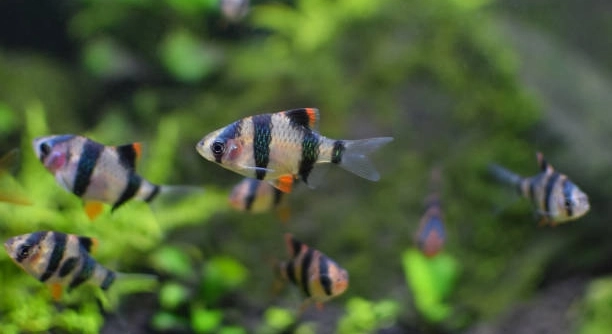
Are your tiger barbs hiding more than usual in the aquarium? These lively fish can sometimes spend a lot of time out of sight, which may concern their owners. Understanding their behavior helps create a better environment for them.
Tiger barbs often hide due to stress, poor water conditions, or feeling threatened. They seek shelter to feel safe, especially if the tank is overcrowded or lacks proper hiding spots. Ensuring balanced water parameters and a calm environment reduces their need to hide.
Knowing why your tiger barb prefers hiding will help improve its comfort and wellbeing. Small changes can make a big difference in encouraging them to be more active and visible.
Common Reasons Your Tiger Barb Is Hiding
Tiger barbs may hide for several reasons, often linked to their environment or health. Stress is a major factor; sudden changes in water temperature, poor water quality, or aggressive tank mates can cause anxiety. If the aquarium is overcrowded, these fish might feel threatened and seek refuge. Lack of hiding places, such as plants or decorations, can also increase their time spent out of sight. Sometimes, illness or injury can make a tiger barb retreat to a safe spot to recover. Observing the fish closely can help spot signs of distress or disease early. Ensuring stable water conditions and a well-arranged tank reduces hiding behavior. Regular water testing and partial changes help keep the environment healthy. Additionally, providing enough space and compatible tank mates can encourage tiger barbs to explore more. Small adjustments often make a big difference in their comfort and behavior.
Proper water quality is essential for tiger barbs to feel secure and active in their tank.
Hiding behavior can indicate discomfort or stress, so maintaining good tank conditions and peaceful companions encourages natural activity and visibility. Observing their environment carefully helps keep them healthy.
How to Encourage Your Tiger Barb to Come Out
Creating a comfortable tank environment encourages tiger barbs to spend more time swimming openly. Adding plants and decorations gives them safe spots without forcing constant hiding. Keeping water clean and parameters stable reduces stress significantly. Avoid sudden changes in lighting or temperature, as these can startle the fish. Feeding them regularly at the same time helps build trust and routine. Choosing compatible tank mates is important, as aggressive fish may cause hiding. Sometimes rearranging the tank setup gently can spark curiosity. Interacting quietly and avoiding tapping the glass reduces fear. Over time, these small actions help tiger barbs feel safe and more willing to explore. Patience is key, as shy fish may take days or weeks to adjust to new conditions.
Feeding your tiger barb consistently and providing hiding places will improve its comfort and confidence.
Watching your fish’s behavior closely while making these changes allows you to understand its needs better. With steady care, your tiger barb will likely spend more time visible and active, making your aquarium more lively and enjoyable.
Signs Your Tiger Barb Is Stressed
Stress in tiger barbs often shows through unusual hiding, loss of appetite, or erratic swimming. They might also display faded colors or rubbing against tank surfaces. Recognizing these signs early can prevent serious health problems. Keeping an eye on their behavior helps in timely care.
Water quality plays a big role in stress. High ammonia or nitrate levels irritate fish and cause discomfort. Sudden temperature changes can shock them, making hiding a natural reaction. Tank overcrowding creates tension, pushing timid fish into corners. Aggressive tank mates add to the pressure. These factors combined lead to a stressed tiger barb withdrawing from normal activity. Proper tank maintenance and thoughtful stocking prevent many of these issues. Regular water tests and partial changes maintain a healthy environment. Careful observation ensures prompt action when stress signs appear.
Stress can also weaken the immune system, making your fish more vulnerable to disease. Poor diet or lack of enrichment can add to stress levels. Providing balanced nutrition and a stimulating tank setup reduces anxiety. Quiet surroundings without frequent disturbances promote calmness. Sometimes, simply rearranging decorations to create new hiding spots helps them feel safer. Avoid loud noises and sudden movements near the tank to minimize stress triggers. In a stable, supportive environment, tiger barbs tend to show more natural, active behavior.
Improving Tank Conditions for a Happier Tiger Barb
Clean water is essential for your tiger barb’s wellbeing. Regular testing and water changes keep harmful chemicals low. Providing good filtration improves oxygen levels and clarity. Proper temperature control within 74-79°F supports their health. Plants and decorations offer shelter and reduce stress by mimicking natural habitats. These additions also create hiding spots without isolating the fish. Keeping tank mates peaceful and compatible prevents bullying, allowing your tiger barb to feel secure. Avoid overcrowding by following recommended stocking limits. Stable lighting that mimics day-night cycles helps maintain their routine. Attending to these factors enhances your fish’s comfort and activity, making the aquarium more enjoyable for everyone involved.
Tank Setup Tips to Reduce Hiding
Providing plenty of plants and decorations creates safe spaces without overcrowding. These spots give tiger barbs places to retreat while still encouraging exploration. Using natural materials helps mimic their preferred environment.
Avoid placing too many hiding spots in one area. Spread them evenly to balance security and openness, which promotes healthier activity levels and reduces constant hiding.
Choosing Compatible Tank Mates
Tiger barbs do well with other peaceful, mid-sized fish. Avoid aggressive or overly shy species that cause stress or bullying. Compatible tank mates help maintain a calm, balanced aquarium where tiger barbs feel secure.
Careful selection prevents competition and allows your fish to thrive socially. Introducing new fish gradually reduces tension and supports better interactions.
Feeding and Routine
Regular feeding schedules create comfort and trust. Feeding small amounts multiple times a day helps maintain energy without polluting the tank. A consistent routine encourages your tiger barb to be more visible and active around feeding times.
When to Seek Help
If hiding persists despite good care, health issues may be present. Consulting an expert ensures timely treatment and proper diagnosis to protect your fish’s wellbeing.
Why is my tiger barb always hiding even though the water looks clean?
Even if the water appears clear, it might still have harmful substances like ammonia or nitrites at unsafe levels. These chemicals are often invisible but stressful for fish. Testing water regularly with proper kits is essential. Other causes may include sudden changes in temperature, aggressive tank mates, or lack of hiding places that make your tiger barb feel unsafe.
Can lighting affect my tiger barb’s behavior?
Yes, lighting plays a big role in fish comfort. Too bright or constant lighting can stress tiger barbs, causing them to hide more. It’s best to provide a natural day-night cycle by turning lights off for 8-10 hours daily. Using floating plants or dimmable lights helps reduce harsh brightness and creates a calmer environment.
How do I know if my tiger barb is sick?
Signs of sickness include hiding more than usual, loss of appetite, clamped fins, faded colors, and unusual swimming patterns like darting or floating near the surface. White spots, redness, or swelling on the body are also red flags. If you notice these symptoms, testing water and consulting a vet or fish expert is important.
Will adding more hiding spots make my tiger barb less shy?
Adding hiding spots provides security but too many can encourage constant hiding. Balance is key—spread plants and decorations evenly to create safe areas without isolating your fish. This setup encourages them to explore while still feeling protected, which can gradually reduce hiding behavior.
Are tiger barbs aggressive toward other fish?
Tiger barbs are semi-aggressive and can nip fins, especially of slow-moving or long-finned species. Keeping them in groups of six or more reduces aggression because they focus on each other. Choosing active, similarly sized tank mates helps maintain peace and lowers stress, which in turn reduces hiding.
How often should I change the water?
A weekly water change of 20-30% is recommended to keep the tank clean and maintain healthy water conditions. Frequent partial changes remove toxins and waste that build up over time. Avoid changing all the water at once, as sudden shifts can shock your fish and increase hiding.
Can feeding habits affect hiding?
Yes, irregular feeding or poor diet can cause stress and hiding. Feeding your tiger barb small portions two to three times daily helps maintain energy and health. Using high-quality flakes, pellets, and occasional live or frozen food provides balanced nutrition, improving their overall behavior and activity.
Is temperature important for tiger barbs?
Maintaining a stable temperature between 74°F and 79°F is crucial. Sudden fluctuations or temperatures outside this range cause stress and hiding. Using a reliable heater and thermometer ensures a steady environment. Avoid placing the tank near drafts or direct sunlight, which can cause temperature swings.
What should I do if my tiger barb is hiding due to bullying?
If other fish are aggressive, your tiger barb may hide to avoid attacks. Increasing the group size of tiger barbs to six or more helps disperse aggression. Removing aggressive fish or rearranging decorations to break sight lines between fish can also reduce bullying. Providing ample hiding places gives the shy fish refuge when needed.
How long does it take for a stressed tiger barb to feel safe again?
Recovery time varies depending on the cause and environment. With proper care, most tiger barbs start showing normal behavior within days to a couple of weeks. Patience and consistent tank maintenance are key. Avoid sudden changes and disturbances during this time to help them adjust smoothly.
Are there signs that hiding is normal behavior for tiger barbs?
Tiger barbs naturally like some hiding during the day to feel secure, especially if new to a tank. Short periods of hiding are normal, but constant or excessive hiding often signals stress or discomfort. Observing overall activity and health helps distinguish normal from problematic behavior.
Does tank size affect hiding behavior?
Yes, small or overcrowded tanks increase stress, causing tiger barbs to hide more. Providing at least 20 gallons for a small group allows enough swimming space and territories. More space reduces competition and tension, encouraging natural behavior and less hiding.
Can rearranging the tank help reduce hiding?
Yes, rearranging plants and decorations occasionally can stimulate curiosity and reduce boredom. It helps tiger barbs feel like exploring a new environment. However, do it gently and avoid frequent changes, as constant disruption can increase stress and hiding.
Is it normal for tiger barbs to hide when new to a tank?
New fish often hide as they adjust to unfamiliar surroundings and other tank mates. This behavior usually decreases as they become comfortable. Providing plenty of hiding spots and maintaining stable water conditions supports their transition to a confident, active state.
What role does water hardness and pH play in hiding?
Tiger barbs prefer slightly acidic to neutral water with pH between 6.5 and 7.5, and moderate hardness. Water outside these ranges can stress them, increasing hiding. Testing and adjusting water parameters help keep them comfortable. Sudden changes in pH or hardness also cause distress.
How important is a consistent routine for reducing hiding?
A steady routine helps tiger barbs feel secure. Feeding at the same times, maintaining stable light cycles, and minimizing sudden disturbances reduce anxiety. Fish thrive on predictability, which encourages them to be active rather than hiding. Creating a calm environment supports their wellbeing.
When your tiger barb spends a lot of time hiding, it usually means something in its environment is making it uncomfortable. This behavior is a way for the fish to feel safe when things don’t seem quite right. Many factors can cause this, such as stress from poor water quality, aggressive tank mates, or a lack of proper hiding places. Taking time to observe your fish and test the water helps identify these issues early. Making sure the tank is clean, the water is stable, and the fish have enough space can help your tiger barb feel more relaxed and visible.
Creating a balanced and comfortable tank setup is key to encouraging your tiger barb to come out and be active. Plants, decorations, and hiding spots are important, but they need to be arranged so the fish can explore without feeling trapped. It’s also important to choose tank mates that are peaceful and compatible. Feeding your fish regularly and keeping a consistent routine can build trust and reduce anxiety. Even small changes, like adjusting lighting or rearranging decorations, can make a difference in how your tiger barb behaves.
Overall, patience and careful attention to your fish’s needs will help improve its comfort and reduce hiding. Every tiger barb is different, so what works for one may take time to work for another. Watching for signs of stress or illness and acting quickly can prevent bigger problems. With steady care and a healthy environment, your tiger barb will likely become more active, curious, and enjoyable to watch in your aquarium.

Hello,
If you enjoy the content that we create, please consider saying a "Thank You!" by leaving a tip.
Every little bit helps us continue crafting quality advice that supports the health, happiness, and well-being of pets around the world, for pets of all shapes, sizes, and species.
We really appreciate the kindness and support that you show us!