
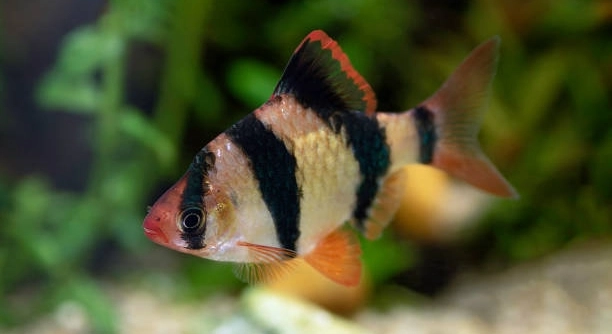
Is your tiger barb suddenly swimming in odd patterns, darting around the tank, or struggling to stay upright in the water? This kind of behavior can be unsettling, especially if it comes on without warning.
The most common reason your tiger barb is swimming erratically is due to water quality issues, such as ammonia spikes or incorrect pH levels. Poor tank conditions can quickly affect their behavior, stress levels, and overall health.
Learning the causes behind this behavior will help you respond appropriately and keep your fish safe, comfortable, and healthy in their tank.
Poor Water Quality
Tiger barbs are sensitive to changes in their environment. When water conditions fall out of balance, it can lead to sudden behavior changes like erratic swimming. High levels of ammonia, nitrite, or nitrate are often to blame. These substances can irritate a fish’s gills, affecting its ability to breathe properly and causing stress. Irregular pH levels or drastic temperature shifts can also have similar effects. Testing the water regularly and performing routine water changes are key to avoiding these issues. A properly cycled tank with good filtration will help maintain a stable, safe environment for your fish to thrive in.
Unstable water conditions often affect your fish before you can physically see a problem. That’s why regular testing is so important.
If your tiger barb is swimming oddly, check the water first. Start with ammonia, nitrite, and nitrate levels. Use a reliable test kit and respond quickly if levels are out of range. Changing 25–50% of the water can bring conditions back into balance. Also, ensure the tank has adequate filtration and that you’re not overfeeding, as leftover food contributes to poor water quality. Clean the tank regularly without disrupting the biological filter. These small steps can prevent stress and keep your fish swimming normally.
Stress From Tank Mates
Tiger barbs can be aggressive and territorial, especially in smaller groups or cramped spaces.
When kept in low numbers, tiger barbs may bully one another or chase other species around the tank. This kind of stress can lead to constant darting, hiding, or frantic swimming. A group of at least six tiger barbs helps balance their social behavior. In mixed tanks, avoid pairing them with slow or long-finned fish like angelfish or bettas, as these tank mates often become targets for fin-nipping. Also, make sure there’s enough room in the tank. Overcrowding causes tension and can increase aggression. Adding plants, hiding spots, or visual barriers gives fish the chance to claim space and reduce direct confrontation. Always watch how your fish interact after introducing new tank mates. If one fish is getting chased constantly, it’s best to separate them before things escalate. Reducing stress from social dynamics helps your tiger barb swim calmly and act normally.
Swim Bladder Disorder
Swim bladder issues often cause fish to swim sideways, float awkwardly, or sink to the bottom. It’s usually due to overfeeding, constipation, or bacterial infection. The swim bladder helps fish control buoyancy, so when it’s affected, movement becomes difficult and uncoordinated.
Overfeeding is a common cause, especially when tiger barbs eat quickly and gulp air. Dry foods like flakes can expand in the stomach, putting pressure on the swim bladder. To help, stop feeding for a day or two and then offer blanched peas with the skin removed. This can ease digestion and reduce swelling. If the problem continues, it could be bacterial, which might need treatment with medication. Keep the water clean and avoid sudden temperature changes, as both can make things worse. Catching the issue early gives your fish a better chance of recovering without long-term effects.
Some fish recover within a few days, while others need more time. Keep the affected fish in a quiet area of the tank or use a breeder box to reduce stress and avoid bullying. Monitor for other symptoms like bloating or redness. If the fish stops eating or seems lethargic, the issue may be more serious. Antibiotic treatments may help if the cause is bacterial. Always follow dosing instructions carefully. Avoid using multiple medications at once, as that can harm the beneficial bacteria in your tank. Stick to gentle foods and observe any progress daily. This way, you can catch improvements or worsening signs early on.
Oxygen Deficiency
Low oxygen levels in the tank can make your tiger barb swim quickly to the surface or gasp at the top. This kind of behavior often signals that the water needs more movement or better aeration.
Warmer water holds less oxygen, so high temperatures can reduce oxygen levels quickly. Overstocking the tank or poor water circulation also makes it harder for fish to breathe. If you notice your fish gasping or swimming near the surface often, increase surface agitation using an air stone or adjust the filter output to create more movement. Avoid placing the tank in direct sunlight, which can warm the water too much. Also, limit the use of certain chemicals, as they can impact oxygen levels. Regularly check temperature and avoid overcrowding. Adding live plants can help, but don’t rely on them alone. Improving oxygen levels will help your fish swim calmly again and reduce visible stress.
Sudden Changes in Temperature
Tiger barbs are sensitive to temperature shifts, even small ones. A sudden drop or rise in water temperature can stress them and cause erratic swimming. Heaters malfunctioning or water changes with cold water are common causes of these sudden changes.
Keep the tank between 74°F and 79°F. Always match the temperature of new water to the tank before doing water changes.
Disease or Parasites
Illnesses like ich or internal parasites can make your tiger barb restless, causing them to dart around or rub against surfaces. You might also notice white spots, clamped fins, or weight loss. These symptoms often signal that something more serious is going on inside the fish. Prompt treatment is necessary to prevent spreading. Use a quarantine tank if possible, especially when using medication. Parasites and bacterial infections are common in new fish or tanks without proper maintenance. Always observe new fish before introducing them. Clean, stable water helps prevent outbreaks, but once disease appears, treat the whole tank if multiple fish are affected.
Overactive Filtration
Strong currents from filters can tire out tiger barbs and push them around the tank. They may swim against the flow or struggle to stay in place. If this happens often, try adjusting the filter output or using a baffle.
FAQ
Why is my tiger barb swimming erratically suddenly?
Sudden erratic swimming often points to a change in water quality or temperature. Poor water conditions like high ammonia or nitrite levels stress the fish, making it swim unpredictably. Sudden drops or rises in temperature can shock your fish and cause similar behavior. Checking water parameters and ensuring stable conditions usually solves the issue quickly.
How can I improve water quality for my tiger barb?
Regular water changes are the best way to keep water quality high. Test your tank weekly for ammonia, nitrites, nitrates, and pH levels. Avoid overfeeding and clean leftover food promptly. Use a good filter that matches your tank size and maintain it regularly. Avoid adding too many fish at once to prevent overloading the system.
What signs indicate swim bladder problems in tiger barbs?
Look for unusual swimming patterns, like floating sideways, upside down, or sinking to the bottom. Your fish may struggle to maintain balance or seem bloated. Overfeeding and constipation are common causes. Feeding peas or fasting for a day or two can help. If symptoms persist, bacterial infection may require treatment.
Can tank mates cause erratic swimming?
Yes, aggressive or territorial tank mates can stress tiger barbs, leading to erratic swimming. Tiger barbs do best in groups of six or more to balance their social behavior. Avoid slow or long-finned fish that may become targets for fin-nipping. Adding hiding spots can reduce stress and give bullied fish a place to retreat.
How do I know if low oxygen is affecting my fish?
Fish gasping at the water surface or swimming rapidly near the top may indicate low oxygen levels. Warm water holds less oxygen, so watch temperature closely. Improving surface agitation with air stones or adjusting filter flow helps increase oxygen exchange. Live plants can assist but should not be the only solution.
What temperature range is best for tiger barbs?
Maintain your tank temperature between 74°F and 79°F. Sudden changes outside this range can stress your fish. Always match the temperature of new water before adding it during changes. A reliable heater and thermometer help keep conditions stable.
How can I treat common diseases causing erratic swimming?
Diseases like ich or parasites often cause restlessness. Signs include white spots, clamped fins, or rubbing against tank surfaces. Quarantine sick fish and use appropriate medications as directed. Keep the tank clean and avoid overcrowding to prevent outbreaks. Early detection and treatment improve chances of recovery.
Is overactive filtration harmful to tiger barbs?
Strong currents from powerful filters can exhaust tiger barbs and cause erratic swimming. They may fight the flow or struggle to stay in one place. Adjust the filter’s output or add a baffle to reduce water speed. This will help your fish swim calmly and avoid stress.
What should I do if my fish is stressed but not showing clear symptoms?
Stress can cause subtle behavior changes like hiding or erratic swimming. Check water quality and tank conditions first. Make sure tank mates are compatible and the environment has enough hiding spots. Reduce noise and sudden disturbances around the tank. Maintaining stable conditions helps prevent stress before it worsens.
How often should I test the water in my tank?
Testing at least once a week is ideal for spotting problems early. Focus on ammonia, nitrite, nitrate, and pH. Frequent testing is especially important in new tanks or after adding new fish. Keeping a log can help track trends and spot changes quickly, allowing you to act before fish become stressed or sick.
When your tiger barb is swimming erratically, it is important to remember that this behavior usually signals an underlying problem. Often, the cause relates to water quality, tank conditions, or health issues. Regular maintenance and careful observation are key to preventing these problems. By keeping the water clean, stable, and within the right parameters, you reduce the chances of your fish becoming stressed or ill. Simple actions like checking water temperature, testing for harmful chemicals, and performing timely water changes make a big difference. These habits help create a safe and comfortable environment for your tiger barb to swim normally and stay healthy.
Stress from other fish or tank overcrowding is another common reason for erratic swimming. Tiger barbs are social but can be aggressive if they feel crowded or bullied. Keeping them in proper group sizes and choosing compatible tank mates lowers stress levels. Adding plants or decorations can also help provide hiding spots and reduce aggression. Watching your fish’s behavior regularly helps you notice any changes early. When you catch problems sooner, you can take steps to improve the tank environment or separate aggressive fish if needed. This kind of attention shows care and keeps your tiger barb happier in the long run.
Health issues like swim bladder problems or diseases may also cause strange swimming patterns. Overfeeding or constipation can sometimes be the cause, but infections require treatment. If you see signs of illness, acting quickly is important. Quarantining sick fish and using the right medication helps stop diseases from spreading. It’s also important not to overload the tank and to maintain good water quality to support your fish’s immune system. Overall, patience and consistent care are the best ways to manage erratic swimming. By addressing these common causes, you help your tiger barb live a healthier, calmer life.

Hello,
If you enjoy the content that we create, please consider saying a "Thank You!" by leaving a tip.
Every little bit helps us continue crafting quality advice that supports the health, happiness, and well-being of pets around the world, for pets of all shapes, sizes, and species.
We really appreciate the kindness and support that you show us!