
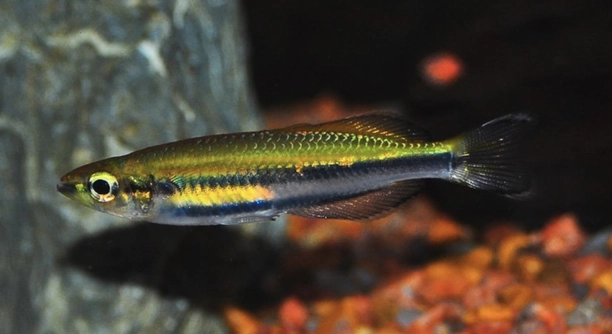
Many fish owners adore the vibrant colors and lively behavior of Madagascar Rainbowfish. Observing them glide through the tank can be relaxing, yet sometimes these fish may appear withdrawn or spend long periods alone.
Madagascar Rainbowfish often become lonely due to insufficient social interaction or an inappropriate tank environment. Lack of companions, limited swimming space, or inconsistent water conditions can trigger stress, reduce activity, and negatively affect their overall health and well-being.
Recognizing these signs early allows you to make simple changes that promote a more active and socially fulfilled aquarium environment. Proper adjustments can help your rainbowfish thrive and display its natural behaviors.
Small or Overcrowded Tank
A common reason Madagascar Rainbowfish appear lonely is the tank size. These fish need enough space to swim freely and interact with other fish. A tank that is too small or overcrowded limits movement and can increase stress levels. Overcrowding also creates competition for food and hiding spots, which may cause your fish to retreat into corners. Providing at least a 30-gallon tank for a small group helps ensure they have room to swim, explore, and display natural behavior. Proper filtration and regular water changes maintain water quality, which also supports healthy social interactions. Decorations like plants or rocks offer hiding places but should not restrict swimming areas. Observing your fish regularly helps identify early signs of stress or isolation. Ensuring balanced lighting, temperature, and pH levels further contributes to a healthy environment. Addressing these factors can significantly improve your rainbowfish’s social life.
A larger, well-maintained tank encourages activity and reduces stress, making your Madagascar Rainbowfish more interactive and less isolated.
Even with the right companions, a cramped or poorly maintained tank can make your rainbowfish hide or stay in one spot. Adjusting the space and environment allows them to explore, interact, and show natural behaviors like schooling and color display. Consistent care promotes confidence and reduces the risk of illness or aggression.
Lack of Companions
Madagascar Rainbowfish are naturally social and thrive in groups of five or more.
Without enough companions, they can become shy, inactive, and display dull colors. Social interaction stimulates their behavior and supports emotional well-being, preventing loneliness and stress.
Keeping a proper-sized group helps maintain activity and encourages natural schooling behavior. In a small group or alone, these fish may float near the bottom or isolate themselves, showing signs of anxiety. Introducing additional rainbowfish gradually while monitoring tank conditions ensures harmony and prevents overcrowding. When companions are present, you may notice increased movement, playful chasing, and more vibrant colors, indicating better health. Group dynamics are important; avoid mixing incompatible species that may cause tension or aggression. Observing interactions allows you to adjust the number of companions or rearrange decorations for hiding spaces. The combination of appropriate group size and tank setup creates a balanced environment where your Madagascar Rainbowfish can thrive and feel secure, ultimately reducing loneliness and enhancing overall vitality.
Poor Water Quality
Dirty or unstable water can make Madagascar Rainbowfish withdraw and appear lonely. Regular water changes and proper filtration are essential to keep ammonia, nitrite, and nitrate levels low, ensuring a healthy and active tank environment.
Consistently monitoring water parameters is crucial. High levels of toxins like ammonia or nitrites can stress your fish, causing them to hide or reduce interaction with other tank mates. pH, temperature, and hardness should also be checked regularly, as sudden fluctuations can disrupt behavior. Even small changes can affect their energy and social behavior. A clean tank supports immune function and encourages more natural, lively activity. Testing kits make it easy to track water quality, and adjusting the schedule of changes or improving filtration can prevent long-term problems.
Setting up a reliable routine for water maintenance prevents stress-related behaviors. Ensuring oxygenation and avoiding leftover food accumulation further helps Madagascar Rainbowfish stay active, healthy, and socially engaged with the group. Regular observation allows early detection of any water-related issues before they impact your fish’s well-being.
Lack of Hiding Spots
Rainbowfish need places to feel secure. Plants, rocks, or decorations provide cover, reducing stress and encouraging interaction with the group.
Without adequate hiding spots, fish may retreat to tank corners and stay isolated, appearing lonely. Strategically placed decorations allow them to explore safely while feeling protected.
Hiding spaces are essential for establishing territories and reducing tension among tank mates. In a bare tank, dominant fish can intimidate others, causing submissive individuals to stay hidden or remain inactive. Adding plants, caves, or driftwood creates zones where fish can rest, interact, and feel safe, promoting balanced behavior. Hiding spots also reduce stress during feeding or when new fish are introduced. Observing your fish helps identify which areas they prefer and how to rearrange the tank for optimal comfort. Providing multiple options ensures all fish can find refuge, encouraging confidence and social activity.
Inconsistent Feeding
Inconsistent feeding schedules can make Madagascar Rainbowfish stressed and withdrawn. Regular meals at predictable times help them feel secure and encourage natural activity within the tank.
Overfeeding or underfeeding can both cause issues. Overfeeding leads to poor water quality, while underfeeding reduces energy and social interaction. Consistency is key.
Incompatible Tank Mates
Some fish species may intimidate or harass Madagascar Rainbowfish, causing them to hide or avoid interaction. Aggressive or territorial species disrupt social behavior and increase stress.
Lack of Stimulation
A bare tank with little variety can lead to boredom. Adding plants, rocks, and varying decorations provides mental and physical stimulation, keeping fish active and socially engaged.
Stressful Environment
Sudden noises, vibrations, or frequent tank disturbances create stress, making rainbowfish shy away from interaction. Maintaining a calm environment promotes healthier social behavior.
FAQ
How many Madagascar Rainbowfish should I keep together?
Madagascar Rainbowfish are social and thrive in groups. A minimum of five fish is recommended to promote natural schooling behavior. Smaller groups can become shy or withdrawn, showing less color and activity. Keeping an appropriate group helps maintain balanced interactions and reduces stress.
What is the ideal tank size for a group of rainbowfish?
A 30-gallon tank is usually the minimum for a small group. Larger tanks provide more swimming space, reduce territorial disputes, and allow decorations without overcrowding. Adequate space ensures healthier fish, encourages movement, and supports natural behaviors like chasing, schooling, and exploring the environment.
How often should I change the water?
Water changes should be done at least once a week, replacing 25-30% of the tank water. This keeps ammonia, nitrite, and nitrate levels low. Regular changes improve water clarity, maintain proper chemical balance, and prevent stress-related behavior in Madagascar Rainbowfish.
What decorations are best for hiding spots?
Live or artificial plants, rocks, caves, and driftwood provide excellent hiding places. Place them strategically to create zones for resting, exploration, and safety. Multiple hiding spots ensure all fish can find shelter and reduce aggressive behavior from tank mates.
What water parameters are ideal for rainbowfish?
Madagascar Rainbowfish thrive in water with a temperature of 74-82°F (23-28°C), a pH of 6.5-7.5, and moderate hardness. Stable conditions are critical. Sudden changes in temperature, pH, or hardness can cause stress, reduce activity, and lead to loneliness or health problems.
Can rainbowfish live alone?
While they can survive alone, they do not thrive. Isolation reduces activity, dulls coloration, and increases stress. Keeping them in groups is essential for social interaction, mental stimulation, and overall health. Companions encourage natural schooling and playful behavior.
What should I do if my rainbowfish is hiding a lot?
Check water quality, tank size, companions, and hiding spots. Poor conditions or aggressive tank mates often cause hiding. Improving the environment, adding plants or decorations, and ensuring enough social interaction can help your fish feel safe and more active.
How do I introduce new fish to reduce stress?
Acclimate new fish slowly using a drip or floating method. Rearrange tank decorations to create neutral zones and prevent territorial disputes. Monitor interactions closely for the first few days. Gradual introduction reduces stress and helps rainbowfish adapt socially without becoming lonely or anxious.
What foods keep rainbowfish healthy and active?
A balanced diet of high-quality flakes, pellets, and occasional live or frozen foods like brine shrimp or daphnia ensures energy and vitality. Consistent feeding schedules support social interaction, bright coloration, and natural behaviors, reducing lethargy or withdrawal in the tank.
Can stress make rainbowfish lose color?
Yes, stress from poor water quality, inadequate companions, or a bare tank can dull their colors. Maintaining proper tank conditions, social groups, and hiding spots restores vibrant colors and encourages natural behavior, helping your rainbowfish feel secure and engaged.
How do I know if my rainbowfish is lonely?
Signs of loneliness include hiding, reduced activity, dull colors, and avoidance of other fish. They may linger near the bottom or corners of the tank. Observing behavior closely allows you to identify issues early and make adjustments to the tank or social setup to improve their well-being.
Is it okay to mix rainbowfish with other species?
Yes, but choose peaceful, non-aggressive species of similar size. Avoid large, territorial, or aggressive fish that may intimidate rainbowfish. Proper tank mates reduce stress, promote interaction, and help maintain a harmonious environment where rainbowfish can display natural social behavior.
How can I make my rainbowfish more active?
Provide a well-maintained tank with ample swimming space, decorations, and hiding spots. Maintain consistent water parameters and feeding schedules. Keeping a group of rainbowfish encourages schooling, playful chasing, and exploration, improving activity and reducing signs of loneliness.
What is the best way to reduce stress in my tank?
Minimize sudden movements, loud noises, and frequent disturbances around the tank. Stable lighting, consistent water parameters, and adequate social groups create a calm environment. Stress reduction helps rainbowfish feel secure, increasing activity, vibrant coloration, and social interactions.
How can I tell if my rainbowfish is healthy?
Healthy rainbowfish are active, have bright coloration, and interact with tank mates. They swim freely, feed eagerly, and explore their environment. Sudden changes in behavior, hiding, or loss of color may indicate stress, loneliness, or water quality issues that need to be addressed promptly.
Final Thoughts
Madagascar Rainbowfish are lively, colorful fish that bring movement and energy to any tank. Their social nature means they thrive best when kept in groups and provided with a suitable environment. Ensuring enough companions is crucial, as solitary fish can become shy, withdrawn, and stressed. A properly sized tank gives them room to swim freely and interact naturally, while decorations like plants, rocks, and hiding spots allow them to feel secure. Observing their behavior daily can help you notice changes in activity or mood, allowing you to address issues before they become serious.
Maintaining water quality is another key factor in keeping your rainbowfish healthy and socially active. Regular water changes, proper filtration, and consistent monitoring of temperature, pH, and hardness reduce stress and encourage natural behavior. Inconsistent feeding schedules, poor water conditions, or sudden changes in the environment can lead to withdrawal or hiding. A stable routine not only benefits their health but also supports mental stimulation, helping them feel more confident in exploring the tank and interacting with companions. Overcrowding or aggressive tank mates should also be avoided to maintain a peaceful atmosphere where all fish can thrive.
Finally, paying attention to their overall environment and needs helps your rainbowfish display their best colors and behaviors. Providing a balanced diet, calm surroundings, and opportunities for interaction ensures that they remain active, healthy, and engaged. Small adjustments, such as adding hiding spots, rearranging decorations, or introducing compatible companions, can make a big difference in reducing loneliness. Understanding their natural tendencies and responding to signs of stress or isolation allows you to create a supportive and vibrant tank. With careful care and attention, your Madagascar Rainbowfish can enjoy a stimulating, social, and healthy life, making your aquarium a lively and enjoyable space for both you and your fish.

Hello,
If you enjoy the content that we create, please consider saying a "Thank You!" by leaving a tip.
Every little bit helps us continue crafting quality advice that supports the health, happiness, and well-being of pets around the world, for pets of all shapes, sizes, and species.
We really appreciate the kindness and support that you show us!