
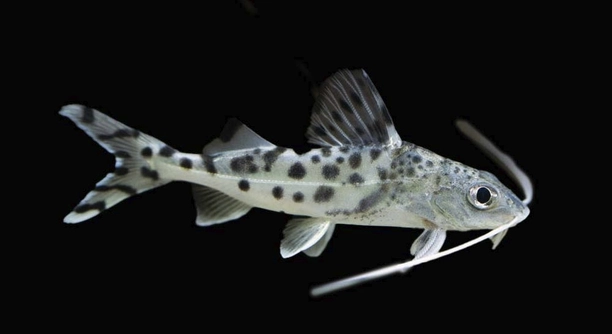
Adding more hiding places can improve the comfort and security of pets in their environment. Many animals rely on safe spots to reduce stress and feel protected during their daily routines. Creating these spaces thoughtfully benefits their overall well-being.
Knowing when to add more hiding places involves observing your pet’s behavior for signs of stress, restlessness, or lack of secure areas. If they avoid open spaces or seem anxious, increasing hiding spots can help provide a safer and more calming environment.
Understanding when to add hiding places can make a big difference in your pet’s happiness and health. This article will explain how to recognize the right moments and create suitable hiding spots.
Signs Your Pet Needs More Hiding Places
Pets often show clear signs when they feel unsafe or overwhelmed. They might hide more than usual in spots you didn’t expect or stay tense and avoid interaction. Restlessness and frequent pacing are also clues that their current environment doesn’t feel secure enough. Some animals become overly vocal or show signs of stress like excessive grooming or scratching. These behaviors point to a need for better shelter or privacy. Providing more hiding spots can help them relax and regain confidence. It’s important to observe your pet closely and respond to these signals early. Adjusting their space to include cozy, quiet areas helps improve their mood and reduces anxiety. Sometimes, pets simply outgrow their hiding places, requiring an update or an increase in available options to match their size or changing needs.
When pets seek more hiding spots, it usually means their current setup is insufficient or uncomfortable.
Adding well-placed hiding places is a practical way to improve your pet’s comfort. Small boxes, tunnels, or covered beds work well for many animals. Think about quiet corners or elevated areas where they can retreat without disturbance. Make sure hiding spots are easy to access and safe from hazards. Rotate or change these spaces occasionally to keep your pet interested and comfortable. A good hiding place is not just a shelter but also a place where your pet feels in control of their environment. By giving them more options, you encourage a calmer and happier pet who is less likely to develop stress-related issues.
How to Choose the Right Hiding Spots
Selecting hiding places depends on your pet’s species and behavior. Some pets prefer dark, enclosed spaces, while others like high perches or open shelters. Look for spots that match their natural instincts and habits. It’s important that these areas are quiet and away from heavy traffic. Avoid places with direct sunlight or drafts, as these can make the spot uncomfortable. Hiding places should also be easy for your pet to enter and exit without stress. Observe how your pet interacts with new spaces and adjust accordingly.
Consider your pet’s unique preferences and natural behaviors when setting up hiding places.
Creating the right hiding spots means thinking about what makes your pet feel safe. For example, cats often enjoy covered beds or boxes where they can see but stay hidden. Small dogs might like a crate with a soft blanket inside, while rabbits appreciate tunnels or hutches that feel secure. Avoid cluttered or noisy locations because these can increase stress instead of reducing it. Providing variety is key—offering different types of hiding spots can give your pet choices based on their mood. Monitor their use of these areas and make changes if needed. The goal is to create a space that encourages rest and calm, making your pet feel secure at all times.
Placement Matters for Hiding Spots
Placement is key when adding hiding spots for your pet. They need quiet, low-traffic areas where they can feel safe without constant disturbance.
Choose locations that offer both privacy and comfort. Avoid busy areas or places near loud appliances that may scare your pet. Corners, under furniture, or behind plants often work well. Make sure the spot is easy for your pet to reach but hard for others to bother them. It’s important to create a balance between accessibility and security so your pet actually uses the hiding place. Pay attention to where your pet naturally retreats—this can guide you to the best spots. Keep in mind that some pets enjoy elevated spaces, so shelves or cat trees can also serve as good hiding places.
Testing different placements over time helps find what your pet prefers most. It’s useful to adjust spots if your pet avoids them or seems uncomfortable. Moving hiding places occasionally can also refresh your pet’s environment. The goal is to provide a reliable safe zone where your pet feels in control and relaxed throughout the day.
Materials and Comfort
Comfort is crucial when creating hiding places. Soft materials like blankets, cushions, or pet-safe fabric make the spot inviting and warm. Avoid hard or cold surfaces that might discourage use.
Use materials that are easy to clean, especially if your pet spends a lot of time in the space. Natural fibers like cotton or fleece work well because they are gentle on your pet’s skin and fur. Avoid synthetic materials that might cause irritation. Adding a familiar scent, like a worn piece of your clothing, can also help your pet feel more secure. Make sure the hiding spot is not only comfortable but also safe—avoid anything with loose parts or sharp edges that could cause injury. Providing a cozy, clean, and secure environment encourages your pet to use the hiding place regularly and enjoy their time there.
Monitoring Your Pet’s Use of Hiding Places
Keep an eye on how often your pet uses their hiding spots. Frequent use means they feel safe and comfortable there.
If your pet rarely uses the spaces, try adjusting the location or materials. Sometimes small changes can make a big difference in their willingness to use a hiding place.
Signs Your Pet Is Avoiding Hiding Spots
Pets may avoid hiding places if they feel trapped, uncomfortable, or unsafe. Watch for signs like pacing near the spot or hesitation to enter. Discomfort can stem from poor placement, inappropriate size, or unpleasant materials. Adjusting these factors can encourage use.
Introducing New Hiding Spots Gradually
Adding new hiding spots should be done slowly to avoid overwhelming your pet. Introduce one at a time and observe their reaction. Give your pet time to explore and accept the new space without pressure.
Safety Considerations
Ensure hiding spots are free from hazards. Check for sharp edges, toxic materials, or places where pets could get stuck. Safety is essential for a truly secure hiding place.
FAQ
How do I know if my pet needs more hiding places?
If your pet frequently seems stressed, anxious, or avoids open spaces, it’s a good sign more hiding places are needed. Other signs include pacing, hiding in unusual spots, or showing reluctance to explore. Observing your pet’s behavior closely will help you decide when to add more safe spots.
What types of hiding places work best for different pets?
Cats usually prefer covered boxes or elevated spots like cat trees. Small dogs like crates with soft bedding, while rabbits and guinea pigs enjoy tunnels or enclosed hutches. Tailor hiding spots to your pet’s natural instincts and habits to encourage use.
Can too many hiding places be a problem?
Yes, having too many hiding spots can confuse or overwhelm some pets, especially if they feel scattered or less secure. It’s best to provide a few well-chosen spots that are comfortable and safe, rather than overcrowding their environment.
How often should I change or clean hiding places?
Regular cleaning is important to keep hiding spots fresh and comfortable. Clean at least once a week or more if your pet spends a lot of time there. Changing bedding or rotating hiding spots occasionally keeps the environment interesting and inviting.
Is it okay to use store-bought hiding places?
Store-bought hiding places can be great if they fit your pet’s size and comfort needs. Look for products made with safe, durable materials. However, simple DIY options like boxes or blankets often work just as well and can be customized easily.
What if my pet doesn’t use the hiding spots I provide?
If your pet avoids new hiding places, try adjusting their location, size, or comfort level. Sometimes pets need time to feel safe in a new space. Avoid forcing them and be patient—observe what they prefer and make changes accordingly.
Should hiding places be quiet or in active areas?
Hiding spots should be in quiet, low-traffic areas where your pet won’t be disturbed. Loud noises and busy spaces can increase stress instead of reducing it. Observe where your pet naturally retreats to guide you in placing hiding spots.
Can hiding places help reduce behavioral problems?
Yes, providing proper hiding spots can lower stress and anxiety, which often reduce behaviors like excessive barking, scratching, or pacing. A secure environment helps pets feel calm, improving their overall behavior and health.
Are there any materials I should avoid for hiding spots?
Avoid synthetic fabrics that can irritate your pet’s skin or cause allergies. Also, stay away from materials that are hard to clean or may have loose parts your pet could swallow. Choose soft, breathable, and easy-to-wash materials for comfort and safety.
How can I make a hiding place more inviting?
Add soft bedding, familiar scents, or a small toy to the hiding spot. Using a blanket with your scent or something your pet likes can make the space feel safer. Ensure the hiding place is easy to access and fits your pet’s size comfortably.
Can children or other pets affect my pet’s use of hiding spots?
Yes, pets may avoid hiding places if children or other animals frequently disturb those areas. It’s important to place hiding spots where your pet can retreat without being bothered to encourage regular use and relaxation.
Is it necessary to have hiding spots indoors and outdoors?
If your pet spends time both indoors and outdoors, it’s helpful to provide secure hiding spots in both places. Outdoor areas should be safe and sheltered from weather and predators, while indoor spots protect from noise and activity.
How do I encourage a shy pet to use hiding places?
For shy pets, introduce hiding spots gradually and allow them to explore without pressure. Use treats or toys nearby to create positive associations. Patience and gentle encouragement help build trust and comfort in the new spaces.
Adding more hiding places can greatly improve your pet’s comfort and sense of security. Pets often rely on these safe spots to feel protected when they are stressed or just need some quiet time. When their environment offers enough hiding places, they can retreat and relax without feeling threatened. This can help reduce anxiety and prevent behaviors caused by stress, such as pacing or excessive vocalizing. It is important to pay attention to your pet’s needs and provide hiding spots that suit their size and personality. These spots should be safe, clean, and easy to access to encourage your pet to use them regularly.
Choosing the right hiding places involves considering where your pet naturally likes to spend time. Some animals prefer quiet corners or spaces under furniture, while others like elevated or covered areas. Materials also matter—a cozy blanket or soft bedding makes a hiding spot inviting and comfortable. It’s best to avoid noisy or busy locations that could disturb your pet. Placing hiding places in calm, low-traffic areas will help your pet feel secure. Regular cleaning and occasional changes keep the environment fresh and interesting, encouraging your pet to continue using their safe spots.
Remember that each pet is unique, so what works well for one may not work for another. Observe your pet’s behavior to see if they are using the hiding places and feeling more relaxed. If your pet seems hesitant, try adjusting the location or comfort level of the hiding spot. Introducing new hiding places gradually and without pressure helps pets accept them better. Ultimately, providing enough safe and comfortable hiding spots is a simple yet effective way to support your pet’s well-being and happiness in their home.

Hello,
If you enjoy the content that we create, please consider saying a "Thank You!" by leaving a tip.
Every little bit helps us continue crafting quality advice that supports the health, happiness, and well-being of pets around the world, for pets of all shapes, sizes, and species.
We really appreciate the kindness and support that you show us!