
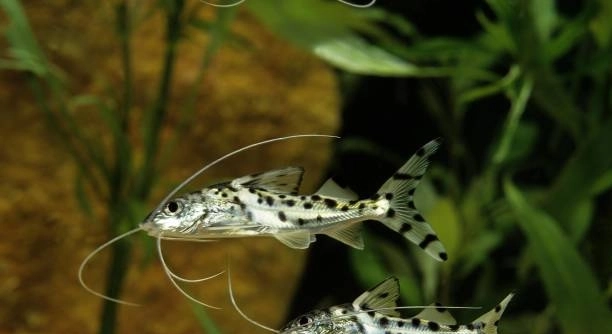
Many cat owners enjoy having pictus catfish in their aquariums because of their lively nature and peaceful temperament. These fish need the right environment to thrive, especially enough space to swim freely and grow comfortably. Recognizing when your pictus catfish requires more room is important for its wellbeing.
Pictus catfish display signs such as increased restlessness, reduced appetite, and frequent hiding when confined to inadequate space. Insufficient swimming area can cause stress, stunted growth, and aggressive behavior, indicating the need for a larger aquarium to support their health properly.
Understanding these signs will help you create a better home for your pictus catfish and maintain a healthy aquarium environment. This guide highlights key behaviors to watch for and how to respond effectively.
Restlessness and Constant Movement
When pictus catfish do not have enough space, they often swim around nervously or pace the tank. You might notice them darting from one side to another without settling. This behavior is a clear sign of discomfort. They need room to explore and move freely. Crowded conditions make them anxious and stressed. Over time, this can affect their overall health. A larger tank allows them to swim more naturally and reduces their stress levels. Observing your fish’s activity can help you decide if their current environment is too small.
This constant movement indicates the fish need more room to feel secure and relaxed.
Giving your pictus catfish extra space will help them calm down and behave more naturally. You’ll notice they rest more and interact better with their surroundings, which is a sign of improved wellbeing.
Decreased Appetite and Health Issues
Pictus catfish that lack sufficient space often eat less, which can lead to health problems. A cramped tank causes stress, and stress reduces their interest in food. Over time, this poor nutrition can weaken their immune system, making them prone to disease. Watching your catfish skip meals or eat less than usual is an important warning sign. Regularly check their tank size and conditions to ensure they have enough room to live comfortably. Feeding healthy food and maintaining clean water also support their health, but space remains a key factor.
When their environment is limited, pictus catfish show signs of poor health and low energy due to stress and insufficient nutrition. They need space to thrive physically and mentally.
If your catfish stops eating well, it’s important to test the water quality and tank size. Stress can come from overcrowding or poor water conditions, so both need attention. Increasing tank space will reduce stress and encourage better eating habits. In a larger environment, pictus catfish can swim freely and feel less threatened, which often leads to improved appetite and stronger health. Regularly monitoring their behavior and tank conditions helps catch problems early and keeps your fish happy for the long term.
Frequent Hiding Spots
Pictus catfish that don’t have enough space often hide more than usual. They seek refuge because they feel stressed or threatened in a cramped tank.
When your pictus catfish spends most of its time hiding behind decorations or plants, it’s a sign that the environment isn’t comfortable. They need space to feel safe and swim openly. A small tank can increase stress and force them to hide, which isn’t natural behavior. Providing a larger tank reduces anxiety and lets them explore without constant fear. This change helps your fish show more of their usual lively personality.
Too many hiding spots in a small tank can make your fish feel trapped. It’s important to balance decorations and swimming space. Open water gives your catfish a chance to move freely and feel secure. Adjusting the tank size and setup will encourage healthier behavior and reduce excessive hiding.
Stunted Growth and Physical Changes
Pictus catfish need enough room to grow properly. When confined in a small tank, they may stop growing or show unusual physical changes. Limited space affects their development.
Restricted swimming space limits muscle growth and can lead to deformities or weakened fins. These changes can harm their ability to swim well and enjoy their environment. If your catfish looks smaller than expected for its age or shows signs of fin damage, the tank size might be the issue. Upgrading to a larger aquarium will promote healthier growth and reduce the risk of physical problems. Keeping the tank clean and well-maintained supports their wellbeing but space remains essential.
Growth problems caused by cramped conditions can be avoided by providing enough room for your catfish to swim and explore. A bigger tank supports their natural development and overall health, helping them reach their full potential.
Aggressive Behavior
Pictus catfish usually get along well, but tight spaces can make them more aggressive. Crowding causes stress, leading to fights and chasing.
This behavior harms both your catfish and other tank mates. A larger tank helps reduce aggression by giving them space to avoid each other.
Rapid Gill Movement
When pictus catfish breathe faster than normal, it often means they feel stressed or lack oxygen. Crowded tanks usually have lower oxygen levels.
Poor water circulation in small tanks can worsen this problem. Ensuring proper tank size and filtration helps maintain healthy oxygen levels, reducing stress and supporting better breathing for your fish.
Scratched or Damaged Fins
Pictus catfish kept in small, overcrowded tanks often have torn or damaged fins. Constant rubbing against tank walls or decorations causes this issue.
A larger aquarium reduces these injuries by providing enough swimming space. This space allows your catfish to move freely without scraping or bumping into hard surfaces, helping them stay healthy.
FAQ
How much space do pictus catfish need?
Pictus catfish need a minimum of 30 gallons for a small group. They are active swimmers and require room to move freely. Providing enough space reduces stress and encourages healthy behavior. A larger tank supports their growth and prevents problems caused by overcrowding.
Can pictus catfish live alone?
While pictus catfish can survive alone, they are social fish and do better in groups of at least three. Keeping them in groups mimics their natural behavior and helps reduce stress. However, the tank size must be large enough to accommodate multiple fish comfortably.
What happens if my pictus catfish has too little space?
Too little space causes stress, which leads to health issues like poor appetite, stunted growth, and aggressive behavior. They may hide excessively or show signs of physical damage from rubbing against tank walls or decorations. Overcrowding can also reduce oxygen levels, affecting their breathing.
How often should I upgrade my tank size?
Upgrade your tank whenever your pictus catfish outgrow their current environment or show signs of stress. Growth rates vary, but frequent observation is important. If your fish appear restless, hide a lot, or stop eating, it might be time to provide more space.
What are signs of stress in pictus catfish?
Signs include increased hiding, rapid breathing, restlessness, and loss of appetite. You might also notice damaged fins or unusual aggressive behavior. These indicate the fish need better conditions, often related to space, water quality, or tank setup.
Can poor water quality mimic space issues?
Yes, poor water quality can cause symptoms similar to space problems, like stress and rapid breathing. It’s important to maintain clean water and good filtration alongside providing adequate space. Regular testing helps identify if water quality is an issue.
How can I improve my pictus catfish’s environment besides adding space?
Besides increasing tank size, ensure proper filtration and maintain stable water parameters. Add hiding spots but keep enough open swimming space. Regular water changes and balanced feeding support their health. Good lighting and substrate also contribute to a comfortable habitat.
Is it okay to keep pictus catfish with other species?
Pictus catfish generally get along with peaceful tank mates. Avoid aggressive or much larger fish that might bully or stress them. A well-planned community tank with compatible species helps reduce stress and promotes natural behaviors.
What tank setup is best for pictus catfish?
A tank with smooth substrate, plenty of open swimming areas, and some hiding spots is ideal. Use gentle water flow and maintain temperatures between 72–78°F (22–26°C). Proper lighting and regular maintenance are key to a healthy environment.
How do I know if my pictus catfish is happy?
Happy pictus catfish swim actively, eat well, and show curiosity. They rest comfortably and interact with tank mates without excessive hiding or aggression. Clear eyes, healthy fins, and smooth movements are good signs of wellbeing.
When it comes to keeping pictus catfish healthy and happy, giving them enough space is one of the most important things you can do. These fish are active swimmers that enjoy exploring their surroundings. If they don’t have enough room to move freely, they can become stressed and show signs of discomfort. Stress can affect their appetite, growth, and overall health. A tank that is too small can also lead to aggressive behavior and increased hiding, which are not natural for pictus catfish. Providing a spacious environment helps them stay calm, grow properly, and behave as they should.
Besides space, maintaining good water quality and proper tank conditions is essential for pictus catfish wellbeing. Even the biggest tank won’t help if the water is dirty or the conditions are poor. Regular water changes, proper filtration, and monitoring temperature and oxygen levels all contribute to a healthy home. Decorations and hiding spots are useful, but they shouldn’t overcrowd the tank. Balancing open swimming areas with places to hide creates a safe and comfortable space for your catfish. Remember, these fish need room to swim and explore to stay active and healthy.
Keeping an eye on your pictus catfish’s behavior is the best way to know if they need more space or better care. Changes like restlessness, hiding too much, or a decrease in appetite are signs to act. Upgrading to a larger tank or improving the environment can make a big difference. When your pictus catfish has enough room and the right conditions, they will thrive and bring more life to your aquarium. Taking these steps shows care and helps ensure your fish live a longer, happier life.

Hello,
If you enjoy the content that we create, please consider saying a "Thank You!" by leaving a tip.
Every little bit helps us continue crafting quality advice that supports the health, happiness, and well-being of pets around the world, for pets of all shapes, sizes, and species.
We really appreciate the kindness and support that you show us!