
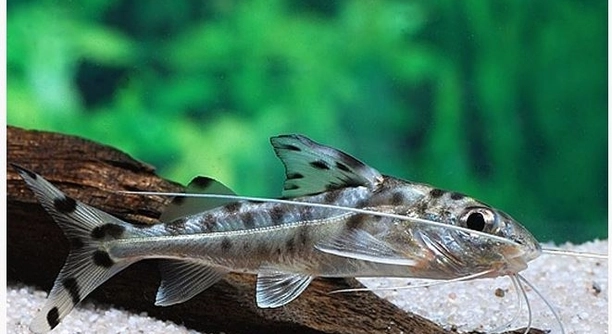
7 Tank Shape Tips for Pictus Catfish (+What They Prefer)
Pictus catfish are active and social fish that need the right tank setup to thrive. Choosing the proper tank shape and environment is important to support their natural behavior and well-being. Many fishkeepers overlook how tank shape affects these lively catfish.
The ideal tank shape for pictus catfish is long and wide rather than tall. This shape provides ample horizontal swimming space and mimics their natural habitat. Providing hiding spots and gentle water flow further supports their health and reduces stress.
Knowing these key tank shape tips can improve your pictus catfish’s life and happiness. Understanding their preferences helps create a balanced and suitable aquarium environment.
Choosing the Right Tank Shape for Pictus Catfish
Pictus catfish are natural swimmers who prefer tanks with more horizontal space. A long and wide tank allows them to move freely and comfortably, which helps reduce stress and promote healthy behavior. Tall, narrow tanks limit their swimming area and may cause them to feel confined. Additionally, a rectangular tank shape provides better surface area for oxygen exchange, which is important for these active fish. When setting up the tank, aim for a minimum length of 36 inches and a width of at least 12 inches. This setup supports their natural tendencies and gives them enough room to explore. Proper tank shape directly influences how well your pictus catfish will adapt and thrive in captivity.
Long and wide tanks offer the best environment for pictus catfish by providing adequate swimming space and oxygen levels. This shape helps maintain their health and happiness.
Selecting a tank with enough horizontal space is one of the simplest ways to improve your pictus catfish’s living conditions. Keeping them in a cramped or tall tank can lead to stress and less activity. By prioritizing tank length and width, you help ensure a more natural and comfortable habitat that supports their energetic nature. This adjustment alone can make a big difference in their overall well-being.
Tank Decorations and Environment Setup
To keep pictus catfish comfortable, include plenty of hiding spots like caves, plants, or driftwood. These fish are naturally cautious and enjoy places to retreat when feeling threatened. Using smooth decorations prevents injuries, as pictus catfish have sensitive barbels that can be damaged by sharp or rough surfaces. It’s important to avoid overcrowding the tank but still provide enough cover to create a secure environment. Soft substrate like sand or fine gravel is best to protect their barbels while they forage. Gentle water flow also helps mimic their natural habitat without stressing them. These setup choices create a balanced environment where pictus catfish can thrive safely.
Tank decorations play a crucial role in making pictus catfish feel secure. Providing hiding spots and safe surfaces supports their natural instincts and health.
Choosing the right decorations is more than just aesthetics. For pictus catfish, it affects their sense of security and ability to explore. Plants and driftwood not only offer hiding places but also contribute to water quality by supporting beneficial bacteria. A sandy substrate prevents barbel damage and encourages natural foraging behavior. It’s also wise to keep the water flow moderate, as too much current can tire the fish out. A well-planned environment respects the catfish’s needs and makes caring for them easier and more rewarding. When these factors are in place, your pictus catfish will be more active, less stressed, and healthier overall.
Lighting and Tank Placement
Pictus catfish prefer dim lighting because bright lights can stress them. Soft, low-intensity lighting helps mimic their natural environment and keeps them calm. Avoid placing the tank in direct sunlight, as it can cause temperature fluctuations and promote algae growth, both of which are harmful.
Using subdued lighting encourages natural behavior in pictus catfish, as they are nocturnal and more active in low light. Too much brightness may cause them to hide excessively, reducing their activity. Position the tank away from windows and sources of strong light to maintain a stable environment. Timers can help regulate light cycles, ensuring consistent day and night periods that support the catfish’s well-being.
Choosing the right location also matters. Place the tank in a quiet area with minimal vibrations and movement. Loud noises and frequent disturbances can make pictus catfish nervous. A stable environment with dim lighting helps them feel secure and promotes healthier behavior overall.
Water Parameters and Maintenance
Maintaining stable water conditions is essential for pictus catfish health. They thrive in slightly acidic to neutral pH levels between 6.5 and 7.5. Temperatures should range from 72°F to 78°F to keep them comfortable. Sudden changes in temperature or pH can stress these fish and lead to illness, so consistency is key.
Regular water changes of 20-30% weekly help maintain clean water and reduce harmful substances. Proper filtration is necessary to keep water quality high, but the flow should remain gentle to avoid stressing the catfish. Monitoring ammonia, nitrite, and nitrate levels is critical, as pictus catfish are sensitive to poor water quality.
It’s important to use a water conditioner to remove chlorine and chloramines before adding water to the tank. Keeping a stable environment with clean water supports their immune system and reduces the risk of disease. Consistent maintenance prevents common issues and helps pictus catfish live longer and healthier lives.
Feeding Preferences
Pictus catfish enjoy a varied diet that includes live, frozen, and sinking pellets. They are primarily nocturnal feeders, so feeding them in the evening mimics their natural habits. Providing a mix of protein-rich foods supports their active lifestyle and health.
Feeding small amounts twice daily prevents overfeeding and keeps the tank clean. Uneaten food should be removed promptly to avoid water quality issues.
Tank Mates
Pictus catfish do well with other peaceful fish that share similar water requirements. Avoid aggressive or very small species that may be harassed or eaten. Compatible tank mates include tetras, danios, and larger peaceful community fish.
Tank Size Recommendation
A minimum tank size of 30 gallons is recommended for pictus catfish due to their active swimming needs and schooling behavior. Larger tanks provide more stable water conditions and space for multiple fish.
Water Flow
Pictus catfish prefer moderate water flow that simulates their natural river habitats. Strong currents can tire them, so balance is key. Gentle filtration with adjustable flow works best to keep them comfortable.
FAQ
What tank shape is best for pictus catfish?
Pictus catfish thrive best in long, wide tanks rather than tall or narrow ones. This shape gives them plenty of horizontal swimming space, which is essential because they are active swimmers. A rectangular tank with a length of at least 36 inches is ideal to support their natural movement and reduce stress.
How important is tank decoration for pictus catfish?
Tank decorations are very important for pictus catfish. They need hiding places like caves, driftwood, and plants to feel secure. Decorations should have smooth edges to avoid injuring their sensitive barbels. A soft substrate such as sand or fine gravel is recommended for safe foraging and to protect their barbels from damage.
What kind of lighting do pictus catfish prefer?
Pictus catfish prefer dim lighting because they are nocturnal and can be stressed by bright lights. Soft, low-intensity light creates a calm environment that mimics their natural habitat. Avoid placing the tank in direct sunlight to prevent temperature swings and excessive algae growth.
What water parameters should I maintain for pictus catfish?
Keep the water temperature between 72°F and 78°F with a pH level of 6.5 to 7.5. These conditions mimic their natural habitat and help maintain their health. Stable water parameters are crucial because sudden changes in temperature or pH can cause stress and illness.
How often should I change the water in my pictus catfish tank?
Regular water changes of 20-30% each week are recommended. This keeps the water clean and reduces harmful toxins like ammonia and nitrites. Maintaining good water quality is essential to avoid diseases and ensure your catfish stay healthy.
What should I feed my pictus catfish?
Pictus catfish enjoy a varied diet including live foods, frozen foods, and sinking pellets. Feeding them in the evening matches their nocturnal feeding habits. Provide protein-rich foods like bloodworms, brine shrimp, and high-quality pellets to support their active lifestyle.
Can pictus catfish live with other fish?
Yes, they can live with peaceful tank mates that share similar water needs. Good companions include tetras, danios, and other peaceful community fish. Avoid aggressive species or very small fish that might be seen as prey or harassed.
What is the minimum tank size for pictus catfish?
A minimum tank size of 30 gallons is recommended for pictus catfish. This size provides enough room for their active swimming and schooling behavior. Larger tanks help maintain more stable water conditions and give them space to thrive.
How strong should the water flow be?
Moderate water flow is best for pictus catfish. They come from river habitats with gentle currents, so strong water flow can exhaust them. Use a filter with adjustable flow to create a comfortable environment that encourages natural behavior.
How do I prevent my pictus catfish from getting stressed?
Keep the tank environment stable with proper tank shape, decorations, and water parameters. Avoid bright lighting and sudden changes in temperature or water chemistry. Providing hiding spots and a peaceful tank environment reduces stress and promotes healthy behavior.
Why do pictus catfish sometimes hide a lot?
Hiding is normal behavior, especially if they feel threatened or stressed. Insufficient hiding places, bright lights, or aggressive tank mates can cause excessive hiding. Ensuring the tank has proper cover and suitable conditions helps them feel safe and more active.
Can pictus catfish live alone?
Pictus catfish are social and prefer living in groups of at least three to five. Keeping them alone may cause stress and reduce their natural behavior. A small group encourages schooling, making them more comfortable and active.
How often should I feed pictus catfish?
Feeding twice a day in small amounts is best. Overfeeding can pollute the tank, while too little food affects their health. Removing uneaten food promptly keeps the water clean and prevents waste buildup.
What substrate is best for pictus catfish?
Soft substrates like sand or fine gravel are best. They protect the catfish’s barbels while they forage and prevent injuries. Rough or sharp substrates can damage these sensitive whiskers and cause health issues.
What signs show my pictus catfish is healthy?
Healthy pictus catfish are active, swim freely, and have clear eyes and intact barbels. They respond well to feeding and interact with tank mates. Dull coloration, lethargy, or damaged barbels indicate potential health problems needing attention.
Final Thoughts
Setting up the right tank for pictus catfish requires attention to several key factors. The tank shape should provide plenty of horizontal swimming space, so a long and wide tank is ideal. This shape allows the catfish to move naturally and stay active. Tank decorations should include hiding spots and smooth surfaces to protect their sensitive barbels. Soft substrates like sand help keep them safe while foraging. Lighting should be dim and gentle, replicating their natural environment. These elements together create a comfortable space that supports their health and behavior.
Water quality is one of the most important aspects of caring for pictus catfish. Maintaining stable water parameters with a temperature between 72°F and 78°F and a pH of 6.5 to 7.5 helps keep them healthy. Regular water changes and proper filtration are necessary to prevent the buildup of harmful substances. Gentle water flow mimics their natural habitat and prevents stress. Feeding them a varied diet that includes live and sinking foods twice a day supports their nutritional needs. Keeping a stable environment with clean water and appropriate feeding habits reduces the risk of disease and ensures your catfish live a long, healthy life.
Overall, pictus catfish thrive best in well-planned tanks that meet their specific needs. Paying close attention to tank shape, decorations, lighting, water quality, and diet will create an environment where they can flourish. These fish are social and enjoy living with others of their kind, so keeping them in small groups enhances their well-being. By carefully following these guidelines, you can enjoy watching your pictus catfish thrive in a healthy and natural-like habitat. This thoughtful setup helps you provide the best care and makes your aquarium a more enjoyable and balanced space.

Hello,
If you enjoy the content that we create, please consider saying a "Thank You!" by leaving a tip.
Every little bit helps us continue crafting quality advice that supports the health, happiness, and well-being of pets around the world, for pets of all shapes, sizes, and species.
We really appreciate the kindness and support that you show us!