
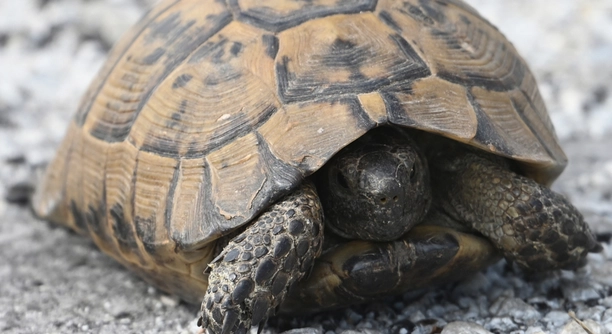
A healthy level of exercise is important for your Russian tortoise. Without enough activity, it could lead to health problems. Understanding their exercise needs helps ensure they stay active and thrive in their environment.
To determine if your Russian tortoise is getting enough exercise, observe their behavior and activity levels. Regular movement is essential for their well-being, as lack of exercise can lead to obesity, shell deformities, and other health issues.
By recognizing the signs of insufficient exercise, you can take the right steps to keep your tortoise active and happy.
Recognizing the Signs of Insufficient Exercise
If your Russian tortoise isn’t moving around much, it could be a sign they’re not getting enough exercise. Healthy tortoises are active, roaming around their enclosures, seeking food and exploring their surroundings. If you notice your tortoise staying in one spot, it might be a concern. It’s important to monitor their daily habits and check if they’re engaging with their environment.
Tortoises that remain inactive may be at risk of weight gain, muscle weakness, or other health issues. A lack of exercise can also cause them to become lethargic, making it harder for them to digest food properly. A balanced exercise routine is key to keeping them healthy.
You should aim to provide a large enough area for your tortoise to roam and explore. Adding obstacles or hiding places can encourage them to move more and stay active. If your tortoise is not moving enough, consider rearranging their environment to spark curiosity and keep them engaged. Regular exercise will improve their health and make sure they’re not missing out on vital physical activity.
Providing an Active Environment
Creating an active environment for your tortoise doesn’t have to be difficult. A simple setup can encourage movement.
Consider adding different surfaces like rocks, logs, or plants for them to explore. These elements give them something to climb over and crawl through, promoting physical activity.
Encouraging Natural Behaviors
Tortoises naturally move around to find food and explore. Replicating this behavior in their environment encourages them to stay active. By offering a variety of food sources in different locations, you can stimulate them to move around. This simple method mimics their natural instincts and keeps them engaged.
Placing food in different areas also helps maintain their physical health. A little extra effort on your part will ensure your tortoise gets the exercise it needs. For example, you could hide their food behind plants or under a rock. These small changes will push your tortoise to explore and move more, promoting overall wellness.
In addition, rotating their food daily can prevent boredom. A diverse selection of vegetables and leafy greens can also enhance their diet, improving their energy levels. When tortoises have to work for their food, it helps them stay active, which is essential for keeping their muscles strong and their weight balanced.
Regular Supervised Time Outside
Taking your tortoise outdoors for some supervised exercise is another way to keep them healthy. Fresh air and natural sunlight are great for their well-being.
When outside, you can create a safe, enclosed area for them to explore. It gives them a larger space to roam and provides mental stimulation. Keeping an eye on them will ensure they’re safe from predators or getting into harmful situations.
Monitoring Weight and Body Condition
Keeping an eye on your tortoise’s weight is essential for ensuring they are getting enough exercise. If they are not moving enough, they may start gaining excess weight. Regularly checking their body condition can help you determine if they need more activity.
A healthy tortoise should have a well-rounded body shape, with no noticeable fat deposits. If you notice any changes in their weight or appearance, it’s time to adjust their environment or exercise routine. A balanced diet alongside adequate exercise can help maintain a healthy weight.
Adjusting Their Habitat for Activity
Changing the layout of your tortoise’s enclosure can make a big difference in their activity level. Create an environment with various textures and obstacles for them to navigate.
Add items like rocks, tunnels, or small hills to encourage movement. By mixing up their space, you’ll keep them curious and more likely to explore. This simple change can result in more exercise and engagement. Regularly altering their habitat provides fresh challenges, encouraging your tortoise to remain physically active.
Daily Routine and Consistency
Consistency is key when it comes to your tortoise’s exercise. Setting up a daily routine helps them stay active and healthy.
Ensure they have enough time to roam, whether indoors or outdoors. Stick to a schedule to make it a part of their daily life. Routine exercise is crucial for their long-term health.
FAQ
How much exercise does my Russian tortoise need daily?
Russian tortoises typically require 1 to 2 hours of exercise each day. They thrive on consistent movement and exploration, so providing a large enough space to roam and interact with their environment is essential. In addition to their daily roam time, giving them access to natural sunlight or a well-lit area helps maintain their activity levels.
What are signs that my tortoise isn’t getting enough exercise?
If your Russian tortoise isn’t moving around much, it could be a sign of insufficient exercise. Other indicators include weight gain, lethargy, or an unusually passive behavior. You may notice them spending long hours in the same spot, which is a clear signal that they’re not getting the stimulation they need.
How can I make my tortoise’s enclosure more engaging?
To make your tortoise’s habitat more engaging, include various surfaces for climbing, such as rocks, logs, and plants. Adding tunnels or small hills encourages exploration. Regularly changing the layout of their environment will keep things interesting for them, sparking curiosity and promoting physical activity.
Can I take my Russian tortoise outside for exercise?
Yes, taking your tortoise outdoors is an excellent way to help them get exercise. Supervised outdoor time in a safe, enclosed space allows them to roam freely and benefit from fresh air and natural sunlight. Just be sure to protect them from potential dangers like predators or harmful plants.
What food should I give my tortoise to encourage movement?
Hiding food around their enclosure or placing it in different locations encourages your tortoise to move more. Offer a variety of leafy greens and vegetables to keep them engaged. Fresh foods not only stimulate their appetite but also prompt them to move around in search of their meals.
Is there a specific type of exercise that works best for my tortoise?
Russian tortoises naturally enjoy moving through different terrains. To encourage exercise, make sure they have access to surfaces that require climbing or navigating. Additionally, allowing them to dig or forage for food will engage their instincts and help them stay active. The more you replicate their natural behaviors, the more likely they are to stay active.
How can I prevent my tortoise from becoming overweight?
To prevent weight gain, make sure your tortoise is getting regular exercise and a balanced diet. Offering fresh, fiber-rich vegetables and controlling their food intake helps maintain a healthy weight. Combine this with daily roaming time and opportunities for physical activity to keep them fit and active.
Can I use a hamster wheel or other equipment for exercise?
While it may seem tempting, using equipment like a hamster wheel is not suitable for a Russian tortoise. They are natural explorers and do best when they have the space to roam freely. The best exercise comes from creating an engaging environment that allows them to move in a way that mimics their natural behaviors.
How do I know if my tortoise is stressed from lack of exercise?
Signs of stress due to insufficient exercise include lethargy, loss of appetite, or changes in their behavior. A stressed tortoise may also become more defensive or aggressive. Regular exercise helps keep them physically and mentally stimulated, reducing stress and improving overall well-being.
What should I do if my tortoise is still inactive after trying all these methods?
If your tortoise remains inactive despite providing exercise opportunities, it could indicate an underlying health issue. It’s important to consult with a reptile vet to rule out any medical conditions. Sometimes, a tortoise may be suffering from dehydration, an improper diet, or illness, which can affect their activity levels.
Final Thoughts
Ensuring your Russian tortoise gets enough exercise is crucial for their overall health and well-being. A sedentary lifestyle can lead to obesity, muscle atrophy, and other health problems. By providing a suitable environment that encourages natural behaviors, such as foraging, climbing, and exploring, you can promote a more active lifestyle for your tortoise. Whether it’s rearranging their habitat or offering supervised outdoor time, these small adjustments can make a big difference in their activity levels. Regular exercise is not just about physical health but also mental stimulation, which keeps them happy and engaged.
If you notice that your tortoise is not as active as it should be, it’s important to assess its surroundings and daily routine. Tortoises thrive on consistency and variety, so make sure they have access to plenty of space and opportunities to move around. Additionally, keeping track of their weight and body condition will help you determine if they’re getting enough exercise. If you’re ever unsure about your tortoise’s health or behavior, it’s a good idea to consult with a veterinarian to ensure they are not suffering from any underlying issues that may affect their activity levels.
In the end, the key to a healthy, active tortoise lies in providing the right balance of exercise, food, and mental stimulation. By being attentive to their needs and making slight adjustments to their environment, you can help your tortoise stay physically fit and content. Regular interaction, whether it’s through supervised outdoor time or engaging with their habitat, is essential for keeping them active and healthy for years to come. Your tortoise depends on you for care and attention, so investing time in their well-being will lead to a happier and more active companion.

Hello,
If you enjoy the content that we create, please consider saying a "Thank You!" by leaving a tip.
Every little bit helps us continue crafting quality advice that supports the health, happiness, and well-being of pets around the world, for pets of all shapes, sizes, and species.
We really appreciate the kindness and support that you show us!