
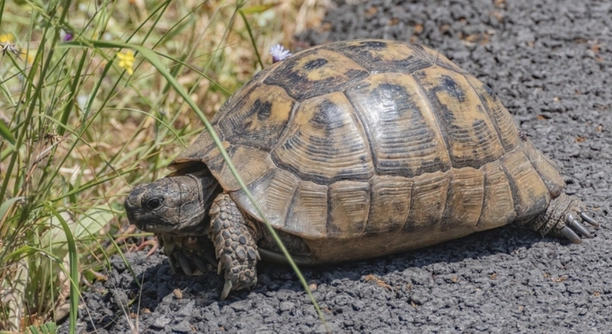
Russian tortoises are one of the most popular pet reptiles. Their small size and calm demeanor make them appealing, but their care can be misunderstood. It’s easy to fall for myths that can negatively affect their health.
Many common myths about Russian tortoise care are misleading and may lead to improper care. Providing them with the right diet, habitat, and routine can help them thrive. Misunderstandings about their needs often result in poor living conditions or health issues.
Proper care is essential for your Russian tortoise’s well-being. Understanding the facts will help ensure they live long, healthy lives in your care.
Myth 1: Russian Tortoises Can Live in Small Cages
Many people think that Russian tortoises can live happily in small enclosures. While they are small creatures, they still need space to roam and explore. A cramped space can lead to stress and health problems. These tortoises are active and need room to walk, climb, and bask in different areas. A small cage can restrict their natural behaviors, affecting their overall well-being.
Small enclosures can also create temperature and humidity imbalances, which are crucial for your tortoise’s health. A spacious habitat allows for better control of these factors.
Russian tortoises require a habitat that mimics their natural environment as much as possible. Providing a larger space gives them room to move and access necessary areas for proper heat regulation. A 4×8 foot area, or larger, is recommended for one tortoise. This not only reduces stress but also promotes a more active, healthy life. Consider setting up a tortoise table or a well-secured outdoor pen to give them the space they deserve.
Myth 2: Russian Tortoises Don’t Need a Special Diet
Russian tortoises are often thought to be low-maintenance when it comes to their diet. However, feeding them an improper diet can lead to serious health issues. They are herbivores that require a variety of leafy greens and grasses. A diet too high in fruits or improper types of greens can cause digestive problems or obesity.
A balanced diet for a Russian tortoise includes dark leafy greens like collard greens, dandelion greens, and mustard greens. Grasses and weeds, such as clover or timothy hay, should be included, as they provide the right fiber content for proper digestion.
Avoid feeding your tortoise foods like iceberg lettuce, which has little nutritional value, or too many fruits that can upset their digestive system. By maintaining a varied diet, you’ll help your tortoise stay healthy and active. Be mindful of their portion sizes and provide fresh food daily for the best results.
Myth 3: Russian Tortoises Can Survive on Only Artificial Light
Some believe that Russian tortoises can live happily with just artificial lighting. While UVB lighting is essential, it must be paired with natural sunlight or a high-quality UVB lamp to ensure proper vitamin D3 synthesis. Without this, your tortoise can develop metabolic bone disease and other health issues.
The UVB light should be placed close enough to your tortoise, but not too close, as it can cause burns. Make sure to replace UVB bulbs every six months, as their effectiveness diminishes over time. Tortoises also need exposure to natural sunlight for a few hours weekly to support overall health.
Even though UVB lighting is crucial, it’s only part of the equation. Tortoises benefit from natural sunlight, which helps regulate their circadian rhythm. If you can, give your Russian tortoise access to outdoor space during the warmer months. Alternatively, consider an outdoor enclosure that allows them to bask safely in the sun.
Myth 4: Russian Tortoises Don’t Need Water
It’s common to hear that Russian tortoises don’t need water, but they do. While they don’t drink large amounts like other animals, they still require access to fresh water. Dehydration can lead to a host of issues, including kidney problems and poor digestion.
Providing a shallow water dish is essential for your tortoise to drink from and soak in. Make sure the dish is large enough for them to climb into but not deep enough for them to drown. It’s also important to clean the water daily to prevent bacteria buildup.
Besides drinking, Russian tortoises benefit from soaking in water every few days. This helps with hydration and can aid in the shedding process. Avoid forcing them into the water, but gently place them in their soaking dish. Keep an eye on them to ensure they don’t get too cold.
Myth 5: Russian Tortoises Don’t Need Any Interaction
Some think that Russian tortoises are completely independent and don’t need much interaction. While they are not as social as some pets, they still benefit from regular handling and interaction. This helps build trust and reduce stress.
Handling your tortoise gently can help it get accustomed to human presence. Regular interaction helps with their overall well-being, but be sure not to overdo it. Too much handling can cause stress or fear, so balance is key.
Tortoises also enjoy observing their surroundings, so setting up a stimulating environment can provide enrichment. Place rocks, logs, or plants in their habitat to create opportunities for exploration.
Myth 6: Russian Tortoises Can Live in Extremely Cold Temperatures
While Russian tortoises are known for their hardiness, they should never be exposed to extreme cold for prolonged periods. They are adapted to semi-arid climates, but temperatures below 50°F (10°C) can lead to respiratory infections or hibernation-related issues.
Even if your tortoise is kept outside during warmer months, it’s important to bring them indoors when the weather turns cold. Ensure their habitat stays within a safe temperature range, between 70-85°F (21-29°C) during the day. A well-maintained indoor habitat is essential, especially during colder seasons.
Myth 7: Russian Tortoises Can Live Without Substrate
Many people mistakenly think that Russian tortoises can live without substrate in their enclosures. Substrate is crucial for providing comfort, helping with humidity levels, and preventing injuries. The wrong substrate can also cause health issues like respiratory problems.
Choose a substrate that mimics their natural environment. A mixture of organic soil, coconut coir, or aspen shavings is ideal. Avoid using sandy or clay-based substrates that can cause digestive blockages if ingested. Be sure to spot clean regularly and replace the substrate periodically to maintain a clean environment.
FAQ
How often should I feed my Russian tortoise?
Russian tortoises should be fed daily, offering them fresh vegetables like collard greens, dandelion leaves, and mustard greens. A variety of leafy greens and grasses should be included to ensure a balanced diet. Avoid offering too many fruits, as they can cause digestive upset. The key is providing fresh, clean food every day while avoiding overfeeding.
Can I keep multiple Russian tortoises together?
It’s possible to keep multiple Russian tortoises together, but it can be tricky. They can be territorial, and fighting may occur, especially if they are housed in a space that’s too small. If you plan to house more than one, ensure the enclosure is spacious and offers plenty of hiding spots. If aggression arises, separate them to prevent injuries.
How do I know if my Russian tortoise is healthy?
A healthy Russian tortoise will have clear, bright eyes, a firm, smooth shell, and active behavior. If they’re eating regularly, soaking, and exploring their environment, they’re likely in good health. Pay attention to any signs of lethargy, shell discoloration, or lack of appetite, as these can indicate health issues. Regular checkups with a reptile vet can also help ensure your tortoise stays healthy.
What temperature should I keep my Russian tortoise’s enclosure?
Russian tortoises need a temperature range between 70-85°F (21-29°C) during the day. At night, the temperature can drop to around 65-70°F (18-21°C). Use a basking spot with temperatures around 90-95°F (32-35°C) for them to warm up. Be sure to monitor the temperatures regularly using thermometers in both the basking and cooler areas of the enclosure.
Can Russian tortoises be kept outside year-round?
While Russian tortoises can spend time outdoors in warmer months, they should not be kept outside year-round, especially in colder climates. They cannot tolerate freezing temperatures and should be brought indoors during the colder seasons. If you keep them outside, ensure they have a secure, escape-proof enclosure and a hiding spot for protection from predators.
What kind of lighting do Russian tortoises need?
Russian tortoises need UVB lighting to help them process calcium and maintain healthy bones. Use a high-quality UVB bulb, ensuring it’s replaced every six months. Tortoises also benefit from natural sunlight, so if possible, let them bask outside a few hours a week in safe conditions. Ensure they have access to shade and shelter if kept outdoors for extended periods.
How do I prevent my Russian tortoise from becoming overweight?
To prevent obesity, focus on providing the right food in appropriate amounts. Stick to a high-fiber, low-calorie diet with mostly greens and grasses. Limit fruits and avoid giving them too many high-calcium vegetables like kale, which can lead to calcium imbalances. Regular exercise in a spacious environment also helps keep them active.
What is the best substrate for a Russian tortoise?
A mixture of organic soil, coconut coir, and shredded aspen is ideal for Russian tortoises. These substrates help retain proper humidity levels and allow for natural digging behavior. Avoid sand or gravel, as they can be ingested, leading to potential health problems. Keep the substrate clean by spot-cleaning daily and replacing it every few months.
Can I bathe my Russian tortoise?
Yes, soaking your Russian tortoise in warm water a few times a week is beneficial for hydration, shedding, and digestion. However, avoid leaving them in the water for too long, as they can get cold. Ensure the water is shallow enough for them to walk in without risk of drowning, and always supervise them while soaking.
Why is my Russian tortoise not eating?
If your tortoise stops eating, it may be due to several reasons, such as stress, improper temperatures, or illness. First, check the temperature of the enclosure and make sure it is within the recommended range. If it’s too cold, they may lose their appetite. Other causes could include improper lighting, a diet change, or a health issue. If they continue to refuse food, a visit to the vet is recommended.
How do I handle my Russian tortoise?
Handling your tortoise gently is important. Never pick them up by their legs or tail. Use both hands to lift them by the shell, supporting their body. Short, calm interactions will help them feel comfortable with you. Avoid excessive handling, as it can cause stress. Always wash your hands before and after handling your tortoise to prevent the spread of bacteria.
How long do Russian tortoises live?
With proper care, Russian tortoises can live anywhere from 40 to 50 years, sometimes longer. Ensuring they have a balanced diet, proper lighting, and a spacious, safe environment can contribute to their long lifespan. Regular vet checkups can help identify any potential health issues early, promoting a long and healthy life.
Final Thoughts
Caring for a Russian tortoise requires commitment and attention to detail, but it is highly rewarding. They may not need constant attention like some pets, but they still thrive when given a proper environment. Understanding their basic needs, such as a well-maintained habitat with the right temperature, lighting, and substrate, is crucial. Providing them with a varied diet of fresh greens and occasional fruits is essential for their health. Though they are relatively low-maintenance, they require consistency and regular care to ensure they live long, healthy lives.
One of the most important things to remember is that every tortoise is unique. While there are general care guidelines, your tortoise may have specific needs or behaviors that differ slightly. Observing your tortoise’s habits and health closely will help you adjust their care routine as needed. If you ever feel unsure about any aspect of their care, consulting a veterinarian who specializes in reptiles is a good idea. This ensures you’re doing everything you can to support your tortoise’s well-being.
In the end, Russian tortoises can be a wonderful and fascinating pet. They may not be as interactive as dogs or cats, but they offer a unique companionship. Their long lifespan, easy-to-manage diet, and low-maintenance requirements make them an ideal choice for many reptile lovers. With the right care, your Russian tortoise will be a part of your life for decades, bringing both joy and a sense of responsibility in equal measure.

Hello,
If you enjoy the content that we create, please consider saying a "Thank You!" by leaving a tip.
Every little bit helps us continue crafting quality advice that supports the health, happiness, and well-being of pets around the world, for pets of all shapes, sizes, and species.
We really appreciate the kindness and support that you show us!