
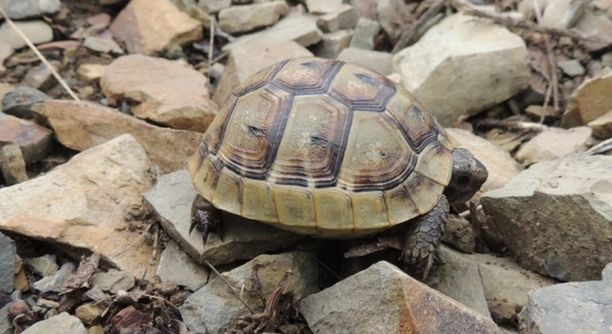
Russian tortoises can make a variety of noises, and it’s not uncommon for them to produce squeaky sounds. Understanding why this happens will help you ensure their well-being and comfort.
The squeaky noises from your Russian tortoise could be related to respiratory issues, stress, or even vocalizations due to excitement or discomfort. It’s important to monitor their environment, diet, and health to pinpoint the cause and provide appropriate care.
Learning more about these sounds can help you maintain a happy and healthy environment for your tortoise. Let’s explore what could be causing this behavior.
Possible Causes of Squeaky Noises in Russian Tortoises
Squeaky sounds in Russian tortoises are often a sign of something other than regular behavior. They can indicate stress, respiratory issues, or even excitement. Tortoises are naturally quiet, so these noises are not something to ignore. Often, a squeaky noise may be a sign that your tortoise is uncomfortable or struggling. If the noises are constant or seem severe, it’s important to pay close attention to their environment and health. The sounds can also occur when a tortoise is feeling threatened or anxious, which can affect their vocalizations.
It’s important to note that while squeaky noises might be alarming, they’re not always a cause for panic. Minor sounds or noises that occur intermittently might just be part of your tortoise’s communication.
If your tortoise is making these sounds, assess its living conditions. Check the temperature of its habitat, humidity levels, and diet. Ensure it has a clean space free from any unnecessary stress. Poor living conditions can lead to respiratory problems, which might cause these noises. A proper check-up with a vet is always a good idea to rule out medical issues.
Respiratory Issues
Respiratory issues are a common reason for squeaky noises in Russian tortoises. These tortoises can suffer from respiratory infections or congestion, which makes breathing more difficult and can result in strange sounds. A tortoise with a respiratory infection might also display other signs like nasal discharge, lethargy, or loss of appetite. If you notice these symptoms, it’s important to consult with a veterinarian immediately. Early intervention can prevent further complications.
Proper humidity and temperature are vital in preventing respiratory infections. Make sure the environment is not too cold or too dry. If your tortoise is exposed to fluctuating temperatures or a drafty area, it could be more prone to respiratory distress. Providing a warm, consistent environment is crucial for their overall health.
Stress and Anxiety
Squeaky noises can also be a sign of stress or anxiety in your Russian tortoise. Changes in its environment, handling, or sudden loud noises might trigger this response. If you’ve recently moved the tortoise to a new enclosure or added a new pet, it could be adjusting to these changes.
Stress affects tortoises in various ways. They may retreat into their shells more often, stop eating, or become more vocal. It’s important to create a calm and stable environment for your tortoise, with minimal disturbances. If stress is a recurring issue, consider giving your tortoise a bit more space and time to adjust. Proper care and patience will help reduce anxiety.
If your tortoise is consistently stressed, check for any possible sources of discomfort, such as overcrowding or competition with other pets. Adjusting the layout of its habitat or offering more hideaways can help ease these tensions and reduce squeaky sounds. A quieter, more secure environment can make a big difference in your tortoise’s well-being.
Excitement or Overstimulation
Squeaky noises can also be a result of excitement, especially when your tortoise is anticipating food or other activities. If it’s been a while since you fed your tortoise or it notices a change in its routine, it may vocalize in anticipation.
Overstimulation can occur during playtime or when tortoises are overly excited. Although squeaky sounds in these situations aren’t usually cause for concern, it’s important to recognize the signs of overstimulation. A tortoise that becomes too excited might start moving erratically or exhibiting more physical behaviors. Keep an eye out for these changes to avoid overwhelming your pet.
Providing a consistent feeding and activity schedule can help manage overstimulation. Keep your tortoise’s environment calm during feeding times and avoid sudden movements that could cause it to become overly excited. This can help prevent unnecessary squeaky noises from occurring.
Illness or Injury
If your Russian tortoise is making squeaky noises, it might be dealing with an illness or injury. In some cases, pain from a wound or internal issue can lead to vocalizations. This can be particularly concerning if the tortoise seems lethargic or refuses to eat.
Keep an eye on any behavioral changes such as limping, swelling, or lack of appetite. If the tortoise seems weak or uncomfortable, a visit to the vet is necessary. Illness and injuries are often difficult to detect early, but subtle signs can provide clues that something is wrong.
Proper care and monitoring are key. A sudden change in your tortoise’s behavior is often the first sign that something isn’t right. By staying vigilant, you can catch issues early and ensure your tortoise receives the necessary treatment.
Environmental Factors
Environmental factors can also play a role in your tortoise’s squeaky noises. Poor habitat conditions, such as incorrect temperature or humidity levels, can cause discomfort. Tortoises are sensitive to these changes, and they may show signs of stress or discomfort through vocalizations.
If your tortoise is making squeaky noises, check that the humidity is not too low and that the temperature is consistent. Any drastic changes in its environment can cause your tortoise to become stressed or ill. Keeping the enclosure stable will help reduce the chances of squeaky sounds.
FAQ
Why does my Russian tortoise make squeaky noises?
Squeaky noises from a Russian tortoise can occur for various reasons, such as stress, respiratory issues, or excitement. Stressful situations, like a change in their environment or handling, can cause them to vocalize. If the squeaking persists, it could indicate discomfort or illness, and a vet check might be necessary. Pay attention to your tortoise’s overall health and behavior to determine if something needs to be addressed.
How can I tell if my tortoise is stressed?
Stress in a tortoise can be identified by certain behaviors like hiding more than usual, not eating, and excessive movement. A stressed tortoise may retreat into its shell or act more aggressively. It could also show signs of respiratory issues or lethargy. If these behaviors are new or have been happening for a while, it’s essential to assess the environment and remove any potential stressors.
Can respiratory infections cause squeaky sounds in tortoises?
Yes, respiratory infections are a common cause of squeaky noises. When a tortoise has a respiratory infection, it might produce wheezing or squeaky sounds as it struggles to breathe. These infections can be serious, so if you notice nasal discharge or changes in eating or behavior, it’s best to consult a vet.
How do I prevent respiratory issues in my tortoise?
To prevent respiratory issues, it’s crucial to maintain a consistent and optimal temperature and humidity in your tortoise’s habitat. Avoid drafts and ensure that the enclosure is free from moisture buildup. Providing a clean and dry living space and a proper diet helps keep your tortoise healthy and less prone to respiratory infections.
Why is my tortoise squeaking when excited?
Squeaky noises can also be a result of excitement, particularly around feeding time or when your tortoise expects something enjoyable. These vocalizations are usually harmless and a sign of anticipation. If your tortoise is squeaking during regular activity, it’s likely responding to something in its environment or to your actions.
How can I tell if my tortoise is in pain?
Tortoises in pain may display behavior changes like a lack of appetite, refusal to move, or hiding. If your tortoise is making squeaky noises along with these signs, it could indicate discomfort or injury. Pay close attention to any limping, swelling, or odd posture. A vet visit is crucial to assess any injuries or health problems.
Should I be concerned if my tortoise squeaks only occasionally?
Occasional squeaks might not be something to worry about, especially if they occur during moments of excitement or slight stress. However, if the squeaking becomes more frequent or is accompanied by other symptoms such as a loss of appetite or lethargy, it could signal an underlying issue.
How can I reduce stress in my tortoise?
Creating a calm environment for your tortoise is essential. Keep their habitat quiet, consistent, and free from abrupt changes. If you’re handling your tortoise, make sure to do so gently and avoid overhandling. Regularly check the enclosure for any signs of discomfort, like sharp objects or improper temperatures.
Is it normal for my tortoise to make squeaky sounds when eating?
Squeaky noises while eating are not typical, but they can sometimes happen due to excitement or if the tortoise is trying to vocalize its pleasure. However, if the tortoise is showing other signs of distress, such as coughing, difficulty swallowing, or refusing food, it could indicate an issue with its health.
Can my tortoise be too hot or too cold if it’s squeaking?
Yes, temperature extremes can cause discomfort and lead to squeaky noises. Russian tortoises require a consistent temperature range, typically between 75°F and 85°F during the day, with a nighttime drop to around 65°F. Too hot or too cold of an environment can cause stress or even respiratory problems.
Final Thoughts
When it comes to your Russian tortoise making squeaky noises, it’s essential to assess the situation carefully. While occasional squeaks can be harmless and tied to excitement or communication, persistent squeaky sounds should not be ignored. Changes in behavior, such as decreased activity, loss of appetite, or signs of distress, could point to an underlying issue. It’s important to monitor your tortoise closely and consider environmental, health, and behavioral factors that could be contributing to the sounds.
Respiratory infections, injury, or stress are some of the common causes of squeaky noises. Keeping your tortoise’s habitat clean, stable, and comfortable is key to preventing potential health issues. Make sure the temperature, humidity, and overall enclosure setup are optimal for your tortoise’s well-being. Regularly check for signs of injury or infection, and pay attention to any changes in eating habits or behavior. A healthy environment is crucial for a happy tortoise and can help reduce any unnecessary squeaking.
If you notice the squeaking is persistent or accompanied by other troubling symptoms, a visit to the vet is necessary. A professional can help identify whether the noises are linked to a medical issue, such as a respiratory infection, and provide the appropriate treatment. Early detection of health problems can improve your tortoise’s recovery and overall quality of life. By staying vigilant and proactive, you can ensure that your tortoise remains healthy, comfortable, and free from discomfort.

Hello,
If you enjoy the content that we create, please consider saying a "Thank You!" by leaving a tip.
Every little bit helps us continue crafting quality advice that supports the health, happiness, and well-being of pets around the world, for pets of all shapes, sizes, and species.
We really appreciate the kindness and support that you show us!