
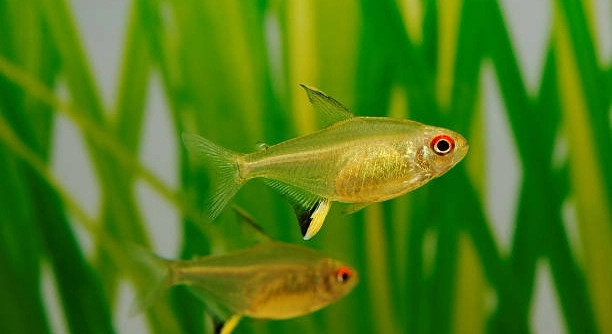
Are your Lemon Tetras showing unusual behavior lately or spending more time near plants in the aquarium? Observing your fish closely can reveal subtle changes that may indicate significant life events, including potential pregnancy.
Lemon Tetras exhibit physical and behavioral signs when pregnant, including a slightly swollen abdomen, changes in coloration, and increased hiding among plants. Monitoring these indicators over time provides reliable evidence of gravid status in female specimens.
Recognizing these signs early can help you provide the best care and environment for your Lemon Tetra during this important period. Understanding their needs ensures a healthy and stress-free habitat.
Physical Signs of a Pregnant Lemon Tetra
A swollen abdomen is the most noticeable sign of pregnancy in a Lemon Tetra. Female tetras develop a rounded belly as eggs mature, which can appear gradually over several days. Coloration may also change slightly, with the belly appearing more opaque or lighter. Additionally, pregnant females often become less active, spending more time near plants or decorations, seeking shelter. Their swimming may slow, and they might hover in quieter areas of the tank. Some fish display subtle behavior shifts, such as increased caution around tankmates or sudden darting when disturbed. Observing these changes closely helps identify pregnancy without stress to the fish. Feeding patterns can also shift; pregnant tetras may eat less frequently or nibble more selectively. It is important to maintain a calm, stable environment during this period. Gentle water changes and a consistent temperature support overall health while minimizing stress. Noticing these physical signs early allows you to prepare for proper care and potential fry protection.
Monitoring these changes carefully ensures your Lemon Tetra’s health remains stable. Paying attention prevents stress-related complications during pregnancy.
Being able to identify physical changes early also gives insight into their needs. Adjusting diet slightly and providing hiding spots allows the fish to feel secure. Clear observation helps differentiate normal variations from actual pregnancy, ensuring proper care. Avoid overcrowding the tank and maintain water quality consistently. Watching subtle behaviors alongside physical signs creates a more complete understanding of your tetra’s condition. Proper observation is key to a healthy environment for both the female and her future fry.
Behavioral Changes to Watch
Pregnant Lemon Tetras often behave differently than usual, seeking calmer areas of the tank and avoiding active swimming zones.
These behavioral adjustments include frequent hovering near plants, reduced interaction with other fish, and slower movements. Females may also hide more, blending into shaded corners or behind decorations. Changes in feeding habits can indicate gravid status; some females eat cautiously or nibble on food intermittently. Pairing behavioral observation with physical signs provides a more accurate understanding of pregnancy. Stressful environments or frequent disturbances can exaggerate these behaviors, so maintaining a peaceful tank is crucial. Recognizing these patterns allows for timely interventions, such as separating potential fry areas or providing additional cover. Behavior also signals when water quality or temperature changes affect comfort. Consistent monitoring ensures you respond appropriately, keeping both pregnant females and the rest of the tank stable. Observing these subtle cues daily helps predict spawning events while supporting overall health. Implementing small changes, like gentle feeding routines and quiet tank areas, reduces stress and encourages natural behavior during this sensitive phase.
Tank Environment Adjustments
Pregnant Lemon Tetras need calm, stable conditions. Reduce strong water currents and provide plenty of plants or hiding spots. Keep the tank quiet to minimize stress.
Maintaining optimal water parameters is essential for a healthy pregnancy. Slight fluctuations in temperature, pH, or hardness can affect the female’s comfort. Ensure regular, gentle water changes and avoid sudden disturbances during maintenance. Dense vegetation or floating plants offer shelter and mimic natural habitats. Soft lighting helps the fish feel secure, encouraging normal behavior and reducing stress-related complications. Tankmates should be monitored closely to prevent harassment or competition for food. A stable environment supports proper development of eggs and overall health.
Feeding adjustments are also important. Pregnant females benefit from high-quality, easily digestible foods. Offer small, frequent meals rather than large portions to reduce digestive strain. Live or frozen foods like brine shrimp or daphnia can provide essential nutrients. Observe her eating habits and adjust amounts to avoid overfeeding, which can harm both the female and water quality. Providing variety in diet ensures she receives adequate nutrition, supporting both her health and the development of eggs. Combining proper feeding with environmental adjustments creates ideal conditions for a safe, stress-free pregnancy.
Signs Fry May Be on the Way
Egg-laying behavior is often subtle but noticeable. The female may spend more time near plants or in secluded areas.
Once eggs are ready, the female typically chooses dense foliage or fine-leaved plants to deposit them. She may appear restless, darting quickly in short bursts, signaling preparation for spawning. Observing these movements alongside the swollen belly helps confirm the presence of mature eggs. Spawning may occur during early morning hours, and eggs can be sticky, attaching to plants or decorations. Providing ample cover reduces the risk of eggs being eaten by tankmates. Monitoring interactions with other fish ensures the female is not stressed, which could prevent successful spawning. Environmental consistency remains crucial during this time to maintain calm and support reproductive behavior.
After spawning, eggs require careful observation. Many Lemon Tetra eggs are vulnerable to being eaten by adults or other species. Separating the female or using a breeding box can increase survival rates. Water conditions should remain stable, with gentle filtration to avoid disturbing eggs. Light adjustments may also help maintain a secure environment for developing fry. Over the next few days, eggs typically become more visible as tiny embryos form. Monitoring the tank without interfering allows natural development while minimizing stress. Proper preparation and timely intervention can significantly improve the likelihood of healthy fry survival, ensuring the next generation thrives in a supportive habitat.
Preparing a Breeding Area
Separate areas or dense plant clusters help protect eggs and fry. Ensure water flow is gentle to avoid disturbing them.
Soft substrate or floating plants provide secure spots for the female to lay eggs. Minimize disturbances to prevent stress and encourage natural spawning behavior.
Monitoring Egg Development
Eggs typically take 24 to 36 hours to hatch, depending on water temperature. Observe for signs of fungus or damage. Removing affected eggs promptly helps maintain overall tank health. Maintaining stable temperature and clean water ensures proper development. Healthy eggs will darken slightly as embryos form.
Feeding Fry
Once hatched, fry need tiny, nutritious food. Infusoria, microworms, or liquid fry food works best for the first few days. Consistent feeding encourages growth and survival.
How can I tell if my Lemon Tetra is pregnant?
A pregnant Lemon Tetra usually shows a slightly swollen abdomen, especially near the belly. The swelling develops gradually over days as eggs mature. Females may also display subtle changes in coloration, appearing slightly paler or more opaque in the abdominal area. Behavior changes often accompany these physical signs, including reduced swimming activity, seeking shelter among plants, and avoiding interaction with other fish. Monitoring both physical and behavioral cues together gives the most reliable indication of pregnancy without causing stress to the fish.
What changes in behavior should I watch for?
Pregnant Lemon Tetras often become more cautious. They spend more time hovering near plants or decorations and may avoid open spaces in the tank. Feeding patterns can also change, with females eating smaller portions or nibbling intermittently. They may dart quickly in short bursts, especially when disturbed. Noticing these behavioral shifts alongside physical signs helps confirm pregnancy. Providing a calm and stable tank environment supports these natural behaviors and reduces stress that might interfere with the development of eggs.
How long does a Lemon Tetra stay pregnant?
Lemon Tetras are egg-layers, so pregnancy is technically the period before spawning. Once the eggs are mature, females may carry them for about 2 to 3 weeks. The exact timing can vary depending on water temperature, diet, and overall health. Warmer water often speeds up egg development slightly, while cooler water can slow it. Consistent monitoring of physical and behavioral signs can help predict when spawning is likely to occur. Maintaining stable tank conditions during this period is crucial for the female’s health.
Do I need to change the tank setup for a pregnant female?
Yes. Pregnant females benefit from calm water conditions and plenty of hiding spots. Dense plants, floating vegetation, or decorations that provide cover are important. Reduce strong water currents and keep lighting moderate to prevent stress. Avoid sudden changes during maintenance, and make water changes gentle. Providing a quiet and secure area encourages the female to swim naturally and reduces the risk of stress-related health issues.
Should I separate the female from other fish?
Separation is recommended if tankmates are active or aggressive. Adults may compete for food or harass the female, which can stress her and reduce the chances of successful spawning. Using a breeding box or separate tank helps protect both the female and the eggs. If the main tank is peaceful and heavily planted, separation may not be necessary, but careful observation is always important to prevent accidental harm.
How should I feed a pregnant Lemon Tetra?
Offer small, frequent meals of high-quality foods. Live or frozen foods such as brine shrimp, daphnia, or finely chopped bloodworms provide essential nutrients. Avoid overfeeding, which can stress the female and affect water quality. A varied diet ensures the female receives the nutrition needed for egg development and supports overall health throughout the pre-spawning period.
What should I do after eggs are laid?
Eggs are fragile and often at risk of being eaten by adults. Consider separating the female or using a breeding tank to protect the eggs. Maintain stable water conditions with gentle filtration to avoid disturbing them. Eggs typically hatch in 24 to 36 hours, and clear observation ensures timely intervention if fungus or damage occurs. Proper care during this stage improves fry survival.
How do I care for Lemon Tetra fry?
Fry need tiny, nutritious food such as infusoria, microworms, or liquid fry food for the first few days. Feed small amounts multiple times a day. Gradually introduce finely crushed flake food as they grow. Keep water clean with gentle filtration, avoiding strong currents. Dense plants or floating cover help fry feel secure and encourage normal swimming behavior. Regular observation ensures healthy growth and reduces the risk of disease.
Can stress affect pregnancy in Lemon Tetras?
Yes, stress can negatively affect egg development and spawning. Frequent disturbances, poor water quality, strong currents, and aggressive tankmates all contribute to stress. Providing a stable environment with adequate hiding spots, gentle feeding routines, and calm tank conditions supports the female’s health and improves the chances of successful egg development and hatching.
How often should I monitor the tank during pregnancy?
Daily observation is ideal to notice subtle changes in behavior and physical condition. Look for swelling, changes in coloration, hiding patterns, and feeding behavior. Check water quality regularly to maintain stable parameters. Monitoring without disturbing the female reduces stress and allows for early detection of potential issues, ensuring both the pregnant female and the developing eggs remain healthy.
Are there any signs of health issues during pregnancy?
Signs include sudden lethargy, loss of appetite, unusual swimming patterns, or rapid color changes. Fungus or damage on eggs can indicate water quality problems. Promptly addressing these issues with careful water management, diet adjustments, and isolation if necessary helps maintain the health of both the female and her eggs, increasing the chances of successful spawning and fry survival.
What is the best environment for long-term care after spawning?
After fry are free-swimming, maintain a calm, well-planted tank. Provide small, frequent feedings, gentle filtration, and consistent water conditions. Monitor fry growth and remove any sick or weak individuals to prevent disease. Maintaining a balanced environment ensures healthy development and supports both the adult tetras and the new generation effectively.
Observing a Lemon Tetra through its pregnancy can feel both exciting and delicate. These fish are small and subtle, so noticing changes requires patience and attention. Physical signs like a slightly swollen belly, changes in coloration, and slower swimming are often the first indicators of pregnancy. Behavior also provides important clues, as females tend to hide more and avoid open spaces in the tank. Combining these observations allows for a clearer understanding of the fish’s condition without causing unnecessary stress. Maintaining a calm and consistent environment is crucial, as even minor disturbances can affect both the female and her developing eggs. Regular, gentle water changes and stable temperature help ensure comfort, while dense plants and hiding spots create a sense of security. These steps are simple but effective ways to support the health of a pregnant Lemon Tetra, making it easier to care for them during this important period.
Feeding also plays a key role during pregnancy and after spawning. Pregnant females need nutritious, easily digestible foods to support egg development. Small, frequent meals of live or frozen foods like brine shrimp, daphnia, or finely chopped bloodworms provide essential nutrients. Overfeeding should be avoided to prevent water quality issues, which can lead to stress or health problems. Once the eggs hatch, fry require tiny, nutrient-rich foods such as infusoria, microworms, or specialized liquid fry food. Gradually introducing finely crushed flake food as fry grow ensures proper nutrition and supports steady development. Monitoring how both the female and fry respond to feeding routines allows adjustments to be made as needed. By maintaining consistent care practices, including balanced feeding and clean water, you provide a strong foundation for the health and survival of both adults and fry.
Providing a supportive environment extends beyond just food and water. Pregnant Lemon Tetras and their fry benefit from secure areas in the tank. Dense plants, floating vegetation, and decorations offer shelter, reducing stress and encouraging natural behavior. If tankmates are present, monitoring interactions is important to prevent harassment or competition. In some cases, separating the female or using a breeding tank can improve survival rates for eggs and fry. Patience and careful observation are essential throughout the process, from pregnancy through hatching and early fry development. By combining attention to physical and behavioral signs, proper nutrition, and a calm, well-structured environment, you ensure the well-being of your Lemon Tetras. Following these steps helps support healthy reproduction and allows you to witness their natural behaviors safely, creating a thriving aquarium where both adults and their offspring can flourish.

Hello,
If you enjoy the content that we create, please consider saying a "Thank You!" by leaving a tip.
Every little bit helps us continue crafting quality advice that supports the health, happiness, and well-being of pets around the world, for pets of all shapes, sizes, and species.
We really appreciate the kindness and support that you show us!