
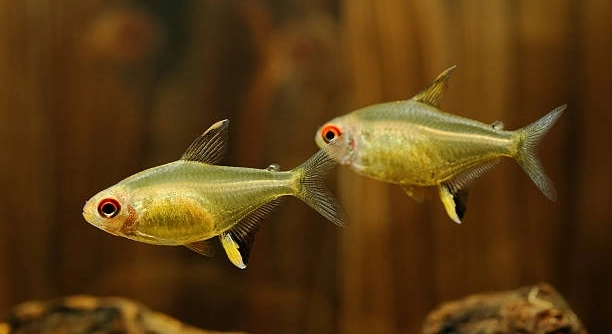
Lemon tetras are small, vibrant fish that add life to any freshwater aquarium. Their bright yellow coloration and active swimming patterns make them a favorite for hobbyists seeking lively and engaging tank mates.
Lemon tetra schooling behavior is a social strategy that enhances survival and reduces stress. These fish swim in coordinated groups, which helps with predator avoidance, improves foraging efficiency, and maintains social structure within their community.
Observing their schooling patterns reveals surprising details about their interactions and coordination. These behaviors demonstrate intelligence and cooperation beyond simple swimming, offering insight into their natural instincts and social dynamics.
Why Lemon Tetras School
Lemon tetras swim in groups as a natural behavior that helps them stay safe and interact effectively. Their schooling reduces the risk of predators targeting a single fish. Swimming together also allows them to coordinate movements when searching for food. Each fish observes the actions of others and adjusts its position to maintain group cohesion. This behavior is instinctive and can be seen even in newly introduced tetras, showing its importance for survival. Schools also provide a sense of security, reducing stress in captivity. A stressed fish may show color fading, reduced activity, or loss of appetite, so schooling plays a key role in overall health. Observing a well-formed school can be calming and rewarding for someone keeping an aquarium. Understanding the reasons behind schooling helps in setting up tanks that encourage natural behavior. Space, decorations, and water conditions all influence how effectively tetras form groups and maintain their patterns.
Lemon tetras school instinctively to enhance safety and reduce stress, creating coordinated groups that follow natural patterns for survival and feeding efficiency.
Maintaining a school requires proper tank size and population density. At least six tetras are recommended to ensure visible schooling behavior. Overcrowding can lead to stress, aggression, and weaker social cohesion, while too few fish may prevent the group from forming at all. Adding plants or hiding spots helps tetras feel secure while swimming, which encourages natural movement patterns. Light levels and water quality also affect schooling; clear, clean water allows fish to see each other and react quickly. Temperature stability is essential, as sudden changes can disrupt group dynamics. Observing their interactions can reveal subtle communication methods, such as synchronized turns or spacing adjustments. Recognizing these behaviors allows aquarists to provide environments that support both social and physical well-being, ensuring healthy, active, and visually appealing schools in the tank.
How Schools Affect Feeding
Schooling improves feeding efficiency by reducing competition and signaling the location of food. Fish observe each other to find the best spots and coordinate movements, ensuring everyone has access without overexertion or conflict.
In a well-structured school, lemon tetras respond quickly to food placement, minimizing wasted energy and optimizing intake. Their natural coordination creates a smooth, efficient feeding process.
Feeding a school of tetras requires strategy. Small, frequent portions work best, allowing all members to eat and preventing dominant individuals from monopolizing food. Floating flakes or micro pellets are ideal, as they disperse evenly and remain accessible. Introducing food slowly gives each fish time to detect and consume it without panic. Overfeeding can cloud the water and stress the school, while underfeeding may lead to competition and aggression. Watching how the group adjusts during feeding provides insight into social hierarchy and health status. Healthy schools display synchronized movements toward food, minimal chasing, and even distribution, reflecting a balanced and stable environment. Proper feeding practices maintain both physical health and social harmony within the school, making their natural patterns easier to observe and enjoy.
Recognizing Leadership in Schools
Leadership in lemon tetra schools is subtle and shifts frequently. Certain fish often guide movement during swimming or feeding, but roles are not fixed, and leadership can rotate among individuals depending on circumstances.
Observing a school reveals that leaders position themselves slightly ahead of the group, prompting direction changes or alerting others to potential threats. These fish move with confidence, and others follow instinctively, adjusting spacing and speed to maintain cohesion. Leadership also appears during feeding, where dominant fish may locate food first, and the rest respond quickly to follow. Recognizing these patterns helps aquarists understand social structure and the health of each fish within the group. Schools with active leadership demonstrate more synchronized movements and less internal conflict, making the tank appear more balanced and natural.
Leadership is also influenced by size, experience, and temperament. Larger or bolder tetras often guide minor movements, while younger or less assertive fish follow. Observing these dynamics provides insight into how schooling maintains efficiency and safety.
The Role of Color and Communication
Coloration in lemon tetras plays a key role in communication within schools. Brightness indicates health and stress levels, helping fish interpret each other’s condition quickly and respond accordingly.
Changes in color can signal alarm, readiness to feed, or dominance, affecting group movements. Fish adjust their spacing, swimming speed, and interactions based on visual cues from peers, creating coordinated patterns that maintain cohesion. Subtle body shifts, fin flicks, and orientation also serve as nonverbal signals, guiding turns and group alignment. Recognizing these visual cues provides insight into the social and emotional state of the school, allowing aquarists to monitor stress, aggression, and overall welfare. Schools with healthy coloration are more synchronized, resilient, and easier to observe, demonstrating natural behaviors clearly.
Synchronization in Movement
Lemon tetras move in near-perfect unison, adjusting their speed and direction to match the group. This synchronization reduces collisions and creates smooth, flowing patterns that enhance safety and cohesion.
Synchronized swimming also improves foraging efficiency. Fish react quickly to changes, making the school more agile and responsive to environmental cues.
Impact of Tank Size
A properly sized tank is essential for schooling behavior. Crowded tanks restrict movement, while larger tanks allow natural formation and spacing. Maintaining enough space supports stress-free swimming and ensures the school remains cohesive, healthy, and active over time.
Interaction with Other Species
Lemon tetras generally interact peacefully with other non-aggressive fish. Their schooling provides confidence when sharing the tank, reducing fear and encouraging natural exploration, especially when compatible tank mates are introduced carefully.
Environmental Influence
Water clarity, temperature, and decoration placement affect schooling. Clean, stable conditions allow tetras to see one another clearly, maintaining coordination and promoting natural group behavior.
FAQ
How many lemon tetras should I keep together?
Lemon tetras are schooling fish, so they should be kept in groups of at least six. Smaller groups may not exhibit natural schooling behavior, leading to stress and less activity. Larger schools of ten to fifteen fish create more dynamic movement and a visually appealing display.
Can lemon tetras school with other fish?
Yes, lemon tetras can school alongside other peaceful, small species. Avoid aggressive or much larger fish, as they can intimidate or harm the tetras. Suitable tank mates include small rasboras, guppies, and corydoras, which do not disrupt schooling patterns.
Do lemon tetras always stick together?
While tetras prefer to swim in a group, they occasionally stray for short periods. Temporary separation can occur during feeding or exploration, but they typically regroup quickly. Consistent schooling is a sign of healthy social behavior.
What tank size is best for schooling?
A minimum 20-gallon tank is recommended for a small school of six tetras. Larger tanks allow more space for movement and natural formation of the school, improving health and reducing stress. Decorations and plants should provide cover without restricting swimming space.
How does water quality affect schooling?
Clear, clean water is essential for maintaining cohesive schools. Poor water quality can reduce visibility and stress fish, leading to disorganized movement or hiding. Regular water changes and monitoring parameters like pH, ammonia, and nitrite ensure a stable environment.
Do lemon tetras need hiding spots?
Yes, hiding spots help reduce stress and encourage natural behavior. Plants, driftwood, and rocks provide security while allowing the fish to maintain visual contact, which is important for school cohesion. Schools move more confidently when cover is available.
Why do lemon tetras sometimes chase each other?
Mild chasing is normal social interaction and can help establish hierarchy within the school. Persistent aggression may indicate overcrowding, stress, or improper tank mates. Monitoring behavior and adjusting population or environment usually resolves issues.
How do I encourage healthy schooling?
Provide enough space, maintain stable water conditions, and keep at least six fish together. Include plants and open swimming areas so fish can interact naturally. Consistent feeding with small portions also promotes coordinated movement and reduces competition.
Can a sick fish affect the school?
Yes, a sick or weak fish may struggle to keep up, disrupting the group’s coordination. Observing schooling patterns is a good way to detect illness early. Removing or treating the affected fish protects the overall health and cohesion of the school.
Do lemon tetras communicate within the school?
Communication is mostly visual. Fish use body orientation, fin flicks, and color changes to signal movement, feeding, or stress. These cues help maintain alignment, spacing, and coordination, ensuring the school functions efficiently and safely.
How often should I feed a schooling group?
Feed small amounts two to three times a day. Frequent, moderate portions prevent aggression, ensure all fish get food, and minimize water pollution. Observing the school during feeding also gives insight into hierarchy and overall health.
Do all lemon tetras swim in perfect formation?
Schools generally maintain tight formations, but minor gaps and shifts are normal. Variations occur with changes in speed, feeding, or tank structure. Cohesion is more important than rigid alignment for safety and social interaction.
Is it normal for tetras to change position within the school?
Yes, leadership and positioning shift naturally. Bold or experienced fish may lead temporarily, while others follow. This rotation distributes risk, strengthens social bonds, and ensures that no single fish is constantly exposed to danger.
How do I know if my school is healthy?
A healthy school swims actively with coordinated movements, displays bright coloration, and shows minimal stress behaviors like hiding or rapid darting. Regular observation of schooling patterns provides early warning of water quality issues or illness.
Can I mix lemon tetras with aggressive species?
No, aggressive fish disrupt schooling and may injure tetras. Always choose peaceful tank mates to preserve natural behavior and reduce stress, ensuring the group remains cohesive and active.
Do tetras require special lighting for schooling?
Normal aquarium lighting is sufficient. Bright or dim conditions may temporarily affect visibility, but proper water clarity and a stable environment are more critical for maintaining schooling behavior.
How do plants influence schooling?
Plants provide security and visual cues. Dense planting encourages confidence while maintaining spacing within the group. Open areas allow coordinated swimming, while cover offers protection, balancing movement and safety naturally.
Is it normal for schools to split temporarily?
Yes, temporary separation can occur during feeding, exploring, or stress. Healthy schools quickly regroup. Persistent fragmentation may indicate environmental or social problems that need attention.
Can schooling reduce stress in tetras?
Yes, swimming in a cohesive group lowers anxiety, improves feeding efficiency, and enhances overall health. Isolated or stressed tetras may display dull colors or erratic swimming, highlighting the importance of maintaining a proper school.
Do lemon tetras show personality within the school?
Individual differences exist. Some fish are bolder, others more cautious. Leadership, feeding behavior, and response to stimuli can vary, but the school functions as a unit, balancing individual traits with group cohesion.
Lemon tetras are small but fascinating fish that bring life and movement to any freshwater aquarium. Observing their schooling behavior provides insight into their natural instincts and social interactions. These fish rely heavily on group coordination to feel secure and navigate their environment. A well-formed school helps them avoid stress and respond effectively to potential threats. When kept in appropriate numbers, lemon tetras display synchronized swimming that is both engaging to watch and beneficial for their overall health. Their bright yellow coloration, quick movements, and subtle communication cues create an appealing visual display while highlighting the importance of maintaining proper social conditions in captivity. Understanding their schooling patterns can help aquarists create a tank environment that supports these behaviors, improving the welfare and longevity of the fish.
Maintaining a healthy school involves more than just keeping a group together. Tank size, water quality, and environmental enrichment all play critical roles in supporting natural behavior. Lemon tetras need space to swim freely while also having places to hide or take refuge when stressed. Clean, stable water conditions are essential for clarity and comfort, allowing fish to see and react to each other effectively. Proper feeding practices ensure that every member of the school receives adequate nutrition without creating competition or stress. Observing interactions during feeding and swimming can provide valuable insight into social structure, health, and activity levels within the group. Adjusting tank setup, maintaining consistent care routines, and monitoring water parameters create conditions where schooling behavior can thrive. These measures help maintain harmony within the school while allowing each fish to exhibit its natural tendencies.
The schooling behavior of lemon tetras reflects both instinctive survival strategies and subtle forms of social communication. Fish adjust their positioning, speed, and responses based on the movements and signals of other group members, creating coordinated patterns that maximize efficiency and safety. Leadership roles within the school are flexible and change depending on circumstances, ensuring no single fish is constantly exposed to danger or competition. Coloration and body movements serve as additional cues, helping fish communicate stress, readiness to feed, or position within the group. By paying attention to these behaviors, aquarists can better understand the dynamics of their school and take steps to support natural activity. Creating a balanced, stable environment allows tetras to thrive while providing an enjoyable and engaging display for the aquarium keeper. Schools of lemon tetras demonstrate the beauty and complexity of social behavior in small fish, highlighting the importance of proper care, attention, and environmental management in cultivating healthy, active groups.

Hello,
If you enjoy the content that we create, please consider saying a "Thank You!" by leaving a tip.
Every little bit helps us continue crafting quality advice that supports the health, happiness, and well-being of pets around the world, for pets of all shapes, sizes, and species.
We really appreciate the kindness and support that you show us!