
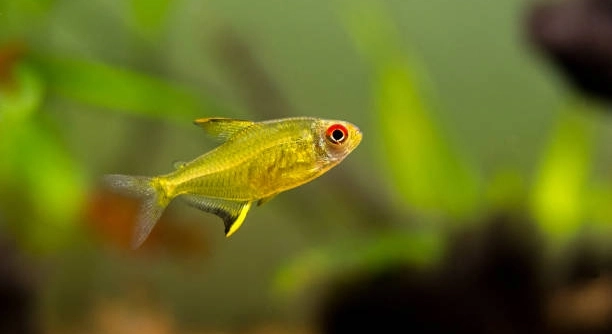
Have you ever watched your lemon tetra swim around and wondered how they respond to the world outside their tank, including the sounds you make day when you walk by and speak near their home.
Lemon tetra do not recognize human voices in a way, but they can react to vibrations and shifts in their environment. Their responses are linked to sensory cues rather than vocal patterns, making their behavior a product of survival mechanisms.
Learning how these tiny fish respond to sounds around them can help you create a calmer setup that encourages behavior.
How Lemon Tetra Sense Their Surroundings
Lemon tetra rely on their senses to stay aware of what happens around them, and watching this can make you feel closer to them as you care for their space. They use their lateral line to detect movement in the water, which allows them to sense changes even when they cannot see the source. This system helps them understand when something is moving nearby, including your steps or tapping that creates small vibrations. Their hearing is simpler than ours, yet they still pick up low frequency sounds that travel through water easily. When I talk near the tank, I notice shifts in their swimming pattern, not because they know my voice, but because they feel the vibration. By learning how their senses work, you can support a peaceful setup and avoid sudden disruptions. This understanding also makes it easier to read their reactions, giving you a way to observe them.
Small changes in their environment can influence how they move, and understanding these reactions gives you a clearer idea of what keeps them comfortable. Paying attention to their patterns makes it easier to maintain a space that feels steady and safe for them each day as you watch them closely.
Once you know how they sense movement and sound, it becomes easier to shape a routine that suits their calm nature. I like keeping the area around the tank quiet, since sudden noise can make them scatter quickly. They swim with more confidence when their space stays steady and predictable. Soft talking near the glass might create tiny vibrations, but it rarely upsets them when the rest of the environment feels balanced. Giving them hiding spots also helps reduce tension. When their senses are respected, they display smoother swimming patterns that show they feel secure in their little habitat daily.
What Sounds Mean for Lemon Tetra
Sounds around the tank reach them through vibrations, and these signals can shape how they react during normal activity. Keeping noise low helps reduce sudden changes in their behavior, allowing them to swim with more comfort and stability in their environment as long as the surrounding space stays gentle each day.
Understanding how sound affects lemon tetra helps you create a stable environment that keeps them at ease while they swim through daily routines. Vibrations from talking, footsteps, or household activity carry through the water more clearly than most people expect, and these subtle signals can shift their behavior. When the sounds are gentle, they usually continue swimming with relaxed movements. Sudden noise, however, may cause them to dart to a corner or cluster together until they feel safe again. I try to keep loud devices away from the tank so the water stays as calm as possible. Even small changes in rhythm, like dropping something on a counter, can create a ripple that startles them briefly. Giving them plants and hiding spots softens the impact, creating areas where they can retreat when something feels off. Over time, they adapt to the general pattern of sounds in your home, but they still rely on their senses to decide when to stay still or move quickly. By paying attention to how they react during different noise levels, you can learn what keeps them comfortable. This awareness makes it easier to support their natural behavior and maintain a peaceful setup they can trust.
How Vibrations Influence Behavior
Vibrations reach lemon tetra quickly, and even small movements can shift how they swim. I notice they respond more to sudden changes than steady patterns, which helps them decide when to move away or settle calmly in their space.
Lemon tetra react to vibrations that travel through the water, and these signals guide many of their choices. When something bumps the tank or a sharp sound echoes nearby, they usually tighten their formation or move toward sheltered areas. Their sensitivity is part of how they stay safe, so they treat any strong vibration as a possible sign of trouble. I try to keep my movements smooth around the tank, because abrupt actions create ripples that make them tense. When their surroundings stay steady, their swimming becomes more relaxed, which shows they feel secure and unbothered.
Soft and predictable vibrations rarely disturb them, and I often see them continue their usual movements without any sign of stress. They seem to adapt to everyday household patterns when those patterns stay consistent. A calm atmosphere helps them feel safe enough to explore their tank rather than hiding. When I pay attention to what startles them, it becomes easier to maintain an environment that supports their comfort. This awareness helps me notice subtle shifts in their behavior and adjust things before they become stressed.
Creating a Calmer Environment for Lemon Tetra
A calm environment helps lemon tetra feel secure, and keeping the area around the tank steady supports their gentle nature. I like using soft lighting and slow movements nearby to help them stay relaxed throughout the day.
Maintaining a peaceful setup starts with reducing noise and sudden activity near the tank. Lemon tetra thrive when their surroundings remain predictable, so I try to avoid loud appliances or quick motions that might send vibrations through the glass. Adding plants and decorations gives them places to retreat when something feels overwhelming, and this helps lower their tension. They swim more confidently when they know they can hide if needed. I also make sure the tank is placed away from busy areas in the home, since constant disruption can cause them to stay alert instead of settling into a natural rhythm. By watching how they respond to changes, I can shape their environment in a way that keeps them steady and comfortable each day.
How They Adjust to Repeated Sounds
Repeated sounds become part of their routine, and I notice they settle more easily when the patterns stay the same. Familiar noises seem to bother them less over time, helping them swim with steady movements instead of reacting sharply.
They still stay alert, but gentle repetition helps soften their responses. When everyday sounds remain predictable, they gain a sense of stability. I try to keep consistent habits around the tank so they recognize the patterns that surround them.
Why Sudden Noise Feels Disruptive
Sudden noise sends strong vibrations through the water, and lemon tetra react quickly to protect themselves. I often see them dart toward plants or group tightly when something loud happens nearby. A quick shift in rhythm can make them feel unsure, even if the moment is brief. Paying attention to what triggers these reactions helps keep their space calmer. By reducing sharp sounds, they move with smoother patterns and show fewer signs of tension.
Recognizing When They Feel Unsettled
Unsettled lemon tetra move more abruptly and may hide more often. I watch their swimming patterns closely, because small changes help me understand when something needs adjusting. A calmer setup usually brings their gentle, steady movements back.
FAQ
Do lemon tetra actually hear your voice?
Lemon tetra do not hear your voice in the same way people do, but they sense the vibrations created when you speak near the tank. Your voice produces small movements in the water, and these movements reach their lateral line. This system helps them detect changes around them, so they respond to the vibration rather than recognizing your voice. I often notice slight shifts in their swimming when I talk near the glass, showing they feel the movement. They are not identifying the sound itself, but they react to the physical effect it creates in their environment.
Can lemon tetra get scared by loud talking?
Loud talking can startle them because it creates stronger vibrations that travel quickly through the water. These sudden changes make them move faster or hide behind plants for a moment. I try to keep my voice gentle when standing close to the tank, because calm sounds help them stay relaxed. When the environment stays steady, they usually swim with slow and even movements. Loud talking does not harm them, but it can interrupt their calm routine and make them more alert for a short time.
Do lemon tetra react differently to various types of noises?
They react more strongly to sharp or sudden noises, while steady background sounds are easier for them to ignore. A dropped object or a sudden loud tap can make them scatter quickly. Soft music or quiet household sounds often blend into their daily pattern without causing tension. Over time, they adapt to recurring sounds as long as those sounds do not cause abrupt vibrations. I try to keep sudden noises to a minimum around their tank, because it makes them move with more confidence and less urgency.
Can lemon tetra recognize your presence even without noise?
They can sense movement near the tank through changes in light and slight vibrations. When I walk by slowly, they often swim in a calm pattern, showing they are aware but not startled. If I move quickly or tap the glass by accident, they respond right away. Their awareness is built on signals traveling through the water, so even gentle steps can catch their attention. They do not recognize people the way pets on land do, but they recognize patterns and react to familiar routines.
Is talking to lemon tetra harmful for them?
Talking to them is not harmful when done gently. The vibrations from regular talking are mild and do not cause stress unless the volume is unusually high. I often speak softly when feeding them or checking their tank, and they respond with smooth swimming rather than startled movements. Sudden noise is what affects them the most, not gentle sound. Keeping your voice calm helps maintain a peaceful space, which supports their comfort and encourages natural behavior.
Do lemon tetra become used to household sounds?
They can grow accustomed to repeating noises, especially those that stay consistent each day. The hum of appliances or the rhythm of conversations becomes part of their environment over time. They still respond to changes, but familiar patterns reduce their stress and allow them to swim more freely. When the sounds stay predictable, they feel more at ease and display smoother movements. I have noticed they adapt better when the area around the tank stays steady, without frequent loud disturbances.
Why do they dart suddenly when a noise happens?
Darting is a natural reaction to sudden vibrations, and it helps them stay alert. Even small pops or bangs can make them shift quickly. This response is instinctive, meant to protect them from danger. When the tank stays quiet and stable, these reactions become less frequent. By keeping sudden noises minimal, you help them settle into their space more comfortably.
Final Thoughts
Caring for lemon tetra becomes easier when you understand how they respond to the sounds and movements around them. They rely on their senses to stay aware of changes, and this shapes much of their behavior. Even small vibrations can influence how they swim or how comfortable they feel in their tank. I have learned that keeping their space steady supports their confidence and helps them show calmer patterns each day. When their surroundings remain predictable, they spend more time exploring their plants and decorations instead of hiding. This simple awareness makes a meaningful difference in how they settle into their environment. By noticing their reactions, you gain a clearer idea of what makes them feel secure and what causes them to pull away or move suddenly. It is a gentle process that becomes easier with time, especially when you watch the little details that signal how they are adjusting.
Their sensitivity to vibrations is a natural part of who they are, and paying attention to this helps you shape a peaceful setup that feels safe for them. You do not need to be overly quiet, but being mindful of sudden movements or loud actions near the tank can help reduce unnecessary stress. I like keeping their space away from busy walkways or areas with strong noise changes. This gives them a place where they can swim freely without reacting to every shift happening around them. Small efforts like soft lighting, steady routines, and slow movements can create a calmer atmosphere that supports their overall comfort. When you treat their environment with care, their behavior reflects that stability through smooth swimming and gentle interactions with each other. Over time, you start recognizing patterns, and these patterns guide you in making thoughtful choices for their wellbeing.
What stands out most is how adaptable they can be once they trust the rhythm of their surroundings. Lemon tetra may react quickly at first, but familiar routines give them a sense of balance. Watching them adjust shows how much they rely on consistency, and creating that consistency becomes a natural part of caring for them. Their responses are not signs of fear alone, but signals that help you understand their needs. When the home around them stays gentle and predictable, they respond with more confidence and ease. This makes caring for them feel more connected, because you see how your choices influence their comfort. With steady support, they thrive in a space that feels calm and safe, and that steady environment allows their gentle nature to stand out in a way that feels rewarding and peaceful to observe.

Hello,
If you enjoy the content that we create, please consider saying a "Thank You!" by leaving a tip.
Every little bit helps us continue crafting quality advice that supports the health, happiness, and well-being of pets around the world, for pets of all shapes, sizes, and species.
We really appreciate the kindness and support that you show us!