
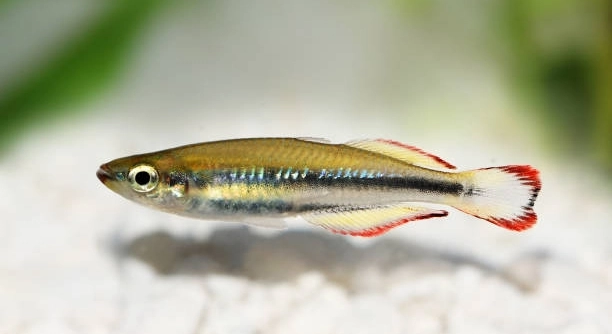
Have you ever noticed your fish spending more time hiding than swimming around the tank? Observing their behavior and the tank environment can help you understand whether they are receiving adequate light for healthy growth.
Ensuring your fish receives proper light is essential for maintaining their circadian rhythm, supporting plant growth, and preventing stress. Adequate lighting promotes natural behaviors and overall well-being, helping fish thrive in a controlled aquarium environment.
Proper light management can greatly impact your fish’s health. Small adjustments may make a noticeable difference in their daily activity and vitality.
Signs Your Fish Is Not Getting Enough Light
If your fish is spending most of its time near the bottom of the tank or seems less active than usual, it may be lacking proper light. Color fading is another common sign, as natural light helps maintain vibrant tones. Plants in the aquarium can also provide clues. If they grow slowly or appear pale, the light may be insufficient. Uneven algae growth, particularly in shaded corners, can indicate low light levels too. Watching your fish’s behavior during feeding can reveal more—reluctance to eat or hiding more than usual can reflect stress caused by inadequate lighting. Some fish species are more sensitive and require consistent light cycles to stay healthy. Adjusting light duration gradually and ensuring a mix of natural and artificial light can make a noticeable difference. Observing these small changes over days or weeks allows you to act before health problems arise.
Monitoring light carefully ensures fish maintain normal activity and coloration while supporting a balanced tank environment.
Creating a proper lighting schedule is key. Most aquariums benefit from 8 to 12 hours of light daily. Sudden changes can stress fish, so adjust gradually. Consider the type of fish and plants, as some species need stronger light. Using timers helps maintain consistency. Combining overhead lights with reflective surfaces enhances distribution. Avoid placing tanks in direct sunlight, which can cause temperature fluctuations and algae blooms. Keep lights clean to prevent dimming and uneven coverage. Observing fish behavior regularly ensures adjustments are effective. A well-lit tank encourages natural swimming patterns and feeding habits. Over time, you will notice improved coloration, healthier plants, and more active fish. Small, consistent changes are better than drastic ones to avoid shock. Lighting plays a vital role in replicating a natural habitat, supporting long-term health, and keeping the aquarium visually appealing. Regular checks make it easier to prevent issues before they escalate.
Choosing the Right Light for Your Tank
Selecting the correct light depends on your fish type and tank setup. Some species need brighter, cooler lights, while others thrive under softer, warmer tones.
LED lights are popular because they provide consistent illumination, use less energy, and can mimic natural light patterns effectively. Fluorescent bulbs work well for plant-heavy tanks, promoting growth without overheating the water. Positioning matters: lights should cover the entire tank evenly, avoiding dark spots where fish may hide excessively. Consider adjustable fixtures to change intensity or spectrum when needed. Color temperature impacts both plant growth and fish appearance, with 5000–7000K generally suitable for freshwater setups. Timing and duration are crucial; using a timer ensures a stable day-night cycle. Overly bright lights can cause stress or excessive algae, so balance intensity carefully. Observing how fish respond to new lighting helps fine-tune settings. Properly chosen lights improve health, activity, and the overall look of the aquarium, creating a pleasant and sustainable environment for all inhabitants.
Adjusting Light Duration
Too little light can slow fish activity, while too much can cause stress. Most freshwater tanks do well with 8 to 12 hours of light daily. Gradual changes prevent sudden disruption to fish behavior and plant growth.
Using a timer ensures consistency, which helps maintain a natural day-night cycle for your fish. Sudden changes in lighting duration can confuse fish, leading to hiding or reduced feeding. Observe how your fish respond to small adjustments and increase or decrease light incrementally. Combining proper duration with suitable intensity supports plant growth and keeps algae in check. Consistent lighting encourages normal swimming patterns and coloration, creating a healthier aquarium environment.
Adjusting light duration also impacts plants and algae growth. Proper scheduling prevents overgrowth and keeps water quality stable. Monitoring fish and plant responses allows you to fine-tune settings for optimal balance. Gradual adjustments are safer than sudden shifts.
Positioning Your Aquarium Lights
Lights should cover the entire tank evenly, avoiding dark corners or overly bright spots. Proper placement ensures fish and plants receive sufficient light.
Overhead lights work best, but reflective surfaces can help distribute light more evenly. Adjustable fixtures allow fine-tuning of intensity and angle. Positioning matters for both aesthetics and fish behavior, as uneven light can encourage hiding or stress. Monitoring shadows and bright spots ensures all areas are illuminated adequately. Combine natural light carefully to avoid overheating or algae blooms, maintaining a stable environment for your fish.
Proper light positioning supports both plant growth and fish health. Even distribution prevents stress, encourages natural activity, and enhances the appearance of your aquarium. Small adjustments over time improve overall balance and visual appeal. Choosing the right angle, height, and fixture type ensures a harmonious environment that benefits all tank inhabitants. Observing fish behavior after repositioning lights helps identify optimal placement. Consistency in placement combined with proper duration creates a stable, well-lit habitat, reducing stress and promoting long-term well-being for both plants and fish.
Watching Fish Behavior
Fish that swim actively and explore the tank usually receive enough light. Lethargy or constant hiding can indicate insufficient lighting.
Pay attention to feeding habits. Fish that eat normally and display natural behaviors often have proper light exposure. Small changes in movement or color can signal issues before they become serious.
Monitoring Plant Health
Healthy, vibrant plants are a good indicator that your tank lighting is adequate. Pale or stunted growth often points to insufficient light. Proper lighting supports photosynthesis, which benefits both plants and fish. Adjusting intensity or duration can help restore plant health and balance the aquarium environment.
Using Timers
Timers help maintain consistent light cycles, reducing stress for fish. They simplify routine adjustments and ensure stability in the tank environment.
FAQ
How do I know if my fish is getting too much light?
Excessive light can cause stress, leading to erratic swimming, hiding, or loss of appetite. Algae may grow quickly, covering decorations and plants, which indicates the tank is receiving more light than necessary. Adjusting light duration and intensity can help maintain balance.
Can low light harm my fish?
Yes, insufficient light can affect both behavior and health. Fish may become lethargic, lose color, and hide more often. Plants may also struggle to grow, reducing oxygen levels and making the environment less stable for fish. Maintaining adequate light is essential for overall tank health.
How long should aquarium lights stay on each day?
Most freshwater fish tanks do best with 8 to 12 hours of light daily. Using a timer ensures consistent cycles, preventing stress caused by sudden changes. Gradual adjustments are better than abrupt shifts to protect fish behavior and plant growth.
What type of light is best for my fish tank?
LED lights are efficient, long-lasting, and provide even coverage. They allow for easy adjustment of intensity and color. Fluorescent lights work well in plant-heavy tanks, promoting growth while keeping water temperature stable. Choosing the right light depends on fish species and tank setup.
How can I tell if my plants are getting enough light?
Healthy plants are vibrant, grow steadily, and maintain firm leaves. Pale, slow-growing, or stunted plants often indicate low light. Monitoring plant health can help assess whether lighting adjustments are needed for both flora and fish well-being.
Do different fish species need different lighting?
Yes, some species prefer dimmer environments, while others thrive under brighter conditions. Researching each species’ natural habitat helps determine optimal lighting. Balancing the needs of multiple fish in one tank may require adjustable lighting or strategic placement of decorations and plants.
Can too much light cause algae problems?
Excess light is one of the main factors promoting algae growth. Algae can cover decorations, plants, and glass, affecting tank aesthetics and oxygen levels. Reducing light duration or intensity, along with regular maintenance, helps prevent overgrowth and keeps the aquarium balanced.
Should I use natural sunlight for my tank?
Direct sunlight can cause temperature fluctuations and algae blooms. Indirect natural light may help, but artificial lighting provides more control and consistency. Timers and adjustable fixtures ensure fish and plants receive a stable day-night cycle without sudden changes.
How do I adjust light for a newly set-up tank?
Start with shorter periods, around 6 to 8 hours, and gradually increase to 8–12 hours over several weeks. This allows plants to establish and fish to adapt without stress. Observing fish behavior and plant growth during this period ensures proper light levels are reached.
Is it necessary to turn lights off at night?
Yes, fish need a rest period similar to a day-night cycle. Continuous light can stress fish, disrupt feeding patterns, and promote algae. A consistent dark period supports natural behavior and overall health, helping fish maintain normal activity and coloration.
Can improper lighting affect fish coloration?
Absolutely. Lack of adequate light can cause colors to fade, while proper light enhances natural vibrancy. Bright colors often indicate healthy fish and a balanced tank. Adjusting light intensity and duration can restore faded colors over time.
How do I balance light for fish and plants?
Assess both plant growth and fish behavior. Adjust light duration and intensity gradually, using timers to maintain consistency. Reflective surfaces and strategically placed decorations can improve distribution. Regular observation helps maintain a balance that benefits both fish activity and plant health.
What is the best way to prevent stress from lighting changes?
Introduce adjustments slowly, changing light duration or intensity in small increments. Consistency is key, so using timers and keeping fixtures in fixed positions reduces sudden disruptions. Observing fish daily helps identify early signs of stress, allowing timely corrections before problems worsen.
Can low light affect breeding or activity levels?
Yes, insufficient light can reduce fish activity, feeding, and breeding behaviors. Many species rely on light cues for reproduction. Maintaining proper lighting cycles encourages natural behavior and supports a more active, healthy aquarium environment overall.
How often should I check my tank lighting?
Daily observation of fish behavior and plant health is ideal. Periodically check fixtures for dimming or uneven coverage. Ensuring timers work correctly and adjusting for seasonal changes helps maintain consistent lighting, keeping fish and plants healthy.
Final Thoughts
Proper lighting is one of the most important factors in maintaining a healthy fish tank. Fish rely on consistent light for their natural daily rhythms, activity levels, and overall well-being. Without enough light, fish can become lethargic, hide more often, and lose their vibrant colors. On the other hand, too much light can stress them, encourage excessive algae growth, and make the tank environment less stable. Paying attention to the duration, intensity, and placement of your tank lights ensures your fish have a safe and comfortable habitat. Observing your fish closely over time will help you notice small changes in behavior or appearance that may indicate a need for adjustment.
Plants in your aquarium are also a key indicator of light quality. Healthy plants grow steadily, maintain bright colors, and contribute to oxygen levels in the water. If your plants appear pale, stunted, or show slow growth, it is likely that your lighting needs improvement. Using the right type of light, whether LED or fluorescent, and positioning it carefully across the tank can make a noticeable difference for both plants and fish. Timers are especially helpful in maintaining a consistent day-night cycle, which reduces stress for your fish and supports natural growth patterns for your plants. Gradual adjustments in light duration or intensity are always better than sudden changes. A small, consistent routine can have a bigger impact than extreme or frequent alterations.
Creating a balanced lighting setup is not difficult, but it requires attention and observation. Consider the needs of your fish species, the type of plants in your tank, and the overall size and layout of your aquarium. Regular monitoring of fish behavior, plant health, and algae growth will guide you in making informed changes. Even small improvements, such as adjusting light height or adding reflective surfaces, can enhance distribution and provide a more stable environment. Proper lighting not only helps your fish look and behave naturally but also supports a healthy ecosystem within your tank. By focusing on these simple practices, you can ensure your aquarium remains a thriving and visually appealing space for your fish to live comfortably and actively.

Hello,
If you enjoy the content that we create, please consider saying a "Thank You!" by leaving a tip.
Every little bit helps us continue crafting quality advice that supports the health, happiness, and well-being of pets around the world, for pets of all shapes, sizes, and species.
We really appreciate the kindness and support that you show us!