
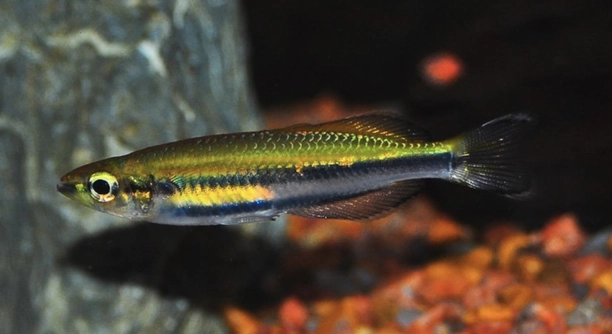
Are your rainbowfish spending more time resting than swimming around your tank? Observing these vibrant creatures become unusually inactive can be worrying. Understanding why they slow down is key to maintaining a healthy and lively aquarium environment.
Rainbowfish resting all day can result from several factors including water quality issues, improper diet, stress from tank mates, illness, temperature fluctuations, inadequate lighting, or natural behavior variations. Identifying the underlying cause is essential for ensuring their well-being.
Addressing these causes will help you create a healthier environment and support your rainbowfish’s natural energy levels and daily activity patterns.
Poor Water Quality
Poor water quality is one of the main reasons rainbowfish may spend most of their day resting. High levels of ammonia, nitrites, or nitrates can stress fish and affect their energy levels. Cloudy or dirty water can reduce oxygen availability, making swimming tiring and uncomfortable. Frequent water changes and proper filtration are essential to maintain a clean, balanced environment. Testing water regularly helps detect imbalances before they affect the fish. Parameters like pH, hardness, and temperature also play a role. Sudden changes can shock rainbowfish and cause inactivity. Even small amounts of uneaten food or decaying plants can harm water quality. Observing your fish daily allows you to notice subtle changes in behavior that might indicate water problems. A well-maintained tank supports active swimming and healthy interactions. Proper care reduces the risk of disease and keeps rainbowfish lively and colorful, reflecting their natural behavior.
Maintaining stable water conditions prevents stress, illness, and inactivity, promoting healthier and more active rainbowfish in the aquarium.
Cleaning the tank, monitoring water parameters, and ensuring the filter works efficiently can dramatically improve your fish’s energy. Regular partial water changes and removing debris keep the habitat safe. Providing adequate aeration ensures oxygen levels remain sufficient. Temperature consistency and pH balance further support their natural activity. A clean, stable environment minimizes stress, encourages swimming, and enhances color vibrancy. Paying attention to these factors makes a noticeable difference in your rainbowfish’s behavior and overall health. Observing them in a well-maintained tank often reveals more playful and curious actions, which can be rewarding to watch. By addressing water quality proactively, you protect your rainbowfish from common health problems and create a space where they thrive naturally.
Improper Diet
Feeding rainbowfish an unbalanced diet can make them lethargic. They need a mix of protein, vegetables, and occasional live food. Overfeeding or giving low-quality food can slow metabolism and reduce activity. Proper nutrition ensures energy, color, and overall health.
A balanced diet encourages swimming, natural behavior, and resilience against disease.
Rainbowfish require a varied diet to remain active and healthy. High-quality flakes or pellets should be supplemented with occasional live or frozen foods such as brine shrimp, daphnia, or bloodworms. Vegetables like spinach or peas provide fiber and essential nutrients. Overfeeding leads to uneaten food decomposing in the tank, affecting water quality and fish health. Underfeeding reduces energy levels, making rainbowfish rest more often. Providing the right portions twice a day and observing feeding behavior ensures all fish get enough nutrition. Rotating food types prevents deficiencies and encourages natural foraging behavior. Watching your rainbowfish engage with their food often indicates good health. Consistent, nutritious feeding supports their energy, activity, and long-term vitality, reducing the tendency to spend excessive time resting.
Stress from Tank Mates
Aggressive or overly active tank mates can cause rainbowfish to hide or rest for long periods. Stress reduces their energy and affects overall health, making them less likely to swim freely.
Even peaceful fish can become stressed if the tank is overcrowded or if there is insufficient hiding space. Rainbowfish need open swimming areas and places to retreat when feeling threatened. Territorial disputes or constant chasing can leave them exhausted and less visible. Observing interactions between species helps identify any sources of stress. Rearranging decorations or adding plants can create safe zones for rainbowfish. Adjusting tank population ensures each fish has enough space. Stress management directly influences activity levels, feeding habits, and color vibrancy, making a balanced and harmonious tank essential. Healthy social dynamics encourage natural behavior and reduce prolonged resting, helping rainbowfish thrive.
Providing ample swimming space, hiding spots, and monitoring interactions minimizes stress and supports natural activity levels, keeping rainbowfish lively.
Tank layout and compatible species selection play a big role in rainbowfish behavior. Adding floating plants or small caves creates shelters, allowing them to escape from overly curious or aggressive tank mates. Keeping a moderate population density ensures everyone has enough room to swim without constant interference. Regular observation helps detect bullying or persistent chasing, which can be resolved by moving aggressive fish or separating species if necessary. Maintaining calm water flow and limiting sudden disturbances also contributes to a peaceful environment. Stress-free conditions improve appetite, color, and activity. Rainbowfish respond positively to secure surroundings, demonstrating more natural swimming patterns and social interactions. Creating a balanced, thoughtfully arranged aquarium promotes healthy and vibrant fish behavior consistently.
Illness or Disease
Signs of illness can include lethargy, clamped fins, or unusual spots. Sick rainbowfish often rest more than healthy ones, conserving energy to fight infection.
Illness can stem from bacteria, parasites, or fungi, often exacerbated by poor water quality or stress. Prompt identification is crucial. Observing changes in behavior, appetite, or appearance helps detect early stages. Quarantining affected fish prevents disease spread, while medicated treatments can restore health. Prevention includes maintaining clean water, a balanced diet, and reducing stress factors. Regular monitoring ensures any signs of disease are caught early. Timely intervention improves recovery rates and minimizes the risk of long-term damage. Healthy rainbowfish are active, brightly colored, and responsive, while those fighting illness show decreased movement and energy.
Treating illness involves isolating the affected fish, following recommended medication instructions, and adjusting environmental conditions to support recovery. Consistent water changes and proper temperature help strengthen immunity. Observing the fish during treatment ensures responsiveness to medication and identifies any worsening symptoms. Nutrition also plays a role; providing high-quality, easily digestible food aids in recovery. Once recovered, returning the fish to a stable, stress-free environment ensures they regain normal activity levels and social behavior. Preventive care and close observation are key to keeping rainbowfish healthy, active, and less likely to spend excessive time resting in the tank.
Temperature Fluctuations
Rainbowfish are sensitive to sudden changes in water temperature. Too cold or too hot water can make them sluggish, causing prolonged resting periods.
Maintaining a stable temperature appropriate for the species ensures they remain active. Sudden shifts can stress fish and suppress their natural swimming behavior, affecting overall health.
Inadequate Lighting
Insufficient or irregular lighting disrupts rainbowfish activity. They rely on light cycles to regulate behavior and energy levels.
Proper lighting encourages swimming, feeding, and interaction with tank mates. A consistent day-night cycle supports their natural rhythms and overall vitality.
Natural Behavior Variations
Some rainbowfish naturally rest more during the day, especially after feeding or periods of high activity. This behavior is normal and not always a sign of a problem.
Observing their typical patterns helps distinguish between resting due to health or environmental issues versus natural downtime. Providing a stable, comfortable environment supports these natural rhythms.
Overcrowding
Too many fish in a tank reduces swimming space, increasing stress and forcing rainbowfish to rest more.
A balanced population allows all fish room to move freely, reducing stress and promoting natural activity and social interactions.
Why is my rainbowfish resting all day?
Rainbowfish may rest all day due to stress, illness, poor water quality, improper diet, temperature fluctuations, overcrowding, or natural behavior patterns. Observing their environment, diet, and interactions with tank mates can help identify the cause. Addressing these factors encourages normal activity and overall health.
How can I improve water quality for my rainbowfish?
Regular water changes, proper filtration, and testing for ammonia, nitrite, nitrate, and pH levels are essential. Remove uneaten food and debris promptly. Maintaining stable water parameters reduces stress and prevents illness, helping rainbowfish stay active and energetic throughout the day.
What is the best diet to keep rainbowfish active?
Rainbowfish need a balanced diet of high-quality flakes or pellets supplemented with live or frozen foods like brine shrimp or bloodworms. Vegetables such as peas or spinach provide fiber. Avoid overfeeding and feed in small portions twice daily to maintain energy and prevent water contamination.
Can tank mates cause rainbowfish to rest more?
Yes, aggressive or overly active tank mates can stress rainbowfish, causing them to hide or remain inactive. Providing hiding spots, a balanced population, and compatible species reduces stress. Calm interactions allow rainbowfish to swim freely and maintain natural energy levels.
How do temperature changes affect rainbowfish activity?
Rainbowfish are sensitive to both sudden drops and spikes in water temperature. Temperature fluctuations can reduce metabolism and make them lethargic. Maintaining a stable, species-appropriate temperature ensures normal swimming behavior, feeding, and social interactions in the tank.
What are the signs of illness in rainbowfish?
Signs include clamped fins, lethargy, loss of appetite, unusual spots, or erratic swimming. Sick fish often rest more to conserve energy. Early detection and treatment, including quarantine and medication if necessary, improve recovery and reduce the risk of spreading disease to other fish.
Is resting part of normal rainbowfish behavior?
Some rainbowfish naturally rest during the day, especially after feeding or periods of high activity. Observing their normal patterns helps distinguish between natural rest and inactivity caused by stress, illness, or environmental issues. Stable conditions support healthy, natural behavior.
How does lighting affect rainbowfish activity?
Inadequate or irregular lighting can disrupt circadian rhythms, reducing activity and causing prolonged resting periods. A consistent day-night cycle encourages swimming, feeding, and interaction, supporting natural energy levels and overall vitality in the aquarium.
Can overcrowding make rainbowfish inactive?
Overcrowded tanks limit swimming space and increase stress, often causing rainbowfish to rest more. Maintaining a balanced population ensures sufficient room for movement, reducing stress and promoting natural behavior, social interactions, and overall health.
What steps can I take to make rainbowfish more active?
Ensure clean, stable water, a balanced diet, proper lighting, compatible tank mates, and adequate swimming space. Monitor for signs of stress or illness and address environmental factors. Creating a calm, healthy tank encourages natural activity, vibrant colors, and a lively display of behavior.
How often should I monitor my rainbowfish?
Daily observation is recommended. Watch for changes in activity, appetite, coloration, and interactions with tank mates. Frequent monitoring allows early detection of stress, illness, or environmental problems, making interventions more effective and ensuring rainbowfish maintain healthy activity levels.
Are resting patterns affected by age or species?
Yes, younger fish and certain species may naturally be more active, while older fish or some species rest more frequently. Understanding species-specific behavior helps set realistic expectations and ensures that resting is not mistaken for a health problem.
Can rearranging the tank help inactive rainbowfish?
Yes, providing hiding spots, open swimming areas, and thoughtfully placed plants or decorations can reduce stress from other fish and encourage activity. A well-structured tank supports both natural exploration and restful periods, balancing activity with safety.
Does stress from sudden changes impact rainbowfish behavior?
Sudden changes in water parameters, temperature, lighting, or tank environment can stress rainbowfish, leading to inactivity. Gradual adjustments, stable conditions, and monitoring ensure they remain healthy and active, minimizing prolonged resting periods caused by stress.
What preventive measures keep rainbowfish active?
Regular water testing, consistent feeding, appropriate tank mates, stable temperature, adequate lighting, and sufficient space all help maintain natural activity. Preventive care reduces stress, illness, and lethargy, supporting a vibrant, energetic aquarium and long-term rainbowfish health.
How long is normal resting for rainbowfish?
Rainbowfish may rest intermittently throughout the day, especially after feeding or periods of high activity. Short rest periods are normal, but prolonged inactivity accompanied by other signs like clamped fins or color loss may indicate environmental or health issues.
Can diet changes revive inactive rainbowfish?
Yes, introducing varied, high-quality foods and small amounts of live or frozen protein sources can increase energy and encourage swimming. Proper nutrition supports metabolism, immune function, and activity, helping rainbowfish recover from lethargy caused by an inadequate diet.
How do I differentiate between rest and illness?
Natural rest is brief and occurs after activity, whereas illness often presents with lethargy, loss of appetite, clamped fins, unusual spots, or erratic swimming. Observing behavior over time, along with environmental checks, helps determine the cause and necessary interventions.
Do rainbowfish need hiding spots to feel secure?
Yes, hiding spots reduce stress from other fish or sudden disturbances, allowing rainbowfish to rest safely. Plants, caves, or decorations provide security, encouraging natural behavior and minimizing prolonged inactivity due to stress.
What role does water movement play in activity levels?
Moderate water flow encourages swimming and keeps fish active, while strong currents can stress them, causing more resting. Balancing water movement ensures rainbowfish maintain natural activity patterns without exhaustion or stress.
How often should I clean the tank to support active rainbowfish?
Partial water changes weekly, removal of uneaten food, and filter maintenance ensure clean, healthy water. A well-maintained tank reduces stress, illness, and lethargy, promoting swimming, feeding, and natural social behavior.
Can seasonal changes affect rainbowfish activity?
Yes, seasonal shifts in room temperature or light exposure can influence behavior. Maintaining stable tank conditions and consistent lighting helps minimize inactivity caused by external seasonal variations, keeping rainbowfish active year-round.
What is the best way to reduce stress for rainbowfish?
Stable water conditions, compatible tank mates, adequate space, hiding spots, and consistent feeding all reduce stress. Minimizing sudden changes in the tank environment supports natural behavior, energy levels, and overall health, preventing excessive resting.
How long does it take for rainbowfish to regain normal activity after stress or illness?
Recovery depends on the cause, severity, and environment. With proper care, clean water, balanced diet, and stress reduction, rainbowfish often return to normal swimming behavior within a few days to a couple of weeks. Monitoring progress ensures they regain energy and vitality.
Are there signs that rainbowfish are fully recovered and active?
Healthy rainbowfish swim freely, interact with tank mates, feed eagerly, and display vibrant colors. Observing these behaviors consistently indicates that the fish have recovered from stress, illness, or environmental issues and are maintaining normal activity levels.
Does tank size influence rainbowfish activity?
Yes, small or overcrowded tanks limit swimming space and increase stress. A suitably sized tank allows freedom of movement, reducing inactivity and encouraging natural swimming, feeding, and social interactions among rainbowfish.
How can I tell if rainbowfish resting is due to diet or water issues?
If the fish appear pale, lethargic, or show changes in appetite, water testing is critical. Poor diet may cause slow growth or dull coloration, while water problems often present with gasping, clamped fins, or unusual swimming patterns. Correcting the issue restores activity.
Can introducing new fish affect rainbowfish activity?
Yes, new tank mates can cause stress or territorial disputes. Gradual introductions, quarantine procedures, and providing hiding spots help reduce inactivity and maintain healthy interactions, allowing rainbowfish to resume normal behavior.
Do rainbowfish sleep?
Rainbowfish do rest and reduce activity, especially at night or after feeding. This natural downtime is normal, but prolonged resting during active periods may indicate stress, illness, or environmental issues requiring attention.
What is the ideal light cycle for rainbowfish?
A consistent 10-12 hour light and 12-14 hour dark cycle supports natural behavior and energy levels. Maintaining this schedule helps regulate swimming, feeding, and rest, ensuring rainbowfish remain active and healthy.
Can decorations improve rainbowfish activity?
Yes, strategically placed plants, rocks, and caves provide exploration opportunities, hiding spaces, and stimulation. This encourages natural swimming behavior and reduces stress, preventing excessive resting while supporting overall well-being.
How do I maintain long-term activity in rainbowfish?
Consistent water quality, balanced diet, proper lighting, suitable tank mates, ample space, and regular observation all contribute to sustained activity. Preventive care and timely interventions ensure rainbowfish remain energetic, healthy, and vibrant in their aquarium environment.
How do I know when inactivity is serious?
Persistent resting accompanied by loss of appetite, color fading, clamped fins, or erratic swimming signals potential illness or stress. Immediate assessment of water, diet, and tank conditions, along with appropriate intervention, is essential to prevent further health decline.
Can stress from handling affect rainbowfish activity?
Frequent handling or netting can cause temporary lethargy and hiding. Minimizing disturbances, gentle care during maintenance, and providing secure hiding spots allow rainbowfish to regain normal energy and reduce prolonged resting behaviors.
What is the safest way to treat disease in rainbowfish?
Quarantine sick fish, follow recommended medication instructions, maintain clean water, and monitor closely. Supporting recovery with proper diet and minimal stress ensures effectiveness and prevents disease spread to other tank inhabitants.
How do I balance light, temperature, and diet to optimize activity?
Maintain a consistent light cycle, species-appropriate temperature, and varied, nutritious diet. Regular monitoring and adjustments keep rainbowfish energetic, reduce stress, and encourage natural swimming, feeding, and social behavior consistently.
Can overfeeding cause inactivity?
Yes, excess food can pollute water and reduce energy. Feeding appropriate portions prevents lethargy, maintains water quality, and supports sustained activity and natural behavior in rainbowfish.
What role does observation play in managing inactive rainbowfish?
Daily observation helps detect changes in behavior, appetite, or appearance. Early identification of stress, illness, or environmental problems allows timely intervention, keeping rainbowfish active, healthy, and vibrant over the long term.
How long should I wait after making changes to the tank before expecting activity to return?
Fish may adjust within hours to days, depending on the change. Stable water parameters, proper diet, and a calm environment allow rainbowfish to gradually regain normal swimming and social behavior. Patience is key to successful adjustments.
Can adding plants influence rainbowfish activity?
Yes, live or artificial plants provide hiding spaces, reduce stress, and encourage exploration. Plants create a stimulating environment that supports natural behavior and prevents prolonged resting caused by boredom or insecurity.
Do rainbowfish need a specific pH level for activity?
Maintaining a pH appropriate for the species is essential. Extreme or fluctuating pH levels can stress fish, leading to lethargy. Stable, balanced water chemistry promotes swimming, feeding, and overall vitality.
How does tank maintenance affect rainbowfish energy?
Regular cleaning, filter upkeep, and water changes prevent harmful buildup and stress. A well-maintained tank supports natural activity levels, healthy feeding behavior, and reduced resting caused by poor environmental conditions.
Can seasonal lighting changes affect behavior?
Yes, changes in daylight exposure can influence activity. Maintaining a consistent artificial light cycle mitigates these effects, keeping rainbowfish active and supporting natural rhythms despite seasonal variations.
What are the most common reasons rainbowfish remain inactive?
Poor water quality, improper diet, stress from tank mates, illness, temperature fluctuations, inadequate lighting, overcrowding, or normal resting behavior are the main causes. Identifying and addressing these factors restores energy and natural swimming behavior.
How do I create a stress-free environment for rainbowfish?
Ensure stable water conditions, compatible tank mates, adequate space, hiding spots, consistent feeding, and minimal disturbances. A calm environment reduces inactivity, supports natural behavior, and maintains health and vitality.
Are there long-term effects of prolonged inactivity?
Extended periods of rest due to stress, illness, or poor conditions can weaken the immune system, reduce growth, and affect coloration. Maintaining optimal care helps prevent these issues and ensures rainbowfish remain energetic and healthy.
Can observing natural behavior help prevent inactivity?
Yes, tracking swimming patterns, feeding habits, and interactions allows early detection of stress, illness, or environmental problems. Proactive adjustments keep rainbowfish active and healthy, minimizing prolonged resting periods.
How important is tank size for long-term activity?
A properly sized tank ensures sufficient swimming space, reduces stress, and encourages natural behavior. Overcrowded tanks limit movement and increase resting, while ample space promotes energy, social interactions, and overall health.
What should I do if rainbowfish continue resting despite proper care?
Evaluate for hidden stressors, subtle illness, or compatibility issues. Consulting an aquarium specialist and closely monitoring water quality, diet, and interactions can reveal overlooked problems and help restore normal activity levels.
Can seasonal temperature shifts outside the tank affect activity?
Yes, room temperature changes can impact aquarium water. Using heaters or chillers to maintain a stable temperature ensures rainbowfish remain active and reduces lethargy caused by external fluctuations.
How often should I check water parameters to prevent inactivity?
Weekly testing of ammonia, nitrite, nitrate, pH, and temperature is recommended. Regular monitoring prevents environmental issues that reduce activity, keeping rainbowfish healthy and energetic.
What role does diet variety play in activity?
Varied nutrition maintains metabolism, color, and energy levels. Providing a mix of flakes, pellets, live, frozen, and plant-based foods encourages swimming and natural behavior, preventing lethargy caused by poor diet.
Can prolonged inactivity affect social behavior?
Yes, inactive rainbowfish may withdraw from interactions with tank mates, affecting group dynamics. Maintaining health, proper diet, and stress-free conditions ensures active social engagement and natural schooling behavior.
Does oxygenation impact rainbowfish activity?
Low oxygen levels make swimming tiring and encourage resting. Proper aeration through filters, air stones, or water movement ensures sufficient oxygen, supporting energy, activity, and overall vitality.
How do I know if my rainbowfish are getting enough exercise?
Active swimming, exploration, and interaction with tank mates indicate sufficient activity. A lack of movement, excessive resting, or hiding suggests environmental, dietary, or health issues that need attention.
What are the best practices for long-term rainbowfish activity?
Maintain stable water parameters, balanced diet, proper lighting, compatible tank mates, sufficient space, hiding spots, and regular observation. Preventive care and early intervention support energy, natural behavior, and overall well-being.
Can temperature or lighting changes during maintenance affect activity?
Yes, sudden adjustments can stress rainbowfish and reduce swimming. Gradual changes and careful maintenance help preserve energy levels and encourage normal behavior.
Is it normal for rainbowfish to rest after feeding?
Yes, short rest periods after meals are natural. Prolonged inactivity after feeding may indicate stress, illness, or environmental problems that need attention.
How do I prevent overfeeding while keeping fish active?
Feed small portions twice daily and remove uneaten food promptly. This maintains water quality, prevents lethargy, and encourages consistent activity and natural foraging behavior.
Can behavioral observation replace water testing?
No, observing behavior helps identify stress or illness, but water testing is essential for detecting invisible issues like ammonia spikes. Combining observation with testing ensures a healthy, active environment.
What role does tank decor play in energy levels?
Decorations provide hiding spaces and exploration opportunities, reducing stress and encouraging swimming. Thoughtful arrangement supports activity and natural behavior while preventing boredom or prolonged resting.
How can I tell if my rainbowfish are adapting to new tank conditions?
Gradual increase in swimming, feeding, and interaction indicates adaptation. Persistent hiding or inactivity signals stress, illness, or unsuitable conditions requiring adjustments.
Do rainbowfish need a night cycle for proper activity?
Yes, darkness allows rest, while consistent daytime lighting encourages energy and swimming. A stable day-night cycle supports natural behavior and overall vitality.
How long can rainbowfish safely rest without health issues?
Short, intermittent resting is normal. Prolonged inactivity combined with loss of appetite, color fading, or clamped fins indicates potential problems that should be addressed promptly.
Can tank positioning affect rainbowfish activity?
Yes, placing the tank in a quiet, stable area reduces stress from vibrations, noise, or temperature fluctuations. A calm environment encourages swimming, social behavior, and natural activity.
Are some rainbowfish species naturally less active?
Yes, activity levels vary by species and age. Understanding species-specific behavior helps distinguish normal resting from inactivity caused by stress, illness, or environmental factors.
How can I ensure rainbowfish remain healthy and active long-term?
Consistent water quality, balanced diet, proper lighting, compatible tank mates, ample space, hiding spots, and careful observation prevent stress, illness, and inactivity, ensuring vibrant, energetic rainbowfish over time.
What is the most effective way to address prolonged inactivity?
Identify the underlying cause—stress, illness, water issues, diet, or environmental factors—and make targeted adjustments. Regular monitoring, preventive care, and thoughtful tank management restore normal activity and support long-term health.
How do I know if my rainbowfish are happy and active?
Active swimming, vibrant coloration, responsive feeding, and social interactions with tank mates indicate healthy, content fish. Consistent behavior over time shows they are thriving in a well-maintained environment.
Can seasonal or room temperature changes be mitigated to maintain activity?
Yes, heaters, chillers, and stable artificial lighting prevent fluctuations from affecting swimming behavior and resting patterns, keeping rainbowfish active throughout the year.
How often should I perform partial water changes to keep rainbowfish active?
Weekly or bi-weekly partial water changes help maintain clean, balanced water. Regular maintenance prevents lethargy, stress, and health issues, supporting natural swimming and behavior.
Do rainbowfish need mental stimulation to stay active?
Yes, varied tank decorations, hiding spots, and interactive feeding encourage exploration and swimming. Mental stimulation reduces boredom and prevents prolonged resting, supporting healthy activity levels.
Can prolonged resting cause long-term health issues?
Yes, inactivity from stress, illness, or poor conditions can weaken immunity, reduce growth, and affect coloration. Maintaining optimal care ensures energy, vitality, and overall health are preserved.
How do I differentiate normal rest from concerning inactivity?
Brief rest after feeding or periods of activity is normal. Persistent lethargy, color loss, clamped fins, or unusual swimming signals environmental or health issues requiring intervention.
What is the role of quarantine in preventing inactivity?
Quarantining new
Rainbowfish are naturally active and vibrant, but it is normal for them to rest periodically. Short periods of inactivity often occur after feeding or following bursts of swimming. Observing these patterns can help distinguish between natural rest and signs of stress or health issues. Maintaining a stable environment, proper nutrition, and a balanced social setting ensures that rainbowfish retain their energy and display their full colors. Even small changes in water quality, temperature, or tank composition can affect activity levels, so careful monitoring is key. Providing hiding spots and open swimming areas supports their natural behavior, giving them security while allowing freedom of movement. By recognizing what is typical for your fish, you can respond appropriately when they show signs of unusual lethargy.
Proper care plays a crucial role in preventing prolonged resting caused by environmental or dietary issues. Rainbowfish rely on clean water, adequate filtration, and a consistent light and temperature schedule to maintain normal activity. Overfeeding or underfeeding can influence energy levels, and unbalanced diets may contribute to lethargy. Similarly, overcrowding or aggressive tank mates can create stress, reducing swimming behavior and encouraging hiding. Identifying the factors that influence inactivity requires observation and a structured approach to tank management. Adjustments to diet, water quality, tank population, and layout often restore normal activity quickly. Keeping a routine of testing water parameters, maintaining cleanliness, and monitoring fish behavior can prevent most of the common causes of prolonged rest, ensuring the fish remain healthy, alert, and active.
Recognizing the balance between normal resting and concerning inactivity helps in providing long-term care for rainbowfish. Regular observation is vital to detect changes in color, appetite, social behavior, or swimming patterns, which can indicate underlying issues. Addressing problems such as illness, stress, or improper conditions promptly supports recovery and prevents further complications. Providing a stable, well-maintained environment, appropriate nutrition, and compatible tank mates encourages natural behavior while minimizing stress. Ultimately, understanding rainbowfish behavior allows for better care decisions and a healthier aquarium environment. By focusing on stability, nutrition, and observation, you create conditions that allow rainbowfish to thrive, swim actively, and display their natural vibrancy consistently, while also preventing unnecessary prolonged resting or health issues.

Hello,
If you enjoy the content that we create, please consider saying a "Thank You!" by leaving a tip.
Every little bit helps us continue crafting quality advice that supports the health, happiness, and well-being of pets around the world, for pets of all shapes, sizes, and species.
We really appreciate the kindness and support that you show us!