
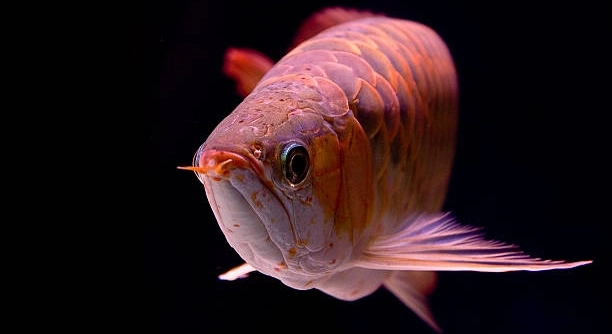
Have you ever wondered how your arowana adjusts to its new tank environment? Observing its behavior during the first few weeks can reveal whether it is adapting well to its surroundings. Consistency and calmness are key signs.
An arowana is settling down when it exhibits steady swimming patterns, reduced stress behaviors, and begins accepting regular feeding routines. A stable environment and proper tank conditions encourage this adaptation, which is critical for the fish’s long-term health and wellbeing.
Watching your arowana closely during this period provides insight into its comfort and behavior, helping you support a smooth transition into its new home.
Recognizing Calm Swimming Patterns
When an arowana is beginning to feel at ease, its movements become more consistent and deliberate. Instead of darting around nervously or hiding constantly, it glides smoothly through the water, exploring different areas of the tank. Gentle, even swimming along the sides or middle indicates comfort, while occasional pauses near decorations or plants show curiosity rather than fear. The fish may also swim near the top when ready to feed but still remain cautious, showing it’s adjusting to new routines. Over time, these steady swimming behaviors become more predictable, signaling that the arowana is becoming familiar with its space. Watching these patterns daily can help you notice small improvements in confidence. Any sudden change, like frantic swimming or refusal to move, could indicate stress. Consistently observing these behaviors is essential for maintaining a healthy environment and ensuring your arowana feels secure in its tank.
Calm swimming patterns are one of the most reliable indicators that your arowana is settling comfortably into its environment.
Tracking swimming patterns can also reveal how your arowana interacts with tank features, giving you hints about its preferences for hiding spots, feeding areas, and open swimming zones. This awareness helps you make small adjustments, like repositioning decorations or monitoring water flow, to maintain an optimal environment that encourages ongoing comfort and natural behavior.
Feeding and Appetite Changes
An arowana’s appetite is a clear sign of adjustment. When it starts accepting food regularly, it shows comfort with its surroundings and routine. Feeding times may initially trigger hesitation, but gradual acceptance indicates progress.
During the settling phase, it’s normal for your arowana to eat less or show selective feeding behavior. Sudden changes in appetite should be noted, but gentle consistency in feeding will help it regain confidence.
Feeding routines also affect how your arowana interacts with you and its tank. A relaxed fish will approach the feeding area without signs of stress and may even begin anticipating mealtimes. Observing these changes provides insight into the health and emotional state of your fish. Consistent feeding encourages proper growth and strengthens the fish’s internal clock, improving overall well-being. Adjusting portion sizes and offering varied food can further support settling, while ensuring your arowana receives adequate nutrition without overfeeding. Over time, these routines reinforce a sense of stability, helping the fish establish a comfortable daily rhythm.
Interaction with Tank Environment
Arowanas that are settling will begin exploring decorations and hiding spots without signs of stress. They may investigate new areas slowly and return to familiar zones for security, showing comfort with their surroundings.
This exploration is a strong indicator of confidence. When your arowana swims around plants, driftwood, or rocks, it’s testing boundaries and learning the layout. It may hover near certain areas or circle specific decorations, demonstrating curiosity rather than fear. Over time, these interactions become more consistent, reflecting growing familiarity. Watching how it responds to objects, water flow, or tank changes gives you insight into its comfort level. Avoid sudden rearrangements, as gradual adjustments support stable behavior. Understanding these patterns helps maintain a healthy, stress-free environment while encouraging natural instincts.
Tank interaction also shows social comfort. A settled arowana will swim without hesitation near other fish if compatible, or confidently patrol its territory alone. Observing these behaviors helps fine-tune tank design, feeding zones, and enrichment.
Signs of Reduced Stress
Signs of reduced stress include smooth breathing, consistent color, and relaxed fins. Sudden flaring or hiding decreases as confidence grows.
Stress-free arowanas spend more time near open swimming areas and less time hiding. They exhibit steady, fluid movements and respond calmly to external stimuli. Their coloration may stabilize, reflecting good health and reduced tension. By noting these changes, you can ensure that the tank environment supports comfort and minimizes disturbances. Regular water monitoring and proper lighting reinforce these improvements, contributing to overall well-being.
Consistent care, including stable temperature, clean water, and regular feeding, supports stress reduction. Observing subtle body language, like gentle fin movements and minimal erratic swimming, confirms your arowana is adapting successfully. Maintaining a predictable routine helps the fish feel secure, reducing anxiety and promoting long-term health. Attention to tank enrichment and appropriate space allows the arowana to express natural behaviors while avoiding stress triggers. Gradual acclimation to any changes ensures ongoing comfort, making your care routine more effective and rewarding.
Adjusting to Tankmates
Arowanas that are settling with other fish swim confidently without showing aggression. They may observe or interact calmly, keeping their space while learning to coexist.
Over time, they establish routines and recognize other fish’s habits. Gradual, peaceful interactions indicate comfort, while sudden chasing or hiding suggests more adjustment is needed.
Response to Feeding
Settled arowanas respond promptly during feeding times. They swim to the food without hesitation and begin following familiar feeding patterns. Consistent appetite and steady movements toward meals show adaptation to both environment and daily routines. Monitoring these responses helps ensure nutritional needs are met and that the fish remains comfortable.
Observing Resting Spots
Arowanas begin using specific areas to rest, often near decorations or quieter tank corners. Regular rest in familiar zones signals comfort and reduced stress.
FAQ
How long does it take for an arowana to settle in a new tank?
Most arowanas take about two to four weeks to adjust, though this can vary depending on tank size, water quality, and individual temperament. During this period, they may explore slowly, hide occasionally, and show fluctuating appetite as they adapt to their surroundings. Maintaining consistent feeding and minimal disturbances accelerates settling.
What are the most common signs that my arowana is stressed?
Stress can appear as erratic swimming, hiding constantly, refusal to eat, flared fins, rapid gill movements, or faded coloration. Identifying stress early allows you to adjust water parameters, improve tank environment, or review feeding routines. A calm arowana with smooth movements usually indicates minimal stress.
How can I encourage my arowana to explore the tank?
Introduce decorations gradually and provide open swimming spaces. Avoid sudden changes, which can increase stress. Feeding in different areas of the tank encourages movement. Watching its natural curiosity and responding with gentle adjustments, such as adding plants or hiding spots, helps it build confidence.
Is it normal for an arowana to hide a lot at first?
Yes, hiding is a natural response to a new environment. Initially, they may spend significant time in corners or behind decorations. Over time, as they feel safe, they will begin swimming openly, investigating different areas, and interacting with tankmates or feeding routines more confidently.
When should I worry about my arowana’s health during settling?
If signs like prolonged loss of appetite, unusual lethargy, erratic swimming, or visible injuries persist beyond a few weeks, it may indicate a health issue. Water quality should always be checked, and a consultation with an aquatic veterinarian can help address serious problems early.
Can water changes affect how quickly an arowana settles?
Yes, stability in water parameters is crucial. Frequent or large changes can stress the fish, while small, regular adjustments maintain optimal conditions. Monitoring temperature, pH, and ammonia levels carefully allows your arowana to adapt steadily without unnecessary disruptions.
Do arowanas interact with their owners while settling?
Some arowanas may start recognizing the presence of people, swimming near the tank during feeding, or following movements along the glass. This behavior typically develops as they become comfortable and associate humans with routine feeding, reflecting growing trust and adaptation to their environment.
How does tank size influence settling?
Larger tanks provide more space to explore and establish territories, which can reduce stress. Smaller tanks may limit movement and make the arowana more cautious or defensive. Ensuring sufficient swimming area, hiding spots, and proper water circulation supports faster, healthier settling.
Are there specific foods that help an arowana feel more comfortable?
Variety in diet helps maintain appetite and reduce stress. High-quality pellets, supplemented with occasional live or frozen foods, stimulate natural hunting behavior and encourage regular feeding. Feeding consistently at set times also helps create a predictable routine, aiding adaptation.
What role does lighting play in an arowana’s adjustment?
Gradual and consistent lighting helps regulate daily patterns. Too bright or fluctuating light can stress the fish, while moderate, stable lighting encourages exploration and normal behavior. Providing shaded areas or decorations can offer refuge for rest and comfort during the settling period.
How can I tell if my arowana is fully settled?
A fully settled arowana swims confidently, eats regularly without hesitation, interacts calmly with tankmates or its surroundings, and shows consistent coloration. It establishes preferred resting spots, explores decorations, and demonstrates predictable, stress-free routines, signaling comfort in its environment.
Should I introduce tankmates while my arowana is still settling?
It’s best to wait until the arowana shows consistent feeding, confident swimming, and reduced stress before adding other fish. Early introductions may provoke aggression or stress, slowing adjustment. Gradual introductions in spacious tanks help establish peaceful coexistence.
Can environmental enrichment speed up settling?
Yes, gentle enrichment like plants, driftwood, or visual barriers encourages natural behaviors and exploration. Avoid overcrowding the tank, which can stress the fish. Observation of preferences allows adjustments that maintain comfort while providing mental stimulation.
How often should I monitor behavior during the settling period?
Daily observation is ideal. Monitoring swimming patterns, appetite, coloration, and interactions with the tank environment helps detect early signs of stress or health issues. Consistent checks ensure interventions are timely and effective, supporting a smooth adjustment.
What are small signs of improvement to look for?
Steady swimming, less hiding, gradual acceptance of feeding, and calm reactions to people near the tank all indicate progress. Even minor improvements, such as exploring new areas or adjusting resting spots, show the fish is becoming comfortable and confident in its environment.
This FAQ provides practical guidance to recognize behaviors, reduce stress, and support your arowana’s adjustment, ensuring a healthy and comfortable adaptation to its tank.
Final Thoughts
Observing your arowana settle into a new tank requires patience and attention. Each fish has its own pace, and understanding its behavior is key to ensuring comfort and health. Calm swimming, regular feeding, and interaction with the environment are all signs that your arowana is adjusting. These behaviors do not appear overnight, so maintaining a consistent routine is important. Providing a stable environment with proper water conditions, temperature, and lighting supports natural behaviors and helps reduce stress. Changes in tank decorations or water parameters should be gradual to avoid unsettling your fish. Over time, the consistency of care allows your arowana to feel secure and confident, creating a more predictable and safe habitat.
Feeding routines play a significant role in arowana adaptation. A settled arowana will respond positively to meal times, approaching the feeding area without hesitation. Offering a balanced diet with variety can encourage regular feeding while stimulating natural instincts. Watching how your fish reacts to different foods provides insight into both health and comfort. Similarly, observing resting spots and preferred swimming zones can help you understand its comfort level. Adjusting the tank layout to provide safe areas and open spaces encourages exploration while minimizing stress. Gradually introducing enrichment items, like plants or hiding spots, supports mental stimulation without overwhelming the fish. Consistent attention to these details reinforces security and helps your arowana develop predictable, confident behaviors.
Interactions with the tank environment and any compatible tankmates also indicate successful adaptation. A settled arowana will explore decorations, swim confidently near other fish if appropriate, and show reduced stress signs such as rapid gill movement or erratic swimming. Monitoring subtle behaviors, like changes in coloration or gentle fin movements, can provide early warnings if anything is off. Paying attention to these details allows you to intervene promptly and maintain optimal conditions. In the long term, the goal is to create an environment where your arowana can thrive, exhibiting natural behaviors while feeling safe and secure. With consistent care, observation, and patience, your arowana will gradually adjust, demonstrating comfort, health, and confidence in its new home. This thoughtful approach ensures both the fish’s wellbeing and a rewarding experience for anyone caring for it.

Hello,
If you enjoy the content that we create, please consider saying a "Thank You!" by leaving a tip.
Every little bit helps us continue crafting quality advice that supports the health, happiness, and well-being of pets around the world, for pets of all shapes, sizes, and species.
We really appreciate the kindness and support that you show us!